
Reviewed · MARANGU ROUTE CLIMBS
Mt Kilimanjaro Climb – 6 days Marangu
Mount Kilimanjaro’s Marangu Route gives you a classic way to reach Africa’s highest peak without carrying a tent between camps. You’ll walk from coffee country and rainforest into giant heather, bare volcanic slopes, and freezing summit conditions, finishing with a long night climb to Uhuru Peak.
I like the extra acclimatization day at Horombo Hut, which gives your body more time at altitude, and I like the private format, since your guide can adjust the pace to your group. The main caution is simple: Marangu may be the cheapest and most direct route, but it is not easy. The summit night is physically demanding, and six days is still a fairly short schedule for a mountain this high.
Key points to know before you book
- Six days with a dedicated guide: Your group travels privately rather than joining a large shared departure.
- An extra night at Horombo Hut: The acclimatization walk toward Mawenzi Saddle is one of the most useful parts of the plan.
- Huts instead of a full tent routine: The itinerary describes dormitory-style huts, though the inclusions also mention camping facilities, so confirm the exact sleeping arrangement before payment.
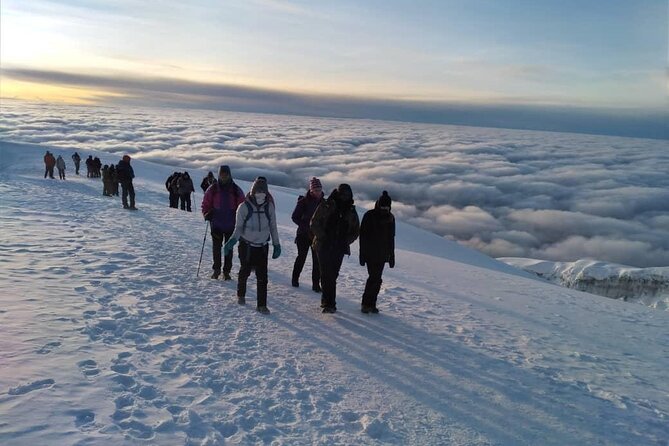
- A very long summit day: Day five can last about 13 hours, including the climb to Uhuru Peak and the descent to Horombo.
- Strong natural variety: You pass rainforest, moorland, heathland, alpine desert, and Arctic conditions in less than a week.
- Good operational coverage: Park fees, meals, water, transport, an oxygen cylinder, an oximeter, and team wages aligned with KPAP guidelines are included.
What the six-day Marangu Route is really like
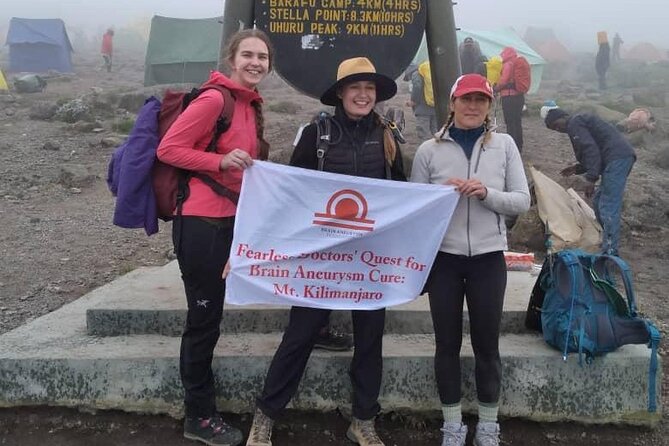
Marangu is often called the easiest Kilimanjaro route because the trail is relatively direct and uses huts rather than tents. That label can mislead you. The path may be less rough than some alternatives, but altitude is the real challenge, and the route rises quickly.
This plan starts in Moshi at about 8:30 am, with pickup offered from your hotel or hostel. The drive to Marangu Gate takes about 45 minutes. Registration comes first, then the walking begins.
You are booking a private tour, so only your group participates. That matters on a mountain where a slow pace can make the difference between reaching the top and turning around. Nyange Adventures supplies a professional guide, and past departures have included guides such as Musa, Freddy, Benny, Eric, Nicolas, Francis, and Steven. Your assigned guide may differ, so ask for the name and experience of your guide before setting out.
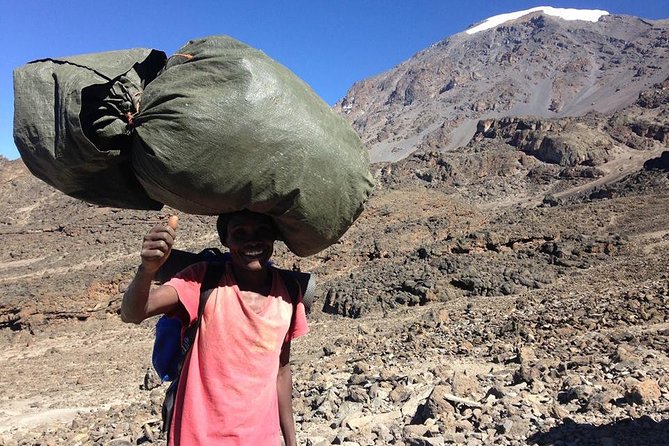
The company also lists fair and ethical salaries for its mountain team in line with KPAP guidelines. That is worth noting because the guide, cook, and porters are central to the trip, yet their tips are not included. You should budget separately for gratuities.
More Marangu Route climbs:
- Kilimanjaro climb, Marangu route (6-day)
★ 5.0 · 72 reviews - Climbing Kilimanjaro – Marangu Route
★ 5.0 · 65 reviews - Private Full Day Hiking Experience to Marangu Route
★ 5.0 · 61 reviews
Day 1: Marangu Gate to Mandara Hut through rainforest
The first day starts with an 870-meter climb and about four to five hours of hiking, although the schedule also lists roughly three hours for the first section. The trail moves through montane forest, with coffee plantations, thick greenery, birds, and a good chance of seeing black-and-white colobus monkeys.
This is a gentle introduction by Kilimanjaro standards. You are still low enough to enjoy the forest rather than worry constantly about altitude. Your guide can point out local plants and wildlife, which gives the walk more meaning than simply following a path uphill.
Mandara Hut is your first overnight stop. The accommodation is dormitory-style according to the route description, with basic facilities. The exact bedding and hut setup should be confirmed, since the inclusions also refer to tents, mattresses, and a mess tent.
I like this opening day because it gives you something to look at besides your boots. The drawback is that the forest can feel humid, and the steady climb may be more tiring than the short distance suggests. Keep your first day slow. A fast start does you no favors later.
Day 2: Moorland, giant plants, and Horombo Hut
Day two gains about 1,020 meters and takes six to eight hours. The route continues through forest before opening into moorland, where giant heather, rolling alpine meadows, giant lobelia, and giant groundsel replace the trees.
Some of these plants can grow to around 16 feet. They give the middle section of the climb a strange, almost storybook appearance, and they are a useful reminder that Kilimanjaro is not just a rock climb. The mountain’s plant zones change quickly as you gain height.
Horombo Hut is a key stop. You will have hot water for washing, dinner, and a dormitory bed or other arranged sleeping facility. The facilities are limited, so think mountain basic rather than hotel comfortable.
The six to eight-hour estimate is reasonable as a planning guide, but pace and group condition will affect your arrival. This is where the private format helps. A guide can keep you moving slowly, often called pole pole, and watch for signs that someone needs more rest.
Day 3: The Horombo acclimatization day
The third day is the strongest feature of this itinerary. Instead of gaining more height and sleeping higher, you spend another night at Horombo Hut and take a four to five-hour round-trip walk near the hut.
The suggested route goes toward Mawenzi Saddle, passing Zebra Rocks. It gives you time at altitude without forcing you to sleep at the day’s highest point. You return to Horombo for dinner and an early night.
You should drink plenty of water and tell your guide about headaches, nausea, unusual tiredness, or other altitude symptoms. The itinerary specifically advises paying attention to your body, and that is good advice. An oxygen cylinder and oximeter are included, but those items do not make altitude sickness harmless. Your guide’s judgment and your willingness to report symptoms matter more than equipment alone.
This day can feel strange if you are eager to keep climbing. I would treat it as essential rather than wasted time. A rest day with a short walk gives you a better chance of handling the upper mountain, especially on a six-day schedule.
More treks and hikes around Kilimanjaro:
- Kilimanjaro climb by Lemosho Route (7-day)
★ 5.0 · 651 reviews - Kilimanjaro climb, Machame Route (7-day)
★ 5.0 · 262 reviews - Kilimanjaro Climbing Lemosho Route 8 Days.
★ 5.0 · 186 reviews - 8-Day Small-group Lemosho Kilimanjaro Summit Trekking
★ 5.0 · 186 reviews
Day 4: Across the alpine desert to Kibo Hut
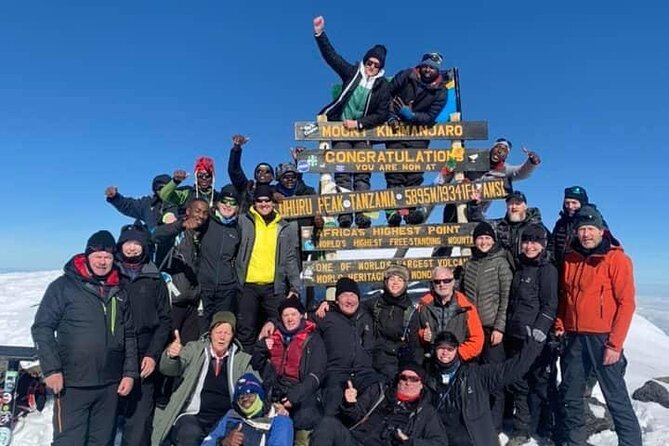
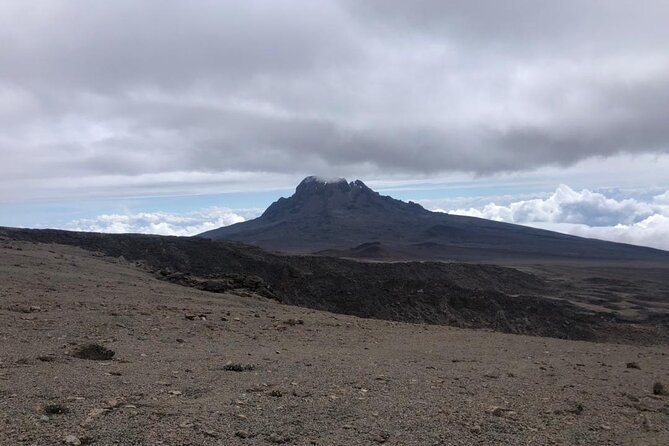
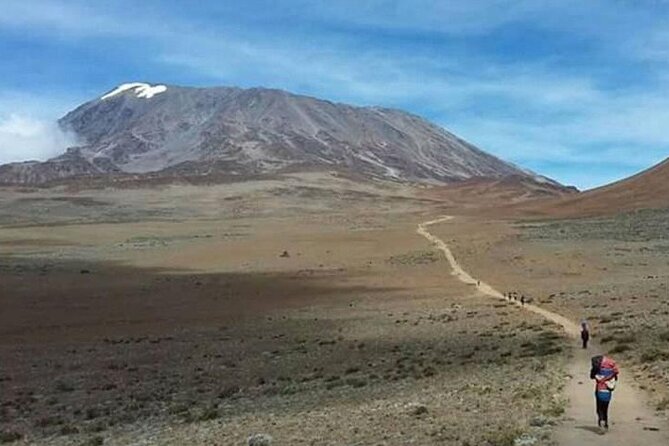
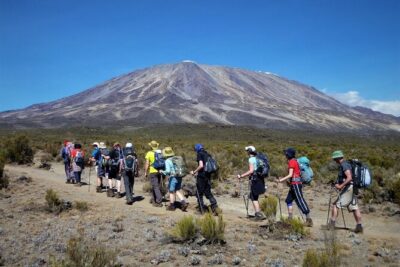
Day four gains about 980 meters and takes six to eight hours. You leave the moorland and cross the broad saddle between Mawenzi and Kibo. The vegetation thins out, and the surroundings become dry, bare, and almost lunar in appearance.
You may begin to feel altitude symptoms here. The trail is not necessarily technical, but breathing becomes harder and every slope takes longer. Your guide will ask you to move slowly. Follow that pace even if you feel strong in the morning.
Kibo Hut is a basic stone-walled shelter with dormitory accommodation and limited facilities. It is the staging point for the summit attempt, so the evening is less about sightseeing and more about eating, organizing clothing, and resting.
The early sunrise start can offer good photographs, but do not let photography steal energy from the next day. At Kibo, you need to prepare for a midnight departure. Keep your warm layers, headlamp, water, snacks, and personal gear easy to reach.
One practical issue deserves attention here: the package information refers both to dormitory huts and to camping facilities. Marangu normally centers on hut accommodation, but you should ask Nyange Adventures what your group will actually use, what mattresses are supplied, and whether a mess tent forms part of your specific departure.
Day 5: The midnight push to Uhuru Peak
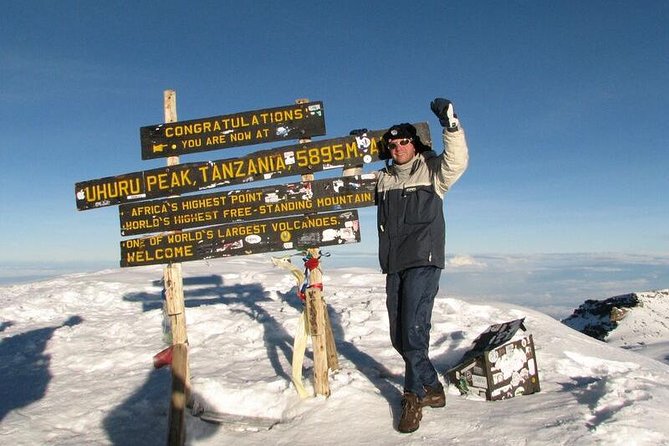
This is the hardest day by a wide margin. You leave just before midnight and climb for six to seven hours toward Uhuru Peak. The route rises 1,295 meters to the summit, then drops about 2,785 meters as you continue toward Horombo Hut.
You climb through heavy stone scree with repeated switchbacks between the Ratzel and Rebmann glaciers. The surface can feel loose and tiring, especially in darkness. The section to Stella Point, at about 5,685 meters, demands patience and mental focus.
From Stella Point, you continue around the crater rim toward Uhuru Peak, the top of Kilimanjaro. The schedule allows time for the summit section, photographs, and the descent. You then walk back toward Horombo, making this a roughly 13-hour day.
The cold can be severe, described in the itinerary as Arctic conditions. Bring properly warm personal gear, since climbing equipment is not included. You are responsible for your own mountain clothing and equipment, and travel insurance is also excluded.
Your guide is especially important now. The company’s past trips have used guides including Musa, Freddy, Benny, Eric, Nicolas, Francis, and Steven, with several described as experienced and careful about instruction, nature, and pacing. Ask who will lead your group and how the team handles a climber who develops serious altitude symptoms.
Reaching Stella Point is not the same as reaching Uhuru Peak, so clarify your goal with the guide. The route description awards certificates at Marangu Gate to successful hikers who reach Stella Point and Uhuru Peak. Either achievement is significant, but they are different points.
Day 6: The long descent through forest
After breakfast, you descend about 1,890 meters through forest to Marangu Gate. The walking time is listed as five to seven hours.
This is the simplest day in terms of route finding, but your legs may be tired after the summit push. Downhill walking can be hard on knees, especially on loose or uneven ground. Trekking poles can help, though personal gear is not provided.
At the gate, successful climbers receive certificates before transport back to your hotel. The planned finish includes a shower, dinner, and a Kilimanjaro beer. That small ritual makes sense after the previous night. You will probably want food, clean clothes, and a bed more than another scenic viewpoint.
The tour includes transport to and from the gate and hotel pickup and drop-off. Pre- and post-climb accommodation and airport transfers are not included, though booking help is available on request. If you are flying in and out of Tanzania, arrange those extra nights and transfers clearly before you arrive.
Meals, sleeping arrangements, and what the price covers
At $2,185.90 per person, this is not a casual day trip, but the price includes many of the expensive parts of a Kilimanjaro climb. Park entry, camping or hut support, forest department fees, rescue fees, government taxes, transport, a guide, meals, drinking water, and an oxygen cylinder are covered.
You receive breakfast, lunch, and dinner during the trek, with the package listing four lunches specifically as well as full board. The food may be basic mountain fare, and you should bring any personal snacks you rely on. Water is included, which reduces one packing concern.
The price also includes five nights of accommodation. That matches the six-day schedule, but confirm whether those nights are all in huts or whether some camping equipment is used. The wording is not perfectly clear.
The biggest extra cost is tipping. Guide, cook, and porter tips are not included. You should also pay for personal mountain clothing and equipment, travel insurance, pre- and post-climb accommodation, and airport transfers if needed.
Group discounts may be available, and a private group can be good value if you are traveling with friends or family. You get a dedicated guide rather than being placed into a large mixed party, and the company can focus on your group’s pace.
How this route compares with a longer Kilimanjaro plan
The six-day Marangu schedule saves money and time. It also gives you a direct route with hut accommodation and one acclimatization day. If your holiday includes a safari or other time in Tanzania, this shorter plan may fit better.
The tradeoff is the compressed altitude profile. You gain height quickly, and summit day is long. I would not choose this route simply because it is advertised as the easiest. Choose it because you prefer a direct trail, want hut-based accommodation, and are comfortable with a demanding summit schedule.
The extra Horombo day improves the plan. It does not remove the risks of altitude or guarantee that you will reach the top. Your fitness should be at least moderate, as the operator states, and you should be prepared for long days rather than a relaxed mountain holiday.
Who should book this climb
This trip suits you if you want a private Kilimanjaro attempt with a clear six-day structure, full-board support, and a guide who can focus on your group. It is especially useful if you value an acclimatization day and want to avoid carrying a personal tent from camp to camp.
It also suits a group of friends who want to share costs and benefit from group discounts. The private format lets you ask questions, set a sensible walking rhythm, and speak openly about how you are feeling.
I would think twice if you want a slow, spacious altitude program or dislike basic dormitory accommodation. The summit day is very long, and the route information leaves some uncertainty about the exact use of huts versus camping facilities.
The company’s service receives a 4.9 rating from 12 listed reviews, with 100 percent recommending it. The strongest praise centers on helpful guides, careful instruction, friendly staff, ethical porter treatment, and smooth organization. A few comments also note occasional delays, which are worth accepting as part of the pace of operations in East Africa.
Practical details before you leave Moshi
Your booking is confirmed at the time of reservation. Pickup is offered, and the stated meeting information lists Kilimanjaro Airport and Kilimanjaro National Park, with an 8:30 am start. Since the tour description also says pickup is from a Moshi hotel or hostel, confirm your exact pickup point and time directly with Nyange Adventures.
Wear layers that can handle warm forest conditions, cold upper slopes, and the freezing summit night. Since personal gear is excluded, ask for a complete equipment list before you travel. Travel insurance is also your responsibility and should cover a mountain climb at Kilimanjaro’s altitude.
The cancellation policy allows a full refund if you cancel at least 24 hours before the local start time. Changes or cancellations inside that window are not accepted for a refund.
Should you book the six-day Marangu climb?
I would book this tour if you want a cost-conscious, private Kilimanjaro climb and you understand that easiest route does not mean easy mountain. The Horombo acclimatization day, full-board support, included park and rescue fees, and ethical team-pay policy add real value.
Before paying, confirm three things: your assigned guide, the exact sleeping arrangement, and the complete personal gear list. If you want more time to adjust to altitude, look for a longer itinerary instead. If six days fits your schedule and you are ready for a very long summit night, this is a practical way to take on Kilimanjaro with a small, dedicated team.
FAQ
How long is the Kilimanjaro Marangu climb?
The experience lasts approximately six days, including the ascent, an acclimatization day at Horombo Hut, the summit attempt, and the descent to Marangu Gate.
Where does the climb start?
The climb starts at Marangu Gate in Kilimanjaro National Park, reached by approximately a 45-minute drive from Moshi.
Is this a private tour?
Yes. Only your group participates, and the tour includes a professional guide.
Is accommodation included?
Yes. Five nights of accommodation are included. The route details describe dormitory-style huts, while the package also lists camping facilities, a tent, mattresses, and a mess tent. Confirm the exact arrangement before booking.
Are meals included?
Yes. The package includes breakfast, lunch, and dinner during the climb, along with drinking water.
Is an acclimatization day included?
Yes. Day three is an extra night at Horombo Hut, with a recommended four to five-hour walk toward Mawenzi Saddle and Zebra Rocks.
Is mountain equipment included?
No. You must bring or rent your personal mountain climbing gear and equipment. Travel insurance is also not included.
Are park fees and transport included?
Yes. Park entry, camping, forest department, rescue fees, government taxes, transport to and from the gate, and hotel pickup and drop-off are included. Pre- and post-climb accommodation and airport transfers are not included.
More Six-Day Trips in Kilimanjaro
- Kilimanjaro climb, Lemosho Route (6-day)
★ 5.0 · 129 reviews - 6 Days Tanzania Classic Safari
★ 5.0 · 52 reviews - The Best of Machame Route in 6 Days: Your World’s Summit Guide
★ 5.0 · 44 reviews - 6 Days Machame Route Kilimanjaro Climbing
★ 5.0 · 42 reviews
Just added around Kilimanjaro
- 6 days Machame route climbing Mt.Kilimanjaro★ 5.0 · 8 reviews
- machame route★ 5.0 · 16 reviews
- Mt Kilimanjaro 6 days Marangu route hike★ 5.0 · 3 reviews
- Private Cycle to Kilimanjaro Bike Park Safari★ 5.0 · 6 reviews
- West Kilimanjaro cycling Adventures★ 4.5 · 8 reviews
- Kilimanjaro Climb • Marangu Route ~ 9 Day★ 5.0 · 4 reviews
- 3 Days Private E-Bike Tour in West Kilimanjaro★ 5.0 · 3 reviews
- Kilimanjaro Climb • Machame Route ~ 10 Day★ 5.0 · 6 reviews
Marangu Route Climbs, compared.
Browse the lists this tour appears in