
Reviewed · MARANGU ROUTE CLIMBS
Kilimanjaro climb, Marangu route (6-day)
Kilimanjaro’s Marangu Route gives you a rare blend of serious high-altitude trekking and fixed hut accommodation. You walk from rainforest to arctic desert, sleep in shared mountain huts, and finish with a night push to Uhuru Peak at 5,895 meters.
I like the built-in acclimatization hikes around Horombo and the strong safety setup, including Wilderness First Responder guides, oxygen, oximeters, and medical checks. I also like that porters, cooks, park fees, meals, and airport transfers are included. The catch is simple: six climbing days is a tight schedule, and summit night is long, cold, and physically demanding.
Key points to know before booking
- Marangu Gate to Uhuru Peak: The route climbs from 1,860 meters to 5,895 meters in six hiking days.
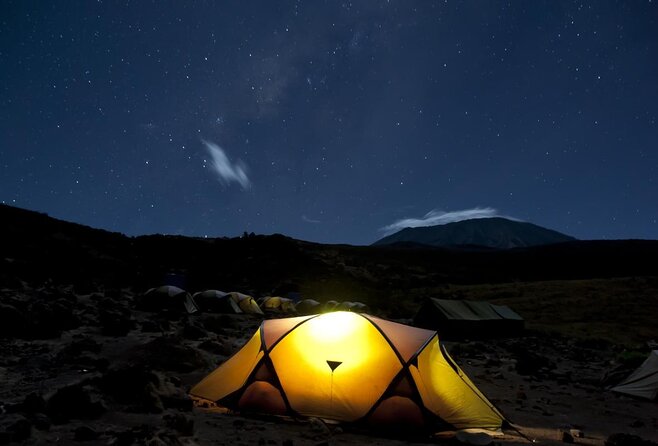
- Huts instead of tents: You sleep in shared huts for 8 to 16 people, as required by park rules.
- A careful support system: Each pair of climbers is accompanied by a guide during the summit push, with medical equipment and oxygen available.
- Food is part of the package: Three meals a day are provided, with vegetarian, vegan, gluten-free, halal, lactose-free, and other plans available.
- The price covers the big costs: At $2,902 per person, the package includes park fees, crew, huts, hotel nights, transport, meals, and group equipment.
- Eight days door to door: The climb itself takes six days, with a hotel night before and after the mountain.
What this Kilimanjaro trip really involves
This is not a casual mountain walk. You need moderate physical fitness, and altitude is the main challenge rather than technical climbing. The route does not require ropes or specialist mountaineering skills, but you still need to handle long walking days, cold conditions, uneven ground, and limited sleep.
The schedule is arranged around a steady climb. You start in Moshi, move through several climate zones, spend time acclimatizing at Horombo, then make the summit attempt from Kibo Hut in the middle of the night.
I appreciate the practical design. The crew carries equipment, cooks meals, supplies drinks, and handles much of the camp work. That lets you focus on walking, eating, resting, and watching your health.
Still, do not mistake support for ease. On summit day, you climb from 4,700 meters to Uhuru Peak and then descend to Horombo. The stated day lasts about 12 hours, and the descent comes after you have already spent the night walking uphill.
More Marangu Route climbs:
- Climbing Kilimanjaro – Marangu Route
★ 5.0 · 65 reviews - Private Full Day Hiking Experience to Marangu Route
★ 5.0 · 61 reviews - From Arusha/Moshi: Kilimanjaro Hike Marangu Route Day Trip
★ 4.5 · 54 reviews
Arrival in Moshi and the first briefing
Your trip begins with pickup at Kilimanjaro International Airport. An Altezza representative takes you to Aishi Machame Hotel, where you have a room, hot water, Internet access, a swimming pool, and breakfast during the hotel stay.
The first evening includes a briefing with the company managers. This is the point to check your clothing, boots, sleeping bag, and other personal gear. The operator provides group equipment, but your own hiking outfit, boots, and sleeping bag are not included. Gear hire is available at an extra cost.
The hotel nights matter more than they might seem. You arrive with a chance to sleep properly before the climb, and you return to a bed after the mountain. Hotel lunch and dinner are not included, and each costs about $15 on average.
The start time is listed as 9:00 a.m. Airport pickup timing will depend on your arrival, but the key point is that transport is arranged rather than left to you.
Day 1: Marangu Gate to Mandara Hut
The first mountain morning begins with a guide and support crew meeting you at the hotel. You drive to Marangu Gate at 1,860 meters, on Kilimanjaro’s eastern side.
There are permits to arrange and registration with the search and rescue service before you begin walking. This administrative pause is normal, but it can make the first day feel slower than expected.
The trail leads through rainforest to Mandara Hut at 2,700 meters. This is one of the most appealing parts of the route because the surroundings change quickly from town and farmland to thick, damp forest.
Rain is highly possible here. Pack your rain jacket where you can reach it, not at the bottom of your bag. Spare clothes also make sense because wet clothing can become a problem once you reach camp.
The walk takes about seven hours. The crew takes care of camp needs, and you sleep in mountain huts rather than carrying a tent and setting it up yourself. Shared hut accommodation is a clear advantage for comfort, though you should expect less privacy than in a hotel.
Days 2 and 3: Horombo Hut and the useful acclimatization walks
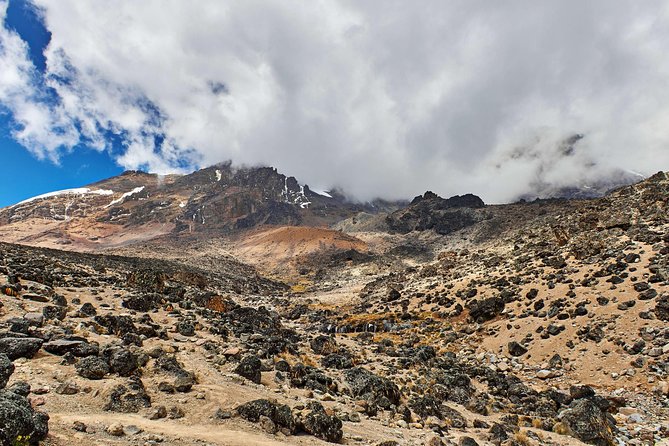
From Mandara, you walk toward Horombo Hut at 3,720 meters. The day takes about eight hours and gives you the first big views of Kibo and Mawenzi, two of Kilimanjaro’s volcanic peaks.
Horombo is important because you spend extra time here rather than rushing higher. After lunch on the first Horombo day, you take an acclimatization walk toward Kibo, gaining about 200 meters before returning to camp.
The next day includes another acclimatization hike toward Kibo Hut and back. The stated walk covers 5 to 8 kilometers and takes three to four hours, reaching about 4,500 meters. After lunch, you can rest, photograph Mawenzi, or sleep before the harder stages.
This extra time is one of the strongest parts of the plan. At altitude, walking high and sleeping lower can help your body adjust. It does not remove the risk of altitude sickness, but it gives you a better chance than a rushed itinerary.
The guides monitor stamina and health throughout the climb. Medical checks are included, along with oximeters, medical kits, and oxygen tanks. Those provisions are reassuring, but oxygen is an emergency resource, not a substitute for proper acclimatization or a willingness to turn around if needed.
More treks and hikes around Kilimanjaro:
- Kilimanjaro climb by Lemosho Route (7-day)
★ 5.0 · 651 reviews - Kilimanjaro climb, Machame Route (7-day)
★ 5.0 · 262 reviews - Kilimanjaro Climbing Lemosho Route 8 Days.
★ 5.0 · 186 reviews - 8-Day Small-group Lemosho Kilimanjaro Summit Trekking
★ 5.0 · 186 reviews
Day 4: Horombo to Kibo Hut
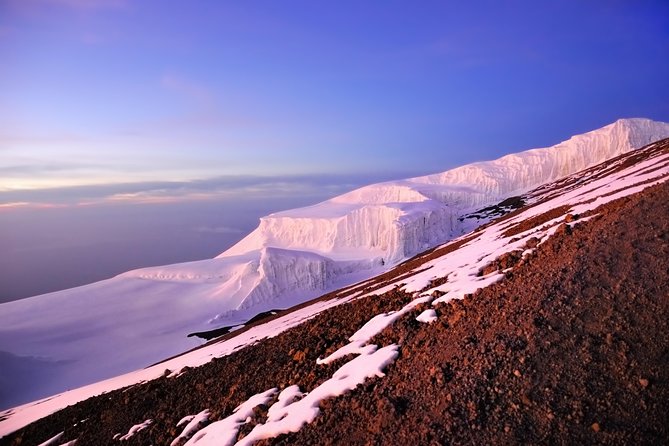
After breakfast, you leave Horombo for Kibo Hut at 4,700 meters. The distance is about 10 kilometers, with a walking time of four to eight hours.
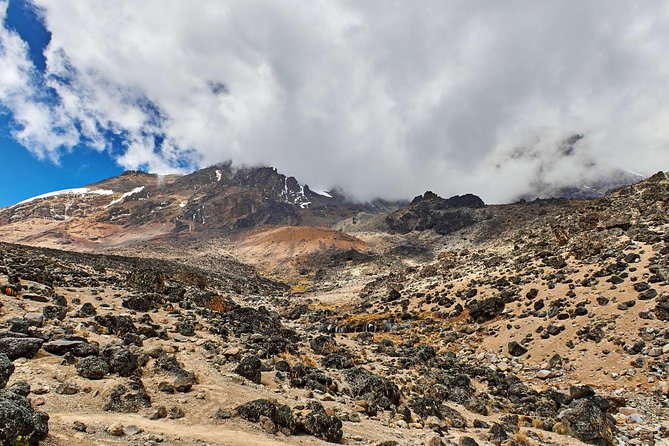
The route moves into a much more exposed, barren zone. The vegetation fades, and the mountain begins to feel severe. The walking itself is described as manageable, but the altitude changes how even a straightforward uphill path feels.
The best advice here is to walk slowly and protect your energy. You need enough strength for the summit night, so do not treat this as a day to prove your speed.
Lunch is served at Kibo Hut. Afterward, the plan is to sleep, drink plenty of water, and avoid strenuous activity. That sounds basic, but it is exactly what you need. The summit attempt starts at night, so a quiet afternoon is part of the climb, not wasted time.
Shared huts are practical, though sleep can be difficult at 4,700 meters. The package includes sleeping mats and group equipment, but you must bring or hire your own sleeping bag.
Day 5: The midnight push to Uhuru Peak
The summit attempt starts at night from Kibo Hut. You climb toward Uhuru Peak, the highest point on Kilimanjaro, at 5,895 meters.
The physical terrain is not presented as technical, but altitude is the serious obstacle. You may be walking in darkness, in cold air, after limited sleep, with the hardest descent still ahead.
A particularly strong safety feature is the guiding arrangement. Each pair of climbers is accompanied by its own guide during the summit section, allowing closer attention to stamina and mental condition.
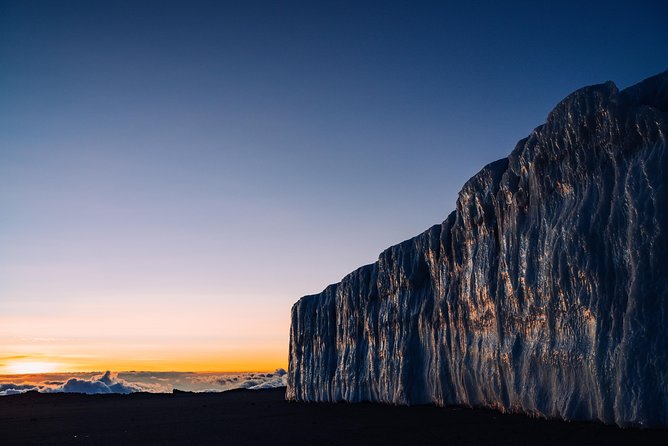
The summit day is listed at about 12 hours. After reaching Uhuru Peak, you can descend to the nearest glacier if conditions and energy allow, then return to Kibo Camp for about two hours of rest. After that, you continue down to Horombo Hut at 3,720 meters.
That final descent is easy to underestimate. The operator notes that most accidents happen while descending, when tired legs and loose ground create trouble. Take your time, use trekking poles if you have them, and listen closely to your guide.
Reaching the summit is the obvious goal, but a safe turnaround is still a successful mountain decision. The guides’ job is not simply to push you upward. It is to get you back down safely.
Day 6: Returning to Marangu Gate
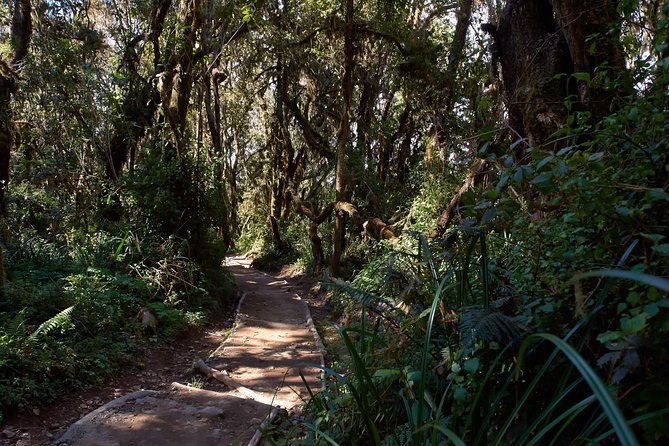
After a warm breakfast at Horombo, you walk down to Marangu Gate at 1,860 meters. The descent covers about 18 kilometers and takes five to six hours.
This is a long walk after the summit effort, but the lower altitude should make breathing easier. The rainforest returns as you lose elevation, giving the final section a softer feel than the high, dry slopes above Kibo.
At the gate, the group gathers for congratulations, and you can write in the guestbook. Commemorative certificates are presented at the company office, followed by transport back to the hotel.
That hotel night is a welcome part of the package. You get a shower, a real bed, and time to recover before your flight or any onward plans.
Food, huts, porters, and the support crew
The support system is a major part of the $2,902 price. Porters carry equipment, cooks prepare meals, and guides lead the walking and monitor your condition.
You receive breakfast, lunch, and dinner on the mountain, with tea, coffee, juices, soda, and other drinks. Meals are intended to be filling and energy-rich, and dietary plans include vegetarian, vegan, lactose-free, gluten-free, halal, and other requirements.
That flexibility is useful because eating enough at altitude can be hard. Tell the company about your diet before arrival, not at the first camp.
The huts are shared under national park rules, with 8 to 16 people per hut. You are not camping in a private tent, and you should be comfortable with communal sleeping arrangements.
The equipment package includes sleeping mats, chairs, crockery, and cutlery. It does not include your complete personal kit. Bring suitable boots, layered clothing, rainwear, gloves, a warm hat, and a sleeping bag, or arrange rentals before setting off.
Past clients have singled out small comforts such as hot water bottles, extra drinks, and attentive help on the descent. Those details can make a cold, tiring day feel much more manageable, but they should be viewed as examples of the support style rather than guaranteed personal requests.
The guides and the human side of the climb
The company uses certified Wilderness First Responder guides. That qualification matters on Kilimanjaro because the biggest risk is medical rather than technical. Your guide needs to spot changing symptoms, make sensible decisions, and communicate clearly when someone is struggling.
Names that have received particular praise include Rashid and Charles, as well as Justin and Joseph. You cannot assume a particular guide will be assigned to your departure, but you can ask the operator about the guide team before booking.
The strongest pattern in the feedback is attentive care from guides and porters. Families with children aged 11 and 16 completed the route with support from Rashid and Charles, and one climber described reaching the top as impossible without the full crew. Such accounts point to the value of encouragement, but they do not make the route easy or remove the need for preparation.
The operator describes this as a private activity for your group, while the mountain huts remain shared according to park rules. Clarify the exact group arrangement before booking if you want a private guide team or a specific number of companions.
Is $2,902 good value?
At $2,902 per person, this is a substantial trip cost, but the price covers many expenses that can add up quickly. Included are airport transfers, ground transport, two hotel nights, hut accommodation, national park fees, guides, porters, cooks, meals, drinks, medical supplies, and group equipment.
You still need to budget for international flights, a Tanzanian visa, insurance, personal gear, hotel lunch and dinner, and crew tips. Most nationalities pay $50 for a visa at Kilimanjaro International Airport, while US passport holders pay $100.
Insurance should cover mountain trekking. Standard travel insurance may not be enough, so check the wording before you leave home.
I see the value here in the organization. You are paying for a full support operation, not simply a guide who walks at the front. The main question is not just cost. It is whether you want the convenience of arranged transport, meals, park fees, hut bookings, medical support, and a professional crew in one package.
Who should book this climb?
This trip suits you if you want Kilimanjaro without tent camping and prefer a structured schedule. It is also a good fit if you value strong food support, clear transfers, and guides who monitor health closely.
It suits active adults and families with a moderate fitness base, provided everyone understands the altitude and long summit day. The reported family success is encouraging, but age alone does not determine readiness.
Think twice if you need private rooms, dislike shared sleeping spaces, or want a slower acclimatization schedule. A six-day route is efficient, but a longer climb can offer more time for adjustment. You should also be ready for rain in the forest, cold at high camp, and a demanding descent after the summit.
The cancellation policy allows a full refund when you cancel at least 24 hours before the start time. Changes or cancellations inside that window are not accepted for a refund.
Should you book the Altezza Marangu Route climb?
I would choose this trip if you want a well-supported Kilimanjaro attempt with huts, a hotel before and after, and most major costs handled in advance. The acclimatization hikes, medical checks, food choices, and one-guide-per-pair summit support give it a careful structure.
I would not choose it simply because six days sounds quick or because a high summit rating makes success seem guaranteed. Prepare your body, buy suitable insurance, sort out personal gear, and accept that the mountain makes the final decision.
If those terms suit you, this is a practical and strongly supported way to reach Uhuru Peak while experiencing Kilimanjaro’s changing climate zones from rainforest to arctic desert.
FAQ
How long is the full Kilimanjaro experience?
The full program lasts about eight days. You spend one day arriving and preparing, six days climbing the Marangu Route, and one final day resting at the hotel and transferring to the airport.
How high is Uhuru Peak?
Uhuru Peak is 5,895 meters above sea level.
Where does the climb begin?
The mountain section begins at Marangu Gate, at an elevation of 1,860 meters.
Do I sleep in tents or huts?
You sleep in huts on Kilimanjaro. The huts are shared, with 8 to 16 people per hut according to national park rules.
Are airport transfers included?
Yes. Pickup and drop-off at Kilimanjaro International Airport are included, along with ground transportation during the program.
Are meals included?
Breakfast, lunch, and dinner on the mountain are included. The package provides seven breakfasts, six lunches, and five dinners, plus drinks during the climb.
Can dietary requirements be accommodated?
Yes. Vegetarian, vegan, lactose-free, gluten-free, halal, and other meal plans are available.
Are park fees included?
Yes. Fees collected by Kilimanjaro National Park are included in the price.
Do I need to bring my own mountain gear?
Yes. Personal equipment such as hiking clothing, boots, and a sleeping bag is not included. Gear is available for hire.
Is travel insurance included?
No. Insurance is not included, and coverage for mountain trekking is strongly recommended.
What fitness level is required?
You should have a moderate level of physical fitness. The trip includes long hiking days, a night summit attempt, high altitude, and a lengthy descent after reaching Uhuru Peak.
What is included at the hotel?
The two hotel nights include a room for two people, breakfast, hot water, Internet access, and access to a swimming pool. Single accommodation costs extra, and hotel lunch and dinner are not included.
More Six-Day Trips in Kilimanjaro
- Kilimanjaro climb, Lemosho Route (6-day)
★ 5.0 · 129 reviews - 6 Days Tanzania Classic Safari
★ 5.0 · 52 reviews - The Best of Machame Route in 6 Days: Your World’s Summit Guide
★ 5.0 · 44 reviews - 6 Days Machame Route Kilimanjaro Climbing
★ 5.0 · 42 reviews
Just added around Kilimanjaro
- 6 days Machame route climbing Mt.Kilimanjaro★ 5.0 · 8 reviews
- machame route★ 5.0 · 16 reviews
- Mt Kilimanjaro 6 days Marangu route hike★ 5.0 · 3 reviews
- Private Cycle to Kilimanjaro Bike Park Safari★ 5.0 · 6 reviews
- West Kilimanjaro cycling Adventures★ 4.5 · 8 reviews
- Kilimanjaro Climb • Marangu Route ~ 9 Day★ 5.0 · 4 reviews
- 3 Days Private E-Bike Tour in West Kilimanjaro★ 5.0 · 3 reviews
- Kilimanjaro Climb • Machame Route ~ 10 Day★ 5.0 · 6 reviews
Marangu Route Climbs, compared.
Private Full Day Hiking Experience to Marangu Route
Read our review →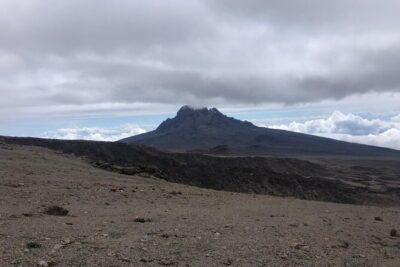
Browse the lists this tour appears in