
Reviewed · LEMOSHO ROUTE CLIMBS
Kilimanjaro climb, Lemosho Route (6-day)
Kilimanjaro’s Lemosho Route gives you a strong mix of scenery and altitude training, beginning near the western side of the mountain and crossing the Shira Plateau before joining the southern trails. A high vehicle drop-off shortens the first walking day, while the route still takes you through several climate zones, from forest to alpine desert and icy summit terrain.
I like the built-in acclimatization pattern, especially the climb to Lava Tower followed by a descent to Barranco Camp. I also like the practical support: hot meals, a dedicated kitchen crew, medical checks, oxygen, oximeters, and guides trained as Wilderness First Responders. The main consideration is time. Six mountain days is demanding, and the summit attempt begins at night after sleeping at high altitude.
Key things to know before you book
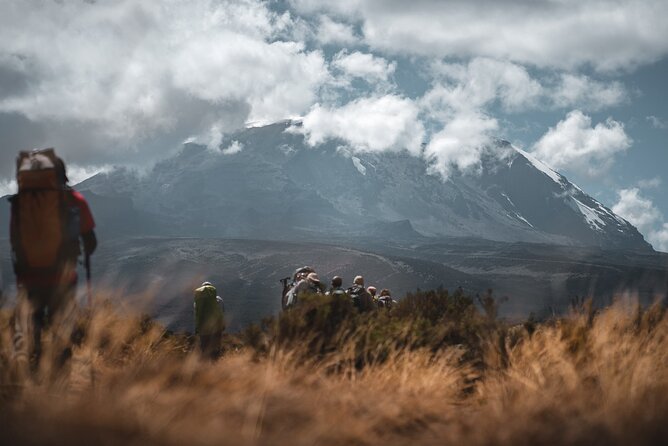
- The first high drop-off reaches about 3,500 meters, giving you early views of the Shira Plateau.
- Lava Tower at 4,630 meters is used for acclimatization before you sleep lower at Barranco Camp.
- The Uhuru Peak summit attempt starts at night from Barafu Camp and reaches 5,895 meters.
- A personal guide accompanies each pair of climbers during the summit ascent, according to the tour details.
- North Face VE-25 tents, cooks, porters, hot meals, drinks, and park fees are included.
- The $3,034 price covers a lot, but you still need flights, visa, insurance, personal gear, and crew tips.
What this Kilimanjaro climb really includes
This is an eight-day package built around a six-day climb. You arrive at Kilimanjaro International Airport, spend a night at Aishi Machame Hotel, climb for six days, return to the hotel after descending, and leave Tanzania on the final day.
The price is $3,034 per person. That is not a small sum, but it includes much more than guiding. Airport pickup and drop-off, ground transport, two hotel nights, Kilimanjaro National Park fees, mountain tents, sleeping pads, dining equipment, three meals a day on the mountain, drinks, porters, cooks, medical supplies, and oxygen are all part of the package.
I see the main value in the logistics. You are not arranging separate permits, vehicles, camp equipment, food, or porter support. The team also sets up camp ahead of you, which matters after a long day at altitude. You still need to budget for flights, a visa, mountain clothing, boots, a sleeping bag, insurance, hotel lunches and dinners, and optional tips.
The hotel stay includes breakfast, but not lunch or dinner. Those meals cost about $15 each at the hotel. Single accommodation in the hotel or tent costs extra, while the standard arrangement places two people in a room and two hikers in a tent.
More Lemosho Route climbs:
- Kilimanjaro climb by Lemosho Route (7-day)
★ 5.0 · 651 reviews - Kilimanjaro Climbing Lemosho Route 8 Days.
★ 5.0 · 186 reviews - 8-Day Small-group Lemosho Kilimanjaro Summit Trekking
★ 5.0 · 186 reviews
Day 1: Airport pickup and the Moshi briefing
Your first day begins with pickup at Kilimanjaro International Airport. An Altezza Travel representative meets you and takes you to Aishi Machame Hotel, where you can settle into a room with hot water, internet access, a swimming pool, and staff support.
Hotel check-in begins at 2:00 PM. In the evening, managers hold a briefing and check that you are ready for the climb. This is a useful buffer day, especially if your flight arrives late or your baggage takes time to appear.
Do not treat this night as spare time to fill with a long outing. You are better off resting, sorting your equipment, and asking questions about the next morning. The package provides the airport transfer and hotel night, but your hotel lunch and dinner are extra.
Day 2: Londorossi Gate and the Shira Plateau
The climbing crew meets you at the hotel in the morning. From there, you drive for roughly three to four hours to Londorossi Gate, the western entrance to Kilimanjaro National Park, at about 2,200 meters.
There is a short administrative stop for permits and registration with the search and rescue service. You then continue by off-road vehicle to a drop-off point near 3,500 meters. This is one of the route’s unusual features. Instead of starting from a lower trailhead and spending a full day walking through the forest, you begin high on the mountain.
From the drop-off point, you hike toward Shira 2 Camp at about 3,900 meters. The walking is described as moderate, with a steady altitude gain and broad views across the Shira Plateau. This day is not the hardest physically, but the early jump in elevation deserves respect.
The benefit is time and scenery. The drawback is that you gain altitude quickly, so you need to walk slowly and report headaches, nausea, dizziness, or unusual tiredness to your guide. The group is private, meaning only your own party participates, but the number of people in that party is not specified.
Day 3: Lava Tower, lunch at altitude, and Barranco Wall
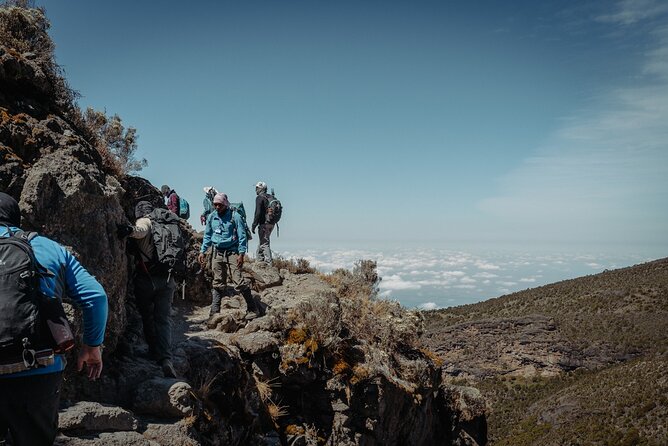
Day three is the key acclimatization day. You leave Shira 2 after breakfast and climb toward Lava Tower at 4,630 meters. The route includes repeated ascents and descents, so your legs get a serious workout even before summit week.
The plan is to spend at least one to two hours at Lava Tower, where lunch is served. You may feel discomfort at this height. That is part of the purpose, but it is not something to ignore. Medical checks are carried out during the trip, and the guides have oximeters, medical kits, and oxygen.
After lunch, you descend to Barranco Camp at about 3,960 meters. This is classic Kilimanjaro strategy: climb high during the day, then sleep lower. The descent also brings you to one of the most memorable sights on the route, the Barranco Wall.
The wall looks steep and imposing, but the trail is described as straightforward. You will climb it the next morning. This is a long day of around eight hours, and the repeated uphill and downhill sections can feel harder than the distance suggests.
More treks and hikes around Kilimanjaro:
- Kilimanjaro climb, Machame Route (7-day)
★ 5.0 · 262 reviews - Climbing Kilimanjaro – Machame Route
★ 5.0 · 170 reviews - Climbing Kilimanjaro through 7 days Machame Route
★ 5.0 · 151 reviews - Kilimanjaro climb, Lemosho Route (8-day)
★ 5.0 · 148 reviews
Day 4: Barranco Wall and the route to Karanga
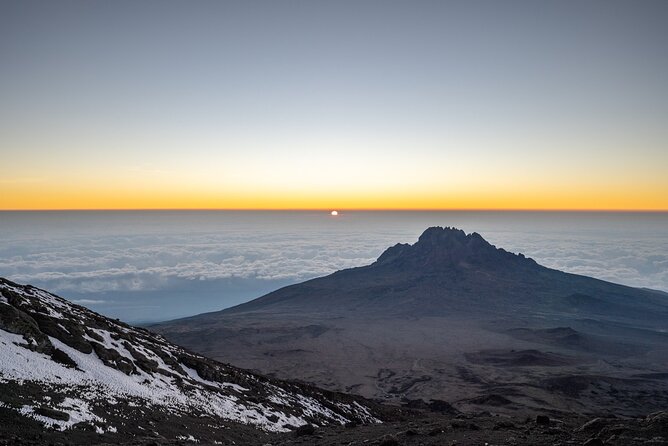
You begin early to climb Barranco Wall before the trail becomes crowded with other groups. The ascent takes about an hour and is more of a hands-on mountain path than a technical climb. According to the route plan, the guides choose a pace that fits the group.
At the top, you have time to rest and take photos with Kibo, Kilimanjaro’s main volcanic cone, ahead of you. The route then continues toward Karanga Camp at roughly 4,035 meters.
This section has many ups and downs. It is not simply a march from one camp to the next. You gain and lose height several times, which can be tiring when your body is already adjusting to thin air.
At Karanga, you receive a warm lunch. Later, you complete an acclimatization walk toward Barafu Camp before returning to sleep at Karanga. I like this arrangement because it gives you another chance to walk higher without committing to a high-altitude overnight stay too soon.
Day 5: Barafu Camp and preparation for the summit
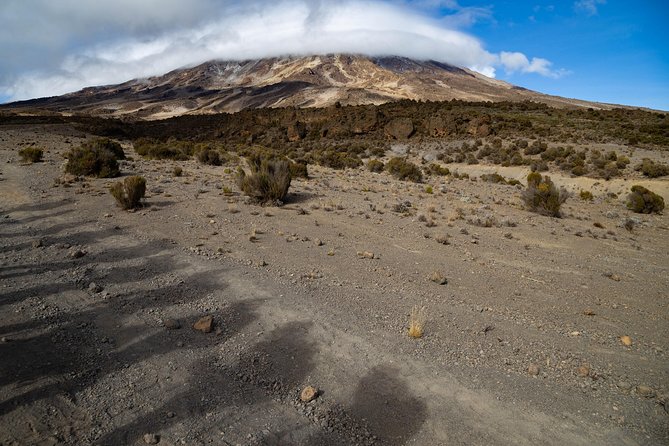
After breakfast, you hike from Karanga to Barafu Summit Camp at 4,640 meters. Barafu is the launch point for the night ascent to Uhuru Peak.
The crew prepares the tent and sleeping bags before you arrive, allowing you to focus on eating and resting. You also complete a short acclimatization hike toward Kosovo Summit Camp at approximately 4,800 meters, then return to Barafu for a hot dinner.
The schedule looks simple on paper, but this is when conserving energy matters. You have a night climb ahead, and the best use of the afternoon is rest. The camp is high, exposed, and not a place for casual wandering.
The route description gives this day about seven hours of trekking, including the acclimatization walk. Your body may not feel ready to sleep in the afternoon, but you should make the effort. The summit departure is scheduled for nighttime, so this day follows an unusual rhythm.
Day 6: The night climb to Uhuru Peak
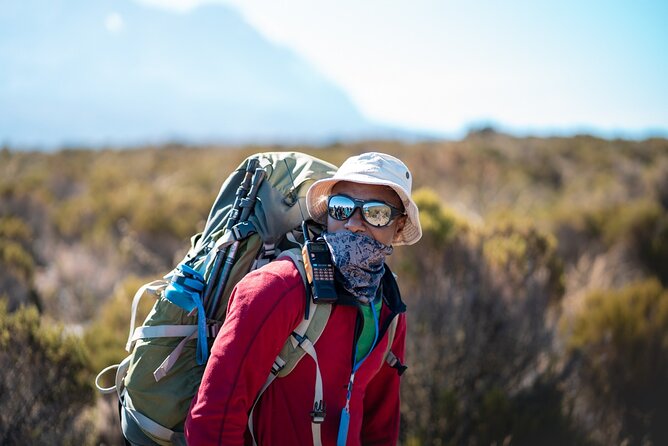
The summit attempt begins at night from Barafu Camp. The climb to Uhuru Peak at 5,895 meters is not technically complex, but altitude makes it the hardest part of the trip.
You climb in darkness, reaching the crater area and then continuing toward Uhuru Peak. Each pair of climbers receives a personal guide for the ascent, with attention paid to physical and mental condition. That close support is one of the stronger safety features of this package.
If conditions allow and you want to do so, you can descend to the nearest glacier after reaching the summit. This is optional, and the summit day is already long. You then return to Barafu Camp, rest for about two hours, and continue down to Millennium Camp at 3,820 meters.
The total day is listed at about 12 hours. That figure includes the summit effort, the return to Barafu, the rest period, and the descent to Millennium Camp. It is a major physical demand, even for fit hikers.
Pay close attention on the way down. Fatigue, loose ground, and tired feet make descending risky. The tour information specifically warns that most accidents occur during the descent, including broken arms and legs. Move carefully, listen to your guide, and do not rush simply because you have reached the top.
Day 7: Rainforest descent and the return to Moshi
You wake at Millennium Camp in the tropical rainforest, far below the summit. The drop in altitude should bring relief, though your legs may be very tired.
After breakfast, you descend to Mweka Gate at 1,640 meters. The walk is about 12 kilometers and takes four to five hours. The scenery changes quickly as you leave the high mountain behind and return to forest.
At the gate, the group gathers to mark the finish. You can write in the guestbook, receive a commemorative certificate, and transfer back to the hotel. This return to a proper bed, hot water, and hotel facilities is part of the package and makes the final day feel less abrupt.
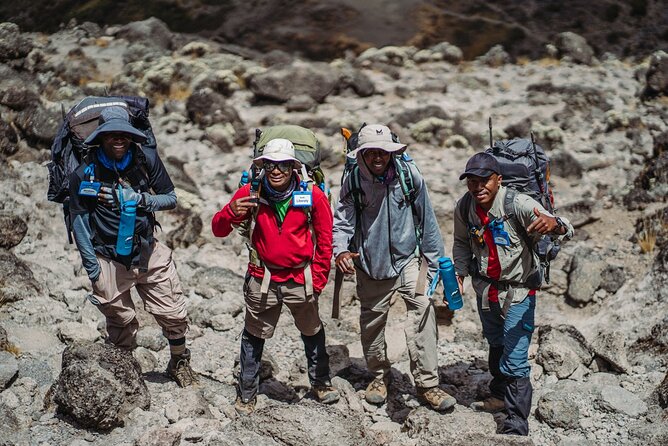
This is also when you can properly assess the support team. The named guides and crew members praised in the supplied comments include Stanford, Balthazar, Phillipo, Ayubo, Frank, Hance, Lema, Israel, Jonas, Othman, Emmanuel, Innocent, Eliakim, Joseph, Michael, Mwara, Aggrey, Richard, and Athumani Omary Goigoi. Staff assignments can vary, so do not assume a particular guide will lead your group.
Day 8: Final hotel morning and airport transfer
The last day is for rest at Aishi Machame Hotel and transfer to the airport. Hotel checkout is at 11:00 AM.
If your flight leaves in the evening, a late checkout is available for an extra fee. Confirm that cost before you need the room. Airport drop-off is included, but your international airfare is not.
Food, tents, and the human side of the climb
The food plan is a major practical strength. You receive three meals a day on the mountain, with choices for each meal, plus tea, coffee, juices, soda, and other drinks. Vegetarian, vegan, lactose-free, gluten-free, halal, and other meal plans are available.
A cook prepares meals in the mountain kitchen, and the crew serves them in a dining tent with tables, chairs, crockery, and cutlery. The package includes five lunches, five dinners, and seven breakfasts. Hotel meals are different: breakfast is included, but lunch and dinner cost extra.
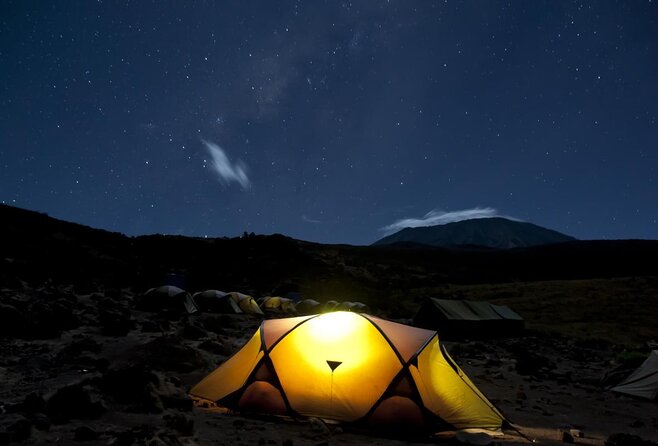
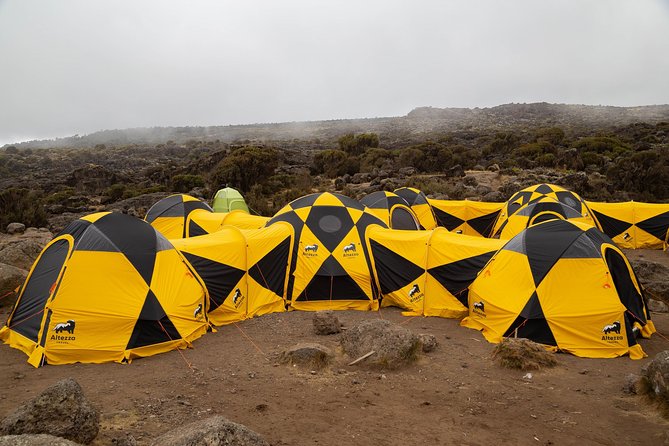
You sleep in North Face VE-25 tents, with two hikers per tent under the standard arrangement. The crew also provides sleeping pads, but your personal sleeping bag is not included. Sleeping bags are available for hire, as are other personal items, but the supplied details do not give rental prices.
The human support is central to the experience. Porters carry equipment, camp masters handle setup, and cooks keep meals coming. Several accounts describe singing and dancing around camp, along with strong personal support from the guides. That does not remove the hard work, but it can make a cold, tiring evening feel more social.
Safety, fitness, and what you still need to arrange
You need a moderate level of physical fitness. This is not a technical mountaineering course, but the daily walks, altitude, night summit, and long descent are serious. The Barranco Wall is not presented as a technical climb, yet you still need steady footing and comfort with uneven trails.
Guides are certified Wilderness First Responders. Medical checkups take place during the climb, and the crew carries oxygen tanks, oximeters, and medical kits. These measures are reassuring, but they cannot guarantee a summit or remove the risks of altitude.
You must arrange mountain insurance that covers trekking activities. You also need personal hiking clothes, boots, and a sleeping bag. A Tanzanian visa is not included. Most nationalities can obtain one at Kilimanjaro International Airport for $50, while US passport holders pay $100.
The cancellation terms are generous before the deadline. You can cancel at least 24 hours before the local start time for a full refund. Inside that 24-hour window, changes and refunds are not accepted.
Who should book this Lemosho climb?
I would choose this trip if you want a professionally managed Kilimanjaro climb and value support more than a stripped-down budget. It suits someone who wants airport transfers, hotel nights, park permits, mountain food, tents, medical equipment, porters, and a private group without arranging each part alone.
It is also a good fit if you want the Lemosho route’s varied scenery and acclimatization pattern, but you should be honest about the six-day mountain schedule. More time on the mountain can give some people a gentler pace, while this plan moves efficiently from the high drop-off to the summit.
I would think twice if you dislike shared tents, night hiking, or group decisions about pace. You should also allow room in your budget for gear hire, insurance, visa costs, hotel meals, and tips.
Should you book it?
Book this Lemosho climb if you want a well-supported attempt at Uhuru Peak and are comfortable with a demanding six-day ascent. The strongest reasons are the high-quality camp setup, included meals and park fees, structured acclimatization, medical monitoring, and close guide support on summit night.
Before paying, confirm the gear rental costs, single supplement, crew tipping guidance, meal requirements, and the exact size of your private group. If you arrive fit, bring proper mountain clothing, and treat altitude symptoms seriously, this package offers a practical way to take on Kilimanjaro without managing the mountain logistics yourself.
FAQ
How long is the full experience?
The full package lasts about eight days, including hotel nights before and after the climb. The mountain portion takes six days.
Where does the experience begin?
The experience begins with pickup at Kilimanjaro International Airport in Tanzania. The listed meeting time is 9:00 AM.
Is airport transportation included?
Yes. Pickup and drop-off at Kilimanjaro International Airport, along with all ground transportation, are included.
How much does the experience cost?
The listed price is $3,034 per person.
Are Kilimanjaro National Park fees included?
Yes. All fees collected by Kilimanjaro National Park are included.
Are meals included?
Mountain meals are included, with five lunches, five dinners, and seven breakfasts. Drinks such as tea, coffee, juices, and soda are also included. Hotel lunch and dinner are not included.
What kind of accommodation is provided?
You receive two nights at Aishi Machame Hotel, normally sharing a room with one other person. On the mountain, two hikers normally share a North Face VE-25 tent.
Is personal hiking equipment included?
No. Your hiking clothing, boots, sleeping bag, and other personal equipment are not included, though equipment is available for hire.
Is medical support provided?
Yes. The crew includes Wilderness First Responder guides and carries medical kits, oxygen tanks, and oximeters. Medical checkups are also conducted during the climb.
Can I cancel for a refund?
You can cancel at least 24 hours before the local start time for a full refund. Cancellations or changes made less than 24 hours before the start time are not accepted.
More Six-Day Trips in Kilimanjaro
- Kilimanjaro climb, Marangu route (6-day)
★ 5.0 · 72 reviews - 6 Days Tanzania Classic Safari
★ 5.0 · 52 reviews - The Best of Machame Route in 6 Days: Your World’s Summit Guide
★ 5.0 · 44 reviews - 6 Days Machame Route Kilimanjaro Climbing
★ 5.0 · 42 reviews
Just added around Kilimanjaro
- 6 days Machame route climbing Mt.Kilimanjaro★ 5.0 · 8 reviews
- machame route★ 5.0 · 16 reviews
- Mt Kilimanjaro 6 days Marangu route hike★ 5.0 · 3 reviews
- Private Cycle to Kilimanjaro Bike Park Safari★ 5.0 · 6 reviews
- West Kilimanjaro cycling Adventures★ 4.5 · 8 reviews
- Kilimanjaro Climb • Marangu Route ~ 9 Day★ 5.0 · 4 reviews
- 3 Days Private E-Bike Tour in West Kilimanjaro★ 5.0 · 3 reviews
- Kilimanjaro Climb & Safari – Lemosho Route – 13 Day★ 5.0 · 10 reviews