
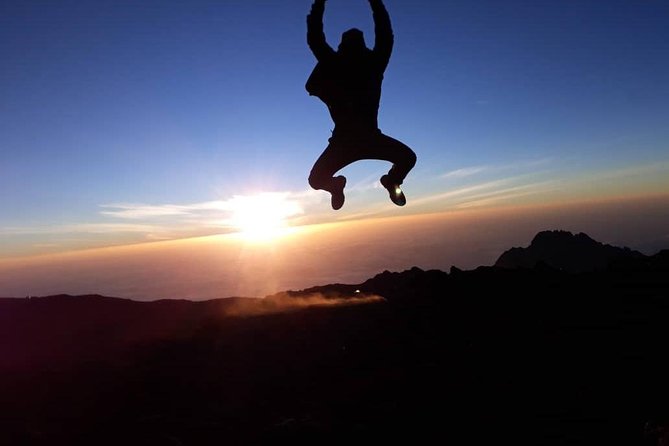
Reviewed · MACHAME ROUTE CLIMBS
Climbing Kilimanjaro – Machame Route
The Machame Route gives you Kilimanjaro in fast-changing scenes: rainforest, moorland, high volcanic desert, ice, and a sunrise above the clouds. The big appeal is that porters and cooks handle the camp work, so you can save your energy for walking and altitude.
I like the route’s scenic variety and the careful support built into the price. Pulse oximeters, rescue fees, boiled water, meals, tents, airport transfers, and two hotel nights are included. The drawback is simple: six days is a hard schedule, especially because Day 4 is long and summit night begins around midnight.
Key points to know before you book
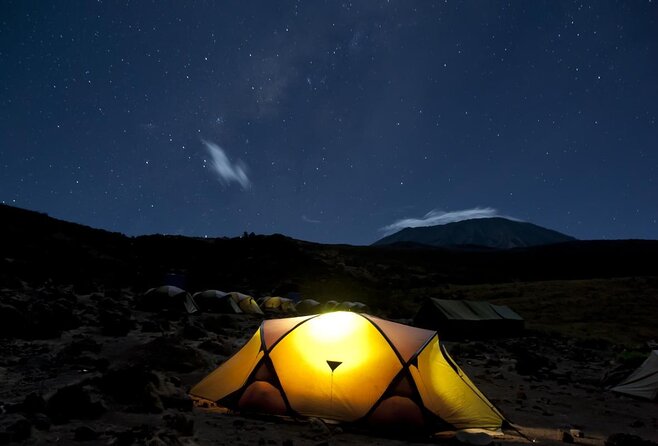
- The Machame Route reaches 5,895 meters: You climb to Uhuru Peak after a demanding night from Barafu Camp.
- Day 3 helps with altitude: You climb to Lava Tower at 4,630 meters, then descend to Barranco Camp to sleep lower.
- The six-day plan is tough: You have little spare time before the summit push, so fitness and pacing matter.
- Camp support is extensive: Porters carry supplies, a cook prepares three meals, and a mess tent provides a place to eat.
- The group limit is 12 people: You receive a mobile ticket and pickup is offered, with transportation from Moshi included.
- A certificate marks your result: Uhuru Peak earns a gold certificate, while Stella Point earns a green certificate.
What the $2,322.06 price really covers
At $2,322.06 per person, this is not a cheap mountain walk. It is a full expedition package, though, not simply a guided hike. The price includes national park fees, rescue fees, return transport between Moshi and the mountain, airport transfers from Kilimanjaro International Airport, tents, mattresses, meals, boiled water, and the mountain crew.
You also receive two nights at Springlands Hotel in Moshi, one before and one after the climb. That matters more than it may sound. The pre-climb night gives you a base for the briefing and equipment preparation, while the final night gives you a bed, a hot shower, and time to recover after the descent.
The crew includes guides, porters, a cook, and a waiter. A dining tent, small camping chairs, tables, crockery, and cutlery are supplied. This turns camp into more than a sleeping stop. You can sit down for meals instead of balancing food on your knees inside a cramped tent.
The price does not include your climbing gear, visas, personal items, drinks and meals outside the stated plan, single-room supplements at the hotel, extra nights, or tips. Emergency oxygen is also excluded. Build those costs into your budget before you compare this climb with a cheaper-looking option.
The strongest value comes from the amount of work handled for you. You still carry a daypack and walk long hours, but the heavy camp equipment and food logistics are assigned to the crew. I would judge the price as reasonable for a supported Kilimanjaro climb, provided you arrive prepared and understand that gratuities and gear are extra.
More Machame Route climbs:
- Kilimanjaro climb, Machame Route (7-day)
★ 5.0 · 262 reviews - Climbing Kilimanjaro through 7 days Machame Route
★ 5.0 · 151 reviews - 7-Day Machame Kilimanjaro Summit Tour from Arusha
★ 5.0 · 125 reviews
Day 1: Machame Gate to Machame Camp through rainforest
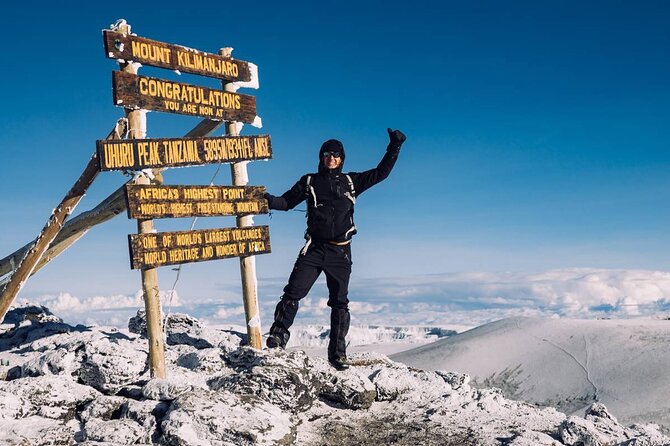
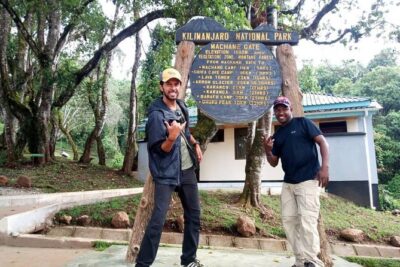
The morning begins with a briefing, breakfast, and a drive of about 45 minutes from Moshi to Machame village. Guides and porters sort and pack the supplies there. If the road is in good condition, the vehicle may continue toward the gate. If not, you walk the muddy three kilometers from the village, which can take about an hour.
After registration at Machame Gate, you enter the montane forest. The day covers about 18 kilometers and takes roughly seven hours, with Machame Camp at 2,980 meters. This is a long opening day, but the forest gives you shade and a gradual introduction to the mountain.
A packed lunch is provided at the gate. You can also buy drinks there, according to the tour details, so this is a useful point to check your water and snack supply before moving into the forest.
The main challenge is the combination of distance, mud, and excitement. Do not mistake a lower altitude for an easy day. You need to begin at a steady pace, keep your feet dry where possible, and avoid spending all your energy early.
Day 2: Moorland and the open Shira Plateau
From Machame Camp, the path climbs out of the forest and into moorland. The day is about nine kilometers and around six to seven hours of walking, ending at Shira Camp at 3,840 meters.
The first hour or so is steeper. After that, the grade eases for about two hours before the route crosses a rocky ridge toward the Shira Plateau. The views open up here, with Kibo and the Western Breach visible in the distance. This is one of the first moments when Kilimanjaro feels like a high mountain rather than a forest hike.
Shira Camp is exposed, and the cold becomes more serious. Temperatures can fall well below freezing at night. The crew boils water for drinking and washing, then serves dinner. You should have warm layers ready before the sun goes down, rather than waiting until you are cold.
I like this day because it changes the character of the climb quickly. You leave behind the enclosed forest and begin walking through broad, spare high-altitude country. The tradeoff is comfort. Wind and cold can make a shorter walking day feel demanding.
Day 3: Lava Tower, altitude practice, and Barranco Camp
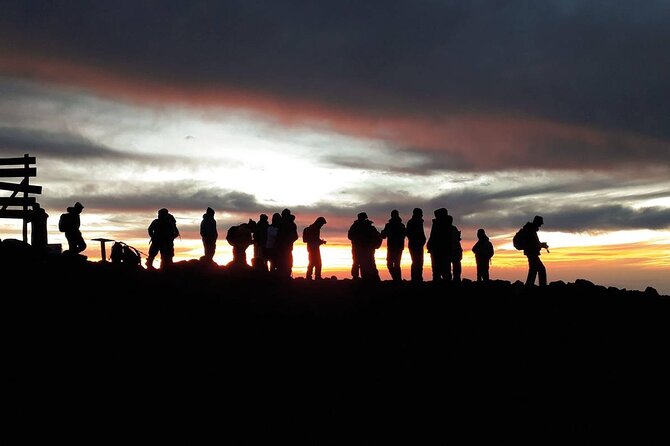
Day 3 is the route’s key altitude day. You walk about 15 kilometers, taking roughly seven hours, from Shira to Lava Tower at 4,630 meters and then down to Barranco Camp at 3,950 meters.
The route turns east through a semi-desert zone of rock and volcanic scree. The climb to Lava Tower takes about five hours, followed by lunch near the tower. At this point, you may notice breathlessness, a headache, or irritability. Those symptoms should be reported to your guide, not brushed aside.
The value of this stage is the climb high and sleep lower pattern. You reach a much higher point during the day, then descend nearly 680 meters to Barranco. This gives your body time at altitude without making you sleep at the highest point reached.
The descent leads to one of the route’s most memorable settings. Barranco Camp sits beneath the great Barranco Wall, which often appears through mist and shifting cloud. The scenery feels raw and dramatic, but the day can be tiring because the route gains and loses altitude rather than simply moving upward.
Take this day slowly. Drink the boiled water supplied by the crew, eat even if your appetite is poor, and tell the guide how you feel. Guides such as Salim, Yesse Lema, Julius, and Godlisten have been praised for close support and mountain leadership, though the exact guide assigned to you is not specified in advance.
More treks and hikes around Kilimanjaro:
- Kilimanjaro climb by Lemosho Route (7-day)
★ 5.0 · 651 reviews - 8-Day Small-group Lemosho Kilimanjaro Summit Trekking
★ 5.0 · 186 reviews - Kilimanjaro Climbing Lemosho Route 8 Days.
★ 5.0 · 186 reviews - Kilimanjaro climb, Lemosho Route (8-day)
★ 5.0 · 148 reviews
Day 4: Barranco Wall, Karanga Valley, and Barafu Camp
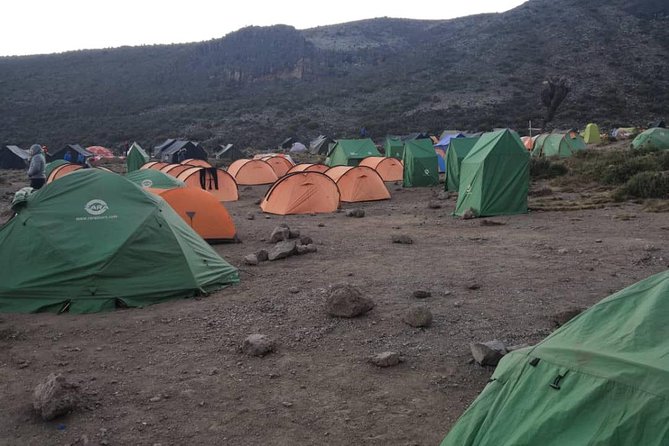
Day 4 carries you from Barranco toward Karanga Valley and then on to Barafu Camp, at about 4,550 meters. The walking time is listed at roughly seven hours, with about 13 kilometers covered through alpine desert.
The day begins with the Barranco Wall. Despite its appearance, the route is a climb rather than a technical rock-climbing pitch in the information provided. You should expect hands-on movement in places and a slow pace as groups work their way upward.
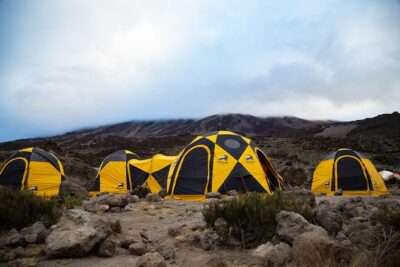
From the top, the route continues over rocky ground toward Karanga Valley before the final approach to Barafu. The camp is exposed to strong winds, and tents sit on a narrow, stony ridge. The setting is functional rather than comfortable.
Barafu is where you prepare for the summit attempt. Lay out your warm clothing, headlamp, spare batteries, and walking poles before dark. Keep water protected from freezing, as the tour notes advise. You do not want to discover a dead headlamp or frozen bottle at midnight.
This is the day that makes the six-day schedule feel compressed. You have a long walk to high camp, then only a short rest before leaving again. One past booking party found the six-day plan too hard and felt there was too little time to rest and eat enough energy-giving food. That is a useful warning, especially for anyone in their fifties or anyone unsure about high-altitude endurance.
Day 5: Midnight departure and Uhuru Peak
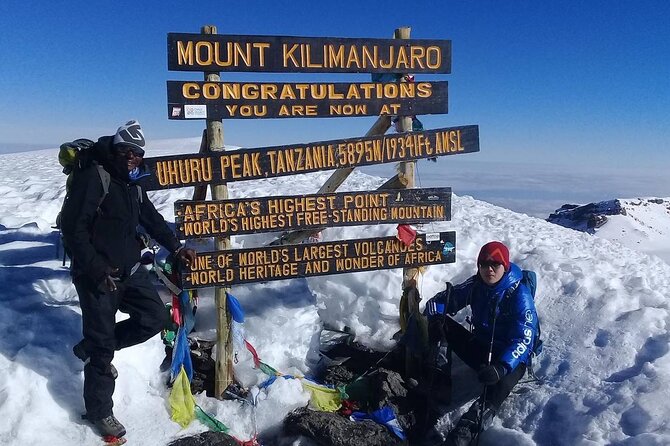
Summit day begins around 11:30 p.m. with tea and biscuits. You leave Barafu in darkness and climb through heavy scree toward Stella Point on the crater rim.
The ascent to Stella Point takes about six hours for many climbers. It is often the hardest part mentally and physically because the slope is steep, the air is thin, and the footing is loose. The reward is sunrise at the rim, with wide views from one of Africa’s highest points.
From Stella Point at 5,685 meters, you continue around the crater rim toward Uhuru Peak at 5,895 meters. The tour allows about eight hours to reach the summit, though the actual pace depends on altitude, weather, and how your body responds.
Reaching Uhuru Peak earns a gold summit certificate. Reaching Stella Point earns a green certificate. That distinction is useful because Stella Point is still an extraordinary achievement, and the guides should put safety ahead of a particular certificate color.
After the summit, you descend all the way to Mweka Camp at about 3,100 meters. The listed descent covers around 23 kilometers and takes seven or eight hours. That makes Day 5 extremely long. Your knees, feet, and concentration all need to hold up after the summit.
The support team becomes especially important here. Several bookings praised guides and crew members for encouragement, patient care, and practical help near the summit. One climber specifically credited Reggie with carrying a backpack during the final push. That kind of assistance can make a real difference, but you should still prepare to carry your own essential day gear.
Day 6: Mweka Gate, hot lunch, and the return to Moshi
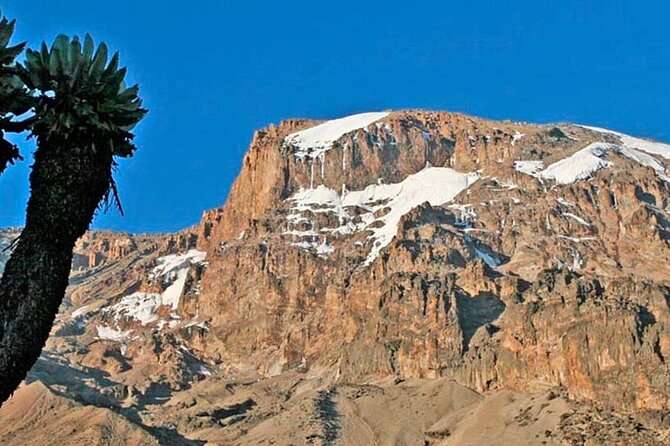
The final morning is a descent from Mweka Camp at 3,100 meters to Mweka Gate at 1,980 meters. The walking time is listed at about three hours, though the overall day is shown as six hours and the route may include a muddy walk onward to Mweka village.
From the village, you drive to Springlands Hotel for a hot lunch. Then you return to Moshi for a shower and the final overnight stay. Successful climbers receive their summit certificates at the hotel, and tips can be given to the guide there.
This final stage is not scenic in the same grand way as the summit day, but it is satisfying. You are back among roads, buildings, and hot water, with the mountain behind you and a certificate in hand.
Food, tents, and daily camp life
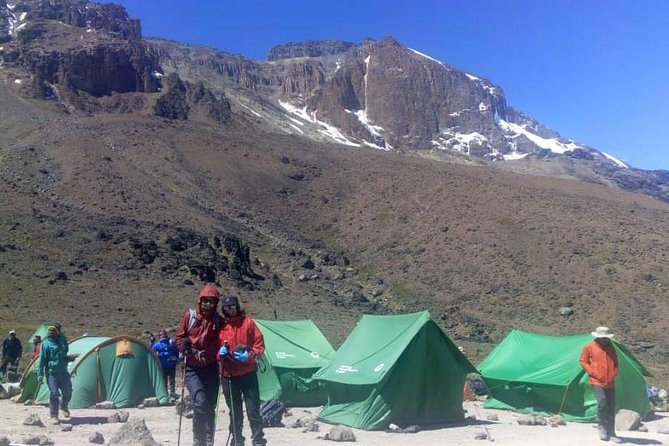
The package includes breakfast, lunch, and dinner on the mountain. The cook prepares the meals, and the crew serves them in a mess tent or outside on a blanket when conditions allow. Past climbers were particularly surprised by the variety and quality of the food, with meals described as a major strength of the trip.
Do not expect hotel dining at high camp, but the included meals remove one large burden from your planning. You still need personal snacks and any special food you require, since personal items and unspecified drinks are not included.
Tents, mattresses, chairs, tables, crockery, and cutlery are supplied. You sleep under canvas, not in a cabin, and the cold becomes severe at Shira, Barafu, and other exposed camps. A full gear check is essential because the package does not provide your climbing clothing or equipment.
The crew also supplies boiled water and carries a first aid kit. Pulse oximeters are included, giving the guides another way to monitor how you are responding to altitude. Emergency oxygen is not included, so ask the operator how altitude emergencies are handled before departure.
Who should choose this six-day climb?
This route suits an adventurous hiker with a moderate level of physical fitness who wants strong scenery and full logistical support. You need to be comfortable walking for six to eight hours, spending nights in tents, and handling a midnight start followed by a full descent.
I would choose this option if you value the Machame scenery and want porters, meals, and camp organization handled by a professional crew. The maximum group size of 12 is small enough to keep the experience personal while still giving you the energy of a group climb.
I would think twice if you want a relaxed acclimatization schedule. A seven-day Machame version is mentioned in the available information, and adding a day can make the climb more manageable. If you have little mountain experience, ask about the longer option rather than assuming the six-day plan is the best value.
The route is not a technical mountaineering course, but it is physically serious. Training should focus on long uphill walks, uneven ground, carrying a daypack, and recovering well between consecutive days. Gym work can help, but regular hill walking is more relevant preparation.
Booking details worth checking
Pickup is offered, and transportation from Moshi to and from the mountain is included. Return airport transfers to Kilimanjaro International Airport are also listed, but confirm the timing if your flight is close to the final return.
The activity accepts up to 12 participants and provides a mobile ticket. Confirmation is received at booking. The stated meeting location is Kilimanjaro Airport and Kilimanjaro National Park, so confirm the exact pickup point with Zara Tours before arrival.
Cancellation is free up to 24 hours before the experience start time. Within 24 hours, the amount paid is not refunded and changes are not accepted. The cut-off follows local time.
Should you book the Machame Route?
Book it if you want Kilimanjaro’s best-known scenic changes, a hard but organized six-day challenge, and a crew that handles food, tents, transport, and camp work. The 4.9 rating from 171 reviews and 100 percent recommendation figure fit the strongest pattern here: praise centers on caring guides, excellent food, solid organization, and help during the summit push.
Do not book it casually. The six-day schedule leaves limited recovery time, and the summit day combines a midnight ascent with a very long descent. If you can add an acclimatization day, that may be the wiser choice.
For a fit hiker who accepts cold nights, muddy paths, altitude, and a demanding final push, this is a strong Kilimanjaro package. Prepare your gear, budget for tips and extras, and treat the mountain as a serious expedition rather than a sightseeing excursion.
FAQ
How long does the Machame Route tour last?
The listed duration is approximately six days. The schedule includes two nights at Springlands Hotel in Moshi, one before and one after the mountain climb.
What is the highest point reached?
Uhuru Peak is the highest point at 5,895 meters. Stella Point is at 5,685 meters on the crater rim.
What is included in the price?
The package includes two hotel nights, mountain transport from Moshi, airport transfers, park and rescue fees, guides, porters, a cook and waiter, tents, mattresses, meals, boiled water, a dining tent, utensils, and a first aid kit.
Are meals included during the climb?
Yes. Breakfast, lunch, and dinner are included on the mountain. Meals and drinks outside the stated inclusions are not covered.
Do I need to bring climbing equipment?
Yes. Personal climbing gear is not included. You must also pay for personal items, visas, extra nights, single-room supplements where applicable, and tips.
How many people can join the tour?
The maximum group size is 12 people.
What happens if I do not reach Uhuru Peak?
Climbers who reach Stella Point receive a green certificate. Those who reach Uhuru Peak receive a gold certificate. The tour also states that emergency oxygen is not included.
Just added around Kilimanjaro
- 6 days Machame route climbing Mt.Kilimanjaro★ 5.0 · 8 reviews
- machame route★ 5.0 · 16 reviews
- Mt Kilimanjaro 6 days Marangu route hike★ 5.0 · 3 reviews
- Private Cycle to Kilimanjaro Bike Park Safari★ 5.0 · 6 reviews
- West Kilimanjaro cycling Adventures★ 4.5 · 8 reviews
- Kilimanjaro Climb • Marangu Route ~ 9 Day★ 5.0 · 4 reviews
- 3 Days Private E-Bike Tour in West Kilimanjaro★ 5.0 · 3 reviews
- Kilimanjaro Climb • Machame Route ~ 10 Day★ 5.0 · 6 reviews
Machame Route Climbs, compared.
The Best of Machame Route in 6 Days: Your World’s Summit Guide
Read our review →Browse the lists this tour appears in