
Reviewed · MARANGU ROUTE CLIMBS
6 Days Mount Kilimanjaro Trek Marangu Route
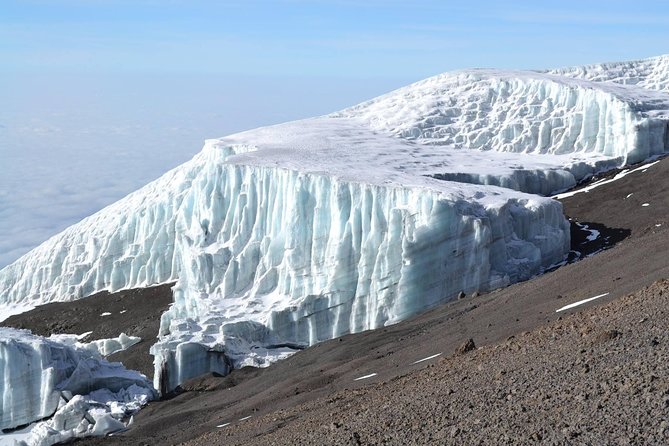
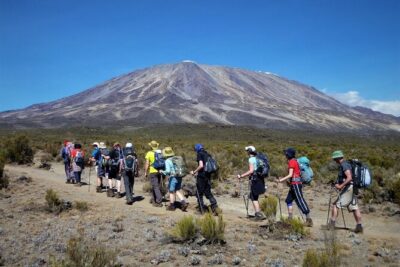
Kilimanjaro’s Marangu Route gives you the mountain’s most established trail, dormitory-style huts, and a sensible extra day to adjust at Horombo. You begin in thick rainforest, cross open moorland, and finish with a midnight climb to Uhuru Peak at 5,895 meters. It is often called the Coca-Cola route, but the summit night is serious work.
I like the hut sleeping, especially if you prefer a bed and roof over tent camping. I also like the extra acclimatization day at Horombo, since five days is a rushed schedule for Kilimanjaro. The drawback is that Marangu uses the same trail up and down, and the summit day can last 12 to 15 hours.
Key points before you book
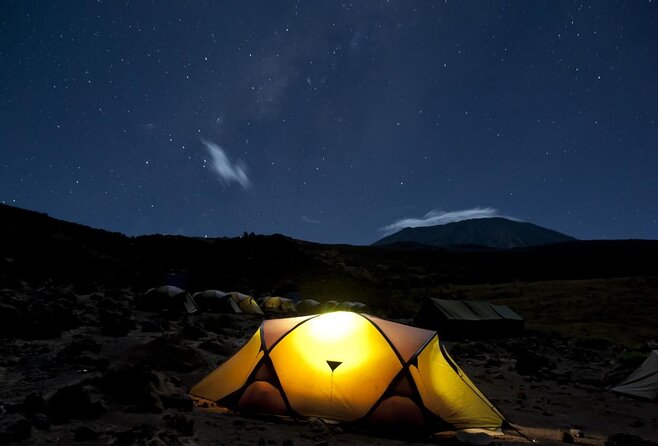
- Dormitory huts instead of tents: Marangu is the only Kilimanjaro route in this program offering hut accommodation.
- One useful acclimatization day: The Horombo rest day includes a hike toward Mawenzi Ridge or Zebra Rock.
- A demanding summit night: You leave Kibo Hut around midnight and may walk for 12 to 15 hours.
- A full support crew: A mountain guide, assistant guides, porters, and cook are included, along with their wages.
- Moshi nights included: The package covers the night before and after the climb, with dinner and breakfast.
- Strong attention to meals and care: Food, safety, airport transfers, and staff support receive the most consistent praise from past customers.
What the six-day Marangu Route feels like
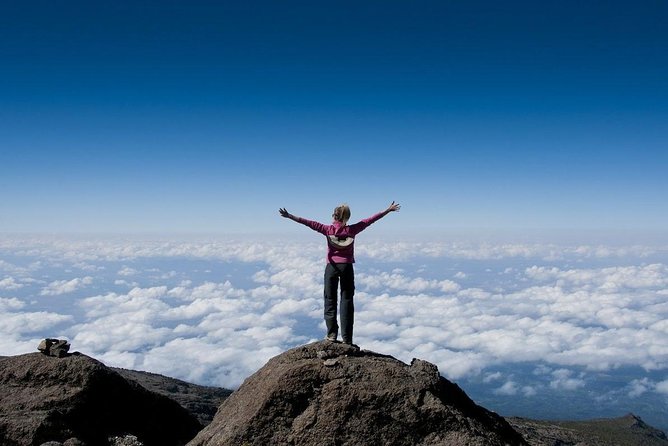
Marangu is often presented as the easy way up Kilimanjaro. That description needs a little correcting. The path is generally steady and well established, and the huts make sleeping simpler than on camping routes. But altitude is the real challenge, not trail markings or technical climbing.
You will gain height quickly. The route begins near 1,860 meters at Marangu Gate and reaches 5,895 meters at Uhuru Peak. Your body has to adjust while you keep walking, eating, sleeping, and dealing with colder air.
That is why the six-day version is a better choice than the five-day minimum. The additional day at Horombo gives you a short climb to higher ground before returning to sleep at the same hut. It is not a day off in the usual sense, but it gives your body more time to adapt.
The package price is $2,350 per person. That is a substantial amount, but it covers far more than trail access. You receive airport transfers, two Moshi hotel nights, meals, a guide team, porters, a cook, drinking water, hot washing water, equipment support, park-related fees, and emergency oxygen. For a private trip, that makes the price easier to understand, though you should still confirm the exact group size and gear arrangements before paying.
More Marangu Route climbs:
- Kilimanjaro climb, Marangu route (6-day)
★ 5.0 · 72 reviews - Climbing Kilimanjaro – Marangu Route
★ 5.0 · 65 reviews - Private Full Day Hiking Experience to Marangu Route
★ 5.0 · 61 reviews
Day 1: Marangu Gate to Mandara Hut
Your morning begins with breakfast and pickup from your Moshi lodge. The drive takes you to Marangu Gate, where registration and park paperwork are completed before you start walking.
The first section passes through dense rainforest. This is one of the prettiest parts of the route, with thick plant growth and the possibility of seeing primates. The trail feels cool and shaded compared with the exposed upper mountain, which makes this a pleasant introduction to the climb.
You walk about 8.3 kilometers and spend roughly five hours on the trail before reaching Mandara Hut. The altitude is about 2,700 meters. After settling in, you can make the short side trip to Maundi Crater with your guide.
Maundi Crater is worth the extra effort. It gives you a broad view toward the Kenyan interior and lets you stretch your legs without taking on a major additional climb. This first day is not meant to be rushed. Walk slowly, drink regularly, and use it to learn the pace your guide sets.
The huts are dormitory-style, so this is not a private mountain lodge. You should expect shared sleeping space and a simple setup. Still, having a roof and a fixed sleeping place is a real advantage if you do not enjoy carrying or sleeping in a tent.
Day 2: Mandara Hut to Horombo Hut
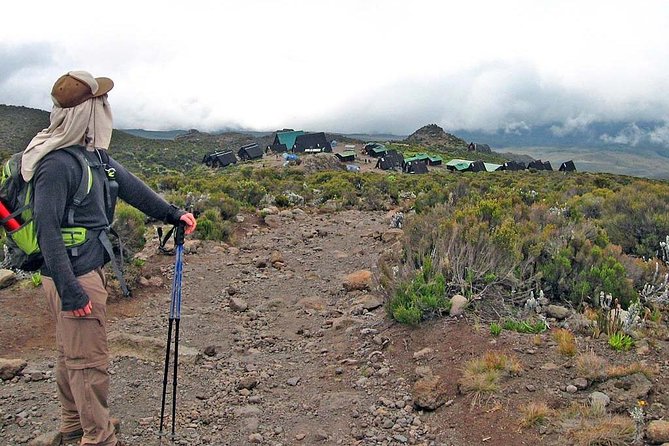
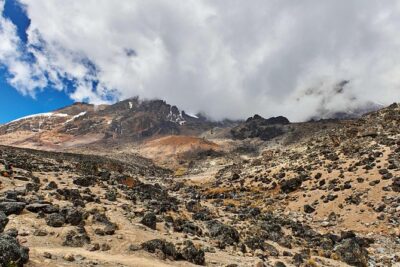
After breakfast, you leave the rainforest behind. The trail reaches the timberline and enters the heath and moor zone, where the vegetation becomes lower and the views begin to open.
The official distance is about 12.5 kilometers, with around six to nine hours of walking depending on pace and conditions. Horombo Hut sits at roughly 3,700 meters, so this day brings a noticeable gain in altitude.
From Horombo, you can see Mawenzi, Kibo, and the broad plain toward the Masai Steppe. The setting changes quickly here. You are no longer walking through a forest corridor. The open ground gives you a better sense of how high you have climbed, but it also means more exposure to cold, wind, and sun.
This is often the day when people first notice the effects of altitude. Headache, tiredness, or poor sleep can occur. Your guide should monitor how you are feeling, but you also need to speak up early. Do not treat altitude symptoms as something to hide.
The distance is manageable for a fit person, yet the slow pace matters more than speed. A steady walking rhythm helps you conserve energy for the days ahead.
Day 3: Acclimatization around Horombo
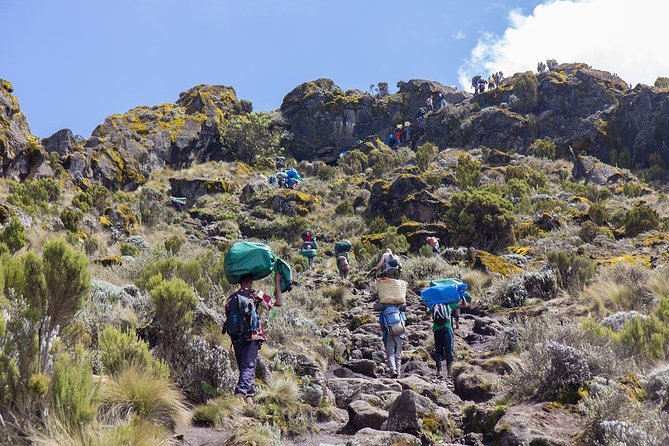
The third day is the main reason to choose this six-day schedule. Instead of moving directly toward Kibo Hut, you hike toward Mawenzi Ridge or Zebra Rock and then return to Horombo for lunch, rest, dinner, and sleep.
This follows the useful high-altitude principle of climbing higher and sleeping lower. You get time above Horombo without adding another night at that elevation. The planned walk lasts about four hours, making it much less tiring than the following stages.
The exact outing can vary between Mawenzi Ridge and Zebra Rock, but both options provide a higher-altitude hike and views across the mountain area. The point is not to collect another summit. It is to give your body more time to adjust.
Use the afternoon well. Eat even if your appetite is smaller than usual. Refill your water. Check your socks, boots, and warm layers. You will want the evening to be quiet because the next two days are much harder.
This is also the day when the support crew can make a real difference. Past customers repeatedly praised the meals, guides, cooks, and the general care provided from Moshi through the mountain. One birthday group even received a surprise cake and champagne at Horombo, though that kind of personal touch should not be assumed as part of every booking.
More treks and hikes around Kilimanjaro:
- Kilimanjaro climb by Lemosho Route (7-day)
★ 5.0 · 651 reviews - Kilimanjaro climb, Machame Route (7-day)
★ 5.0 · 262 reviews - Kilimanjaro Climbing Lemosho Route 8 Days.
★ 5.0 · 186 reviews - 8-Day Small-group Lemosho Kilimanjaro Summit Trekking
★ 5.0 · 186 reviews
Day 4: Horombo Hut to Kibo Hut
The trail continues across the high moor zone toward the saddle between Mawenzi and Kibo. You pass the Last Water point and then enter a broad, nearly vegetation-free plateau.
This stage covers about 9.5 kilometers and takes roughly six to seven hours. The distance may look modest, but the altitude and barren ground make it feel long. There is little shade, so your hat, sunscreen, sunglasses, and warm layers all matter.
Kibo Hut is at about 4,700 meters. The hut is your base for the final ascent, and the schedule changes here. You eat an early dinner and go to bed early because the night will be short.
Do not expect deep, comfortable sleep. You may be too excited, too cold, or too aware of the early start. Prepare your summit clothing before lying down. Keep your headlamp, water, snacks, gloves, and extra layers within reach.
The package includes fresh drinking water and hot water for washing each day. It also includes emergency oxygen, but that oxygen is for emergencies, not as a way to make summit climbing easier. This is an important distinction. You still need to be prepared for high altitude and to follow your guide’s safety decisions.
Day 5: Kibo Hut to Uhuru Peak and Horombo Hut
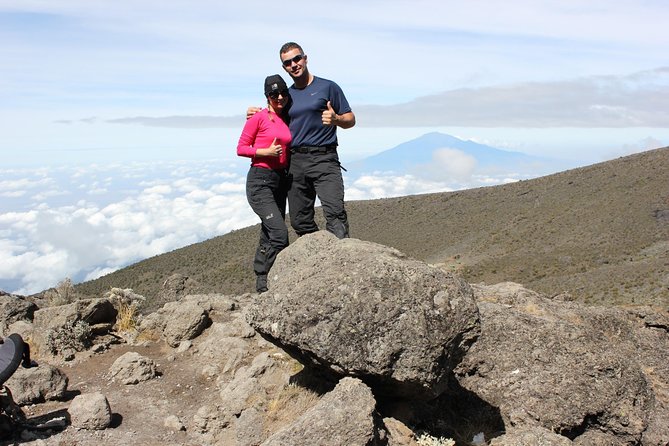
Summit day begins around midnight. The climb to Gillman’s Point takes you past Hans Meyer Cave at approximately 5,220 meters, then upward over steep, cold ground toward the crater rim.
The pace is deliberately slow. At this altitude, every step takes effort. The night is dark, and the cold can be severe, so reliable warm clothing is essential. You should also expect the climb to feel far harder than the distance suggests.
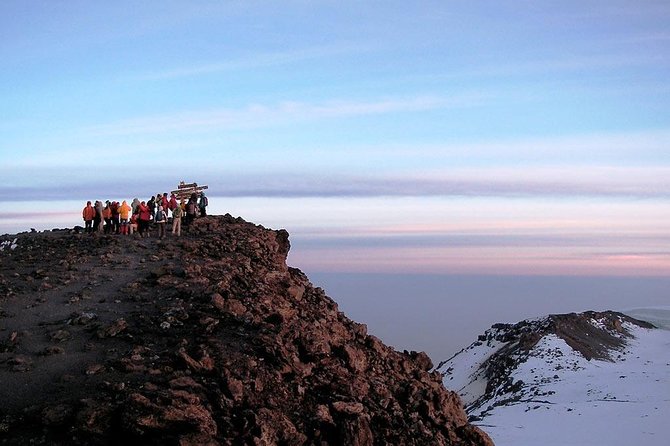
At about sunrise, you reach Gillman’s Point at 5,681 meters. This is on the crater rim and is a major achievement in its own right. The early light begins to warm the mountain, and you get a short psychological lift after the cold night.
From Gillman’s Point, Uhuru Peak is another one to two hours away. The summit sits at 5,895 meters. If you reach it, you will have completed the highest point in Africa, but you still have a long day ahead.
You return to Kibo Hut for a warm meal and a one to two-hour rest. Then you continue down to Horombo Hut. The full day covers about 22 kilometers and lasts roughly 12 to 15 hours.
This is the toughest part of the trip. Do not judge your fitness only by how well you handle the lower trail. Summit success depends on altitude response, sleep, weather, pacing, and careful decisions. One customer described not reaching the summit but planning to return with the same team, which is a useful reminder that turning back can be the correct safety choice.
Day 6: Horombo Hut to Marangu Gate and Moshi
The final day takes you back through the moor zone and down to Mandara Hut. A warm lunch is planned there before you continue into the rainforest.
The stated distance is about 20.8 kilometers, with around six to eight hours of walking. After the strain of summit day, the downhill section can be tiring in a different way. Take care with your knees and do not rush simply because the finish is near.
At Marangu Gate, you complete the trek and say goodbye to your mountain crew. A short transfer takes you back to your Moshi hotel, where you can shower, rest, and celebrate.
That night after the climb is included, along with dinner and breakfast. This is a small but valuable part of the package. After six days at altitude, having a proper room waiting in Moshi is much better than arranging your own transport and accommodation while exhausted.
Food, staff, and practical support
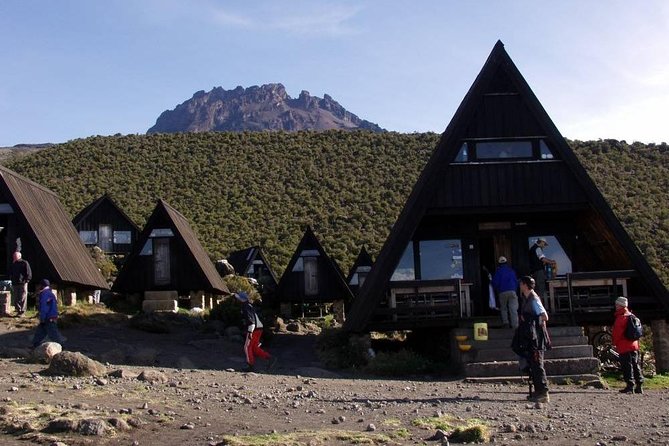
The support team includes a qualified mountain guide, assistant guides, porters, and a cook. Their wages are included, as are breakfast on five mornings, dinner on five nights, and lunch on all six days.
Food receives especially strong praise in the available feedback. Past customers describe the meals as a major part of the experience, with cooks and guides helping them feel looked after throughout the climb. On a long high-altitude trip, that matters. You need regular meals and warm food, not just trail snacks.
The package also includes camping equipment such as tables, chairs, and sleeping mattresses, even though Marangu uses huts. Ask the operator exactly what equipment is supplied for your departure and what you must bring yourself. Personal hiking gear is not included, though some items may be available to rent from the company’s Tanzania equipment store.
You should bring your own personal medicine, snacks, and water-purifying tablets. A portable toilet is optional but highly recommended. Visas, flights, travel insurance, and health insurance are also your responsibility.
Who should choose this trek?
This trip suits you if you want a private Kilimanjaro climb with a slower six-day schedule, hut accommodation, and a full support crew. You need a moderate level of physical fitness and the willingness to walk for long hours, including through the night on summit day.
It is a good fit if you value organization and personal support. Airport transfers, Moshi hotel nights, meals, hot washing water, and a local team are already arranged. The repeated praise for guides, food, safety, and smooth transfers suggests that the human side of the trip is one of its strongest features.
It may not suit you if you want a quiet wilderness route with changing scenery every day. Marangu uses the same trail for the ascent and descent, unlike routes that climb one side of Kilimanjaro and descend another. You should also avoid choosing it simply because it is called easy. The summit remains physically and mentally demanding.
The tour is a private activity, so only your group participates. That gives you more control over pace and attention than a large mixed group, although you should confirm the exact arrangements with Intrepid Explorer Tanzania.
Booking, value, and cancellation
At $2,350 per person, the cost is best judged as a complete climbing package rather than a six-day walk. Airport transfers, two hotel nights, park fees, food, guides, porters, a cook, water, hut support, and emergency oxygen are included.
The value is strongest if you would otherwise need to arrange each part separately. It is also useful for first-time climbers who want local staff handling the route, meals, and mountain logistics. Before booking, confirm what personal gear can be rented and what the included camping equipment means in practice.
The booking allows free cancellation up to 24 hours before the start time for a full refund. Cancellations or changes made within 24 hours are not accepted for a refund, based on local time.
Should you book the six-day Marangu Route?
I would choose this trip if hut sleeping, a private group, and an extra acclimatization day matter more to you than having a different descent route. The strongest reasons are the sensible Horombo schedule, the broad range of inclusions, and the consistent praise for the food and support crew.
I would not choose it because you expect an easy climb. The midnight summit attempt, high altitude, and 12 to 15-hour summit day demand preparation and patience.
If you are fit, properly equipped, and realistic about the possibility of turning back, this is a well-structured way to attempt Kilimanjaro. Give yourself the full six days, listen closely to the guides, and treat the mountain with respect.
FAQ
How long is the Kilimanjaro Marangu Route experience?
The experience lasts approximately six days, including the climb, the acclimatization day, and the return to Moshi.
Where does the trek begin?
The trek begins at Marangu Gate in Mount Kilimanjaro National Park after pickup from your lodge in Moshi.
Where does the trek end?
The walking portion ends at Marangu Gate. A short transfer then takes you back to your Moshi hotel.
What accommodation is used on the mountain?
Marangu uses dormitory-style sleeping huts. The package also includes a hotel night before and after the climb in Moshi.
Is airport transportation included?
Yes. Return transfers between Kilimanjaro Airport and Moshi are included.
What is the highest point reached?
The summit goal is Uhuru Peak, which is 5,895 meters above sea level.
Is an acclimatization day included?
Yes. Day three is spent around Horombo, with a hike toward Mawenzi Ridge or Zebra Rock before returning to Horombo Hut.
Are meals included?
Yes. The package includes five breakfasts, five dinners, and six lunches.
Is personal hiking gear included?
No. Personal hiking and trekking gear is not included, although some equipment may be available to rent from the company’s equipment store in Tanzania.
More Six-Day Trips in Kilimanjaro
- Kilimanjaro climb, Lemosho Route (6-day)
★ 5.0 · 129 reviews - 6 Days Tanzania Classic Safari
★ 5.0 · 52 reviews - The Best of Machame Route in 6 Days: Your World’s Summit Guide
★ 5.0 · 44 reviews - 6 Days Machame Route Kilimanjaro Climbing
★ 5.0 · 42 reviews
Just added around Kilimanjaro
- 6 days Machame route climbing Mt.Kilimanjaro★ 5.0 · 8 reviews
- machame route★ 5.0 · 16 reviews
- Mt Kilimanjaro 6 days Marangu route hike★ 5.0 · 3 reviews
- Private Cycle to Kilimanjaro Bike Park Safari★ 5.0 · 6 reviews
- West Kilimanjaro cycling Adventures★ 4.5 · 8 reviews
- Kilimanjaro Climb • Marangu Route ~ 9 Day★ 5.0 · 4 reviews
- 3 Days Private E-Bike Tour in West Kilimanjaro★ 5.0 · 3 reviews
- Kilimanjaro Climb • Machame Route ~ 10 Day★ 5.0 · 6 reviews
Marangu Route Climbs, compared.
Browse the lists this tour appears in