
Reviewed · MARANGU ROUTE CLIMBS
6 Days Climb Kilimanjaro Through Marangu Route
Kilimanjaro’s Marangu Route gives you the mountain’s classic approach, from monkey-filled rainforest to a stark alpine desert and the summit at 5,895 meters. This six-day plan includes a rest day at Horombo, which matters because the main challenge is altitude, not technical climbing.
I like the simple logistics: transport from Moshi, park fees, meals, guides, porters, first-aid supplies, and mountain equipment are included. I also like the human touch reported by past climbers, especially the steady pole pole pace and support from guides such as Joseph, Goodluck, Temba, Tuliza, and Edward Teacher Lazaro.
The main concern is the speed. Six days is a demanding schedule, and summit day can last many hours. Emergency oxygen is not included, gear is your responsibility unless separately arranged, and the hut or camping setup should be confirmed before departure.
Key points before you book
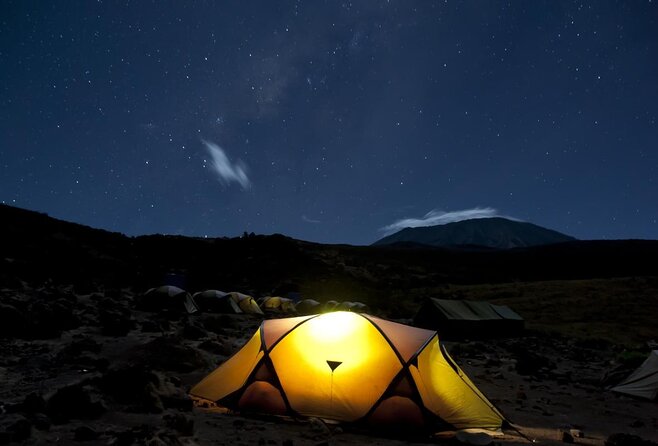
- Marangu is the hut route: You may sleep in provided huts at some stops, with camping equipment also listed as included.
- The rest day helps: Day three at Horombo gives your body time to adjust before the climb to Kibo Hut.
- Summit day is the real test: Expect a midnight to 2 a.m. start, a steep ascent, and a long descent to Horombo.
- Meals and water are covered: Breakfast, lunch, dinner, and boiled mountain water are included during the climb.
- The mountain crew is central to the experience: Guides, porters, cooks, waiters, first-aid support, and pulse oximeters are provided.
- Budget carefully: The $1,899 price does not include tips, personal gear, unspecified meals and drinks, visas, or emergency oxygen.
Why the Marangu Route remains a popular choice
Marangu is often called the easier or more comfortable route because it uses huts instead of requiring you to sleep in a tent every night. That label can mislead you. The trail is still a serious high-altitude climb, and the final push to Uhuru Peak is tough.
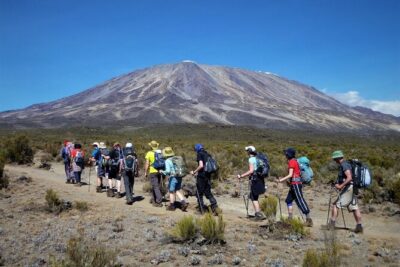
The route is appealing because the scenery changes quickly. You begin in thick forest, pass into open moorland, cross a broad high-altitude saddle, and finish among rock, scree, snow, and thin air. You get a clear sense of how Kilimanjaro’s plant life changes with altitude.
This trip also avoids one common problem with short climbs: there is a rest day at Horombo. You do not gain much height on that day, but your body gets time to adjust before you sleep at 4,700 meters at Kibo Hut.
The tradeoff is pace. A six-day climb leaves less room for delays, illness, or a slow summit attempt. If you want a gentler schedule, you should ask the operator if a longer version is available before paying.
More Marangu Route climbs:
- Kilimanjaro climb, Marangu route (6-day)
★ 5.0 · 72 reviews - Climbing Kilimanjaro – Marangu Route
★ 5.0 · 65 reviews - Private Full Day Hiking Experience to Marangu Route
★ 5.0 · 61 reviews
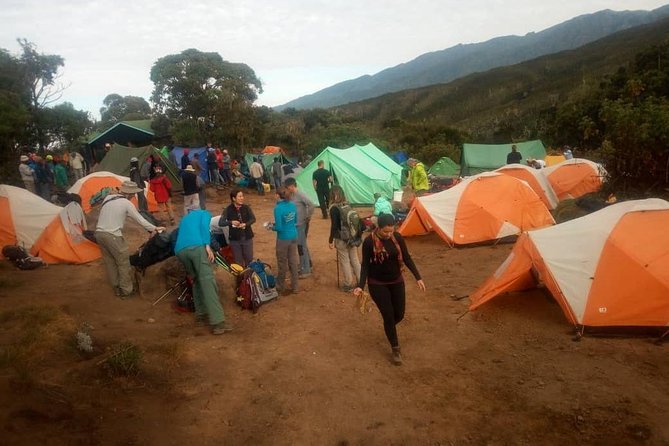
Day 1: Moshi to Mandara Hut through the forest
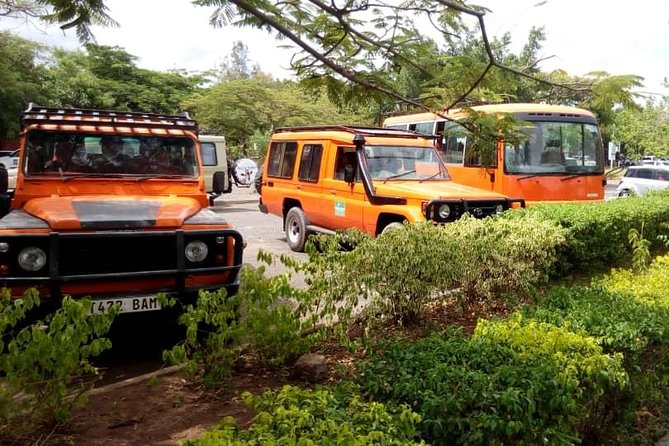
The day begins with breakfast and a briefing in Moshi. You then drive for about an hour to the Kilimanjaro National Park Gate, where the registration process takes place before you start walking.
The first section leads through montane forest. You gain about 840 meters, walking 8 kilometers in roughly three to four hours. That is a manageable opening day, though muddy ground and humid conditions can make the trail feel slower than the figures suggest.
This is one of the most pleasant parts of the climb. Look for tall eucalyptus trees, birds, and colobus monkeys in the canopy. A side trip to Maundi Crater offers views toward northern Tanzania and Kenya, provided your guide and the day’s timing allow it.
You finish at Mandara Hut, or at the designated camping area if the arrangement uses tents. Lunch and dinner are included. Since the accommodation description refers both to huts and to tents with mattresses, ask exactly what your group will use at each stop.
Day 2: Mandara Hut to Horombo and the first altitude check
Day two takes you out of the forest and onto open heathland. The trail climbs from about 2,700 meters to 3,700 meters over 12 kilometers, with five to six hours of walking.
The vegetation changes in a memorable way. Giant lobelias and groundsels appear among the open slopes, while Mawenzi and Kibo begin to dominate the view. You get your first real sense that this is a high mountain, not simply a long walk.
This is also the day when altitude may begin to affect you. Headaches, tiredness, poor sleep, and a reduced appetite can occur at these elevations, though the supplied information does not promise how the crew will handle every medical situation. The guides carry first-aid equipment and use pulse oximeters, but you should report symptoms early rather than trying to hide them.
At Horombo, you eat breakfast, lunch, and dinner under the included meal plan. The huts can be a practical advantage, but shared mountain accommodation can make rest difficult. Eye shades and earplugs are useful suggestions for a fast six-day schedule, especially if you need to nap during the day.
Day 3: A necessary rest day at Horombo
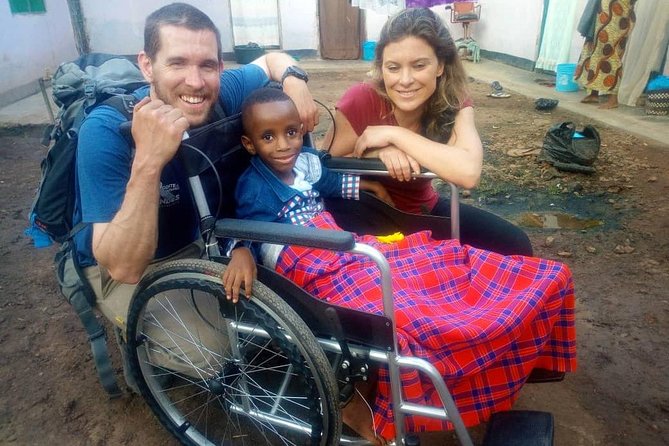
Day three is a rest day at 3,700 meters. There is no planned distance, but that does not mean you must stay in bed all day. An optional walk toward Mawenzi Peak gives you a chance to move gently and see more of the high country without gaining sleeping altitude.
I like this day because it gives the itinerary a better rhythm than a nonstop ascent. You can wash, sort your pack, drink water, eat properly, and prepare for the colder nights ahead.
Do not treat the rest day as wasted time. It is the best chance in this schedule to let your body adjust. The next two days demand the most from you, so keep any optional walk easy and follow your guide’s advice.
Breakfast, lunch, and dinner are included. You should also use the day to check your headlamp, warm layers, gloves, rain gear, trekking poles, and water containers. Missing small items become big problems once you are above the final water point.
More treks and hikes around Kilimanjaro:
- Kilimanjaro climb by Lemosho Route (7-day)
★ 5.0 · 651 reviews - Kilimanjaro climb, Machame Route (7-day)
★ 5.0 · 262 reviews - 8-Day Small-group Lemosho Kilimanjaro Summit Trekking
★ 5.0 · 186 reviews - Kilimanjaro Climbing Lemosho Route 8 Days.
★ 5.0 · 186 reviews
Day 4: Horombo to Kibo across the high saddle
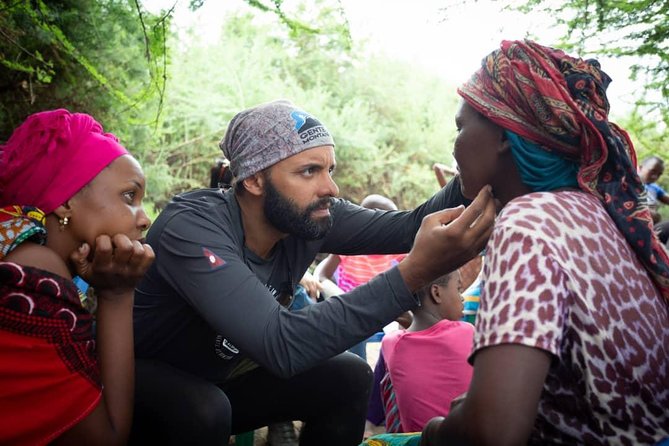
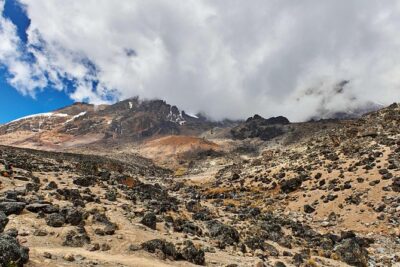
The route climbs from Horombo at 3,700 meters to Kibo Hut at 4,700 meters. You cover about 9 kilometers in five to six hours, moving through upper heathland before the vegetation fades into alpine desert.
The trail crosses the saddle between Mawenzi and Kibo. This broad, open stretch can feel almost empty, with little shelter and fewer visual distractions. The change is important: you are now entering the zone where cold, wind, fatigue, and altitude matter more than scenery.
You pass the last watering point, so your crew must carry or prepare the water needed for the remaining section. Boiled water on the mountain is included, which removes one practical worry, though you still need to carry your personal supply during each day’s walk.
Kibo Hut is the staging point for the summit. Dinner comes before an early rest, but sleep may be brief. The summit start is planned between midnight and 2 a.m. You should organize your clothing and equipment before lying down, since you will not want to search through bags in the dark.
Day 5: The midnight climb to Uhuru Peak
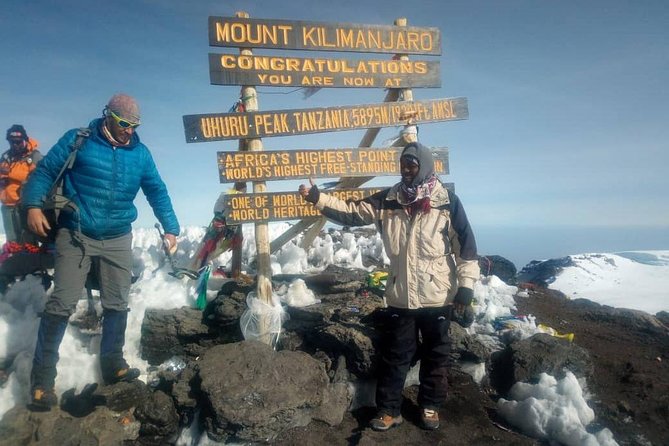
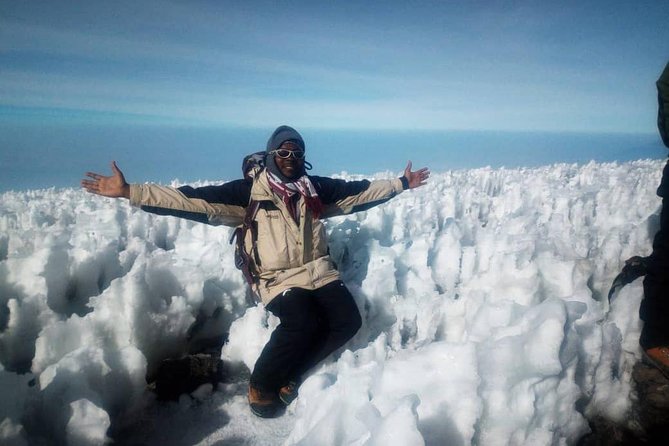
This is the day that defines the trip. You leave Kibo Hut in darkness and climb steep scree or snow toward Gilman’s Point on the crater rim. The ascent from 4,700 meters to 5,895 meters is only about 6 kilometers, but the altitude makes every step count.
The pace should be slow and steady. The guides associated with this operator are often praised for encouragement and for using the Swahili idea of pole pole, meaning slowly, slowly. That approach is not decoration. It helps you conserve energy and gives your body a better chance to cope with the thin air.
At Gilman’s Point, you reach the crater rim. From there, the route continues toward Uhuru Peak, the highest point in Africa. The provided schedule describes dramatic views and time for summit photographs, but conditions can change quickly. Cloud, snow, wind, and exhaustion may affect how long you can stay.
The descent is long. You return to Kibo for lunch and a rest, then continue to Horombo. The supplied times list six to eight hours for the ascent and a 15-kilometer descent. In practical terms, you should expect a very full day, not a quick morning hike.
This is where the six-day structure becomes demanding. You must climb to the summit, descend a great distance, and still reach Horombo the same day. If you are unsure about your fitness or your response to altitude, ask about a longer plan.
Breakfast, lunch, and dinner are included. The crew also includes porters, a cook, and a waiter, which means you are not carrying the full camp or preparing your own meals. Tips for the mountain team are not included, so budget for them separately.
Day 6: The long descent to Marangu Gate and Moshi
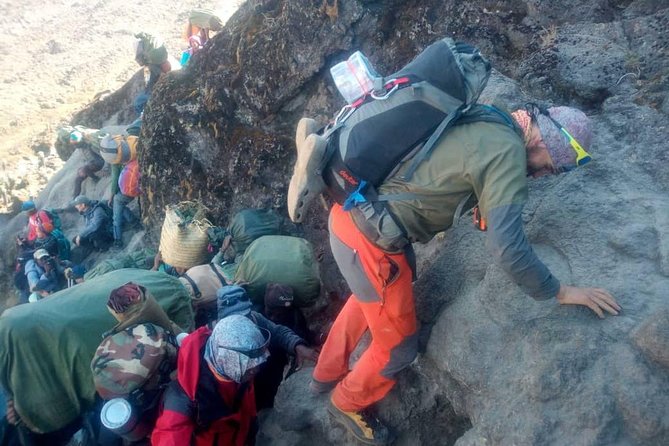
After breakfast, you descend from Horombo through moorland toward Mandara Hut, then continue down through forest to the Marangu Gate. The total distance is about 20 kilometers, with four to five hours of hiking listed.
After the summit day, this descent can feel deceptively easy. Your knees and feet may be tired, and lower sections can be wet and muddy. Gaiters and trekking poles are specifically useful here. Keep rain gear and a warmer layer handy even if the lower trail feels warm at the start.
The forest provides a welcome change after the high, dry slopes. You finish at the national park gate, where a vehicle is scheduled to take you back to your Moshi hotel in about an hour.
Only breakfast is included on this final day. The experience ends back at the meeting point, and return transportation from the mountain to Moshi is part of the package.
What the $1,899 price covers
At $1,899 per person, this is not a bare-bones trail permit. The cost includes return transport from Moshi, national park and mountain entry fees, guides, porters, a cook, a waiter, rescue fees, meals, boiled water, camping or hut equipment, sleeping mattresses, a dining tent, eating utensils, and mini camping chairs.
That collection of services matters on Kilimanjaro. Park fees alone form a major part of the cost, while the crew handles food, camp support, water preparation, and equipment movement. You are paying for an organized mountain operation, not just a walking guide.
The price does not include tips, personal gear, visas, emergency oxygen, or meals and drinks not specified. You should also ask about equipment rental if you do not own suitable cold-weather clothing, since past climbers have arranged equipment through the operator, but rental is not listed as part of the standard price.
The value is strongest if you want one company to manage transport, permits, food, crew, and camp support. It is less attractive if you already have your own logistics or if you prefer a slower climb with more time built in.
The guide and crew experience
The mountain crew is one of the most important parts of this trip. Guides named in accounts connected with the operator include Edward Teacher Lazaro, Joseph, Goodluck, Temba, and Tuliza. You should not assume a specific person will lead your group, so confirm the guide assignment before departure.
The strongest pattern is personal encouragement. Guides have helped climbers manage the pace, answer questions, carry extra items when needed, and keep people focused during the summit attempt. The phrase come as a client, leave as family reflects the warm, team-based style associated with the operator.
That warmth should not replace practical questions. Before you go, ask who the lead guide will be, how many climbers each guide supports, what happens if someone cannot continue, and how the team handles altitude symptoms. The supplied package includes first-aid kits, pulse oximeters, and rescue fees, but emergency oxygen is excluded.
One caution is worth keeping in mind. A small number of accounts describe poor organization, weak communication, an inexperienced guide, and disappointing transport or accommodation. The broader picture is more positive, but you should still get the pickup time, accommodation plan, equipment details, and emergency procedures in writing.
What to pack for this six-day climb
You provide your own climbing gear unless you arrange it separately. At minimum, your planning should account for changing temperatures, wet forest, cold summit conditions, and muddy lower trails.
Useful items include:
- Waterproof outer layers and warmer clothing for the summit
- Sturdy hiking shoes or boots
- Gaiters for the wet descent
- Trekking poles
- A headlamp for the midnight start
- Eye shades and earplugs for hut rest
- Gloves and suitable summit layers
- Personal water containers
- Any personal medication and basic toiletries
This list reflects the conditions described in the schedule, not a substitute for the operator’s final packing instructions. Ask for its current gear list before you leave home.
Who should choose this climb
This trip suits you if you want Kilimanjaro with a local crew, included meals, organized transfers, and a hut-based route. It is also a good fit if you value a rest day and prefer the Marangu trail’s changing scenery over a more remote camping route.
It is less suitable if you want a leisurely acclimatization schedule. The six-day plan is fast, and the summit day combines a nighttime ascent with a long descent. You should also be comfortable with basic mountain conditions, shared huts or camp facilities, early starts, and unpredictable weather.
Most people can participate according to the supplied information, but the climb still requires good physical preparation. The operator can cancel for poor weather and offer another date or a full refund. Your own cancellation is different: the booking is non-refundable and cannot be changed.
Should you book the Marangu Route climb?
I would consider this a solid value for a well-supported, six-day Kilimanjaro attempt, especially if the rest day at Horombo is important to you. The included crew, meals, park fees, transport, water, rescue fees, and camp support remove many costs and chores that can catch first-time climbers by surprise.
Before booking, confirm three things: the exact hut and camping arrangements, the name and experience of your lead guide, and the operator’s emergency plan. If you are comfortable with a quick schedule and can prepare properly, this climb offers a clear route to Uhuru Peak with plenty of help along the way.
If you need more time to adjust to altitude, ask for a longer itinerary instead. Kilimanjaro rewards patience, and six days leaves little room for your body to set its own pace.
FAQ
How long is the Kilimanjaro climb?
The climb lasts six days, beginning and ending with transportation connected to Moshi. The walking schedule covers Mandara Hut, Horombo Hut, Kibo Hut, Uhuru Peak, and the descent to Marangu Gate.
Is transportation from Moshi included?
Yes. Return transportation from Moshi to the mountain starting point and back from the finishing point is included. The drive from Moshi to the park gate takes about one hour each way.
Do I sleep in huts or tents?
The trip describes hut accommodation or camping areas at different stops. Tents and sleeping mattresses are listed among the inclusions, so you should confirm the exact sleeping arrangement for your dates before booking.
Are meals included during the climb?
Yes. Breakfast, lunch, and dinner are included on the mountain, with breakfast only listed for the final descent day. Boiled water is also included.
Is climbing gear included?
Personal climbing gear is not included. The package includes camping equipment and sleeping mattresses, but you are responsible for your own gear unless you arrange separate rental with the operator.
What happens if bad weather cancels the climb?
The experience requires suitable weather. If the operator cancels because of poor weather, you can choose another date or receive a full refund. If you cancel or request an amendment yourself, the payment is non-refundable.
More Six-Day Trips in Kilimanjaro
- Kilimanjaro climb, Lemosho Route (6-day)
★ 5.0 · 129 reviews - 6 Days Tanzania Classic Safari
★ 5.0 · 52 reviews - The Best of Machame Route in 6 Days: Your World’s Summit Guide
★ 5.0 · 44 reviews - 6 Days Machame Route Kilimanjaro Climbing
★ 5.0 · 42 reviews
Just added around Kilimanjaro
- 6 days Machame route climbing Mt.Kilimanjaro★ 5.0 · 8 reviews
- machame route★ 5.0 · 16 reviews
- Mt Kilimanjaro 6 days Marangu route hike★ 5.0 · 3 reviews
- Private Cycle to Kilimanjaro Bike Park Safari★ 5.0 · 6 reviews
- West Kilimanjaro cycling Adventures★ 4.5 · 8 reviews
- Kilimanjaro Climb • Marangu Route ~ 9 Day★ 5.0 · 4 reviews
- 3 Days Private E-Bike Tour in West Kilimanjaro★ 5.0 · 3 reviews
- Kilimanjaro Climb • Machame Route ~ 10 Day★ 5.0 · 6 reviews
Marangu Route Climbs, compared.
Browse the lists this tour appears in