
Reviewed · LEMOSHO ROUTE CLIMBS
Unforgettable 8 Days Lemosho Route Trekking on Kilimanjaro
The best thing about this eight-day Lemosho trek is its steady change of scenery. You begin in rainforest, cross the open Shira Plateau, pass below Lava Tower, and finish with a cold, dark push toward the summit. I like the extra time for altitude adjustment and the quieter western approach, especially before the route joins the busier Machame path.
I also like the practical care built into the trip: meals are included, the mountain crew handles the camp routine, and guides such as Nalisis are named in the company’s customer feedback. Chef Jackson receives special praise for his cooking. The main drawback is the price and the hard summit schedule. At $1,500, you still pay separately for tips, visas, flights, non-climbing lodging, and some transport, while summit day can stretch into a 13-hour effort.
Key points to know before you book
- Eight days gives you useful acclimatization time: The route spends time on the Shira Plateau before reaching higher camps.
- Lemosho is the scenic western approach: Expect rainforest, giant heather, open moorland, volcanic rock, glaciers, and broad mountain views.
- The summit night begins around 11:30 p.m.: You climb by headlamp toward Stella Point, then continue around the crater rim to Uhuru Peak.
- The route finishes at Mweka Gate: After signing out and receiving a summit certificate, you continue to Mweka Village for a hot lunch and the drive back to Moshi.
- Food and camp meals are included: Breakfast is provided on eight days, lunch on eight days, and dinner on seven days.
- The $1,500 price needs careful comparison: Crew tips, visas, flights, non-climbing accommodation, private transportation, and hiking support materials are not included.
Why the Lemosho Route earns eight days
Lemosho takes the long way toward Kilimanjaro’s summit, and that is its main strength. You approach from the west rather than starting near the crowded southern trails. The early section passes through rainforest, then rises toward the Shira Plateau before connecting with the Machame route near Lava Tower.
That longer shape matters because altitude, not technical climbing, is usually the central challenge. The itinerary gives you moderate walking days across the plateau before the trail rises above 4,000 meters. You cannot remove the risk of altitude sickness, but a slower plan gives your body more time to adjust.
The scenery changes often enough to keep the walking interesting. On day one, you are under trees. By day two, the forest gives way to moorland and giant heather. Later, you cross open rock and scree, with Kilimanjaro’s upper slopes looming above you.
This is not a luxury mountain holiday. Camps are basic, the air gets thin, and the summit night is physically demanding. Still, the route offers a good balance of scenery, extra acclimatization time, and a high stated summit success rate.
More Lemosho Route climbs:
- Kilimanjaro climb by Lemosho Route (7-day)
★ 5.0 · 651 reviews - Kilimanjaro Climbing Lemosho Route 8 Days.
★ 5.0 · 186 reviews - 8-Day Small-group Lemosho Kilimanjaro Summit Trekking
★ 5.0 · 186 reviews
Day 1: Moshi to Mti Mkubwa through the forest
Your morning begins with a hotel briefing from the chief guide, followed by a roughly two-and-a-half-hour drive from Moshi to Londorossi Park Gate. The gate sits at about 2,250 meters, or 7,380 feet.
Park registration and rules come first. From there, a 4WD vehicle continues for about 45 minutes to Lemosho Glades, at roughly 2,390 meters. The trail then enters the forest on foot and leads to Mti Mkubwa Camp.
The walking time is listed at about four hours. That makes this a gentle first day, although the drive and park formalities can make the full morning feel longer. You spend the night at about 2,780 meters, according to the route’s camp sequence, with dinner included.
This first section is special because it feels like a real transition from town to mountain. The forest provides shade and birdlife, while the gradual start gives you time to settle into the pace. You should use the day to check that your boots, pack, and clothing are comfortable before the trail becomes steeper.
Pickup is offered, but private transportation is listed as an extra. Confirm exactly what the pickup covers before booking, particularly if you are arriving at a hotel outside the stated meeting point on Shanty Town Road.
Day 2: Climbing to Shira One
Day two is one of the longest listed walking days, at about 11 hours. The trail steepens as it leaves the forest and enters the moorland zone, then crosses Shira Ridge at approximately 3,600 meters.
You pass several streams before descending gently toward Shira One Camp on the Shira Plateau. The route’s high point on the day is important: you gain altitude, but you also finish at a camp that is somewhat lower than the ridge itself. That rise and fall helps make the day useful for adjustment.
This is a demanding day even without technical climbing. The distance, changing surface, and increase in elevation can expose poor pacing. I would treat the stated 11 hours as a serious full-day effort, not a casual walk. Keep water close, walk slowly, and tell the guide early if you feel unwell.
Shira One sits beside streams, though water availability should not be confused with unlimited personal drinking water. The trip notes specify a later final water point near Karanga Valley, so you need to follow the crew’s instructions about filling bottles and carrying enough for dry sections.
Day 3: A gentler crossing of the Shira Plateau
The third day is shorter and more moderate, with about seven hours of walking across moorland meadows toward Shira Camp Two. This is one of the best-designed parts of the route because it gives you time at altitude without forcing another steep push.
The plateau is open and exposed, with streams and broad views across the volcanic terrain. The trail is not simply a transport stage. Optional walks are available on the plateau, allowing the guide team to adjust the day for acclimatization and energy levels.
You should not judge this day by distance alone. At around 3,500 meters and above, a moderate walk can still feel tiring. The goal is to arrive at camp ready for the higher volcanic section, not to prove how fast you can walk.
If you have booked a shared climb, this is also a useful day to settle into the group rhythm. The maximum group size is listed as 100 people, though the actual group for your departure may be smaller. Ask before paying if you want a clearer idea of the expected group size and whether you will be in a joining or private arrangement.
More treks and hikes around Kilimanjaro:
- Kilimanjaro climb, Machame Route (7-day)
★ 5.0 · 262 reviews - Climbing Kilimanjaro – Machame Route
★ 5.0 · 170 reviews - Climbing Kilimanjaro through 7 days Machame Route
★ 5.0 · 151 reviews - Kilimanjaro climb, Lemosho Route (8-day)
★ 5.0 · 148 reviews
Day 4: Lava Tower and the descent to Barranco
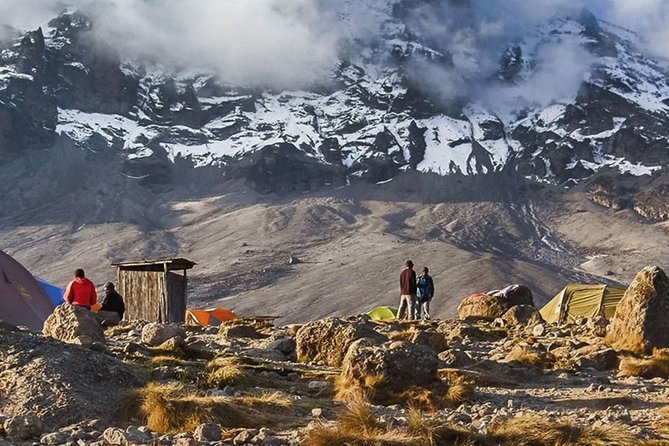
Day four brings one of the route’s most memorable features: Lava Tower, a volcanic remnant at about 4,630 meters, or 15,190 feet. The trail climbs through increasingly bare terrain toward the tower, then drops for roughly two hours toward Barranco Camp at about 3,950 meters.
The climb high and sleep lower pattern is valuable for acclimatization. You reach a much higher altitude during the day, then rest at a lower camp. That does not make the day easy, but it gives your body a useful adjustment before the summit stages.
Lava Tower is a chunky rock formation several hundred feet high. The itinerary notes that sure-footed climbers may scramble to its top, but this should not be treated as a required extra. The main route already takes you to a high altitude, and tiredness or poor weather may make the scramble a bad choice.
The descent to Barranco offers plenty of photo opportunities, especially as the volcanic rock becomes more dramatic. Barranco Camp is one of the most scenic overnight points, though the thin air and uneven ground can make rest less comfortable than you expect.
Day 5: The hard walk to Barafu Camp
After breakfast, you head toward Barafu Camp at about 4,640 meters. The listed walking time is three hours, but the route is steep and crosses bare scree with no vegetation. The short duration should not fool you. At this height, even a few hours can feel heavy.
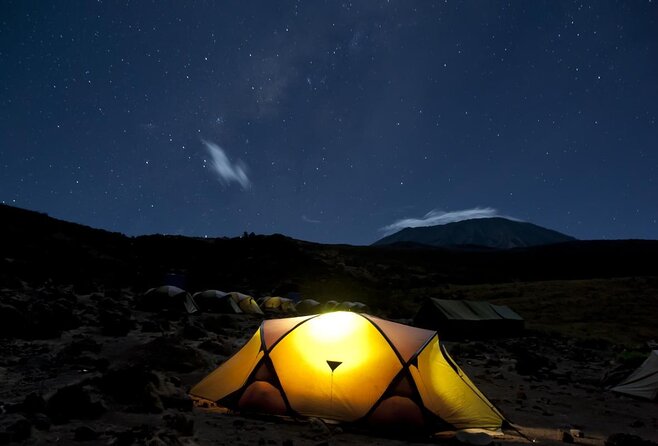
Barafu means ice in Swahili, yet the famous upper snows are far above the camp. The camp itself sits on a narrow, stony, wind-exposed ridge. You need to learn where your tent, gear, and walking route are before dark.
The important part of this day is rest. You eat, hydrate, keep warm, and prepare for the late-night start. An early dinner is followed by an attempt to sleep before getting up between 11 p.m. and midnight.
The itinerary places the Barafu approach before the detailed summit push on day seven, with day six serving as a preparation and positioning day. Because the schedule wording is not perfectly clear, ask the operator to confirm exactly where you sleep before summit night and how the day-six camp routine works.
Day 6: Final preparation above the Karanga Valley
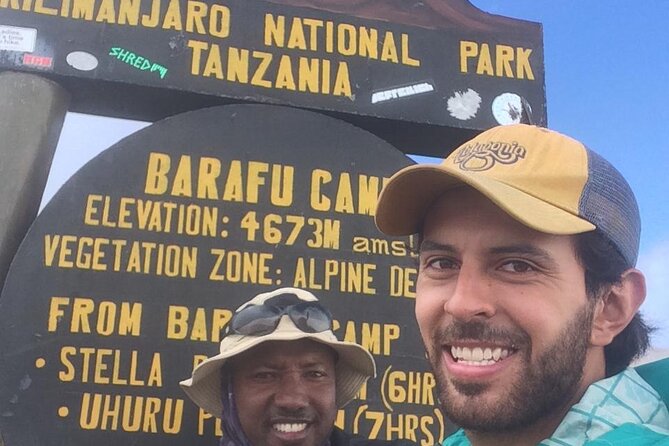
The sixth day includes a hike east across ridges and valleys to join the Mweka descent route, then a climb toward Barafu Hut. A hot lunch is planned at the hut. The listed duration is about 13 hours, which makes this another major effort rather than a simple rest day.
Water planning becomes especially important here. The route notes identify Karanga Valley as the last water point and state that there is no water at Barafu Camp. Your crew should explain how much water you must carry and when bottles can be refilled.
The terrain is sparse, rocky, and exposed. The description of the campsite as narrow and wind-swept is a useful warning. Familiarize yourself with the ground while there is still daylight, and keep essential clothing easy to reach.
This day appears to blend final movement toward Barafu with summit preparation. Since the itinerary also describes waking around 11:30 p.m. for the climb, you should request a precise day-by-day plan from Rede Tours and Safaris before arrival. Clear timing matters more here than polished marketing language.
Day 7: Stella Point, Uhuru Peak, and the summit night
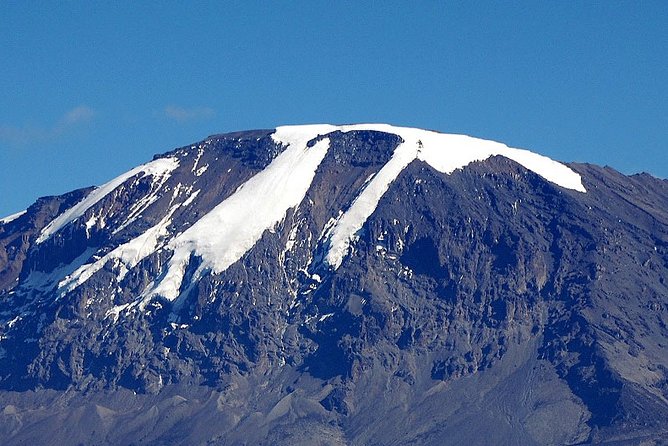
The summit attempt starts around 11:30 p.m. after hot tea and biscuits. You climb in darkness for roughly six hours through heavy scree between the Rebmann and Ratzel glaciers toward Stella Point.
For most climbers, this is the hardest part. The loose surface can make every step feel short and slow, while cold, fatigue, and altitude all build at once. A patient pace is more useful than trying to match another person’s speed.
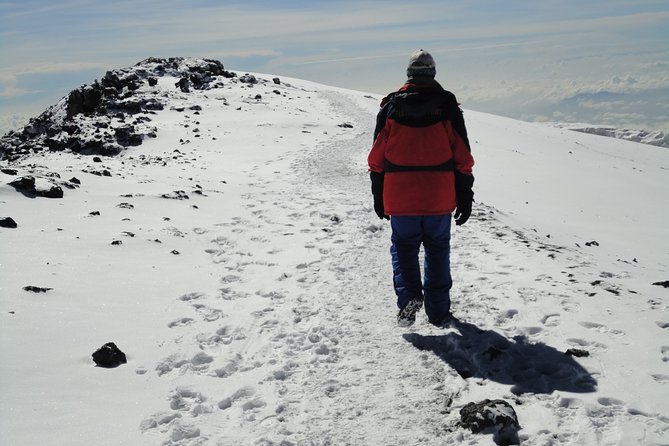
At Stella Point, about 5,685 meters, you reach the crater rim and may see the sunrise. The route then joins the upper section of the Marangu path. Do not linger too long in the cold, since restarting after a rest can be difficult.
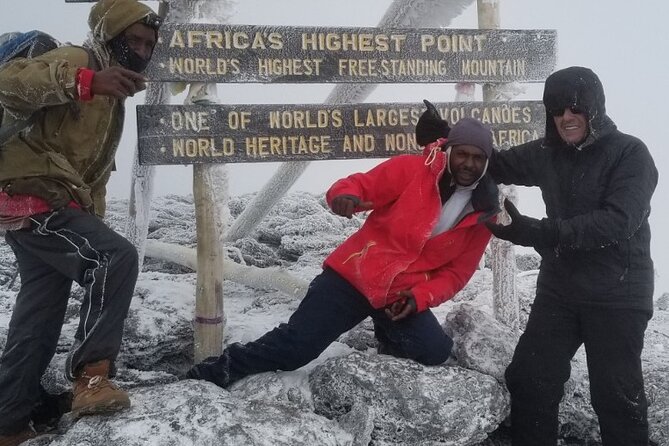
From there, you continue around the rim toward Uhuru Peak. Snow may appear depending on the season and current storms. The itinerary lists the summit section as one hour, but the overall day is much longer when the night climb, summit time, descent, and camp movement are counted. The stated day-six and day-seven times should therefore be read as approximate.
Climbers reaching Stella Point receive green certificates, while those reaching Uhuru Peak receive gold certificates. The distinction is useful because Stella Point is already a major achievement, but it is not the highest point of Kilimanjaro.
Day 8: Mweka Gate and the return to Moshi
After breakfast, you make a scenic three-hour descent toward Mweka Gate. The full day is listed at about seven hours because you must reach the gate, complete the exit process, collect gear, and continue to Mweka Village.
At the gate, you sign the register and normally receive your summit certificate. The crew is not tipped along the trail before everyone and all gear reach the gate safely, so plan to settle tips only once the group has completed the descent.
A further three-kilometer walk takes you to Mweka Village, where a hot lunch is served. You then drive back to Moshi. After the cold upper mountain, that meal and vehicle ride will feel like a proper return to ordinary life.
What the $1,500 price really covers
The price is $1,500 per person. Included are park fees and taxes, breakfast on all eight days, lunch on all eight days, and dinner on seven days. For a multi-day Kilimanjaro climb, those inclusions matter because food and permits make up a large part of the operating cost.
The price does not include flights, visas, crew tips, non-climbing accommodation, private transportation, or hiking support materials. You should also confirm whether airport transfers, equipment rental, and any hotel nights in Moshi are part of your arrangement.
The value is strongest if you want a scenic eight-day route with meals and guiding arranged in one package. It is less attractive if you are comparing it with a shorter climb purely on price. A seven-day Machame trip is mentioned at $750 per person in one customer account, but that is a different route, length, and quoted arrangement, so it is not a direct like-for-like comparison.
The average booking lead time is about 140 days. That suggests you should plan early, especially if you need a particular date or want to clarify whether the trip is shared or private.
Guides, food, and the human side of the climb
The company is Rede Tours and Safaris, also named Amore African Safari LTD. Nalisis is identified as a guide associated with the climb, and chef Jackson receives a special mention for food. You should not assume either person will lead your specific departure unless the company confirms it, but asking for the guide and chef names is sensible.
Food matters more than it may seem. With long walking days and a summit start around midnight, regular meals and hot drinks help you maintain energy. Breakfast, lunch, and dinner are built into the package, although snacks and personal drinks are not listed as included.
The mountain crew is central to the experience. Tips are not included, and the route instructions specifically ask you to wait until the crew and gear reach Mweka Gate before tipping. Ask for the recommended tipping practice before departure so you can budget respectfully and avoid scrambling for cash at the end.
Who should choose this Lemosho climb?
I would choose this route if you care about changing scenery, want more time for altitude adjustment, and can handle long days on uneven ground. It suits someone who prefers a gradual mountain schedule over the shortest possible route.
You should think twice if you dislike basic camping, struggle with steep scree, or want a relaxed holiday with predictable sleep. The summit night is cold, starts before midnight, and can run for many hours. The route is described as suitable for most participants, but you still need a solid level of fitness and the ability to cope with high altitude.
The group-size limit of 100 is worth noting. That is a large possible maximum, even if your actual departure is smaller. Ask about the expected number of climbers, porter arrangements, and whether you will join a shared group or book privately.
Free cancellation is available if you cancel at least 24 hours before the start time. Changes made within 24 hours are not accepted, and poor weather can lead to a different date or a full refund.
Should you book it?
Book this Lemosho climb if the eight-day pace, western scenery, and included meals fit your priorities. The Shira Plateau, Lava Tower, Barranco descent, and sunrise at Stella Point give the route real variety, while the extra days offer a sensible chance to adjust to altitude.
Before paying, get written answers about the exact day-six and day-seven schedule, the size of your group, what pickup includes, and the cost of tipping and non-climbing accommodation. If those details are clear and you are prepared for a tough summit night, the $1,500 package offers a strong route for a first Kilimanjaro attempt. If you mainly want the lowest price or an easier sleep schedule, choose a different plan.
FAQ
Where does the Kilimanjaro trek start?
The stated meeting point is on Shanty Town Road in Tanzania. Pickup is offered, and the first driving section goes from Moshi to Londorossi Park Gate.
How long is the Lemosho trek?
The experience lasts approximately eight days. The route begins at Londorossi Gate and ends after the descent through Mweka Gate and Mweka Village, followed by a drive back to Moshi.
Are meals included?
Yes. Breakfast is included for eight days, lunch for eight days, and dinner for seven days.
Is private transportation included?
No. Private transportation is listed under exclusions. Pickup is offered, so you should confirm what type of pickup is provided for your booking.
What time does the summit climb begin?
You are scheduled to wake around 11:30 p.m. and begin the summit climb after hot tea and biscuits. The route goes first toward Stella Point and then onward toward Uhuru Peak.
What happens if bad weather cancels the climb?
If poor weather causes the experience to be canceled, you are offered a different date or a full refund. For a full refund under the regular cancellation terms, you must cancel at least 24 hours before the start time.
More Eight-Day Trips in Kilimanjaro
- Climbing Kilimanjaro through 8 days Lemosho Route
★ 5.0 · 52 reviews - Kilimanjaro climb, Northern Circuit route (8-day)
★ 5.0 · 40 reviews - 8 Days Kilimanjaro Hike via Lemosho Route
★ 5.0 · 39 reviews - 8 Days Climbing Mt.Kilimanjaro (Lemosho Route)
★ 4.5 · 37 reviews
Just added around Kilimanjaro
- 6 days Machame route climbing Mt.Kilimanjaro★ 5.0 · 8 reviews
- machame route★ 5.0 · 16 reviews
- Mt Kilimanjaro 6 days Marangu route hike★ 5.0 · 3 reviews
- Private Cycle to Kilimanjaro Bike Park Safari★ 5.0 · 6 reviews
- West Kilimanjaro cycling Adventures★ 4.5 · 8 reviews
- Kilimanjaro Climb • Marangu Route ~ 9 Day★ 5.0 · 4 reviews
- 3 Days Private E-Bike Tour in West Kilimanjaro★ 5.0 · 3 reviews
- Kilimanjaro Climb • Machame Route ~ 10 Day★ 5.0 · 6 reviews