
Reviewed · LEMOSHO ROUTE CLIMBS
Kilimanjaro Climbing Lemosho Route 8 Days.
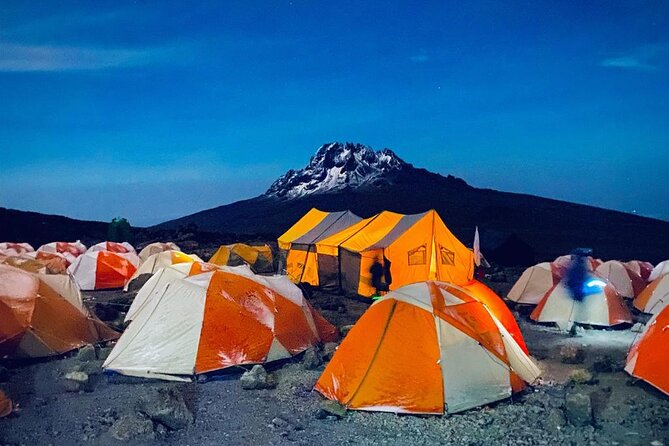
The big draw here is the slow, scenic approach to Uhuru Peak. You begin in rainforest, cross moorland and alpine desert, sleep beneath Barranco Wall, and reach the summit by headlamp before descending through another forest. The route gives your body time to adjust, though summit night remains a very long and demanding push.
I like two things right away: the private format, which lets your guide match the group’s pace, and the practical preparation. Your guide checks your mountain equipment before departure, while pulse oximeters, first aid supplies, and emergency oxygen add useful safety support. The main consideration is the price, $2,300 per person, which does not cover flights, visas, laundry, or crew tips.
Key points to know before you book
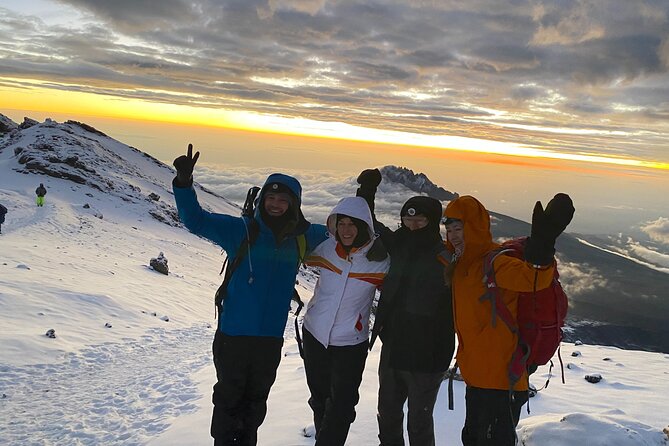
- Summit night lasts about 14 hours: You start around midnight, reach Stella Point near sunrise, continue to Uhuru Peak, then descend to Mweka Camp.
- The route uses gradual acclimatization: You climb to Lava Tower at 4,600 meters, then sleep lower at Barranco Camp.
- This is a private trek: Only your group participates, so the pace and daily rhythm can be adjusted.
- Meals and camping support are included: Breakfast, lunch, and dinner are provided during the trek, with two hotel nights included.
- The scenery changes sharply: Expect rainforest, heather and moorland, volcanic rock, alpine desert, glaciers, and a final forest descent.
- The crew receives strong praise: Habari teams have included guides such as Yusuph, Abdi, Michael, Ema, George, MK, and Johnson, with repeated praise for care, communication, and encouragement.
Why the Lemosho Route works well in eight trekking days
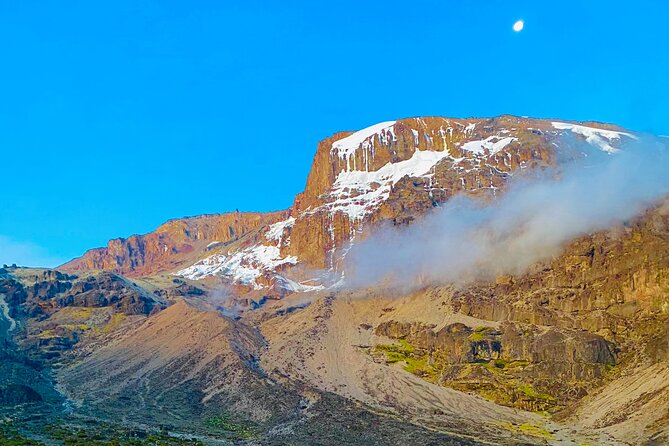
Lemosho is a good choice if you want more than a quick uphill march. The route starts on the western side of Kilimanjaro and gives you several days to gain height before summit night. You pass through distinct plant zones rather than seeing the mountain as one long gray slope.
The eight-day trek is actually a nine-day travel plan. Day one covers airport pickup, the Moshi hotel, briefing, and equipment check. Days two through nine cover the mountain, with the final day ending at Mweka Gate and a drive back to Moshi.
That distinction matters when planning flights. You need time to arrive at Kilimanjaro International Airport, sleep in Moshi, complete the climb, and return to town after the descent. The tour is often booked well ahead, with the average booking made about 147 days before departure, so leaving room in your schedule is sensible.
More Lemosho Route climbs:
- Kilimanjaro climb by Lemosho Route (7-day)
★ 5.0 · 651 reviews - 8-Day Small-group Lemosho Kilimanjaro Summit Trekking
★ 5.0 · 186 reviews - Kilimanjaro climb, Lemosho Route (8-day)
★ 5.0 · 148 reviews
Day 1: Airport pickup, Moshi briefing, and gear check
Your trip begins with pickup at Kilimanjaro International Airport and transfer to a hotel in Moshi, about an hour away. This first evening is useful rather than ornamental. You meet your guide, discuss the climb, and check your equipment before heading into the park.
I like this setup because it gives you a chance to discover a missing jacket, unsuitable shoes, or a weak headlamp before the mountain exposes the problem. The guide checks that you have the necessary mountain gear, and the evening includes dinner and a hotel night.
The start time is listed as 8:00 a.m. at Kilimanjaro Airport. Since flight schedules can vary, confirm the pickup details with Habari Adventure before departure. The package includes two hotel nights, though the detailed schedule clearly places one before the climb and one after you return.
Day 2: Rainforest from Londorossi Gate to Mti Mkubwa
After breakfast, you drive about two hours from Moshi, at roughly 910 meters, to Londorossi Park Gate at 2,100 meters. The crew registers at the gate and prepares food, camping supplies, and your equipment.
The first walking day takes about seven hours. The path runs through rainforest toward Mti Mkubwa Camp at 2,980 meters. This is a full opening day, especially after the drive and registration, but the elevation gain is moderate compared with what lies ahead.
Your tent is set up when you reach camp, with personal belongings placed inside. That detail is small but welcome. You do not spend the evening sorting gear or waiting for camp to take shape. You can eat, organize your sleeping area, and rest.
The forest is also your first reminder that Kilimanjaro is not just a summit. The vegetation changes as you climb, and this opening section feels more like a mountain forest walk than a high-altitude expedition.
Day 3: Shira I and the first wide views
The route leaves the forest and enters grassy moorland and heather, with volcanic rock formations scattered across the plateau. The walking time drops to about four hours over seven kilometers, giving you a shorter day after the long approach to Mti Mkubwa.
You reach Shira I Camp at about 3,500 meters. The route can be steep in places, but the reward is a clearer view of Kibo and the Shira Plateau. Kibo is the main summit cone of Kilimanjaro, and seeing it from this side helps you understand the scale of the climb.
This is one of the better days for settling into the group’s pace. The private format helps here. Your guide can keep the day measured rather than treating every stretch as a race. On a high mountain, slow progress is useful progress.
More treks and hikes around Kilimanjaro:
- Kilimanjaro climb, Machame Route (7-day)
★ 5.0 · 262 reviews - Climbing Kilimanjaro – Machame Route
★ 5.0 · 170 reviews - Climbing Kilimanjaro through 7 days Machame Route
★ 5.0 · 151 reviews - Kilimanjaro climb, Lemosho Route (6-day)
★ 5.0 · 129 reviews
Day 4: Moorland views and an acclimatization walk
Day four covers about eight kilometers in roughly five hours. It remains in the moorland zone and is described as one of the shorter, less steep days.
You get views toward the northern ice fields from the western side of the mountain, along with more views of Kibo. After lunch at camp, tea is served around 4:00 p.m., followed by an acclimatization walk before dinner.
That extra walk is one of the most valuable parts of the schedule. You gain some height, move your legs, and then return to camp rather than spending the whole afternoon lying inside your tent. The principle is simple: climb higher during the day, then return to a lower sleeping point when possible.
You should still treat this as a real exertion day. At 3,500 meters and above, a short walk may feel much harder than the same distance at home.
Day 5: Lava Tower, the alpine desert, and Barranco
The mountain changes again as the moorland fades into alpine desert. You walk about ten kilometers in six hours, climbing to Lava Tower at 4,600 meters before descending to Barranco Camp at 3,900 meters.
This climb high, sleep lower pattern is central to the route’s acclimatization plan. Lava Tower may be the point where you first notice the altitude more sharply. The subsequent descent is not wasted effort. It prepares you for higher ground while giving you a lower camp for the night.
The descent to Barranco takes about three hours and offers views toward the Western Breach and Barranco Wall. Barranco Camp sits in a valley below the wall, creating a memorable setting at sunset.
There is a practical downside: this day can feel confusing to anyone who expects every step to move toward the summit. You climb up, then walk down. Trusting the rhythm is part of the experience, but it can be mentally tiring.
Day 6: Climbing Barranco Wall to Karanga
After breakfast, you head up Barranco Wall to about 4,200 meters. The route ends near the top of the Heim Glacier before continuing to Karanga Camp at roughly 4,000 meters.
The schedule gives about four hours of walking over six kilometers, though the day is also listed as six hours in total. That difference likely reflects breaks, camp routines, and the uneven nature of the route.
This is a mountain day rather than a simple trail walk. The wall adds steep sections and requires care with foot placement. Your guide’s job is not merely to point toward the summit. It is to manage pace, help you move safely, and watch how you are coping with the altitude.
Karanga is your last full camp before Barafu. Enjoy the pause. From here, the trip turns toward summit preparation.
Day 7: Barafu Camp and a long rest before summit night
The walk to Barafu Camp is short by Kilimanjaro standards, about four kilometers and three hours. You climb to 4,640 meters and get views of both Kibo and Mawenzi peaks.
Lunch is followed by a long rest. Dinner comes early, and you try to sleep before waking around midnight. This is not a normal evening. You may not sleep deeply, and that is one reason the earlier rest period matters.
Barafu is exposed high country, not a cozy base. Keep essential clothing, water, and summit gear organized before lying down. Your guide should check the plan for the night and make sure you understand the sequence: tea and cookies, the climb to Stella Point, the walk to Uhuru Peak, the descent to Barafu, and then the long walk to Mweka Camp.
The included equipment check before the trek becomes especially important here. Poorly fitting boots or inadequate layers become serious problems when you are cold, tired, and moving in darkness.
Day 8: Stella Point, Uhuru Peak, and the hardest day
Summit day begins around midnight with light tea and cookies. You climb scree for four to five hours toward Stella Point at about 5,756 meters, aiming to reach the crater rim as the first light appears.
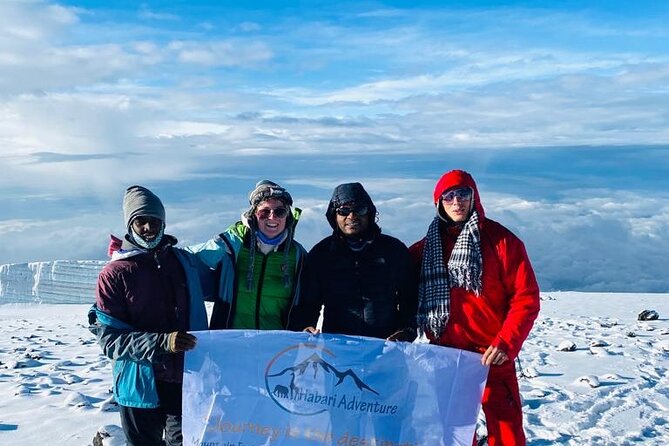
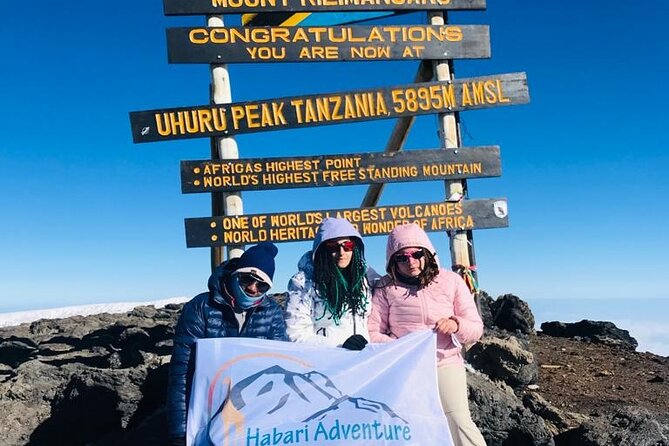
From Stella Point, it is another hour to Uhuru Peak at 5,895 meters. You take summit photographs, then begin the descent. Lunch and a rest at Barafu come before the final walk to Mweka Camp at 3,100 meters.
The stated walking time is about 14 hours, with roughly 21 kilometers covered. Another part of the schedule gives 12 hours, so plan for a very long day rather than relying on the shorter figure. This is the physical and mental center of the climb.
The summit itself may occupy only a few minutes. The real achievement is managing the entire day: cold darkness, slow uphill movement, thin air, the crater rim, the final push to Uhuru, and the long descent afterward.
Guides named in accounts of Habari trips include Yusuph, Abdi, Michael, Ema, George, MK, and Johnson. The praise is especially strong for guides who adjust pace, explain what is happening, and keep morale steady when the summit push becomes difficult. That human support matters more than a polished camp routine on this day.
Safety support includes a pulse oximeter, first aid kit, and emergency oxygen. These tools do not remove altitude risk, and they are not a substitute for sound decisions. You still need to report how you feel honestly and follow the guide’s instructions.
Day 9: Mweka Forest, certificates, and a warm shower
The final walking section runs downhill through Mweka montane forest to Mweka Gate. It takes about three hours and covers around ten kilometers.
At the gate, you complete park formalities and receive a certificate. The vehicle then takes you back to your Moshi hotel, where a warm shower and celebration await.
The downhill walk can be harder than expected on tired legs. Trekking poles, careful steps, and patience help. Even though the summit is behind you, the climb is not finished until you reach the gate.
What the $2,300 price covers
At $2,300 per person, this is not a bare-bones mountain package. The price includes private transportation, park-related fees and taxes, two hotel nights, camping support, and all listed meals. Breakfast is included eight times, lunch eight times, and dinner nine times.
The food arrangement removes one major worry. You do not need to plan meals at each camp or carry several days of provisions yourself. The price also includes a private crew rather than placing you in a larger mixed group.
The exclusions matter. You still budget for:
- Flights
- Entry visa
- Tips for the mountain crew
- Laundry services
Crew tipping is not a minor afterthought. Guides, cooks, and porters make the climb possible, so ask Habari Adventure for current tipping guidance before you arrive. Also confirm what the two hotel nights include, since the schedule spans arrival and post-climb recovery.
For the right person, the value is in the organization and support. You pay for transport, food, lodging, a private guide structure, and assistance with a serious high-altitude climb. If you want the lowest possible price and are comfortable arranging parts yourself, this may not be the best fit.
Who should choose this private climb
This trek suits you if you have moderate physical fitness, can walk for several hours on consecutive days, and accept that summit day will be unusually long. You do not need technical climbing experience according to the supplied information, but you do need stamina and a willingness to move slowly.
It is also a good match for a couple, family, or friend group that wants its own pace. The private setup has particular value when people in the group walk at different speeds. Past groups have included solo women, families, and groups as large as 13, with repeated praise for the guides and porters.
The climb may not suit you if you want short walking days, guaranteed summit success, or a relaxed holiday with a little hiking added. Weather can cancel the experience, and the operator requires a minimum number of participants even though the activity itself is private.
Service animals are allowed, and the route is near public transportation, though most of your actual movement is handled by the included private transport. Confirmation is provided at booking.
Should you book the Habari Adventure Lemosho climb?
I would choose this trek if you value a gradual route, a private crew, included meals, and a careful pre-climb gear check. The route gives you varied scenery and a sensible acclimatization pattern, while the guide team receives especially strong praise for encouragement, flexibility, and care.
I would pause if $2,300 stretches your budget once you add flights, visa costs, laundry, and crew tips. I would also avoid treating the eight-day label as a promise of ease. The climb has long days, high camps, and a summit push that can run for 12 to 14 hours.
For a prepared person who wants Kilimanjaro handled by a local support team, this is a strong option. Book it with realistic expectations, arrive with proper gear, and keep at least one recovery night in your plan after the mountain.
FAQ
How long does the Kilimanjaro Lemosho experience take?
The mountain portion lasts eight trekking days, from Day 2 through Day 9. The full travel plan is about nine days because it includes arrival, a Moshi hotel night, and the return to Moshi after the climb.
Where does pickup take place?
Pickup is offered at Kilimanjaro International Airport. The listed start point is Kilimanjaro National Park, Tanzania, with a start time of 8:00 a.m.
Is this a private tour?
Yes. Only your group participates, so the activity is private rather than a shared group departure.
What is the highest point reached?
You reach Uhuru Peak at 5,895 meters. The route also reaches Stella Point at about 5,756 meters and Lava Tower at about 4,600 meters.
Are meals included?
Yes. The package includes breakfast, lunch, and dinner during the stated schedule. It lists eight breakfasts, eight lunches, and nine dinners.
Are hotel nights included?
Yes. Two hotel nights are included. The schedule places hotel stays in Moshi before and after the mountain trek.
Is transportation included?
Private transportation is included. This covers the airport transfer, the drive to the park entrance, and the return drive to the Moshi hotel after Mweka Gate.
What safety equipment is provided?
The package includes a pulse oximeter, first aid kit, and emergency oxygen. You should still report symptoms to your guide and follow the crew’s safety decisions.
What costs are not included?
Flights, entry visa, laundry services, and tips for the mountain crew are not included in the $2,300 price.
Can I cancel for a full refund?
You can cancel at least 24 hours before the experience start time for a full refund. Cancellations or changes made less than 24 hours before the local start time are not accepted for a refund. If poor weather or insufficient participation cancels the climb, you are offered another date or a full refund.
More Eight-Day Trips in Kilimanjaro
- Climbing Kilimanjaro through 8 days Lemosho Route
★ 5.0 · 52 reviews - Kilimanjaro climb, Northern Circuit route (8-day)
★ 5.0 · 40 reviews - 8 Days Kilimanjaro Hike via Lemosho Route
★ 5.0 · 39 reviews - 8 Days Climbing Mt.Kilimanjaro (Lemosho Route)
★ 4.5 · 37 reviews
Just added around Kilimanjaro
- 6 days Machame route climbing Mt.Kilimanjaro★ 5.0 · 8 reviews
- Mt Kilimanjaro 6 days Marangu route hike★ 5.0 · 3 reviews
- machame route★ 5.0 · 16 reviews
- Private Cycle to Kilimanjaro Bike Park Safari★ 5.0 · 6 reviews
- West Kilimanjaro cycling Adventures★ 4.5 · 8 reviews
- Kilimanjaro Climb • Marangu Route ~ 9 Day★ 5.0 · 4 reviews
- 3 Days Private E-Bike Tour in West Kilimanjaro★ 5.0 · 3 reviews
- Kilimanjaro Climb • Machame Route ~ 10 Day★ 5.0 · 6 reviews