
Reviewed · LEMOSHO ROUTE CLIMBS
Climb Kilimanjaro 8-Day Lemosho Route with Stunning Scenic Views
Kilimanjaro’s 8-day Lemosho route gives you time, and time is one of the best tools you have on Africa’s highest mountain. You start in rainforest, cross the Shira Plateau, pass the Lava Tower for altitude practice, and reach Uhuru Peak at 5,895 meters if your body cooperates.
I like the gradual schedule and the quieter, scenic approach through Lemosho. I also like that the climb is privately operated for your own group, with guides, porters, a cook, tents, meals, emergency oxygen, and daily hot water included. The main drawback is the price, $3,373.24 per person, plus the fact that summit day lasts roughly 12 to 14 hours and begins around midnight.
Key things to know before you book
- Eight days helps with acclimatization: The extra day creates a shorter pre-summit hike and an earlier arrival at Barafu Camp.
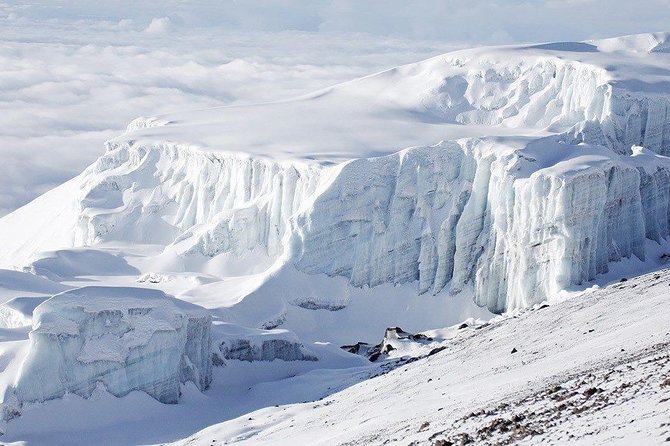
- The scenery changes fast: You move from rainforest to open moorland, high desert, volcanic rock, and glacier country.
- Barranco Wall is hands-on: It is not technical climbing, but you will use your hands in places and face a steep section.
- Summit night is the real test: Expect a midnight start, freezing conditions, steep ground, and a long descent afterward.
- The support team matters: Guides, assistant guides, porters, and a cook are included, along with their wages.
- Private means personal: Only your own group takes part, though group discounts are offered.
Why the 8-day Lemosho route makes sense
Kilimanjaro is not a technical climb on this route. You do not need ropes or specialist mountaineering skills. You do need steady fitness, patience, and the ability to walk uphill for several hours while the air gets thinner.
The chief advantage of eight days is not comfort in the usual sense. You still sleep in tents, carry personal gear, and face cold, dust, fatigue, and altitude. The gain is a slower rise through the mountain’s zones, giving your body more chances to adjust.
The schedule also gives you a shorter day before the summit. You reach Barafu Camp after about four to five hours on Day 6, rather than spending the whole day marching into base camp. That matters because the summit attempt begins around midnight. A few extra hours to eat, organize clothing, and lie down can make a real difference.
The tour costs $3,373.24 per person. That is a serious sum, but it covers much more than a guide and a park entry. The price includes park-related fees and taxes, mountain guides, assistant guides, porters, a cook, tents, camp furniture, sleeping mattresses, meals, drinking water, daily wash water, emergency oxygen, and basic first aid.
You still pay separately for flights, visas, insurance, personal gear, medication, snacks, unspecified drinks, and tips. A portable toilet is optional but highly recommended. You can rent personal trekking equipment in Moshi, which may help if you do not expect to use heavy mountain clothing again.
More Lemosho Route climbs:
- Kilimanjaro climb by Lemosho Route (7-day)
★ 5.0 · 651 reviews - 8-Day Small-group Lemosho Kilimanjaro Summit Trekking
★ 5.0 · 186 reviews - Kilimanjaro Climbing Lemosho Route 8 Days.
★ 5.0 · 186 reviews
Day 1: Londorossi Gate to Mti Mkubwa Camp
After breakfast, you transfer from Moshi to Londorossi Gate for registration. This is where the mountain becomes more than a distant shape on the horizon. Park formalities take place before you begin walking through the forest.
The first hike covers about three to four hours, rising from 2,100 meters to 2,780 meters. Mti Mkubwa means Big Tree Camp, and the setting is a thick rainforest filled with tall trees, damp ground, and changing light.
This is a fairly gentle opening, though you should not treat it as a warm-up you can ignore. A slow pace from the beginning is good practice for the rest of the climb. Keep rain protection handy, since forest weather can be wet even when Moshi is dry.
Your first night shows the practical rhythm of the trip. You walk, arrive at camp, wash with hot water, eat dinner, and settle into a tent. The included camping equipment means you do not need to arrange a separate mountain camp service.
Day 2: Shira Camp One and the first open views
The route continues upward from 2,780 meters to 3,500 meters. The walk takes about five to six hours and leads you out of the rainforest toward the Shira Plateau.
This is one of the most rewarding changes on the route. The trees thin out, the air feels drier, and the horizon opens. You may get your first clear view of Kibo Peak, the volcanic summit cone that contains Uhuru Peak.
Shira Camp One is your first night in this broad upper zone. The distance is manageable, but the altitude begins to matter. Pay attention to your guide’s pace and drink the supplied water regularly. Do not race simply because the trail looks easier.
Day 3: Across the Shira Plateau to Shira Camp Two
Day 3 is a gentler trek across the plateau, rising from 3,500 meters to 3,850 meters. The walk takes about four to five hours.
This day is valuable because it allows you to gain height without a huge jump in walking time. You also get wide views toward Mount Meru and the surrounding wilderness. The openness can feel startling after the forest, and the changing views help keep the day interesting.
Shira Camp Two is also an important rest point before the route becomes more demanding. You are high enough to notice the altitude, but the schedule does not yet ask you to climb the steepest ground. Eat well, keep your feet dry, and use the evening to prepare for the next day.
More treks and hikes around Kilimanjaro:
- Kilimanjaro climb, Machame Route (7-day)
★ 5.0 · 262 reviews - Climbing Kilimanjaro – Machame Route
★ 5.0 · 170 reviews - Climbing Kilimanjaro through 7 days Machame Route
★ 5.0 · 151 reviews - Kilimanjaro climb, Lemosho Route (8-day)
★ 5.0 · 148 reviews
Day 4: Lava Tower acclimatization and Barranco Camp
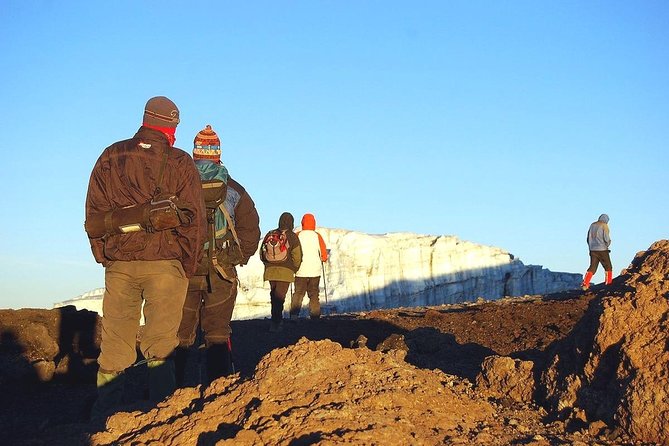
Day 4 is the cleverest part of the schedule. You climb from 3,850 meters toward Lava Tower at about 4,600 meters, then descend to Barranco Camp at 3,900 meters.
On paper, the day ends only slightly higher than it begins. In your body, it provides useful altitude exposure. This is the classic climb high, sleep lower pattern, and it is one reason the eight-day route is considered a strong choice for summit prospects.
The walk takes about six to seven hours through semi-desert terrain. Vegetation becomes sparse, and volcanic rock dominates. Lava Tower is a natural place to pause, eat, and let the guides assess how you are responding to height.
The descent to Barranco Camp brings a welcome change in elevation. Camp sits below the Barranco Wall, which rises sharply above you. It is a dramatic place to spend the night, but do not let the scenery distract you from the next morning’s challenge.
Day 5: Climbing the Barranco Wall to Karanga Camp
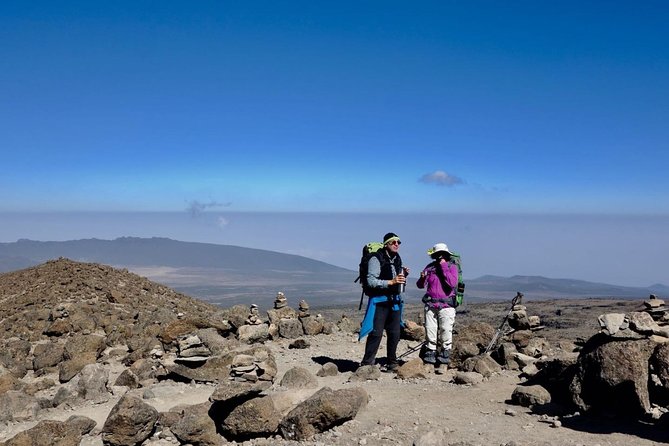
The Barranco Wall is often the section people worry about most. You are not making a technical rock climb, but the trail is steep and involves hands-on scrambling in places. Guides help set the pace and show you where to place your feet.
The best approach is to stay calm and move slowly. The wall rewards patience, not strength. You may find yourself stepping around rocks, using secure handholds, and waiting briefly while the group moves through tighter sections.
After the wall, the route continues toward Karanga Camp, rising to 4,035 meters. The hike takes about four to five hours. Karanga is not the highest camp, but it is an important staging point before Barafu.
You should use this evening to check every item needed for summit night. Put warm layers, gloves, a headlamp, water, snacks, and personal medication where you can reach them easily. The support team provides meals and hot water, but you are responsible for your personal clothing and equipment.
Day 6: Barafu Camp and an early rest
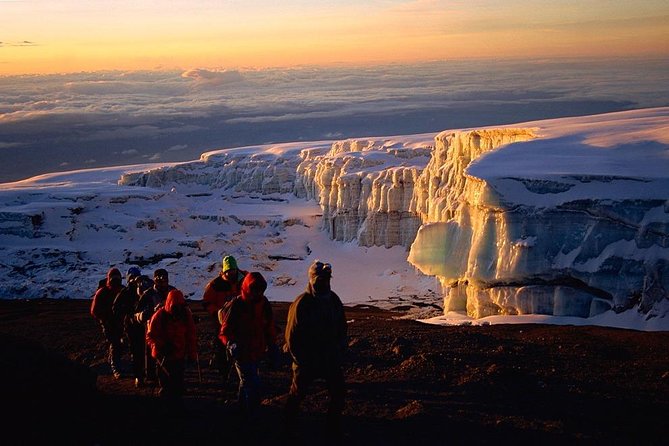
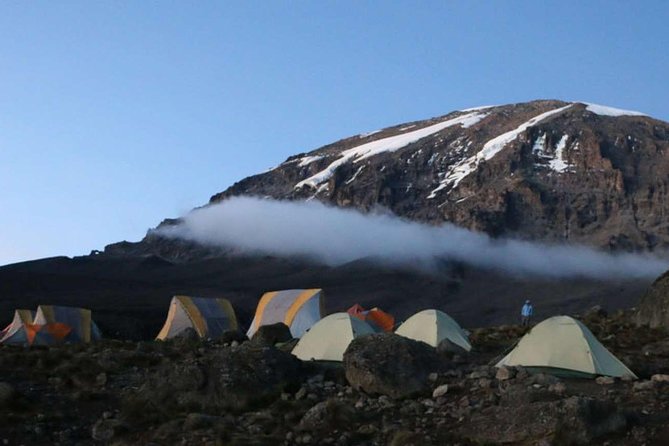
The route from Karanga to Barafu Camp climbs from 4,035 meters to 4,673 meters in about four to five hours. The surroundings are rocky and exposed, with little shelter from mountain weather.
Barafu means ice in Swahili, and the camp serves as the launch point for the summit attempt. You arrive earlier than you would on a compressed seven-day schedule. That is the practical value of this extra day: you can eat lunch, organize your equipment, and rest before leaving around midnight.
Do not expect a normal night’s sleep. You may manage a short nap, but the coming hours are demanding. Eat what you can, drink steadily, and follow your guide’s instructions. The included cook and support crew take care of the main meals, allowing you to focus on rest and preparation.
Day 7: Uhuru Peak, then the long descent to Mweka
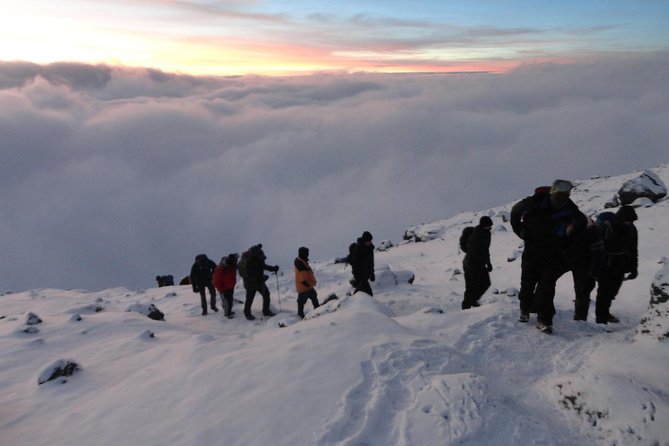
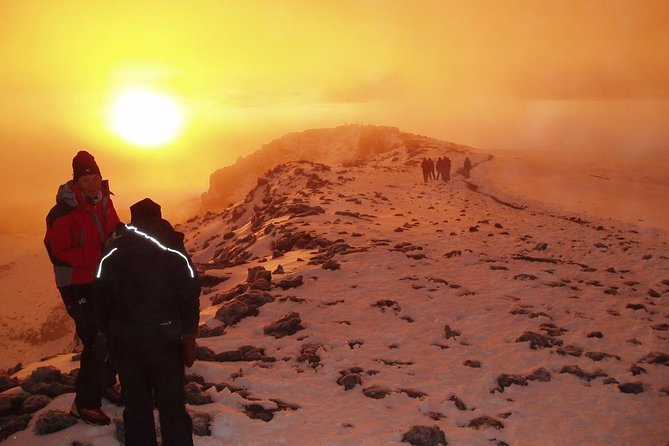
Summit day begins around midnight. You climb from Barafu at 4,673 meters toward Uhuru Peak at 5,895 meters, usually reaching the top near sunrise if conditions and energy allow.
This is the hardest day by far. The walk to the summit takes place in darkness, cold, and thin air. The final ascent is steep, and the slow pace can feel frustrating. You may be moving for hours while the summit appears not to get closer.
The reward is the Roof of Africa at Uhuru Peak. Hikers who reach 5,895 meters receive gold completion certificates. Those who reach Stella Point at 5,685 meters receive green certificates. That distinction is useful to understand before you start: reaching Stella Point is a major achievement, even if your body cannot safely continue to Uhuru.
After the summit, you descend to Mweka Camp at 3,068 meters. The total day lasts about 12 to 14 hours. The descent is not an easy victory lap. Your legs are tired, your knees may complain, and the loose volcanic ground can make going down surprisingly demanding.
Emergency oxygen is included for emergencies only. It is not intended as a way to push through altitude problems or as summit assistance. Travel insurance and health insurance are not included, so arrange those before the climb.
Day 8: Mweka Gate and the return to Moshi
The final walk takes about three hours from Mweka Camp through rainforest to Mweka Gate. After the upper mountain, the return to trees feels cooler, greener, and easier on the lungs.
At the gate, hikers sign their names to receive completion certificates. You are served a hot lunch, present tips to the guide, assistant guides, cook, and porters, then transfer back to Moshi for showers and rest.
Tipping is not included in the price. Bring a plan for gratuities and discuss the arrangement with your group and lead guide before the climb, rather than waiting until everyone is tired at the end.
The tour ends back at the Moshi meeting point. Pickup is offered, and the activity can be arranged for a private group rather than a mixed public departure.
Food, camping, and the human support team
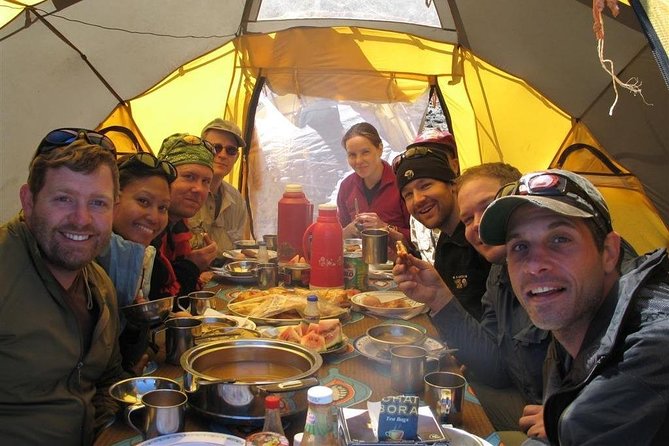
The practical support here is a major part of the value. You receive seven breakfasts, seven dinners, and eight lunches, along with fresh drinking water and hot water for washing each day.
A cook prepares the meals, while porters move shared camping equipment and supplies. Tents, camp chairs, tables, and sleeping mattresses are included. The setup is still mountain camping, not a hotel with a view, but these small comforts matter after a long day.
Past accounts of this operator repeatedly single out the food, friendly support crew, and personal encouragement. Guides named in previous climbs include Justin JT and Sam, while Frazier has been associated with trip planning and pre-climb advice. Ask who will lead your specific departure, since staff assignments can vary.
The company also has a record of handling different group types, including solo clients, families, four-person groups, and a group of nine friends. That makes the private format useful if you want the pace and atmosphere to fit your own party.
Who should choose this climb
This route suits you if you have moderate to good fitness and want the best possible schedule for acclimatization without technical climbing. You should be comfortable walking for up to seven hours on several days and up to 14 hours on summit day.
It is also a good match if scenery matters. The route offers rainforest, the Shira Plateau, views toward Mount Meru, semi-desert terrain, Lava Tower, the Barranco Wall, and the high volcanic zone around Barafu.
You may prefer the seven-day Lemosho version if you are already acclimatized and experienced at altitude. The shorter option is more demanding because it compresses the approach and leaves less time before the summit push. For most first-time climbers, the eighth day is money well spent.
You should not book this expecting an easy walk simply because Lemosho is considered one of the gentler routes. Altitude can affect fit people without warning, and the Barranco Wall and summit night require real effort.
Booking details worth knowing
Confirmation is provided at booking, and the activity is listed as available every day. The schedule runs from midnight to late evening in the operating calendar, though your actual climb follows the eight-day mountain program.
You can cancel for a full refund if you do so at least three full days before the start time. Cancellations or changes made inside that period are not refunded or accepted.
Check the personal gear list with the operator before arrival. Personal trekking gear is not included, though rental shops in Moshi can provide equipment. Visas, flights, insurance, personal medicines, water-purifying tablets, snacks, and extra drinks are also your responsibility.
Should you book the 8-day Lemosho climb?
I would choose this version over the seven-day route unless you already have recent altitude experience. The extra day gives you a shorter approach to Barafu, a better rest window, and a more sensible chance to arrive at summit night with something left in reserve.
The price is not small, but it covers the full mountain support structure rather than just the walking itself. Book it if you value scenery, a private group, strong logistical support, and the most forgiving Lemosho schedule.
Think twice if you dislike camping, struggle with long uphill days, or want a casual holiday with a little mountain walking added on. Kilimanjaro asks for effort from everyone. This tour gives you a well-planned route and a capable support team, but you still have to take each step.
FAQ
Where does the Kilimanjaro climb begin and end?
The activity begins in Moshi Urban, Tanzania, and ends back at the meeting point after the transfer from Mweka Gate.
How long does the Lemosho climb last?
The climb lasts approximately eight days. The longest day is the summit day, which takes about 12 to 14 hours.
Is technical climbing required?
No. Technical climbing is not required, but you need a moderate level of physical fitness. The Barranco Wall is steep and challenging, and summit night involves a sustained uphill climb.
What is included in the price?
The price includes fees and taxes, guides, assistant guides, porters, a cook, their wages, camping equipment, mattresses, fresh drinking water, hot wash water, emergency oxygen for emergencies, a first aid kit, seven breakfasts, seven dinners, and eight lunches.
Are personal trekking clothes and equipment included?
No. Personal hiking and trekking gear is not included. You can rent equipment from stores in Moshi. Personal medicine, water-purifying tablets, snacks, insurance, visas, and flights are also excluded.
What certificate do I receive after the climb?
You receive a green certificate if you reach Stella Point at 5,685 meters. You receive a gold certificate if you reach Uhuru Peak at 5,895 meters.
More Eight-Day Trips in Kilimanjaro
- Climbing Kilimanjaro through 8 days Lemosho Route
★ 5.0 · 52 reviews - Kilimanjaro climb, Northern Circuit route (8-day)
★ 5.0 · 40 reviews - 8 Days Kilimanjaro Hike via Lemosho Route
★ 5.0 · 39 reviews - 8 Days Climbing Mt.Kilimanjaro (Lemosho Route)
★ 4.5 · 37 reviews
Just added around Kilimanjaro
- 6 days Machame route climbing Mt.Kilimanjaro★ 5.0 · 8 reviews
- machame route★ 5.0 · 16 reviews
- Mt Kilimanjaro 6 days Marangu route hike★ 5.0 · 3 reviews
- Private Cycle to Kilimanjaro Bike Park Safari★ 5.0 · 6 reviews
- West Kilimanjaro cycling Adventures★ 4.5 · 8 reviews
- Kilimanjaro Climb • Marangu Route ~ 9 Day★ 5.0 · 4 reviews
- 3 Days Private E-Bike Tour in West Kilimanjaro★ 5.0 · 3 reviews
- Kilimanjaro Climb • Machame Route ~ 10 Day★ 5.0 · 6 reviews