
Reviewed · LEMOSHO ROUTE CLIMBS
Climbing Kilimanjaro through 8 days Lemosho Route
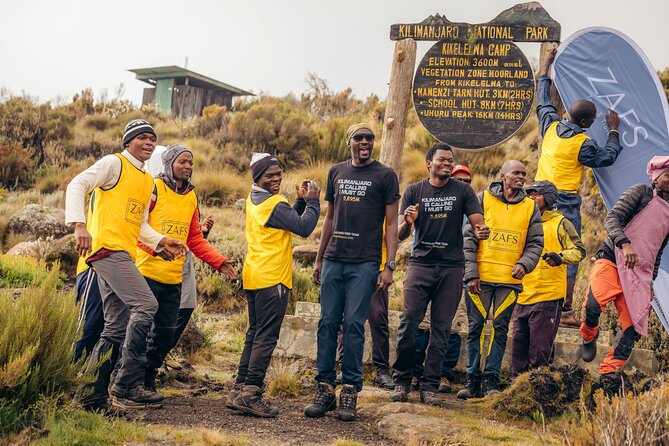
The Lemosho Route gives you Kilimanjaro at its most peaceful. You begin on the western side, far from the busy lower slopes, then cross the broad Shira Plateau before joining the higher mountain trails. Over eight days, the climb rises slowly through forest, open moorland, alpine terrain, and the ice near the summit.
I like the gradual acclimatization and the quieter start. I also like the practical support: private tents, a dining tent, a cook, porters, guides, and three mountain meals each day. The main drawback is simple: eight days on a high mountain demands patience, physical preparation, and a willingness to accept cold, discomfort, and an uncertain summit day.
Key points
- A quieter western approach: The route begins at Londorossi Gate after a roughly four-hour drive from Moshi.
- Eight days for better adjustment: The longer schedule gives your body more time to handle altitude than a shorter climb.
- Several climate zones in one trip: Expect forest, alpine meadows, the Shira Plateau, high volcanic terrain, and permanent ice.
- A full mountain support team: Guides, a chef, waiter, porters, private tents, and a dining tent are included.
- Private group format: Only your group takes part, which can make pacing and daily decisions more personal.
- Strong guide and food feedback: John Jechs, Alex, Prosper, Gabriel, Aubrey, Zachariah, and others are praised in the supplied feedback, though your exact crew may differ.
Why the 8-day Lemosho Route is worth your time
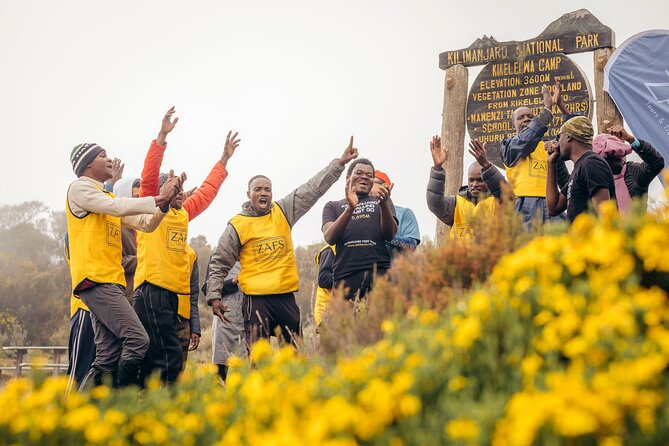
Kilimanjaro is not a technical climbing trip in the usual sense. You do not need ropes or rock-climbing skills for the standard route, but you do need stamina and a sensible attitude toward altitude. The challenge is the height, the long walking days, and the final push toward Uhuru Peak.
The Lemosho Route helps by giving you more time. The eight-day version is slower than a compressed climb, and that matters because altitude affects people in unpredictable ways. A gradual ascent does not guarantee a summit, but it gives you a better chance to adjust and lets the guides monitor how you are coping.
I also like the route’s changing scenery. The western approach feels more remote at the start, then the route reaches the Shira Plateau, one of the memorable open areas on the mountain. From there, you can see how Kilimanjaro changes as you gain height. Forest gives way to open high country, then to sparse alpine ground and the cold upper slopes.
At $2,760 per person, this is not a cheap holiday. It is a mountain expedition with transport, park fees, camping equipment, meals, and a substantial crew included. The price makes more sense when you consider what must be carried, prepared, and managed each day.
More Lemosho Route climbs:
- Kilimanjaro climb by Lemosho Route (7-day)
★ 5.0 · 651 reviews - 8-Day Small-group Lemosho Kilimanjaro Summit Trekking
★ 5.0 · 186 reviews - Kilimanjaro Climbing Lemosho Route 8 Days.
★ 5.0 · 186 reviews
Starting in Moshi at 9:00 am
The meeting point is the Moshi Leopard Hotel on Market Street, with a stated start time of 9:00 am. Pickup is offered, and private transportation is included. The drive to Londorossi Gate takes about four hours, so your first day includes a sizeable transfer before the walking begins.
That drive is useful context. Kilimanjaro is not right outside central Moshi, and the western trailhead is deliberately reached by road. You trade some early convenience for a quieter beginning in a less-visited part of the mountain.
Pre- and post-climb accommodation in Moshi is not included in the listed price, but it can be arranged on request. I would settle this before arrival, especially if your flight schedule requires an overnight stay. The tour begins and ends at the stated meeting point, so confirm how your airport transfers connect with that plan.
The booking is for a private activity, meaning only your group participates. That can be a real advantage on a long climb. You may have more room to discuss pace, breaks, meal needs, and the general rhythm of the day than you would in a large mixed group.
From Londorossi Gate into the western forest
After the drive from Moshi, you enter Kilimanjaro National Park at Londorossi Gate. The early route moves through the western side of the mountain, where the scenery is greener and the feeling is more secluded.
The first section is not about rushing upward. It is about settling into the walking routine. You will be carrying a daypack while porters handle the camping equipment and group supplies. The support system is important here because it lets you focus on steady movement, hydration, and watching how your body responds.
The forest also gives you the first sense that this is not simply a long hike from one viewpoint to another. The vegetation changes with altitude, and the route begins to show Kilimanjaro’s different ecological zones. Wildlife sightings are possible in the remote lower sections, though no specific animal encounters are promised.
At camp, the crew provides a freshly prepared dinner, and the day follows the basic pattern that will continue throughout the climb: walk, eat, rest, and prepare for the next stage. This may sound plain, but a dependable routine becomes valuable when the air gets thinner and the nights become colder.
Reaching the Shira Plateau
The route’s early prize is the Shira Plateau. This broad high area gives Lemosho its particular character. You have left much of the forest behind, and the mountain begins to feel more open, exposed, and wild.
The plateau is also where the route connects with the larger Kilimanjaro trail system. After this point, you may see more climbers because several routes converge higher on the mountain. Even so, the opening days on Lemosho provide a quieter start than many other approaches.
I would not treat the plateau as a quick photo stop. Its value is the gradual change in scale. You can look across open ground, feel the altitude more clearly, and understand that the summit is still a serious distance away. The steady route design helps you avoid spending your strength too early.
Your guide team will set the pace. Names associated with this program include John Jechs, Alex, Martin, Prosper, Aubrey, Gabriel, Erik, and Mushi. Assignments can change, but the feedback places heavy emphasis on guide support, encouragement, safety checks, and clear evening briefings.
More treks and hikes around Kilimanjaro:
- Kilimanjaro climb, Machame Route (7-day)
★ 5.0 · 262 reviews - Climbing Kilimanjaro – Machame Route
★ 5.0 · 170 reviews - Climbing Kilimanjaro through 7 days Machame Route
★ 5.0 · 151 reviews - Kilimanjaro climb, Lemosho Route (8-day)
★ 5.0 · 148 reviews
Walking through Kilimanjaro’s climate zones
One of the best features of the route is the variety of terrain. Over the full climb, you pass through several climate zones, from lower forest and alpine meadows to the stark upper mountain and permanent ice.
The scenery becomes less lush as you gain height. The open moorland has a different feel from the forest, and the upper slopes are much more severe. This changing setting helps break the climb into sections. You are not simply walking uphill for eight days. Each zone gives you a new visual marker and a different sense of progress.
The tradeoff is exposure. Higher ground offers fewer places to shelter from wind and cold, and the terrain can feel bare and demanding. You should expect comfort to decrease as the views improve. That is part of the appeal, but it is also why warm clothing and realistic expectations matter.
Meals are provided each day: breakfast, lunch, and dinner. The chef prepares food on the mountain, and Zachariah is specifically praised for producing varied meals, including for a vegetarian group. Food quality matters more than many people expect. After several hours of walking, a hot meal can help restore both energy and morale.
Coffee and tea are included as well. These small comforts become useful during cold mornings and long evenings in camp.
The value of the mountain crew
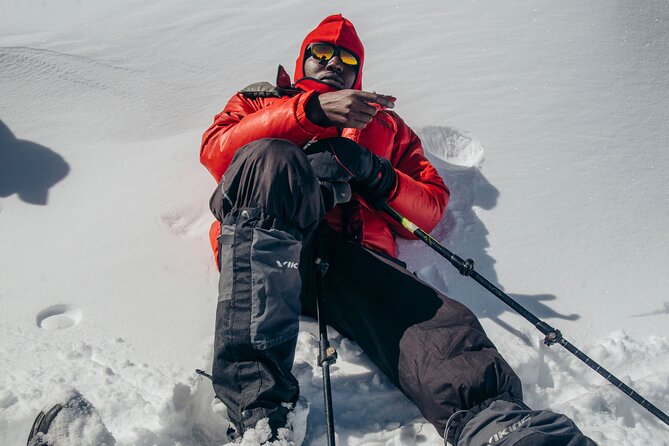
The included crew is one of the strongest practical reasons to consider this trip. You receive experienced guides, a chef, a waiter, and porters, along with private tents, a dining tent, and tents for the crew.
The guides handle more than navigation. They set the walking rhythm, give briefings, watch for signs that altitude is affecting you, and help keep the group focused during difficult sections. One detailed account describes evening briefings and pulse-oximeter checks, but you should confirm the exact medical monitoring procedures with ZAFS Tours before departure.
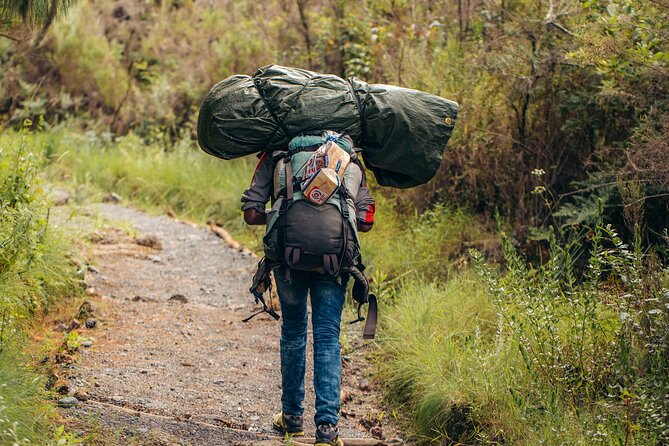
Porters carry the heavy group equipment, while the chef and waiter keep the camp functioning. That division of work allows you to climb with a manageable daypack instead of hauling tents, cooking gear, and food. It also means you should ask the operator about its porter welfare and tipping practices before the trip. The supplied details do not spell those policies out.
The human side of the climb matters, too. Several accounts describe the crew as supportive, friendly, and motivating, with particular praise for guides such as John Jechs, Alex, Prosper, Mussa, and Aubrey. Names may vary by departure, so treat these as examples of the company’s wider guide team rather than a guarantee.
The summit push and Uhuru Peak
The summit day is the part you must respect most. The supplied information does not give exact summit timing, camp names, distances, or elevation figures, so do not book this trip expecting a fixed hour-by-hour plan from the description alone.
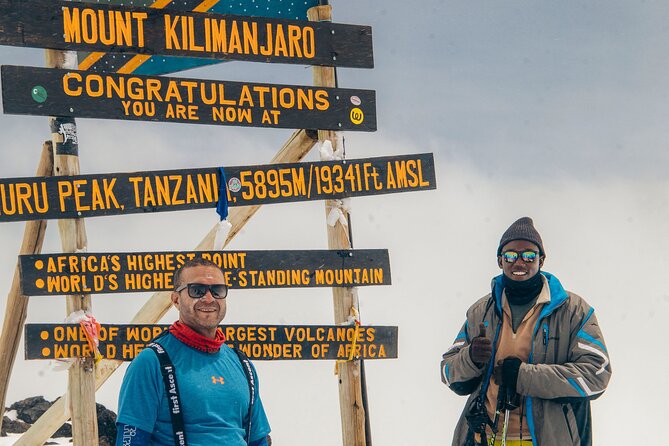
What is clear is that the route is designed to reach Uhuru Peak after a gradual eight-day approach. By summit time, you will have already spent several days walking at altitude, sleeping in tents, and adapting to the mountain routine. That preparation is the main reason I prefer the eight-day option over a rushed schedule.
The final section is likely to feel harder than the earlier days, even if the distance is shorter. Thin air, cold, fatigue, and darkness can change the experience quickly. Your guides will be the people to follow when it comes to pace and safety.
Reaching the summit is not the only measure of a worthwhile trip. Altitude can affect strong and fit people without warning. The responsible choice is to accept the guide’s advice if you need to slow down or stop. The longer route improves your odds, but it cannot remove the mountain’s risks.
Food, tents, and daily comfort
Camping on Kilimanjaro is basic, but this package includes more than a simple tent and a packed lunch. You get private tents, a dining tent, crew tents, three prepared meals, and hot drinks.
The dining tent gives the group a place to eat and receive evening instructions. That shared space can make camp feel more organized, particularly when the weather is cold or unpleasant. It also means you do not have to eat every meal inside your sleeping tent.
The meals are prepared by a mountain chef, not supplied as a bare collection of packaged snacks. Vegetarian meals have been handled successfully by the crew described in the supplied accounts, but you should still provide dietary details at booking.
You should think of comfort in relative terms. A private tent is useful, and hot food is welcome, but this remains a multi-day high-altitude camping trip. There is no promise of hotel-style facilities on the mountain. The main comforts are organization, food, shelter, and a crew that keeps the routine moving.
Cost, private groups, and what is included
The listed price is $2,760 per person. It includes private transport, park fees and taxes, camping equipment, mountain meals, and the guide and support crew. Those inclusions cover many of the expensive parts of a Kilimanjaro climb.
Pre- and post-hike accommodation in Moshi is separate unless arranged on request. You should also ask for a written breakdown of any items not listed, such as airport transfers, personal equipment, tips, drinks beyond the stated coffee and tea, and optional safari arrangements.
The private format adds value if you want a group built around your own party. You are not sharing the activity with unrelated climbers, and the guides can work with your group’s pace and needs. The tradeoff is that private trips can cost more than joining a larger departure, though the listed price should be compared with other operators on an equal basis.
Group discounts are available. Ask how many people are needed to qualify and whether the discount applies to the full package or only the climbing fee.
Who should choose this climb?
This route suits you if you want the best balance of scenery, time, and acclimatization. It is a good match for someone with a moderate fitness level who is willing to train, walk slowly, and spend eight days in mountain camps.
It also suits a family pair or small private group with a specific goal. One account describes a parent and son reaching Uhuru Peak together for a birthday, while another describes a solo climber receiving close support from the team. Those experiences show how the private format can work for different group sizes.
You should think twice if you have very limited time or dislike camping. The seven-day version is available, but the longer program is specifically recommended for better adjustment. A shorter plan may fit a tight schedule, but it gives you less room to respond to a slow start or altitude issues.
This is also not a casual sightseeing excursion. The company asks for a moderate fitness level, and that is a fair baseline. You should be comfortable with repeated walking days and prepared for the final summit effort to be physically demanding.
Booking details and cancellation terms
Confirmation is provided when you book. The meeting point is the Moshi Leopard Hotel, and the stated start time is 9:00 am. Pickup is offered, and the activity ends back at the meeting point.
You can cancel for a full refund if you do so at least 24 hours before the local start time. Cancellations or changes made within 24 hours are not accepted for a refund. The activity also requires a minimum number of participants. If that minimum is not reached and the trip is canceled, you are offered another date or experience, or a full refund.
Because the route involves camping equipment and a large support crew, I would confirm your dates, Moshi accommodation, airport arrangements, dietary needs, and equipment list before paying.
Should you book the 8-day Lemosho climb?
I would choose this trip if your priority is a measured ascent, varied scenery, and a private support team rather than the lowest price. The western start, Shira Plateau, changing climate zones, and eight-day schedule give you a strong route plan for Kilimanjaro.
The best reasons to book are the extra acclimatization time, full camping support, prepared meals, and private group format. The main cautions are the price, the physical demands, the lack of included Moshi accommodation, and the fact that even a well-run climb cannot guarantee a summit.
If you want to give yourself a sensible amount of time on the mountain and value a guide-led experience, ZAFS Tours’ 8-day Lemosho Route is a solid choice. Go in prepared for cold, fatigue, and basic camping, and you will be better positioned to enjoy the scenery and make a clear decision on summit day.
FAQ
How long is the Kilimanjaro Lemosho experience?
The climb takes approximately eight days. A seven-day program is also available, but the longer program is recommended for better acclimatization.
Where does the climb start?
The meeting point is Moshi Leopard Hotel on Market Street in Tanzania. From Moshi, the group drives for about four hours to Londorossi Gate on Kilimanjaro’s western side.
What time does the activity start?
The stated start time is 9:00 am.
Is transportation included?
Yes. Private transportation and pickup are included. The activity ends back at the meeting point in Moshi.
Are meals included on the mountain?
Yes. Breakfast, lunch, and dinner are provided each day on the mountain. Coffee and tea are also included.
Is camping equipment provided?
Yes. The package includes private tents, a dining tent, tents for the crew, and other camping equipment.
Is accommodation in Moshi included?
No. Pre- and post-hike accommodation in Moshi is not included in the listed price, but it is available on request.
More Eight-Day Trips in Kilimanjaro
- Kilimanjaro climb, Northern Circuit route (8-day)
★ 5.0 · 40 reviews - 8 Days Kilimanjaro Hike via Lemosho Route
★ 5.0 · 39 reviews - 8 Days Climbing Mt.Kilimanjaro (Lemosho Route)
★ 4.5 · 37 reviews - 8 Days Great Wildebeest Migration – Mara River Crossing
★ 5.0 · 28 reviews
Just added around Kilimanjaro
- 6 days Machame route climbing Mt.Kilimanjaro★ 5.0 · 8 reviews
- machame route★ 5.0 · 16 reviews
- Mt Kilimanjaro 6 days Marangu route hike★ 5.0 · 3 reviews
- Private Cycle to Kilimanjaro Bike Park Safari★ 5.0 · 6 reviews
- West Kilimanjaro cycling Adventures★ 4.5 · 8 reviews
- Kilimanjaro Climb • Marangu Route ~ 9 Day★ 5.0 · 4 reviews
- 3 Days Private E-Bike Tour in West Kilimanjaro★ 5.0 · 3 reviews
- Kilimanjaro Climb • Machame Route ~ 10 Day★ 5.0 · 6 reviews