
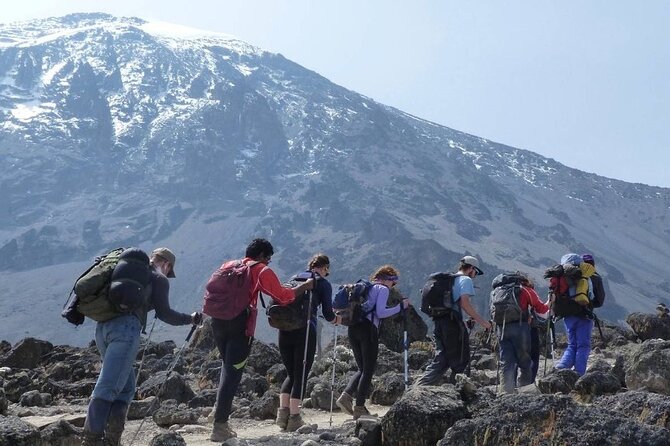
Reviewed · MARANGU ROUTE CLIMBS
Climb Kilimanjaro – Marangu Route 8 Day Program
The Marangu Route is Kilimanjaro’s most direct climb, but its easy reputation can fool you. You sleep in huts instead of tents, walk the same trail up and down, and get a full acclimatization day at Horombo before the summit push. I like the hut accommodation and the extra day at altitude, both useful comforts on a demanding mountain. The big caution is altitude: the route is shorter than many alternatives, and that can tempt unprepared people to move too fast.
I also like the practical support: transport from Moshi, park fees, meals, boiled water, Wi-Fi, and a mountain crew are included. Guides such as John, Issa, Dustin, and Mmasa have been associated with warm, attentive support on past climbs. Still, you must budget for gear, insurance, visas, and tips, and the summit night is a long, cold effort rather than a simple walk.
Key points to know before you book
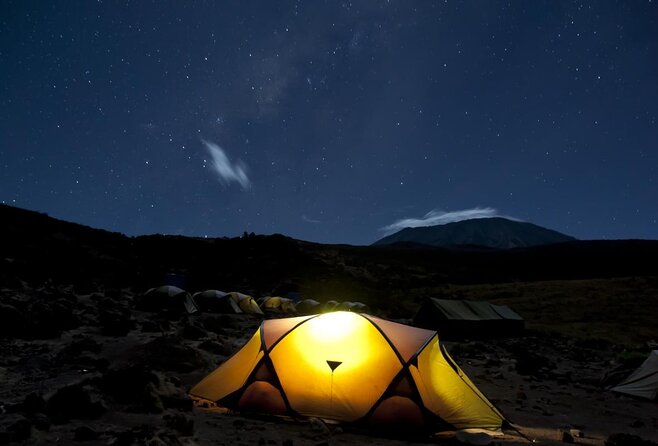
- Sleep in huts instead of tents: Mandara, Horombo, and Kibo provide a roof, though facilities become simpler as you climb.
- Use the extra acclimatization day: The Horombo walk toward Zebra Rocks reaches about 4,100 meters and gives your body more time to adjust.
- Expect a very early summit start: You leave Kibo Hut around 1:00 a.m. and may spend roughly 12 hours walking that day.
- Reach Uhuru Peak at 5,895 meters: The route passes Gilman’s Point before continuing for about two hours along the crater rim.
- Plan for shared trails: Marangu is popular, and the ascent and descent use the same path.
- Check the real cost: The $2,111 price covers many essentials, but not climbing equipment, insurance, visas, or gratuities.
Why the Marangu Route appeals to many climbers
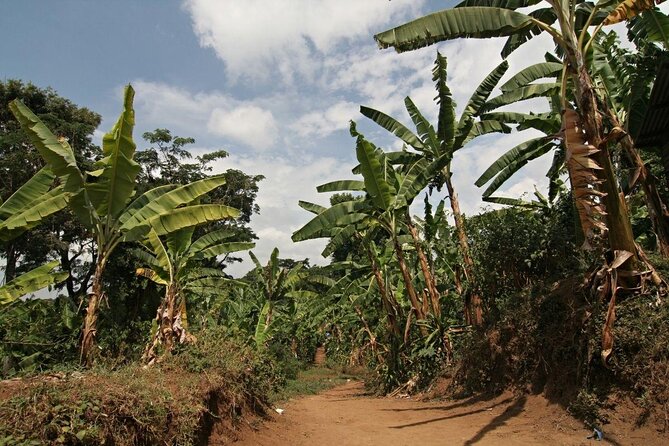
Marangu is often called the tourist route because it offers more services along the way than Kilimanjaro’s tent-based routes. That does not make it easy. You still climb from about 1,800 meters at the park gate to 5,895 meters at Uhuru Peak, with altitude, cold, fatigue, and a brutal summit night to manage.
The main comfort is the hut system. You sleep indoors at Mandara, Horombo, and Kibo rather than carrying a tent or sleeping beneath one. That can help keep equipment dry and gives the climb a more settled rhythm. Bathrooms with running water are available at Mandara and Horombo, while Kibo has no running water.
I would choose this route if you value basic shelter and a clear, straightforward trail. I would not choose it simply because it is described as the shortest or easiest option. The route’s lower success rate is linked to the fact that many people attempt it without enough fitness or altitude preparation.
The eight-day schedule is a major advantage over compressed versions. The extra day at Horombo lets you climb higher, return to the hut, and sleep at 3,720 meters before moving toward Kibo. That slow-and-steady structure matters more than a label such as easy.
More Marangu Route climbs:
- Kilimanjaro climb, Marangu route (6-day)
★ 5.0 · 72 reviews - Climbing Kilimanjaro – Marangu Route
★ 5.0 · 65 reviews - Private Full Day Hiking Experience to Marangu Route
★ 5.0 · 61 reviews
Day 1: Airport pickup and a night in Moshi
Your climb begins with arrival at Kilimanjaro International Airport and transfer to a hotel in Moshi. The program identifies Springlands Hotel as the meeting point and base for the climb.
This first day is simple, but useful. You can rest after your flight, meet representatives, and make sure your bags and equipment are ready. Do not treat arrival day as wasted time. A calm evening gives you a better start than rushing straight toward the gate.
Airport pickup is offered, and transport back to Moshi is arranged after the climb. The program also returns you to Springlands Hotel at the end, where successful climbers receive summit certificates and where you can arrange guide and porter tips.
Day 2: Rainforest walking to Mandara Hut
The morning drive from Springlands Hotel to Marangu Gate takes about 45 minutes. Park registration and other paperwork happen at the gate, so the walk normally begins around 10:30 a.m.
The first trail section rises from about 1,800 meters to 2,720 meters. You spend roughly four hours walking through rainforest, with a lunch stop around the middle of the route. The day takes about seven hours including the gate procedures and hut arrival.
Mandara Hut usually comes into view around 2 or 3 p.m. Once you arrive, you unpack, rest, and have tea or coffee before dinner around 7 p.m. Running water is available in the bathroom area, a welcome feature after the first muddy or humid section of trail.
If you still have energy, walk the short side path to Maundi Crater. It takes about 15 minutes and offers views toward Kenya and northern Tanzania. This small outing is worth doing because it gives you a first sense of the wider mountain setting without adding a major burden.
The rainforest is attractive, but it can also feel damp and warm. Keep rain protection handy, and do not assume the first day’s moderate distance means the whole climb will feel similar.
Day 3: Heather country and Mawenzi views
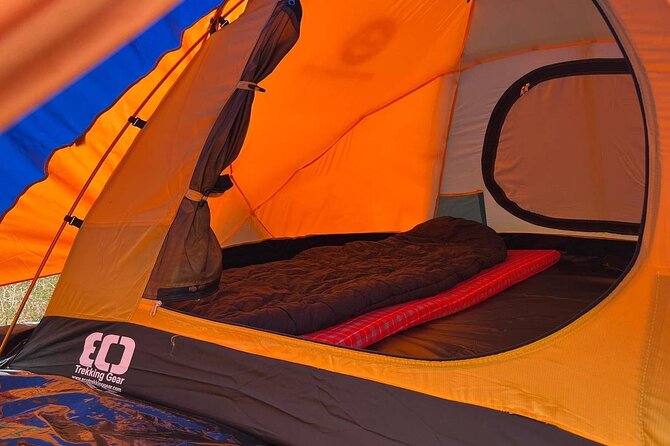
After breakfast around 7:30 a.m., you leave Mandara at about 8:30 a.m. The trail rises from 2,720 meters to 3,720 meters, and the walk to Horombo Hut takes roughly five to six hours.
The forest gives way to lower-heath country, with small shrubs replacing the thicker vegetation. The change is gradual, but it marks a real shift in the climb. You are now gaining altitude at a pace your body will notice.
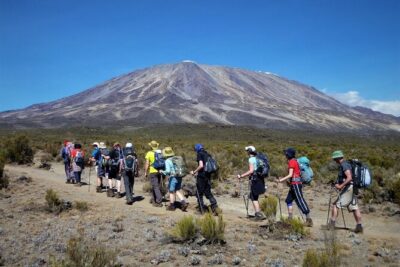
A lunch stop breaks up the day. Along the route, views of Mawenzi become one of the highlights. Mawenzi is the jagged secondary peak of Kilimanjaro, and its sharp form contrasts with Kibo, the broad summit cone that holds Uhuru Peak.
Horombo Hut sits at about 3,720 meters. You should arrive around 3 p.m., leaving time to unpack, rest, and prepare for dinner. Running water is available here too. The hut can make this section feel more manageable, but the higher altitude may bring headache, poor sleep, or unusual tiredness.
Tell your guide early if you feel unwell. The crew is there throughout the trek, and clear communication is more useful than trying to hide symptoms.
More treks and hikes around Kilimanjaro:
- Kilimanjaro climb by Lemosho Route (7-day)
★ 5.0 · 651 reviews - Kilimanjaro climb, Machame Route (7-day)
★ 5.0 · 262 reviews - 8-Day Small-group Lemosho Kilimanjaro Summit Trekking
★ 5.0 · 186 reviews - Kilimanjaro Climbing Lemosho Route 8 Days.
★ 5.0 · 186 reviews
Day 4: Acclimatization near Zebra Rocks
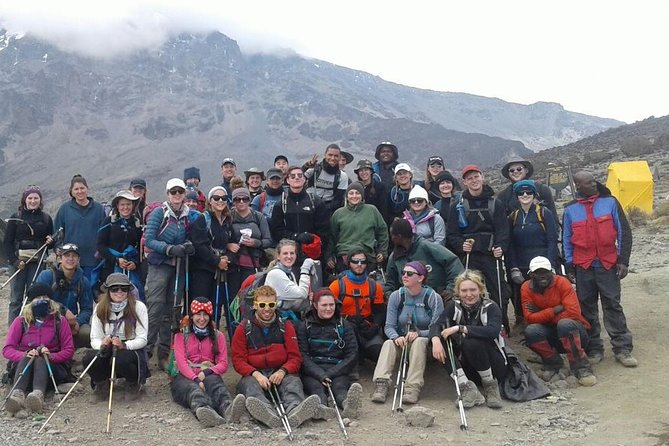
This extra day at Horombo is one of the strongest features of the eight-day plan. Instead of climbing higher immediately, you walk up toward Zebra Rocks, reaching about 4,100 meters before returning to the hut.
That pattern gives you a valuable climb high, sleep lower day. You get a taste of thinner air and changing summit weather, then return to 3,720 meters for the night. It is also a good chance to learn how your body reacts before the route becomes more exposed and demanding.
The walk offers broad views and helps you get familiar with the area around Horombo. You might use the day for photographs, but the main purpose is not sightseeing. It is to give your body more time to adjust.
I would regard this day as a reason to choose the eight-day program instead of a shorter Marangu itinerary. It adds time and cost, but cutting acclimatization is a poor place to save money on a high-altitude climb.
Day 5: Crossing the alpine desert to Kibo Hut
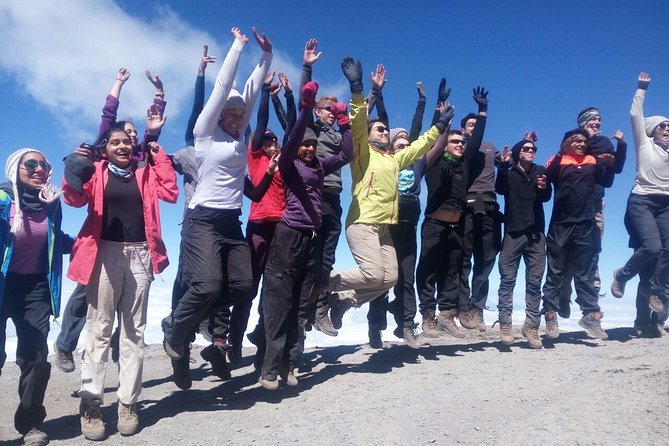
You leave Horombo after breakfast and climb from 3,720 meters to about 4,720 meters. The walking time is six to seven hours, with lunch along the way.
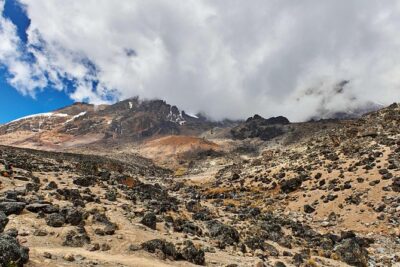
The first half crosses upper-heath country. Then the route reaches the broad saddle between Mawenzi and Kibo. The scenery changes sharply here. Vegetation thins out, and the open alpine desert can feel almost lunar. There is little cover, so sun, wind, and cold can become more noticeable.
Kibo Hut is the final sleeping point before the summit. There is no running water here, so use the facilities at Horombo well and keep your water supply organized. The hut is practical rather than comfortable, and the high altitude may make resting difficult.
This is the day to watch yourself closely. The program specifically advises you to notice signs of altitude sickness and speak with your guide. A headache or fatigue can be minor, but worsening symptoms should never be treated as a test of courage.
Day 6: The 5,895-meter summit push
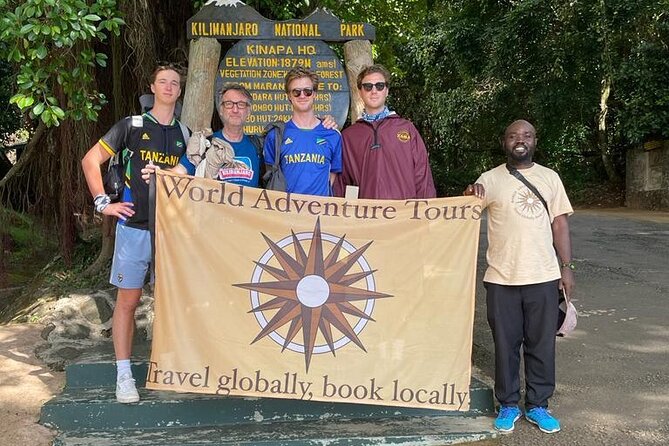
Summit day begins around midnight with a light breakfast. You leave Kibo at about 1:00 a.m., aiming to reach Gilman’s Point around 7:00 a.m.
The climb is slow and demanding. Starting before dawn helps you reach the crater rim near sunrise, but it also means walking while tired, cold, and short on sleep. Dress for the conditions you have prepared for, and keep your pace controlled.
Gilman’s Point sits on the crater rim and offers views into the crater. From there, you continue for about two hours toward Uhuru Peak, the summit at 5,895 meters. Reaching the highest point is the goal, but the crater rim section still requires steady effort.
After time at the summit, you descend to Kibo Hut, collect your belongings, and cross the saddle again toward Horombo. You spend the night at Horombo, after a day that can total about 12 hours of walking.
This is the hardest part of the entire experience. The route may be technically straightforward, but altitude and exhaustion make every step matter. A guide who watches your health and keeps the group moving at a sensible pace is essential. Past climbs associated with guides such as John, Issa, Dustin, and Mmasa describe attentive support, but your own preparation and honesty about symptoms remain crucial.
Day 7: Descending through the forest to Moshi
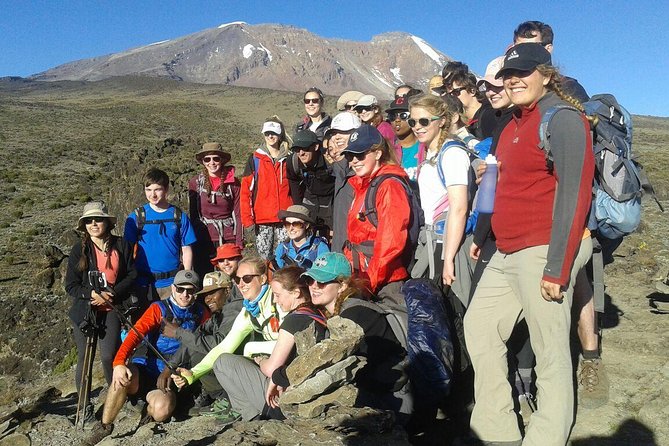
You leave Horombo after breakfast and descend to Mandara Hut for lunch. From there, the trail continues through the rainforest to Marangu Gate.
The total walking time is about six hours, and you should reach the gate around 2 or 3 p.m. Transport then returns you to Moshi and Springlands Hotel, where a hot shower and a proper night’s sleep will feel well earned.
This descent is easier on breathing but can be hard on knees and tired legs. Trekking poles may be useful if you bring or rent them, though climbing gear is not included in the price.
At Springlands, successful climbers receive summit certificates. This is also the appropriate point to organize tips for guides, porters, drivers, and other crew members. Tips are not included, and the program notes that they are highly appreciated.
Day 8: Departure or time for another Tanzania trip
The final day is set aside for departure from the airport or onward travel. The program suggests continuing to a safari, visiting Kenya, relaxing in Zanzibar, or arranging other trips around Moshi and the Kilimanjaro region.
That flexibility makes the climb easy to combine with a longer Tanzania holiday. Still, give yourself enough recovery time before planning anything physically demanding. The summit day and descent can leave you tired even if the climb goes well.
What the $2,111 price really covers
At $2,111 per person, the price is not just a trail permit. It includes national park fees, transport to the mountain and back to Springlands Hotel, hut accommodation, qualified guides, porters, a cook, boiled water, Wi-Fi, and meals.
The listed meal allowance includes eight dinners, nine breakfasts, and eight lunches. That is a substantial part of the value, since food and logistics on a high mountain are not minor expenses.
You still need to pay for:
- Visa costs
- Climbing equipment
- Health or travel insurance
- Tips for guides, porters, and drivers
- Personal items
The price makes the most sense if you need a full service climb with transport, food, permits, and a support crew arranged together. Compare the equipment costs carefully before booking. The headline price is not your final trip budget if you need to obtain warm clothing, boots, a sleeping bag, or other mountain gear.
The group is limited to a maximum of 12 people. That is large enough for a social climb but small enough for the guide team to monitor individuals more easily than in a very large group.
Who should choose this Kilimanjaro climb?
This program suits you if you want the most direct Kilimanjaro route, prefer huts to tents, and appreciate having transport, meals, permits, and a mountain crew organized in advance.
It is also a good fit if you can manage long walking days and want a full extra day for acclimatization. A moderate fitness level is required, but you should prepare seriously for the altitude rather than relying on fitness alone.
I would be cautious about booking it if your only reason is that Marangu is called the easiest route. The summit night lasts many hours, Kibo has no running water, and the altitude can affect people who are otherwise fit.
The same-path ascent and descent are another consideration. You see the route in reverse on the way down, so Marangu offers less variety than routes that climb one side of the mountain and descend another. Its popularity may also mean a busier trail and hut experience at some times.
Should you book the eight-day Marangu Route?
Book it if the hut accommodation, extra Horombo acclimatization day, organized meals, and direct trail matter more to you than route variety. The plan gives you a sensible amount of time for a Marangu climb and avoids the rushed feel of shorter programs.
I would especially favor it over a five-day version for anyone without strong high-altitude experience. The extra day costs more, but it gives your body a better chance to adjust and gives you time to understand how you respond before the summit push.
Before paying, confirm the equipment plan, insurance, tipping expectations, and pickup details. Also remember that the cancellation policy is strict: the experience is non-refundable and cannot be changed after booking.
FAQ
Where does the Kilimanjaro climb begin?
The meeting point is Springlands Hotel in Moshi, Tanzania. Airport pickup from Kilimanjaro International Airport is offered at the start.
How long is the program?
The program lasts approximately eight days, including arrival in Moshi, the climb, return to the hotel, and departure or onward travel.
What altitude does the climb reach?
The summit, Uhuru Peak, is at 5,895 meters. The route also reaches about 4,720 meters at Kibo Hut before the summit attempt.
Where do I sleep during the climb?
Accommodation on the Marangu Route is in mountain huts at Mandara, Horombo, and Kibo. There is no tent camping on the mountain under this program.
Is there an acclimatization day?
Yes. Day 4 is an extra acclimatization day at Horombo Hut, with a walk toward Zebra Rocks at about 4,100 meters before returning to Horombo.
How long is summit day?
Summit day begins around midnight, with departure from Kibo Hut at about 1:00 a.m. The full day of climbing and returning to Horombo takes approximately 12 hours.
Are meals included?
Yes. The program includes dinner, breakfast, and lunch during the climb. The listed allowance is eight dinners, nine breakfasts, and eight lunches.
Is drinking water included?
Boiled water is included on the mountain. Running water is available at Mandara and Horombo, but there is no running water at Kibo Hut.
Are park fees and transport included?
Yes. National park fees, transport to the starting point, and transport back to Moshi at Springlands Hotel are included.
What is not included in the price?
Visas, climbing gear, health insurance, tips for guides, porters and drivers, and personal items are not included. The price is $2,111 per person.
More Eight-Day Trips in Kilimanjaro
- Kilimanjaro climb, Lemosho Route (8-day)
★ 5.0 · 148 reviews - Climbing Kilimanjaro through 8 days Lemosho Route
★ 5.0 · 52 reviews - Kilimanjaro climb, Northern Circuit route (8-day)
★ 5.0 · 40 reviews - 8 Days Kilimanjaro Hike via Lemosho Route
★ 5.0 · 39 reviews
Just added around Kilimanjaro
- 6 days Machame route climbing Mt.Kilimanjaro★ 5.0 · 8 reviews
- machame route★ 5.0 · 16 reviews
- Mt Kilimanjaro 6 days Marangu route hike★ 5.0 · 3 reviews
- Private Cycle to Kilimanjaro Bike Park Safari★ 5.0 · 6 reviews
- West Kilimanjaro cycling Adventures★ 4.5 · 8 reviews
- Kilimanjaro Climb • Marangu Route ~ 9 Day★ 5.0 · 4 reviews
- 3 Days Private E-Bike Tour in West Kilimanjaro★ 5.0 · 3 reviews
- Kilimanjaro Climb • Machame Route ~ 10 Day★ 5.0 · 6 reviews
Marangu Route Climbs, compared.
Browse the lists this tour appears in