
Reviewed · LEMOSHO ROUTE CLIMBS
8 Days Kilimanjaro Climbing Lemosho Route
Kilimanjaro’s Lemosho Route gives you the mountain’s finest opening: quiet forest, broad views across the Shira Plateau, and a gradual approach to Kibo before the hard summit night. I like the extra acclimatization day and the route’s changing scenery, from mossy forest to stark volcanic ground.
I also like that this is a private climb with airport pickup, tents, meals, porters, and rescue fees bundled into the $2,300 price. The main catch is the summit day. You may hike for 12 to 17 hours, beginning around midnight, so this is a serious physical challenge, not a scenic stroll.
Key points to know before booking
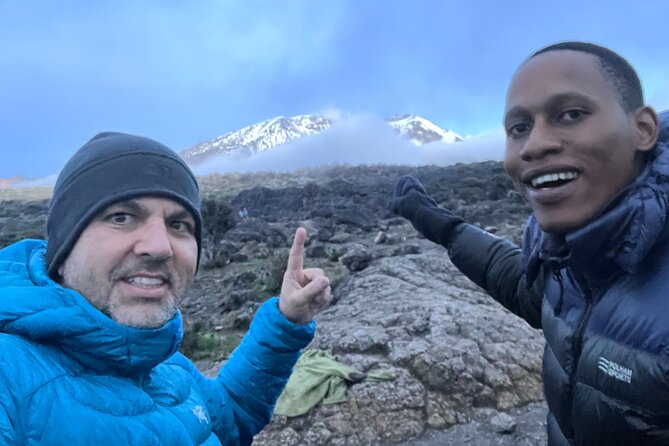
- The route starts in quiet western forest: You begin at Londorossi Gate and hike through moss, flowers, birds, and possible colobus monkey country.
- Eight days gives you useful altitude time: The schedule crosses the Shira Plateau slowly before reaching the higher camps near Lava Tower.
- You climb the Barranco Wall: This is a hands-on section with excellent views of Kilimanjaro’s ice fields.
- The summit push begins around midnight: Expect a long night ascent to Stella Point, then Uhuru Peak, followed by a major descent.
- This is a private group trek: Your group participates on its own, with guides, porters, a cook, tents, meals, water, and rescue cover included.
- The package is strongest for organized first-time climbers: You get airport transfers and a lodge orientation, but you still need to prepare for cold, altitude, and long walking days.
Why the Lemosho Route earns its reputation
Lemosho is often chosen for its beauty, but its real advantage is the way it builds toward the summit. You start on Kilimanjaro’s western side, far from the busier approach routes, and cross the Shira Plateau from west to east.
The first days feel spacious. Crowds stay low until the route meets the Machame trail near Lava Tower. That quiet start matters because it lets you settle into the walking rhythm before the mountain becomes more demanding.
You also get an extra day compared with shorter Kilimanjaro programs. That gives your body more time to adjust as the sleeping altitude rises from about 9,498 feet at Forest Camp to roughly 15,100 feet at Barafu Camp.
The route is not easy simply because it takes eight days. High altitude can affect anyone, and the final summit attempt is long. Still, the schedule gives you a better chance to adapt than a rushed climb.
More Lemosho Route climbs:
- Kilimanjaro climb by Lemosho Route (7-day)
★ 5.0 · 651 reviews - Kilimanjaro Climbing Lemosho Route 8 Days.
★ 5.0 · 186 reviews - 8-Day Small-group Lemosho Kilimanjaro Summit Trekking
★ 5.0 · 186 reviews
Airport pickup and the Moshi orientation
The experience begins with pickup at Kilimanjaro Airport. You then continue to your lodge in Moshi, where the guides explain the trek and inspect your equipment.
That pre-climb check is useful. It gives you a chance to confirm that your boots, warm layers, sleeping gear, and other essentials are ready before you are high on the mountain. The operator also provides mobile-ticket booking and confirmation at the time of purchase.
The trip is private, so only your own group takes part. That can make a real difference on a mountain where walking speed, rest needs, and summit hopes vary. You are not locked into the pace of a large public group, though the guides still control the schedule with safety in mind.
Names connected with this operator include Godfrey and Guiwa. If either is assigned to your trip, confirm their role before departure. Past trek details especially praised careful planning, strong guiding, team spirit, and food, so it is worth asking who will lead your group and how many porters will support it.
Day 1: Londorossi Gate to Forest Camp
The first drive takes you toward Londorossi Gate on Kilimanjaro’s western side. From there, you begin at the Lemosho trailhead, though muddy or rainy conditions can prevent the vehicle from reaching the true starting point.
If that happens, you may have extra walking before the main hike even begins. The planned first-day trek lasts about three to four hours, with a picnic lunch along the way.
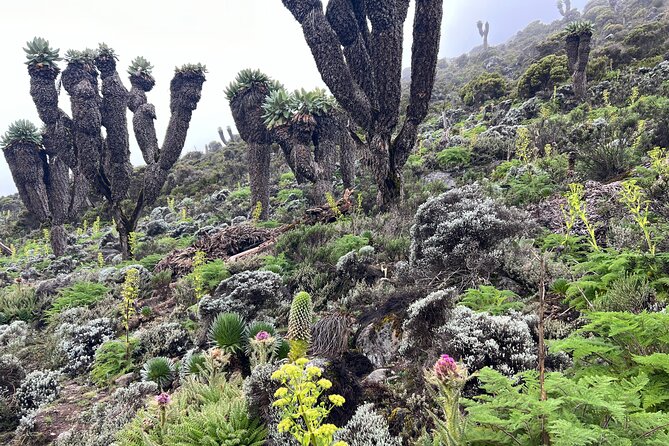
This is a gentle introduction by Kilimanjaro standards. The trail passes through montane forest filled with moss and flowers, and bird calls provide much of the sound track. You might see black-and-white colobus monkeys, while elephant signs can appear in the area.
Forest Camp sits at about 9,498 feet. It is a good first night because you gain altitude without immediately facing a long or steep day. Your private, waterproof, four-season sleeping tent is supplied as part of the package.
Day 2: Open views at Shira 1 Camp
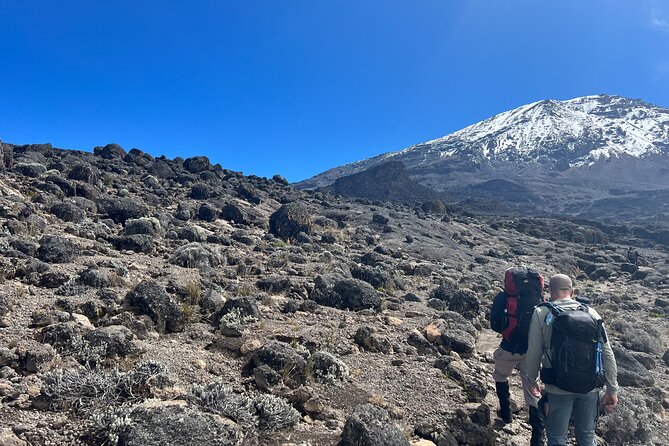
Day two leaves the montane forest and enters the Hagenia zone. The trees thin, the views open, and Kibo’s summit becomes visible for the first time.
The hike lasts about six to nine hours. You move over several ridges, climb to the day’s high point at roughly 11,500 feet, then descend to Shira 1 Camp.
This up-and-down pattern is useful for altitude adjustment, but it can feel longer than the mileage suggests. Keep your pace steady and avoid treating the first open views as a reason to hurry.
The change in scenery is one of Lemosho’s pleasures. In just two days, you go from damp forest and monkey habitat to open high-country views. Shira 1 is also the point where the mountain begins to feel much larger and more exposed.
More treks and hikes around Kilimanjaro:
- Kilimanjaro climb, Machame Route (7-day)
★ 5.0 · 262 reviews - Climbing Kilimanjaro – Machame Route
★ 5.0 · 170 reviews - Climbing Kilimanjaro through 7 days Machame Route
★ 5.0 · 151 reviews - Kilimanjaro climb, Lemosho Route (8-day)
★ 5.0 · 148 reviews
Day 3: The Shira Plateau and Moir Camp
You cross the Heath Zone on day three, continuing across the Shira Plateau while moving toward the western slope of Kibo. The planned walking time is five to six hours, with an overnight altitude of about 13,650 feet at Moir Camp.
A picnic lunch is scheduled at Scott Fisher Memorial Camp, named for the well-known Mount Everest guide. Depending on the weather, the guides may arrange an additional acclimatization hike in the late afternoon.
This is one of the most valuable days in the plan. You are high enough for altitude to matter, but the walking time is moderate compared with summit day. The extra hike, if conditions allow, adds gentle movement rather than simply sitting at camp.
Moir Camp also marks a sharper shift in the surroundings. Trees are gone, vegetation is lower, and the volcanic setting becomes more pronounced. Nights at this height can feel cold, so keep warm layers and sleeping essentials easy to reach.
Day 4: Lava Tower and Barranco Valley
Day four takes you from the Heath Zone into the Alpine Zone. You hike for about four to six hours, passing Lava Camp at roughly 14,300 feet before dropping into the Barranco Valley.
The day follows the classic altitude strategy of climbing high and sleeping lower. You reach a higher point, then descend to the Barranco campsite at about 13,044 feet.
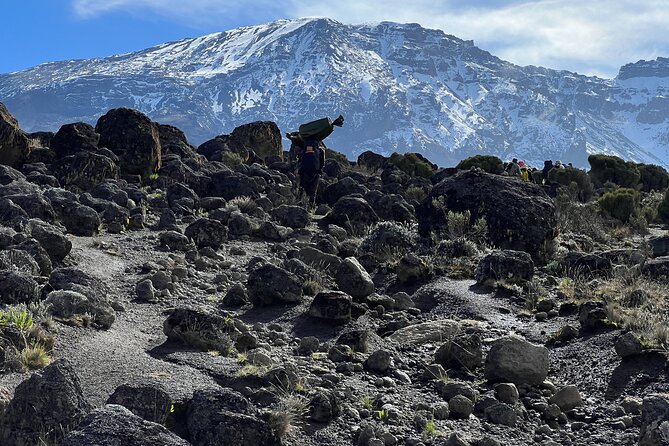
Lava Tower is a dramatic section, with dark volcanic ground and a harsher feel than the earlier trail. The descent into Barranco then brings a welcome change in shape and color. You are not simply trudging uphill all day.
This day can expose how your body is handling altitude. A short schedule does not mean an easy one, so tell your guide if you feel unwell. The package includes an oximeter, and the crew demonstrates safety equipment later at Barafu Camp.
Day 5: The Barranco Wall to Karanga
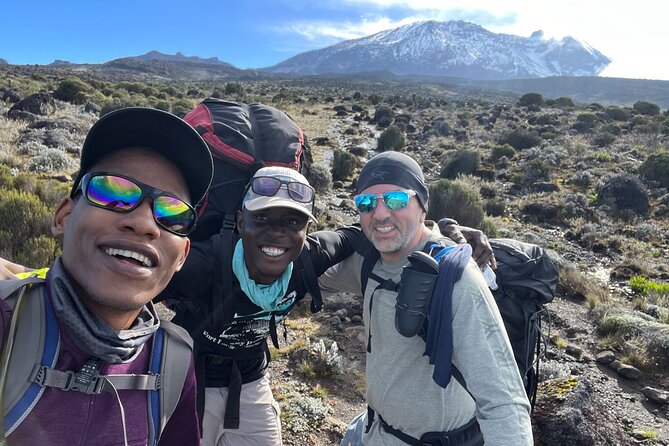
The Barranco Wall is the route’s best-known obstacle. You climb it with views toward Kilimanjaro’s ice fields, then continue across a series of small valleys to Karanga Camp.
Walking time is about three to five hours, with the camp at roughly 13,106 feet. The wall requires careful footwork and some use of your hands, but the itinerary describes it as a climb rather than a technical rock-climbing section.
This is a good place to understand the value of a capable mountain crew. A guide can help with route choices and pace while porters carry the group equipment. You should still expect uneven ground and a slow, deliberate ascent.
After the wall, the trail continues to rise and fall. Do not assume that Karanga is an effortless rest stop. The hours are shorter than on day two, but you are now close to the summit zone, and fatigue can build.
Day 6: Karanga to Barafu Camp
The route climbs for three to five hours from Karanga to Barafu Camp. You cross more small valleys and arrive at the high camp at about 15,100 feet.
Barafu is less about scenic comfort and more about preparation. After settling in, the crew demonstrates the use of safety equipment such as the Gamow bag and oxygen. You have an early supper, then rest before the midnight wake-up.
The schedule can feel strange. You arrive during the day, eat early, and try to sleep while knowing that your hardest effort begins late at night. Pack your headlamp and spare lithium batteries where you can reach them quickly. The itinerary specifically recommends lithium batteries because they perform better in cold, dark conditions.
This is also the point to organize every layer, snack, and personal item. You do not want to search through bags at midnight. Alcohol and soft drinks are not included, and personal spending money is your responsibility, though meals and purified drinking water are supplied on the mountain.
Day 7: Stella Point, Uhuru Peak, and Mweka Camp
Summit day begins around 11 PM or midnight. You ascend by headlamp for about six to seven hours to Stella Point, then continue another one to two hours to Uhuru Peak at 19,341 feet.
Many people aim for sunrise, but the exact arrival time depends on pace, energy, and altitude response. The schedule allows for a wide range, and that is realistic. You may reach the summit earlier or later than the group’s hoped-for time.
The final approach is cold, dark, and demanding. Break the climb into small sections, follow the guide’s pace, and save energy for the stretch beyond Stella Point. Reaching Uhuru Peak is a major achievement, but the day is far from over.
After photos and a summit celebration, you descend to Barafu for lunch, then continue to Mweka Camp at about 10,448 feet. The full day usually lasts 12 to 17 hours. This is the biggest consideration when deciding if the tour suits you.
Mweka is a welcome lower camp, but you will be tired. The descent can be hard on knees and legs after the summit effort. That night is less about celebrating late and more about eating, drinking water, and sleeping.
Day 8: Final descent and return to town
The last morning involves about three to five hours of hiking to the trailhead. You have lunch there, say goodbye to the mountain crew, and return to town.
Arrival at your lodge is usually between 3 and 5 PM. That makes the final day manageable compared with the summit day, but it is still a proper hike after the previous night’s effort.
The descent also gives you one last look at how quickly Kilimanjaro changes. In a few days, you have moved from forest to high volcanic ground and back toward the lower trailhead.
What the $2,300 price covers
At $2,300 per person, the package includes the major costs that can make a Kilimanjaro climb expensive:
- All national park fees
- Professional mountain guides
- Porters and cook salaries
- Airport transfers
- Private waterproof four-season sleeping tents
- Purified drinking water
- All meals on the mountain
- Rescue fees
- Oximeter use
- Breakfast on all eight days
- Lunch on all eight days
- Dinner on seven days
That list gives the price real value. You are not paying only for trail access. You are paying for transport, park entry, food, camp support, mountain staff, safety equipment, and a private operating setup.
Tips are not included, nor are alcoholic drinks, soft drinks, souvenirs, and other personal expenses. You should budget for those separately. The package does not state a tip amount, so ask the operator for current guidance before you arrive.
Food, water, tents, and mountain support
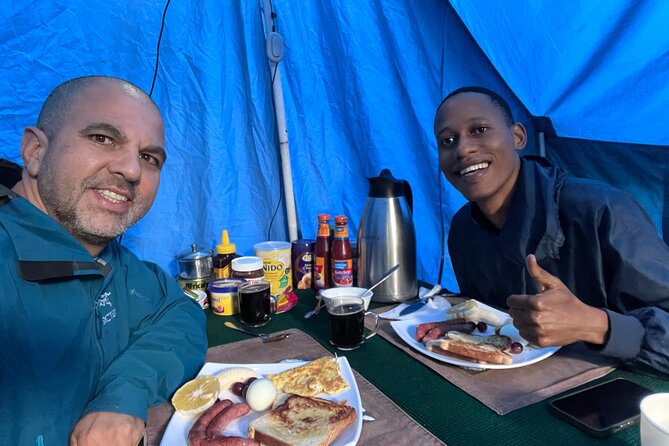
The food arrangement is one of the stronger practical features. A cook prepares meals while you are on the mountain, and all scheduled breakfasts and lunches are included, along with seven dinners.
Purified drinking water is supplied. That removes one major packing concern, though you still need a suitable personal bottle or hydration system.
The sleeping tents are described as private, waterproof, and suitable for four seasons. That is important at high camp, where wind and cold can make a basic shelter unpleasant. The information does not specify tent size or sleeping-mat details, so confirm what personal sleeping equipment you need to bring.
Porters carry group supplies, while the guides manage the route and daily schedule. Reviews of this operator repeatedly praised the entire team, especially the friendly support, strong food, and the way the crew helped keep the group together at the summit.
Who should choose this climb
I would point this tour toward a fit adult who wants a well-supported Kilimanjaro attempt and values a slower route over the shortest possible itinerary. The eight-day schedule gives you more time than a rushed climb, and the private format can make the pace more personal.
It also suits someone who wants the full mountain experience rather than only the summit photo. The forest, Shira Plateau, Lava Tower, Barranco Wall, and Mweka descent provide a better sense of Kilimanjaro’s changing zones.
You should think twice if the idea of a 12 to 17-hour summit day is intimidating. Most travelers can participate according to the supplied tour information, but the route still demands stamina, patience, and comfort with cold, darkness, steep ground, and altitude.
Free cancellation is available if you cancel at least 24 hours before the start time. Within 24 hours, the payment is not refunded, and changes are not accepted.
Should you book the eight-day Lemosho Route?
Book it if you want Kilimanjaro’s most scenic approach, a private group, an extra acclimatization day, and a package that handles the major logistics. The $2,300 cost is sensible when park fees, guides, porters, cook, transfers, tents, meals, water, and rescue cover are all included.
Before paying, confirm the assigned guide team, exact equipment list, airport pickup details, and tipping expectations. If your priority is the best balance of scenery, altitude preparation, and support, this eight-day Lemosho plan is a strong choice.
FAQ
Where does the Kilimanjaro climb begin?
The tour starts with pickup at Kilimanjaro Airport. After going to a lodge in Moshi for orientation and equipment checks, you travel to Londorossi Gate on the western side of Mount Kilimanjaro.
How long is the Lemosho Route tour?
The tour lasts eight days. Hiking times range from about three to nine hours on most days, while summit day usually takes 12 to 17 hours.
What route is used for the descent?
The ascent follows the Lemosho Route. After reaching the summit, you descend through Barafu Camp to Mweka Camp and use the Mweka Route to leave the mountain.
Is the tour private?
Yes. This is a private tour and only your group participates.
Are meals and drinking water included?
Yes. All meals while on the mountain are included, along with clean, purified drinking water. Breakfast is included for eight days, lunch for eight days, and dinner for seven days.
Are airport transfers included?
Yes. Airport transfers are included in the package, and pickup is offered from Kilimanjaro Airport.
What is not included in the price?
Alcoholic drinks, soft drinks, tips, souvenirs, and other personal spending are not included. Free cancellation is available up to 24 hours before the experience begins.
More Eight-Day Trips in Kilimanjaro
- Climbing Kilimanjaro through 8 days Lemosho Route
★ 5.0 · 52 reviews - Kilimanjaro climb, Northern Circuit route (8-day)
★ 5.0 · 40 reviews - 8 Days Kilimanjaro Hike via Lemosho Route
★ 5.0 · 39 reviews - 8 Days Climbing Mt.Kilimanjaro (Lemosho Route)
★ 4.5 · 37 reviews
Just added around Kilimanjaro
- 6 days Machame route climbing Mt.Kilimanjaro★ 5.0 · 8 reviews
- machame route★ 5.0 · 16 reviews
- Mt Kilimanjaro 6 days Marangu route hike★ 5.0 · 3 reviews
- Private Cycle to Kilimanjaro Bike Park Safari★ 5.0 · 6 reviews
- West Kilimanjaro cycling Adventures★ 4.5 · 8 reviews
- Kilimanjaro Climb • Marangu Route ~ 9 Day★ 5.0 · 4 reviews
- 3 Days Private E-Bike Tour in West Kilimanjaro★ 5.0 · 3 reviews
- Kilimanjaro Climb • Machame Route ~ 10 Day★ 5.0 · 6 reviews