
Reviewed · MARANGU ROUTE CLIMBS
5 Days Marangu Route – Mount Kilimanjaro Trek
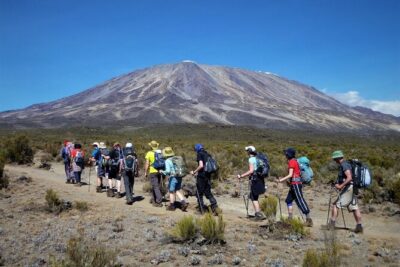
The big draw here is a direct, classic climb to Uhuru Peak at 5,895 meters, using Kilimanjaro’s Marangu Route and its mountain huts. You begin in rainforest, cross the moorland, sleep near the high saddle, and make the final push under a dark sky so sunrise arrives near Gillman’s Point.
I like the clear seven-day shape, with a full arrival day for briefing and equipment checks, and I like the personal guide service. Guides named by past clients include Meshack, Maziku, Franky, John, and Julius. The main caution is the five-day route’s fast altitude gain. The summit day is long and hard, and Marangu gives you less time to adjust than longer routes.
Key points before you book
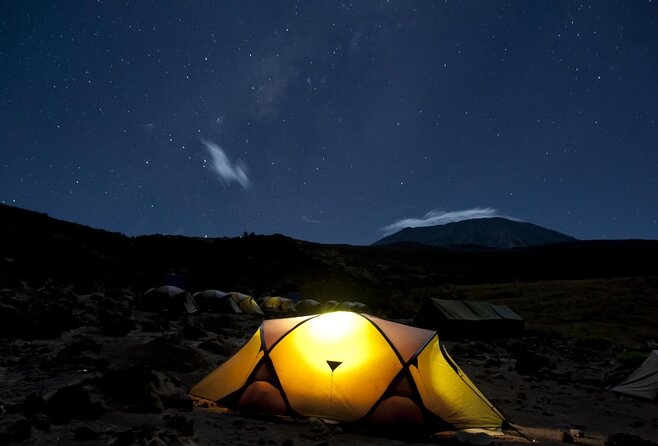
- Midnight summit climb: You leave Kibo Hut around midnight for the toughest stage of the trek.
- Five hiking days, seven days total: Arrival, trekking, return to Moshi, and a free departure day make up the full schedule.
- Hut-based route: You sleep at Mandara, Horombo, and Kibo Huts rather than camping.
- Strong guide focus: Meshack, Maziku, Franky, John, and Julius are named as guides who have led this experience.
- Small maximum group: The group is capped at 15 people, which should allow more direct contact with your guide.
- Price of $1,500 per person: The value depends on what you need from the operator, since the supplied details do not spell out every inclusion.
What the $1,500 price means
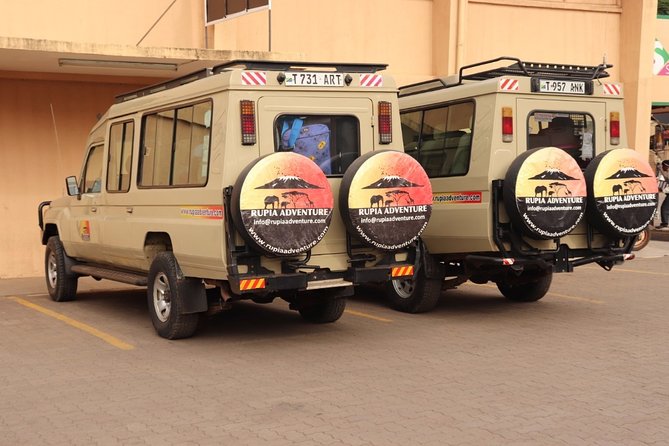
At $1,500 per person, this trek sits in a range where you are paying for more than a simple walk up a mountain. The plan includes airport pickup, a hotel night, a guide briefing, an equipment check, transfers to and from the park, mountain guiding, hut nights, and the final return to Moshi.
I would ask for a written list of inclusions before paying. The supplied details confirm pickup, transfers, guiding, accommodation along the route, and a chance to rent missing gear. They do not specify meals beyond the meals described during the trek, park fees, porter arrangements, tips, or airport departure transfer.
That question matters on Kilimanjaro. Small extra costs can affect the true price, especially if you need to rent equipment or plan to tip the mountain crew. The advantage of this operator is the practical setup: you meet the guide before the climb, check your gear, and have a chance to correct problems before leaving for the gate.
The group limit of 15 is also useful. It is not a private climb, but it is small enough for the guide to keep a closer eye on the group than on a large expedition. If you want a private departure or a smaller party, ask before booking.
More Marangu Route climbs:
- Kilimanjaro climb, Marangu route (6-day)
★ 5.0 · 72 reviews - Climbing Kilimanjaro – Marangu Route
★ 5.0 · 65 reviews - Private Full Day Hiking Experience to Marangu Route
★ 5.0 · 61 reviews
Day 1: Airport pickup, Moshi, and the gear check
Your first day begins at Kilimanjaro International Airport, where you are picked up and taken to your hotel. The plan refers to accommodation in Moshi and also names Panama Hotel or Mvuli Hotel in Arusha, or an alternative, so confirm the exact town and hotel when you book.
This is not a throwaway arrival day. You meet your guide, hear the plan for the climb, and check your mountain equipment. If something is missing, gear can be rented on this day. That is one of the most useful parts of the schedule because a bad jacket, poor footwear, or missing cold-weather item becomes a serious problem high on the mountain.
Use this meeting to ask direct questions about the summit timetable, the walking pace, and what happens if you need to turn back. You have little room for surprises on a five-day route.
Day 2: Marangu Gate to Mandara Hut
After breakfast, you leave your lodge and drive to Marangu Gate. Park paperwork comes first, then the walk begins through dense rainforest.
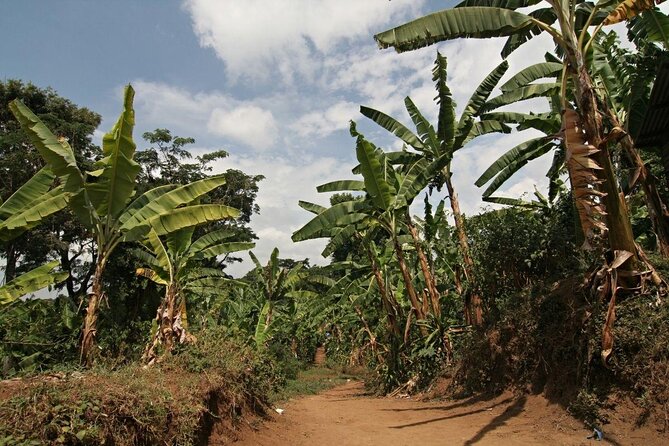
The lower section gives you the most dramatic change in scenery. The forest is thick, humid, and full of tall vegetation. You may also spot primates along the way. This is a steady introduction to the route, but do not treat it as an easy stroll. The altitude begins to matter as the trail rises, and a slow pace is your friend.
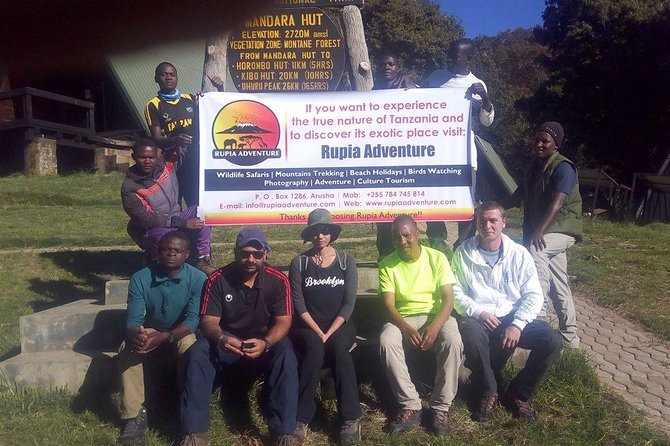
Mandara Hut is the first overnight stop. After settling in, your guide can take you to Maundi Crater. This extra walk offers views toward the Kenyan interior and gives you a memorable first look beyond the forest. It is a worthwhile outing, but your legs may already be tired after the approach to the hut.
The hut system is a practical reason to choose Marangu. You are not carrying a tent and camping gear, though the route’s hut accommodation does not make the climb soft. The mountain still demands steady walking, cold-weather clothing, and careful attention to how your body feels.
Day 3: Mandara Hut to Horombo Hut
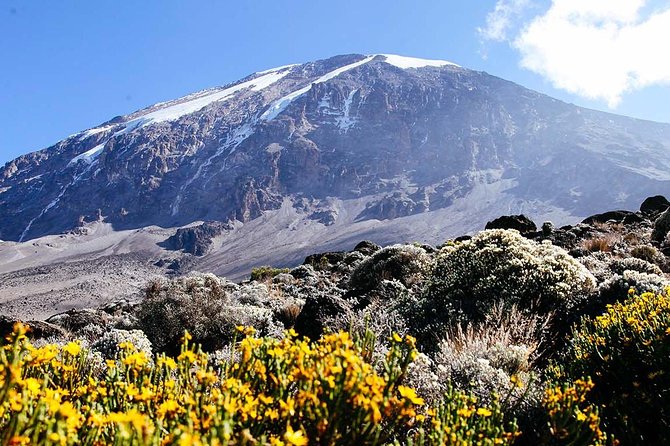
You start after breakfast and soon leave the rainforest behind. The trail reaches the timberline, then moves into heath and moorland, with lower vegetation and wider views.
The walk to Horombo Hut takes about four to six hours. Horombo sits at roughly 3,700 meters, so this is the point where altitude becomes a more serious concern. Mawenzi, Kibo, and the broad Masai steppe come into view, giving you a strong sense of the mountain’s scale.
I like this stage because it changes the character of the trek. The forest is gone, the air feels thinner, and the route begins to look like a high mountain crossing rather than a tropical hike. The views toward Mawenzi and Kibo are also among the best visual rewards of the climb.
The drawback is the short schedule. On many mountain routes, extra time is used to help the body adjust. Here, you move from Mandara to Horombo, then onward toward Kibo the next day. Walk slowly, drink as directed by your guide, and tell the guide early if you develop symptoms of altitude sickness.
More treks and hikes around Kilimanjaro:
- Kilimanjaro climb by Lemosho Route (7-day)
★ 5.0 · 651 reviews - Kilimanjaro climb, Machame Route (7-day)
★ 5.0 · 262 reviews - Kilimanjaro Climbing Lemosho Route 8 Days.
★ 5.0 · 186 reviews - 8-Day Small-group Lemosho Kilimanjaro Summit Trekking
★ 5.0 · 186 reviews
Day 4: Horombo Hut to Kibo Hut
This is a long and demanding day. The trail passes the last water point before reaching the saddle, a nearly bare plateau connecting Kibo with Mawenzi.
The walk to Kibo Hut usually takes five to six hours. Vegetation becomes scarce, and the open ground makes the high altitude feel more obvious. The views change again, with Mawenzi and Kibo framing the route across the saddle.
Kibo Hut is the staging point for the summit. You eat an early evening meal, then try to sleep early because the night will be short. That early bedtime is not a luxury. You may begin the summit attempt around midnight, so the hours before departure are your best chance to rest.
This is also when the five-day format shows its limits. You have gained a great deal of height in a few days. Some climbers handle that well, while others find the pace difficult. A past participant described the summit stage as tough even after first climbing Mount Meru for acclimatization. That detail is useful: strong fitness helps, but it does not remove the effects of altitude.
Day 5: Gillman’s Point, Uhuru Peak, and the long return
Summit day is the heart of the experience and the part that demands the most from you. You leave Kibo Hut around midnight, climbing in darkness toward Hans Meyer Cave at about 5,220 meters.
The trail continues upward slowly. The cold, fatigue, and thin air can make each step feel deliberate. At sunrise, you aim to reach Gillman’s Point at 5,681 meters, on the crater rim. The rising sun brings warmth after the night climb, and the timing gives this section its emotional force.
From Gillman’s Point, you continue for another one to two hours toward Uhuru Peak. At 5,895 meters, this is the highest point in Africa. Reaching it is not guaranteed, and your guide’s judgment matters. If you are unwell, turning around is the sensible choice, not a failure.
After the summit, you return to Kibo Hut for a warm meal and a one to two-hour break. Then you continue down to Horombo Hut. This is a very long day, combining the summit ascent, descent to Kibo, rest, and further descent. Expect to be tired by the time you reach Horombo.
The schedule is efficient, but it is not gentle. One past climber reached Uhuru Peak at about 6 a.m. after starting around midnight. That gives you a useful sense of the timing, though exact conditions and walking speed will vary.
Day 6: Horombo Hut to the park gate
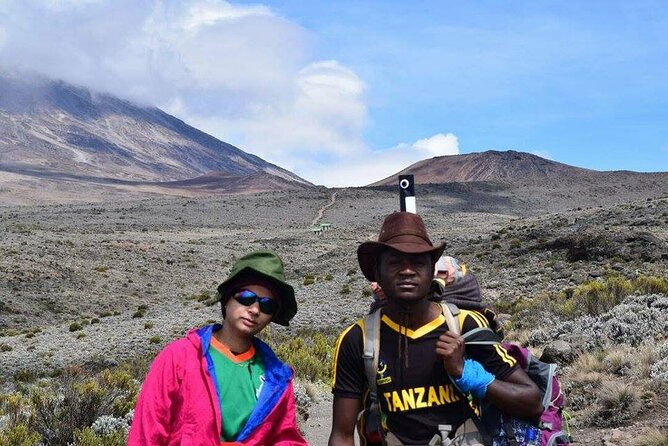
The final mountain stage retraces the route through heath and moorland toward Mandara Hut, at about 2,700 meters. A warm lunch is planned there before you continue into the rainforest.
The descent takes about six hours in total before you reach Kilimanjaro National Park Gate at roughly 1,860 meters. Going down is usually easier on breathing, but it can be tiring on the knees and feet after the summit effort.
At the gate, you say goodbye to the mountain guides and transfer back to your hotel in Moshi. A hot shower and a proper rest are well timed here. The day is not just a transfer from mountain to town. It gives you a clear finish to the climb and a chance to celebrate reaching the summit.
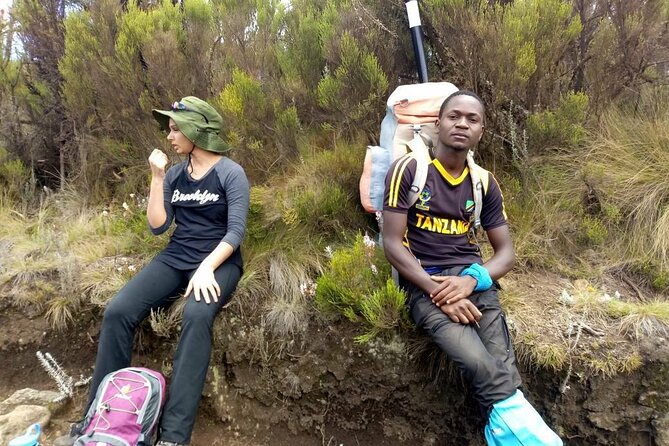
The named guides are an important part of the experience. Meshack and Maziku are described as upbeat and good company, while Franky is praised for knowing the mountain well and sharing useful tips. John and Julius are also identified as professional and strong. Since guide assignments can change, treat these names as examples rather than a guarantee.
Day 7: A quiet finish before your flight
The last day is left open so you can recover before flying home. If your flight is later, you can explore Moshi and buy souvenirs before heading to the airport.
This free day is a smart part of the plan. After the summit and descent, you may not want another scheduled activity. You can also extend the trip with a safari or a Zanzibar stay, though those additions are separate from the trek and should be arranged as extra travel.
What to pack and check before departure
The operator offers an equipment check and rental options on the first day. Still, I would not arrive without knowing exactly what is available to rent and what it costs.
Ask about:
- Cold-weather layers for the summit night
- Waterproof clothing and sturdy footwear
- Headlamps for the midnight start
- Sleeping equipment supplied at the huts
- Walking poles and other rental gear
- Meals and drinking water during the trek
These points are not all specified in the supplied plan, so get clear answers before you fly. The most important preparation is not fancy equipment. It is having clothing and footwear that keep you warm, dry, and comfortable for a long ascent and descent.
You should also be ready for early starts, basic hut accommodation, changing temperatures, and a demanding summit day. Most people can take part, but the route still requires good physical condition and a willingness to walk for many hours at altitude.
Who should choose this Marangu trek?
This experience suits you if you want the classic Marangu route, prefer huts to camping, and value a guide who handles the route and mountain schedule. It also works well if you want airport pickup, a pre-trek briefing, and a free recovery day at the end.
It may be less suitable if you want a slow altitude program with extra acclimatization days. The five-day route reaches Kibo quickly, and the summit attempt is strenuous. If you are unsure about altitude, ask Rupia Adventure if a longer version or a Mount Meru acclimatization plan is available.
The route also suits people who want a straightforward climb rather than a heavily customized expedition. The maximum group size is 15, so you get a shared experience with some group structure. Ask about a private option if personal pacing is your top concern.
Booking details worth knowing
Confirmation is provided at booking. Pickup is offered, and the experience uses a mobile ticket.
The cancellation policy is strict: the booking is non-refundable and cannot be changed for any reason. If poor weather forces cancellation, you are offered a different date or a full refund. If the minimum number of participants is not met, you are offered a different date or experience, or a full refund.
Read that policy carefully before committing. Kilimanjaro plans involve flights, hotels, and gear, so you may also want separate travel insurance that covers trekking and high-altitude activity.
Should you book it?
Book this trek if you want a hut-based Kilimanjaro climb with airport pickup, a clear seven-day schedule, a small maximum group, and a direct path to Uhuru Peak. The guides receive especially strong praise for good humor, mountain skill, professionalism, and practical advice.
Think twice if you need a leisurely acclimatization schedule. The Marangu Route can be more comfortable than camping routes, but the five-day ascent is still serious. Before paying $1,500, confirm the hotel location, meals, park fees, porter arrangements, equipment rental, and every airport transfer.
For a prepared climber who accepts the tough summit night, this is a practical and focused way to attempt Africa’s highest point. For anyone uncertain about altitude or fitness, spend more time on preparation or ask about a longer plan.
FAQ
How long is the Mount Kilimanjaro experience?
The full program lasts about seven days. Five days are spent trekking, with an arrival and preparation day before the climb and a free departure day afterward.
What route does the trek use?
The trek uses the Marangu Route.
What is the highest point reached?
The summit goal is Uhuru Peak, which is listed at 5,895 meters.
Where do I sleep during the mountain trek?
The route uses Mandara Hut, Horombo Hut, and Kibo Hut during the ascent and descent.
Is airport pickup available?
Yes. Pickup is offered from Kilimanjaro International Airport, followed by a transfer to the hotel.
How many people can join the group?
The activity has a maximum group size of 15 people.
Can I rent missing mountain equipment?
Yes. An equipment check takes place before the trek, and missing gear can be rented on the first day.
What happens if bad weather cancels the trek?
If poor weather causes cancellation, you are offered a different date or a full refund.
More Five-Day Trips in Kilimanjaro
- Kilimanjaro Climbing 5 days Marangu route
★ 5.0 · 22 reviews - 5 Days Marangu Route Kilimanjaro hiking
★ 5.0 · 13 reviews - Best 5 Days Marangu Route Climbing on Kilimanjaro
★ 5.0 · 12 reviews - Our Top 5-Day Kilimanjaro Marangu Route: 2025 and 2026 Updates
★ 5.0 · 11 reviews
Just added around Kilimanjaro
- 6 days Machame route climbing Mt.Kilimanjaro★ 5.0 · 8 reviews
- machame route★ 5.0 · 16 reviews
- Mt Kilimanjaro 6 days Marangu route hike★ 5.0 · 3 reviews
- West Kilimanjaro cycling Adventures★ 4.5 · 8 reviews
- Private Cycle to Kilimanjaro Bike Park Safari★ 5.0 · 6 reviews
- Kilimanjaro Climb • Marangu Route ~ 9 Day★ 5.0 · 4 reviews
- 3 Days Private E-Bike Tour in West Kilimanjaro★ 5.0 · 3 reviews
- Kilimanjaro Climb • Machame Route ~ 10 Day★ 5.0 · 6 reviews
Marangu Route Climbs, compared.
Browse the lists this tour appears in