
Reviewed · MARANGU ROUTE CLIMBS
Kilimanjaro Climbing 5 days Marangu route
Kilimanjaro’s Marangu Route is the mountain’s hut-to-hut option, and this five-day plan takes you from the rainforest to Uhuru Peak at 5,895 meters. The huts make nights easier than tent camping, but the short schedule leaves little room for altitude adjustment, especially before the demanding summit night.
I like the practical comfort of sleeping in huts and having a cook prepare large meals, including vegan food when arranged in advance. I also like the steady support from guides such as Victor, Thomas, and Tyson, whose roles include pacing, encouragement, and help on the final climb. The key concern is cost clarity: the advertised price excludes the Kilimanjaro National Park fee, and one climber was asked for a large additional payment only the day before departure.
Key points to know before you book
- Five days on the mountain: A compact schedule from Marangu Gate to Uhuru Peak and back.
- Hut accommodation: You sleep at Mandara, Horombo, and Kibo rather than camping.
- Summit night begins near midnight: Expect a hot drink, heavy clothing, darkness, cold, and a long ascent.
- Food and water are handled: A cook prepares meals, and purified drinking water is included.
- Guides and porters provide the structure: Victor, Thomas, and Tyson are among the guides named in past bookings.
- The headline price is not the final price: Park fees, a Tanzania visa, tips, drinks, and personal expenses are separate.
Why the Marangu Route appeals to many climbers
The Marangu Route is often called the Coca-Cola Route, but that nickname can make it sound easy. It is not. You still climb to 5,895 meters, and the five-day version gives your body limited time to adjust to thinner air.
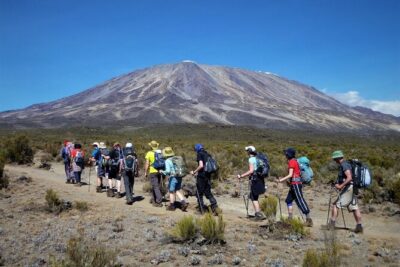
What makes this route appealing is its simple setup. You walk to mountain huts each day, eat prepared meals, and carry less of your own equipment because porters transport supplies. The trail also gives you a clear change of scenery, beginning in thick forest and ending among rocky high-altitude slopes.
You start from a hotel in Moshi, with pickup listed as part of the service. The stated meeting information also names Kilimanjaro International Airport, so confirm the exact pickup plan before you arrive. The advertised start time is 8:00 a.m., but mountain departures can involve paperwork and park formalities, so do not plan a tight same-day connection.
The group limit is listed as 50 people. That is a sizeable maximum, even though your own climbing party may be smaller. Ask how many climbers will be assigned to your guide team. A smaller walking group usually makes it easier to set a slow pace and communicate when someone feels unwell.
More Marangu Route climbs:
- Kilimanjaro climb, Marangu route (6-day)
★ 5.0 · 72 reviews - Climbing Kilimanjaro – Marangu Route
★ 5.0 · 65 reviews - Private Full Day Hiking Experience to Marangu Route
★ 5.0 · 61 reviews
Day 1: Marangu Gate to Mandara Hut
The first day begins at Marangu Gate, reached by vehicle from your hotel. The gate sits at roughly 1,600 meters, at the edge of Kilimanjaro’s rainforest zone. Park entry procedures take place here before you begin walking.
The trail to Mandara Hut rises through lush forest and takes about four hours at a gentle pace. This is a friendly opening day by Kilimanjaro standards. You get time to settle into the rhythm, check your gear, and learn how your guide wants the group to walk.
The forest is more than a pretty beginning. It is cooler and more humid than the upper mountain, so you may start in light clothing and add layers later. The track can feel damp, and sensible footwear matters. Keep rain protection close, even if the morning begins clear.
Mandara Hut sits at about 2,700 meters. The accommodation is one reason to choose this route. You sleep in a mountain hut instead of carrying a tent or waiting for one to be set up. That is convenient, but do not expect hotel comfort. The supplied information does not specify room arrangements, so ask whether sleeping spaces are shared and what bedding is provided.
Your meals are included, along with purified drinking water. The cooking team is an important part of the trip. Food is described as fresh, healthy, and served in generous portions, and vegan meals have been arranged for climbers in the past. Tell the company about dietary needs before departure, not at the gate.
Day 2: Mandara Hut to Horombo Hut
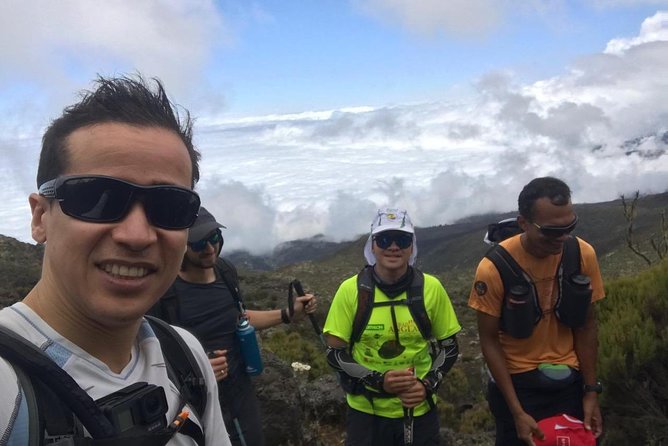
You leave Mandara at about 9:00 a.m. The first half hour continues through the rainforest before the trail reaches alpine moorland. The day takes approximately seven hours and ends at Horombo Hut, around 3,700 meters.
This is where the climb begins to feel serious. The distance and altitude gain are not extreme on paper, but seven hours of walking can expose poor footwear, an overloaded daypack, or a habit of walking too fast. Your best strategy is to follow the guide’s slow pace. On Kilimanjaro, patience is not wasted time.
The move from forest to open moorland gives you wider views and a colder feel. You may find the open route more exposed to sun and wind, so carry sunscreen, lip protection, and a warm layer in your daypack. The air is thinner at Horombo, and some people begin noticing headaches or unusual tiredness at this point.
Horombo is used for the night on this itinerary rather than as an acclimatization day. That saves time and keeps the trip to five days, but it also makes the schedule less forgiving. If you are new to high-altitude walking, ask whether a longer itinerary is available. The supplied plan is best suited to someone with a moderate fitness level who accepts that the timetable is demanding.
The support team matters here. Guides are responsible for setting the pace and watching how you are coping, while porters carry group supplies. Past climbers have singled out the friendly, professional conduct of the guides and the effort of the porters. You should still pack your own essential layers, water, medication, and valuables rather than assume every personal item will be carried.
Day 3: Horombo Hut to Kibo Hut
Day three takes you higher, toward Kibo Hut. There are two paths from Horombo. The upper route is the older trail and climbs fairly steeply toward the foot of Mawenzi, gaining about 600 meters before descending to the saddle.
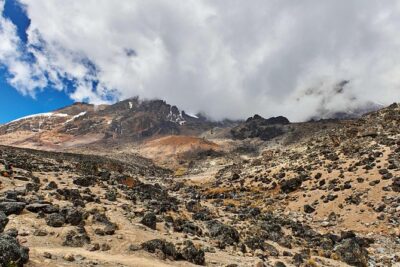
That route description is important because the day is not just a steady walk uphill. You climb, descend, and cross the broad saddle between Mawenzi and Kibo. The open, high-altitude setting can feel stark and exposed. Vegetation becomes sparse, and the mountain feels much less forgiving than it did in the forest.
The supplied itinerary does not state the exact walking time for this day, which is something I would clarify before paying. It also does not clearly state whether the upper or lower route is guaranteed. Ask your guide on the first morning which path will be used and why. Weather, trail conditions, and group pace can affect that choice.
Kibo Hut is the final sleeping point before the summit. You need to organize your gear before bed because the wake-up call comes at about 11:00 p.m. Set aside only what you need for the night ascent: warm clothing, headlamp if you carry one, water, snacks if permitted by the operator, and any personal medication.
This is not the night for a late meal, a long shower, or a casual chat. Rest while you can. The summit push starts around midnight, and the climb from Kibo is the hardest part of the trip.
More treks and hikes around Kilimanjaro:
- Kilimanjaro climb by Lemosho Route (7-day)
★ 5.0 · 651 reviews - Kilimanjaro climb, Machame Route (7-day)
★ 5.0 · 262 reviews - Kilimanjaro Climbing Lemosho Route 8 Days.
★ 5.0 · 186 reviews - 8-Day Small-group Lemosho Kilimanjaro Summit Trekking
★ 5.0 · 186 reviews
Day 4: Kibo Hut to Uhuru Peak and back to Horombo
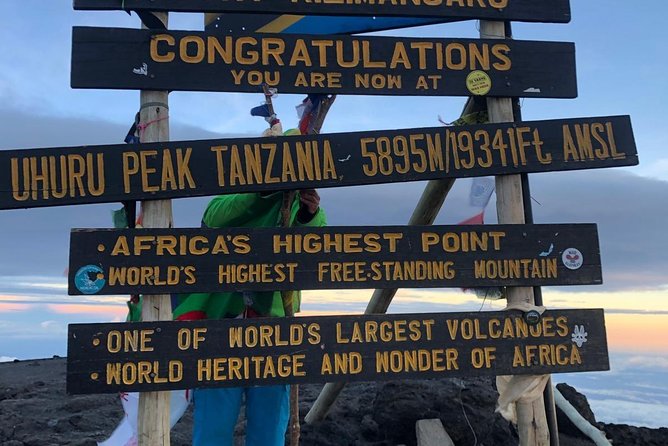
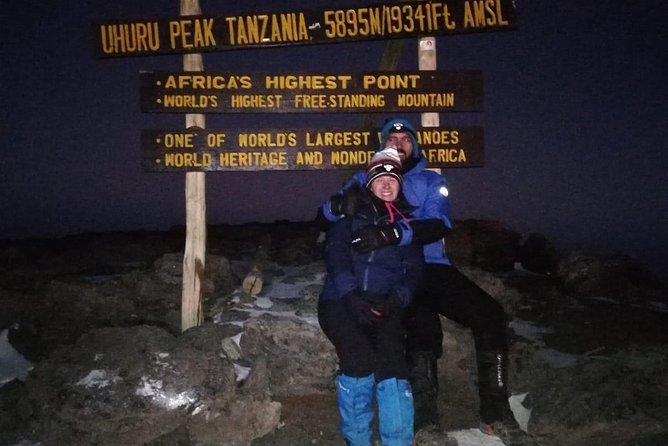
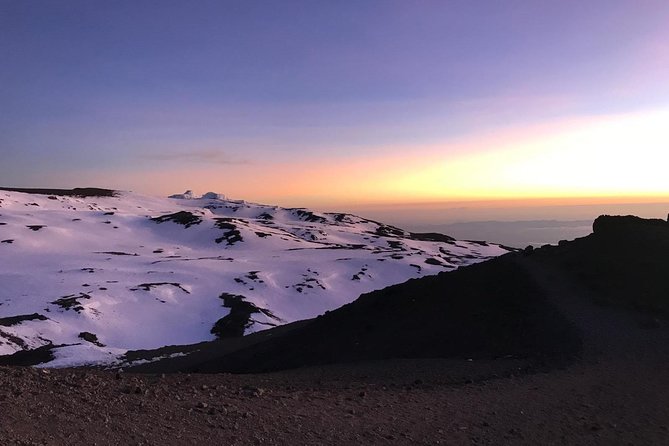
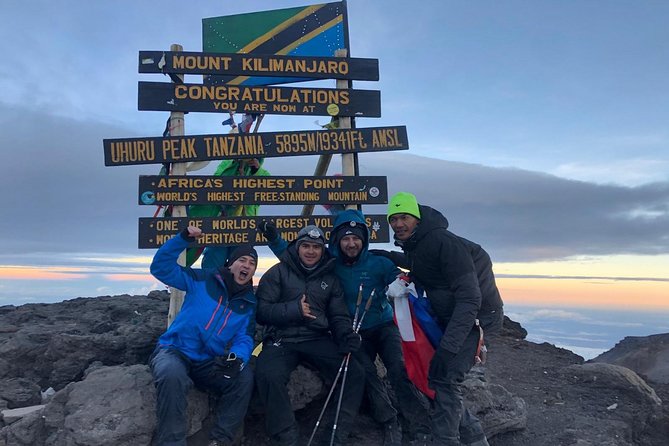
Summit night begins with a hot drink and a full change into warm clothing. You leave around midnight, walking in darkness toward Uhuru Peak. The final climb is slow and physically demanding, with altitude making every step feel more expensive.
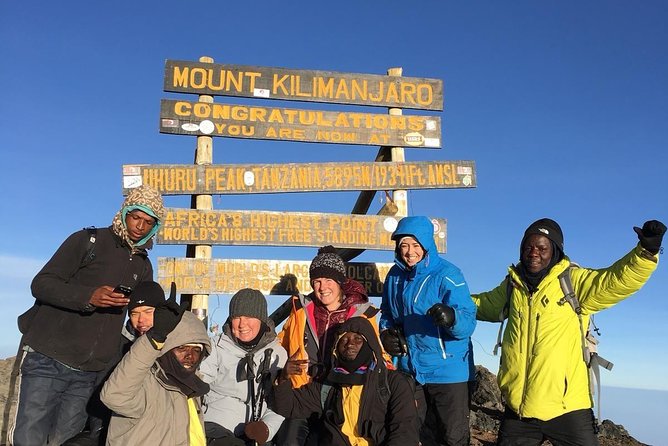
The goal is Uhuru Peak at 5,895 meters, the highest point in Africa. Reaching it is a major achievement, but summit success should never come at the cost of safety. Listen to your guide if you are struggling with severe symptoms, and understand that turning back is a sensible mountain decision, not a failure.
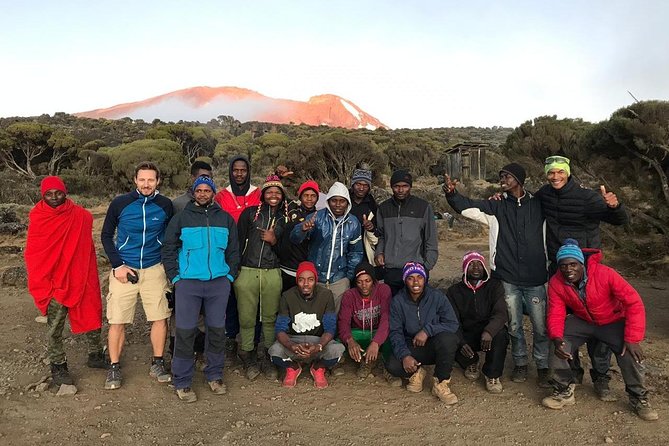
The guide team is central on this day. Names connected with this operation include Victor, Thomas, and Tyson. The strongest praise has focused on guides who provide both physical direction and moral support when climbers tire. That support can matter greatly during the dark, cold hours above Kibo.
After reaching the summit, you descend to Horombo Hut. This is a long day because you do not simply reach the top and finish. You must climb down from the summit zone, return to Kibo, continue across the high route, and reach Horombo for the night.
The return to a lower altitude may bring relief, but you will be tired. Keep your pace controlled on the descent. Knees and feet take a beating, and the excitement of the summit can make you move too quickly.
Day 5: Horombo Hut to Marangu Gate
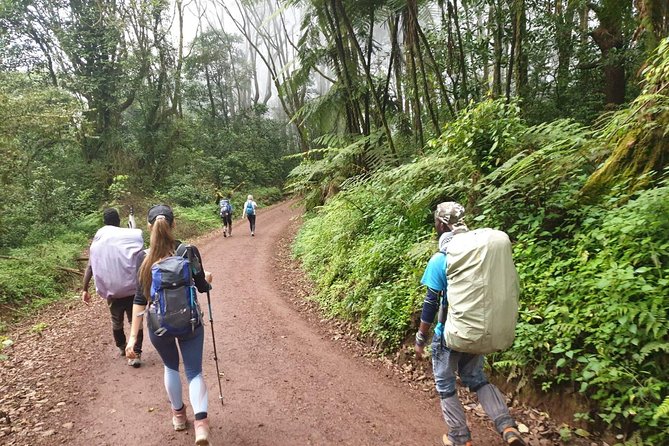
The final day takes you from Horombo to Mandara Hut in about three hours, followed by roughly two more hours through the forest to Marangu Gate. The trail now feels familiar in reverse, but tired legs can make the descent harder than expected.
At the gate, the mountain portion ends. The activity is listed as ending back at the meeting point, with pickup and airport information provided. Confirm your onward transport in advance, especially if you are connecting to a flight. A five-day climb is not a good match for a same-day schedule with no spare time.
This final walk gives you a chance to look back at the route. In five days, you have moved from humid forest to the summit zone and back down again. It is a compact version of Kilimanjaro, with little idle time and a clear physical challenge each day.
What the $900 price does and does not tell you
The listed price is $900 per person, which looks attractive for a guided Kilimanjaro climb. It includes mountain accommodation, guides, porters, cook salaries, meals, purified water, and fair treatment of porters as stated by the operator.
That package covers the main working parts of the climb. You are not arranging huts, food, group water, or mountain staff on your own. The value improves if you want a straightforward climb with local support and do not want to organize each service separately.
The price is not all-inclusive. You must budget for:
- Kilimanjaro National Park fees
- A Tanzania visa, listed at $50 per person on arrival
- Tips
- Alcoholic drinks and other beverages
- Laundry, telephone use, and personal purchases
- Optional trips, such as a short safari after the climb
Pay special attention to the park fee. One climber was told only the day before departure to add $750 per person for park fees. That amount may depend on the booking, route, taxes, or current park charges, so do not assume it applies universally. Get the full price in writing before you travel, including taxes, entry fees, transfers, equipment hire, and tipping guidance.
This is the biggest practical weakness of the package. A low starting price is useful only when you know the final bill. Clear answers before departure will prevent an unpleasant surprise in Moshi.
Food, water, porters, and mountain comfort
Meals are included for breakfast, lunch, and dinner. The food is described as fresh, nutritious, and served in large portions. Several named team members, including Chef Joseph, have received especially warm praise for the cooking.
That matters more than it may seem. You burn a lot of energy on long walking days, and a hot meal can help you recover for the next morning. If you have a vegan diet, the cooking team has accommodated it before, but you should still provide your requirements early and ask what substitutions are planned.
Purified drinking water is included. Carry a refillable bottle or hydration system, and ask how much water is provided during each walking day. The supplied details confirm clean water but do not give a daily quantity.
Porters carry supplies, and the company states that it follows fair and ethical treatment. You can help keep that promise by asking about porter loads, wages, tips, and what your own baggage allowance is. Pack light and bring only what you need on the mountain.
Sleeping bags and some clothing equipment have been available to climbers in past arrangements, but the included list here does not promise personal gear rental. Ask specifically about sleeping bags, trekking poles, warm jackets, and other equipment before you rely on the company to supply them.
Who should choose this five-day climb
I would recommend this route to you if you want hut accommodation, a traditional Kilimanjaro route, and a short schedule. It also suits people who prefer a guided trip with meals, water, porters, and mountain staff organized in advance.
You should have a moderate level of fitness. That means being ready for several hours of walking, a seven-hour day, a midnight start, and a long summit push followed by a descent to Horombo.
This is less suitable if you want a relaxed acclimatization plan. Five days is efficient, but it is also demanding. If you are worried about altitude or have limited hiking experience, ask about a longer version before booking. One first-time hiker successfully completed the route with the company, but that does not make the mountain easy.
The route can also work well for groups. Previous parties included four, eight, and twelve climbers, while the stated maximum is 50. Ask how groups are divided and how many guides are assigned to your party.
Booking details worth checking first
Confirmation is provided at booking, and free cancellation is available up to 24 hours before the start time for a full refund. Cancellations within 24 hours are not refunded, and late changes are not accepted.
The activity requires suitable weather. If poor weather causes cancellation, you are offered another date or a full refund. Since the listed start point includes Kilimanjaro International Airport and hotel pickup is also offered, confirm the exact meeting place, transfer time, and end-of-trip transport.
The activity is near public transportation, but this is a mountain climb rather than a city excursion. Your main practical questions should concern the park fee, the exact route from Horombo, group size, equipment, sleeping arrangements, and the total final cost.
Should you book the Kilinge Adventures Marangu climb?
I would book this five-day climb if the hut system appeals to you and the company confirms every extra charge before arrival. The guides, porters, and cooking team appear to be the strongest parts of the experience, with Victor, Thomas, Tyson, and Chef Joseph receiving especially favorable attention.
I would not book it on the strength of the $900 figure alone. The park fee is excluded, and the report of a last-minute $750 charge is a clear warning to request an itemized quote.
Choose this trip for its direct route, mountain huts, prepared food, purified water, and strong guide support. Choose a longer itinerary instead if altitude concerns you or you want more time to adjust. Kilimanjaro rewards a slow pace, and five days gives you less room for mistakes.
FAQ
How long is the Kilimanjaro Marangu Route experience?
The climb lasts approximately five days, beginning at Marangu Gate and ending at the park gate after the descent from Horombo Hut.
Where does the activity start?
The listed meeting point is Kilimanjaro International Airport, and pickup from your hotel in Moshi is offered. Confirm your exact pickup location and time before departure.
What accommodation is included?
All nights on the mountain are included. The itinerary names Mandara Hut, Horombo Hut, and Kibo Hut, but it does not provide detailed room or bedding arrangements.
Is food included?
Yes. Breakfast, lunch, and dinner are included, along with fresh meals prepared by a cook. Vegan meals have been accommodated, but dietary needs should be shared before the climb.
Is the Kilimanjaro National Park fee included?
No. The park fee is listed under exclusions. A Tanzania visa, personal expenses, drinks, optional tours, and tips are also separate. Ask for the current total fee before booking.
What happens if bad weather cancels the climb?
If poor weather causes cancellation, you are offered a different date or a full refund. For normal cancellations, you must cancel at least 24 hours before the start time to receive a full refund.
More Five-Day Trips in Kilimanjaro
- 5 Days Marangu Route Kilimanjaro hiking
★ 5.0 · 13 reviews - Best 5 Days Marangu Route Climbing on Kilimanjaro
★ 5.0 · 12 reviews - Our Top 5-Day Kilimanjaro Marangu Route: 2025 and 2026 Updates
★ 5.0 · 11 reviews - Conquer Kilimanjaro: 5-Day Marangu Route Adventure
★ 5.0 · 9 reviews
Just added around Kilimanjaro
- 6 days Machame route climbing Mt.Kilimanjaro★ 5.0 · 8 reviews
- machame route★ 5.0 · 16 reviews
- Mt Kilimanjaro 6 days Marangu route hike★ 5.0 · 3 reviews
- Private Cycle to Kilimanjaro Bike Park Safari★ 5.0 · 6 reviews
- West Kilimanjaro cycling Adventures★ 4.5 · 8 reviews
- Kilimanjaro Climb • Marangu Route ~ 9 Day★ 5.0 · 4 reviews
- 3 Days Private E-Bike Tour in West Kilimanjaro★ 5.0 · 3 reviews
- Kilimanjaro Climb • Machame Route ~ 10 Day★ 5.0 · 6 reviews
Marangu Route Climbs, compared.
Browse the lists this tour appears in