
Reviewed · MACHAME ROUTE CLIMBS
Machame Route 7 Days 6 Nights /Kilimanjaro Climb
The Machame Route gives you Kilimanjaro in changing chapters: forest on day one, high moorland and volcanic ground later, then a hard night climb to the 19,340-foot summit. It is widely chosen because the route takes longer than Marangu and gives you more time to adjust to altitude.
I like the extra acclimatization built into the plan, especially the climb high to Lava Tower followed by a descent to Barranco. I also like that the price includes park fees, private transportation, and all meals, while the private format keeps the group to your own party.
The catch is the summit day. You face 12 to 15 hours of walking, with only three miles to the top but seven miles back down. You need solid fitness, patience, and a willingness to accept that altitude, not speed, will set the pace.
Key points at a glance
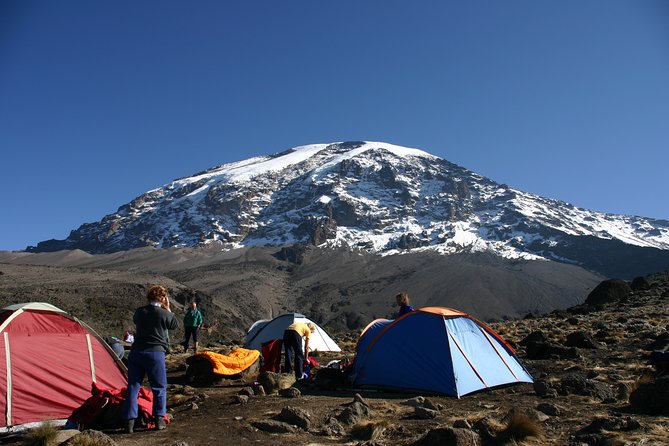
- A seven-day route with useful altitude practice: The itinerary takes you from Machame Gate to 15,300-foot Barafu Camp before the summit attempt.
- Lava Tower and Barranco in one day: You climb to about 13,000 feet, then descend, an important acclimatization pattern.
- A private climb: Only your group takes part, with pickup offered and the activity ending back at the meeting point in Moshi.
- Meals and core costs are included: Breakfast, lunch, dinner, fees, taxes, and private transport are covered.
- The summit push is the real test: Day six combines the climb from Barafu to 19,340 feet with a long descent to about 10,000 feet.
- Named staff have earned warm praise: Goodluck and Moses are noted for safe, patient guiding, while cook Roger is praised for tasty food.
Why Machame is worth the extra effort
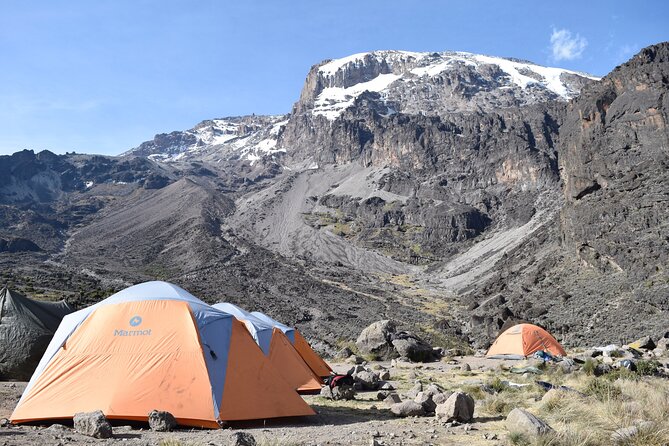
Machame has overtaken Marangu as Kilimanjaro’s most popular route, and the reason is easy to understand. You do not simply walk uphill for several days on one unchanging track. The route moves through distinct altitude zones, with each camp giving you a different feel and a fresh view of the mountain.
The route is longer and harder than Marangu, but that extra time matters. The standard plan gives you six nights and seven days, including the day from Shira to Lava Tower and Barranco. That schedule gives your body more time to adjust before the summit attempt.
I would pay close attention to the itinerary’s acclimatization pattern. On day three, you climb to roughly 13,000 feet at Lava Tower, then descend to Barranco Camp. It is a demanding day, but the high point followed by sleep at a lower elevation is one of the most useful features of this route.
You may also hear about an extra acclimatization day in the Karanga Valley, or an alternative summit approach through the Western Breach and Arrow Glacier. Those options are mentioned as possibilities, but they are not part of the standard seven-day schedule described here. Ask the operator exactly what route you are booking before you pay.
More Machame Route climbs:
- Kilimanjaro climb, Machame Route (7-day)
★ 5.0 · 262 reviews - Climbing Kilimanjaro – Machame Route
★ 5.0 · 170 reviews - Climbing Kilimanjaro through 7 days Machame Route
★ 5.0 · 151 reviews
Day one: Machame Gate to Machame Camp
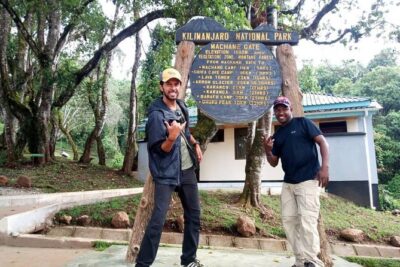
The climb begins at Machame Gate, at about 5,400 feet, and rises to Machame Camp at 9,400 feet. The distance is 11 kilometres, with five to seven hours of hiking.
This first day is a proper introduction, not a gentle stroll. You gain about 4,000 feet, so your best strategy is to walk slowly and keep your effort steady. The route begins in the lower mountain zone and leads toward camp through the first major change in altitude.
The distance is manageable for a fit person, but the gain is significant. Do not waste energy racing ahead early in the day. Your goal is not to finish first. Your goal is to reach camp with enough strength for six more days.
Pickup is offered, and the starting point is in Moshi. Since the advertised start time is 12:30 am, confirm the exact pickup arrangement and departure details when booking. That early time may relate to the overall climb schedule, but the information provided does not explain it in detail.
Day two: Machame Camp to Shira Camp
Day two covers only five kilometres, but the route climbs from 9,400 feet to about 12,500 feet. Hiking time is listed as four to six hours.
This shorter day is useful because altitude, rather than distance, becomes the main issue. You have less ground to cover, but your body is working with thinner air. Keep your pace relaxed and drink regularly according to your guide’s instructions.
Shira Camp gives you a high camp early in the trip. That helps you learn how you respond before the route becomes more demanding. If you feel strong here, do not assume the summit will be easy. The biggest test comes later, after several days at altitude and a night climb.
Day three: Lava Tower and the Barranco descent
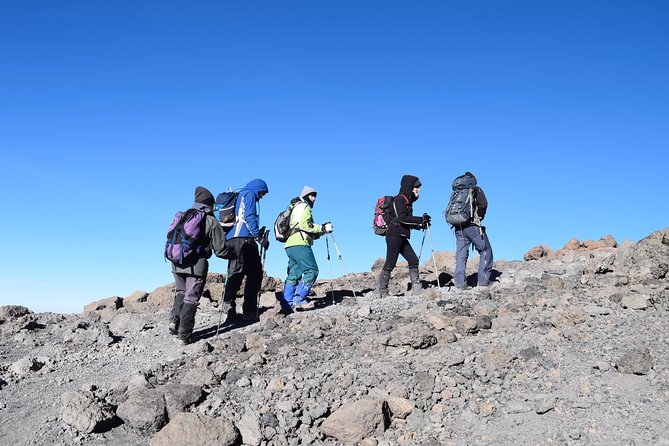
This is one of the most important days on the Machame Route. You leave Shira Camp at 12,500 feet, climb toward Lava Tower at around 13,000 feet, then continue to Barranco Camp. The distance is 10 kilometres, and the hiking time is six to eight hours.
The value lies in the climb high, sleep lower pattern. You spend time at a greater elevation during the day, then descend for the night. That gives your body a chance to work at altitude without making you sleep at the highest point reached.
It is also a demanding day. The route is not long by ordinary hiking standards, but the elevation makes every hour count. You may feel tired by the time you reach Barranco. That is normal for the schedule, but it is also a good point to be honest with yourself and your guide about how you are coping.
Barranco has its own appeal because the route now feels properly high and volcanic. The next morning brings the Barranco Wall, so save some energy and do not treat this day as a warm-up.
More treks and hikes around Kilimanjaro:
- Kilimanjaro climb by Lemosho Route (7-day)
★ 5.0 · 651 reviews - Kilimanjaro Climbing Lemosho Route 8 Days.
★ 5.0 · 186 reviews - 8-Day Small-group Lemosho Kilimanjaro Summit Trekking
★ 5.0 · 186 reviews - Kilimanjaro climb, Lemosho Route (8-day)
★ 5.0 · 148 reviews
Day four: Barranco Camp to Karanga Camp
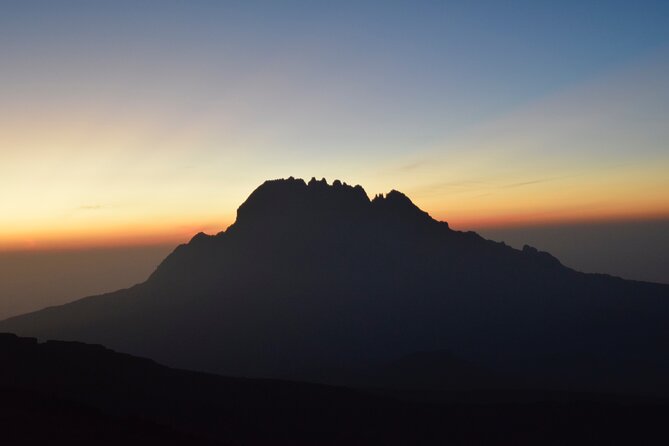
Day four covers about three miles in four to five hours. You begin at roughly 13,000 feet and finish near 13,100 feet, within the alpine desert zone.
The small change in camp elevation can be misleading. This is not an easy day simply because you gain little height. The route still requires steady movement at high altitude, and the terrain can make short distances take time.
Karanga is important because it breaks up the approach to Barafu. The camp gives you a shorter day before the final climb to the high base camp. The itinerary also identifies the Karanga Valley as a place where an extra acclimatization day may be taken. That could improve your margin if your schedule and condition allow it, but you must confirm whether that additional day is included.
I like this stage because it avoids cramming the entire upper mountain approach into one push. The drawback is that you are now spending long hours in a stark, exposed alpine zone, with less comfort and less room for casual mistakes.
Day five: Karanga Camp to Barafu Camp
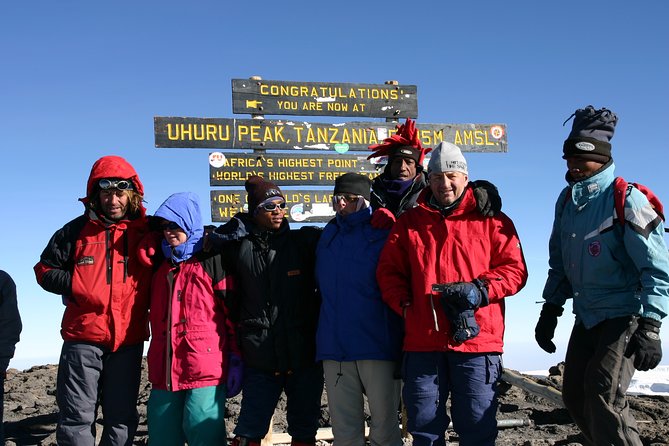
The fifth day takes you from about 13,000 feet to Barafu Camp at 15,300 feet. The distance is only 2.5 miles, and hiking time is four to five hours.
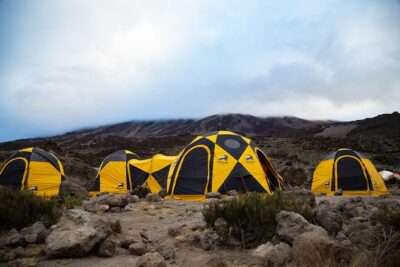
Again, a short distance does not mean an easy walk. At this elevation, the air is thin and the route can feel slow. Barafu is the launch point for the summit attempt, so the day is about reaching camp, eating, resting, and preparing your clothing and equipment.
You should treat this as a functional day rather than a sightseeing day. The summit climb begins after the rest at Barafu, so conserve your energy. Personal mountain equipment is not included in the $2,450 price. You need to budget separately for the items you require and confirm what the operator can provide or rent.
Day six: the 19,340-foot summit push
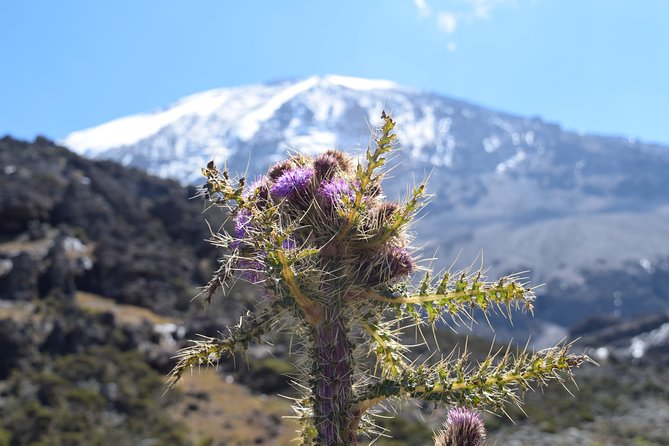
Day six is the heart of the climb. You rise from Barafu at 15,300 feet, climb to the summit at 19,340 feet, then descend to about 10,000 feet. The listed hiking time is 12 to 15 hours, with three miles to the summit and seven miles on the descent.
Those figures explain the challenge better than any sales line. The summit distance is short, but the elevation gain is severe. You will likely move slowly, and the return to lower camp is still a major undertaking after reaching the top.
The reward is the summit itself and the knowledge that you have crossed the highest point in Africa. The practical victory is getting there safely and descending in good condition. Do not judge success only by speed or photographs.
Goodluck and Moses are named as guides who have led a safe summit climb with patience and encouragement. That matters here. On summit day, a calm guide who watches the group and keeps the pace controlled can make a real difference. The information does not promise that these specific guides will lead every departure, so ask who will be assigned to your group.
The descent is not an afterthought. Seven miles downhill after a summit effort can be rough on tired legs. Poles, suitable boots, and careful pacing will matter, but personal equipment is your responsibility unless separately arranged.
Day seven: Mweka Camp to Mweka Gate
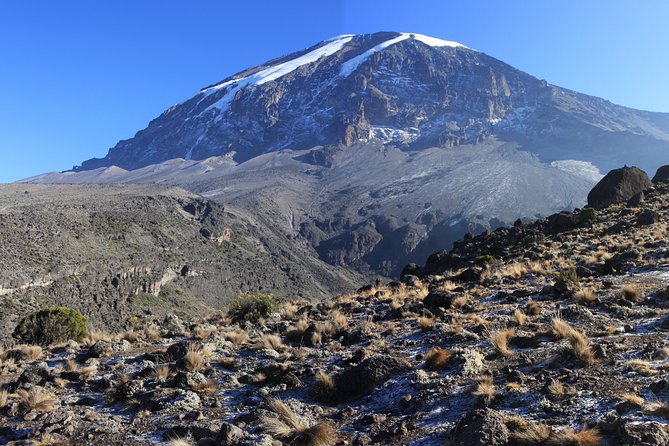
The final day takes you from Mweka Camp at about 10,000 feet to Mweka Gate at 5,400 feet. The distance is six miles, with three to four hours of hiking.
After the long summit day, this descent may feel straightforward, but tired legs can turn a simple trail into a careful walk. The change in elevation is welcome, and reaching Mweka Gate marks the end of the mountain portion.
The activity ends back at the meeting point. Private transportation is included, which is useful after seven days of walking. Confirm the exact return arrangement in advance, especially if you have a hotel booking or onward travel from Moshi.
What the $2,450 price really covers
At $2,450 per person, this is not a low-cost day trip. It is a full mountain expedition with park fees and taxes, private transportation, breakfast, lunch, and dinner included.
That package gives the price real value. You are not paying only for a guide to point out the trail. You are paying for a structured seven-day climb, support on a high-altitude route, food throughout the trip, and transport connected to the activity.
Still, you need to allow for extra costs. Tips for the crew, personal mountain equipment, travel insurance, and a visa are excluded. Those items can change your final budget considerably, especially equipment and insurance.
The private format is another reason to compare the price carefully. Only your group participates, so you are not placed with unrelated people. That can make the pace and decisions easier to manage, though the price will depend on how many people are in your party.
Food, guiding, and the human side of the climb
Food becomes important when you are walking for hours each day. Breakfast, lunch, and dinner are included, and cook Roger is specifically praised for tasty food on a successful climb.
That is useful information, but keep expectations practical. This is a mountain expedition, not a restaurant tour. The real value is having regular meals prepared during a demanding schedule, so you can focus on walking and recovery.
Guiding is just as important. Goodluck and Moses are named in connection with a safe, patient climb, and that is the sort of support you want when the route becomes slow and tiring. The operator, Migration Venture Africa Ltd, runs the activity, but staff assignments may vary.
Tips are not included. Set aside money for the crew and ask before departure how tipping is handled. The supplied information does not give a fixed amount, so do not rely on the listed price as your final total.
Who should book this route?
I would choose this climb if you want a more scenic and gradual Kilimanjaro route and you accept that the trip will be physically demanding. The seven-day schedule suits someone who values acclimatization time more than the shortest possible itinerary.
You should have a moderate level of physical fitness. That phrase should not be treated casually. The summit day lasts up to 15 hours, and the route includes repeated climbs above 12,000 feet before the final ascent.
This is not the best choice if you want a relaxed holiday with a little hiking added. The route is long, the summit push starts from high camp, and personal gear is not included. You also need travel insurance and a visa.
The private format may suit couples, families with suitable fitness, or friends who want to climb together without strangers in the group. Before booking, ask about the exact group size, guide assignments, equipment arrangements, and whether the extra Karanga acclimatization day is part of your plan.
Free cancellation is available if you cancel at least 24 hours before the local start time. Changes made inside that window are not accepted, and poor weather can lead to a different date or a full refund.
Should you book the Machame Route?
Book it if you want a seven-day Kilimanjaro climb with strong acclimatization features, private participation, meals, transport, and park costs included. The Lava Tower to Barranco pattern and the extra day before summit camp make this a sensible route for someone who prefers a more gradual approach.
Think twice if you are not ready for the 12 to 15-hour summit day or if you need all equipment supplied. The $2,450 price is reasonable for the inclusions, but it is not your complete trip budget.
For the best decision, confirm the guide team, the equipment plan, the exact pickup time, and whether the Karanga extra day is included. If those details suit your needs, Machame offers a demanding but well-structured way to reach Kilimanjaro’s summit.
FAQ
Where does the Machame Route climb start?
The activity starts in Moshi, Tanzania. Pickup is offered, and the activity ends back at the meeting point.
How long is the climb?
The experience lasts about seven days and six nights. The itinerary runs from day one at Machame Gate through day seven at Mweka Gate.
What time does the activity start?
The listed start time is 12:30 am. Confirm the exact pickup and departure details with the operator before the climb.
What meals are included?
Breakfast, lunch, and dinner are included throughout the experience.
Is transportation included?
Yes. Private transportation is included, and pickup is offered.
What is not included in the price?
Tips for the crew, personal mountain equipment, travel insurance, and a visa are not included.
What happens if bad weather cancels the climb?
If poor weather causes cancellation, you will be offered a different date or a full refund. You can also cancel for a full refund if you do so at least 24 hours before the experience start time.
More Seven-Day Trips in Kilimanjaro
- 7-Day Machame Kilimanjaro Summit Tour from Arusha
★ 5.0 · 125 reviews - 7 Days Kilimanjaro via Machame route affordable price
★ 5.0 · 110 reviews - Private Kilimanjaro Hike 7 Day Lemosho Route
★ 5.0 · 60 reviews - 7 Days Machame route – Kilimanjaro
★ 5.0 · 45 reviews
Just added around Kilimanjaro
- 6 days Machame route climbing Mt.Kilimanjaro★ 5.0 · 8 reviews
- machame route★ 5.0 · 16 reviews
- Mt Kilimanjaro 6 days Marangu route hike★ 5.0 · 3 reviews
- Private Cycle to Kilimanjaro Bike Park Safari★ 5.0 · 6 reviews
- West Kilimanjaro cycling Adventures★ 4.5 · 8 reviews
- Kilimanjaro Climb • Marangu Route ~ 9 Day★ 5.0 · 4 reviews
- 3 Days Private E-Bike Tour in West Kilimanjaro★ 5.0 · 3 reviews
- Kilimanjaro Climb • Machame Route ~ 10 Day★ 5.0 · 6 reviews
Machame Route Climbs, compared.
The Best of Machame Route in 6 Days: Your World’s Summit Guide
Read our review →Browse the lists this tour appears in