
Reviewed · MACHAME ROUTE CLIMBS
Kilimanjaro Trek 7 Days – Machame Route
The Machame Route gives you Kilimanjaro in seven changing acts: thick rainforest, open heath, volcanic rock, alpine desert, and a cold Arctic summit. I like the way the route climbs high to Lava Tower before dropping to Barranco Camp, a smart acclimatization pattern that lets you sleep lower than your highest point. I also like that the price covers the major mountain costs, including park fees, meals, porters, camping gear, transfers, and hotel nights.
The catch is simple: this is not a gentle holiday with a mountain view. The summit day begins around midnight and combines cold, darkness, altitude, and a long descent. You need good basic fitness, patience, and the willingness to spend several nights in a tent. The 7-day schedule is popular and effective, but the mountain still sets the rules.
Key points to know before booking
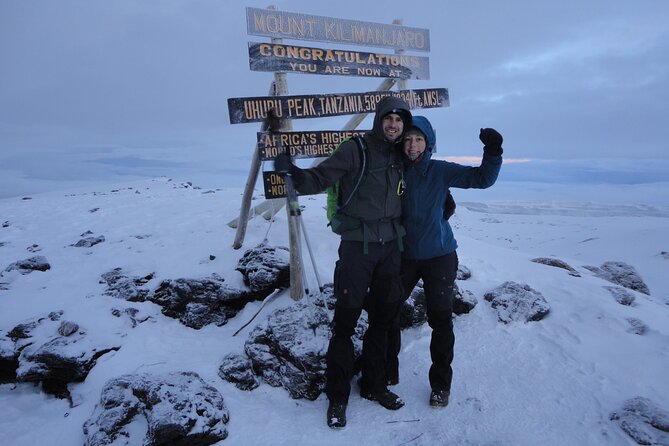
- The route crosses five climate zones: You begin in rainforest and finish in Arctic conditions near Uhuru Peak.
- Lava Tower helps with acclimatization: You climb to about 4,603 meters, then descend to Barranco Camp at roughly 3,953 meters.
- Summit day is the hard test: Expect seven to eight hours to Uhuru Peak, followed by four to six hours down to Mweka Camp.
- The $2,890 price includes major essentials: Park, camping, forest, rescue, and VAT fees are covered, along with food, tents, crew, and transfers.
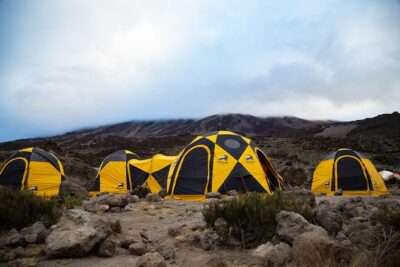
- Camping is supported rather than bare-bones: A dining tent, tables, chairs, lanterns, mattress, mess tent, and portable flush toilet are included.
- The company has earned strong service praise: Feedback highlights Bobby and the wider team, good food, careful organization, diet support, and patient help on the mountain.
Why Machame is Kilimanjaro’s scenic favorite
Machame is often called the Whiskey Route, a nickname that points to its tougher character compared with the gentler-sounding Marangu Route. The trail is not technical climbing, but it asks more from your legs and lungs. You walk through changing terrain rather than simply following one broad path uphill.
I like Machame because the scenery keeps changing. On the first day, you are under a roof of rainforest. By the second day, trees give way to heather and open moorland. The third day brings volcanic rock and the strange Senecio Forest. Near the summit, vegetation disappears almost completely.
The route also uses the Southern Circuit around Kilimanjaro. That gives you changing views of Kibo and Mawenzi, the mountain’s two major volcanic peaks. You are not simply marching toward one wall of rock. The mountain reveals itself from several sides.
The route’s seven days matter. A shorter climb can reduce the time your body has to adjust to altitude. Here, the high point of Day 3 is followed by a descent, and later days include shorter walks before the summit. No schedule guarantees success, but this pattern gives your body a better chance than a rushed itinerary.
More Machame Route climbs:
- Kilimanjaro climb, Machame Route (7-day)
★ 5.0 · 262 reviews - Climbing Kilimanjaro – Machame Route
★ 5.0 · 170 reviews - Climbing Kilimanjaro through 7 days Machame Route
★ 5.0 · 151 reviews
Day 1: Machame Gate to rainforest camp
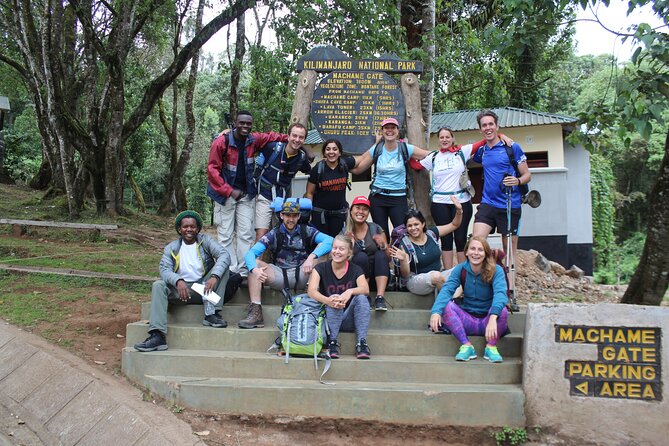
Your morning begins with a hotel pickup in Moshi at about 8:30 am. The drive to Machame Gate takes roughly an hour and passes through Machame village on the lower slopes of Kilimanjaro.
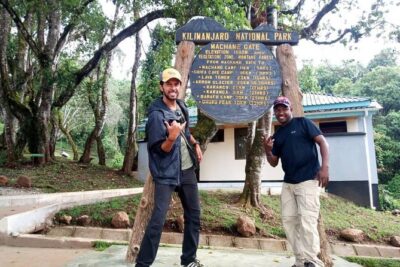
At the gate, registration comes first. Then you enter Kilimanjaro National Park and begin walking through dense rainforest. The trail winds uphill along a ridge toward Machame Camp, at approximately 2,833 meters.
The distance is about 11 kilometers, or 7 miles, with five to seven hours of walking. The habitat is listed as rainforest, and that description matters. The first day is shaded and green, but it is still a steady climb. Do not treat it as a warm-up stroll.
You will spend the night at Machame Camp. The crew sets up the sleeping tent and dining area, and meals are served during the climb. A mattress, tables, chairs, and lanterns are included, which makes the camp routine more comfortable than carrying your own full setup.
Day 2: Heather and open moorland on the Shira Plateau
After breakfast, the forest thins and the route turns steeper and rockier. You climb toward the Shira Plateau, where heather and open moorland replace the trees.
This day covers about 5 kilometers, or 3 miles, in four to six hours. The shorter distance does not mean an easy day. The trail ascends, and the rocky surface demands careful footing.
The destination is Shira Cave Camp. Along the way, you cross a large river gorge, adding a striking change of scenery after the enclosed forest of Day 1.
I like this day because it gives you your first clear sense of Kilimanjaro’s scale. The open ground lets you look farther across the mountain. It can also expose you to more wind and weather, so keep a warm layer within reach rather than buried at the bottom of your bag.
Day 3: Lava Tower, alpine desert, and Barranco Camp
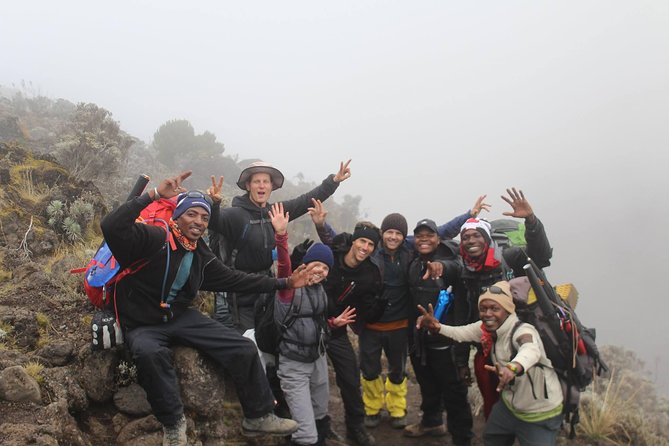
Day 3 is the route’s key acclimatization day. You continue east along a ridge, then turn southeast toward Lava Tower, a volcanic rock formation about 300 feet high. The high point reaches approximately 4,603 meters, or 15,190 feet.
After lunch, you descend through the Senecio Forest to Barranco Camp at around 3,953 meters. The full day is described as about 10 kilometers, with five to seven hours of walking split between the climb to Lava Tower and the descent to camp.
This is a classic climb high, sleep lower pattern. You spend useful time at altitude, then finish the day at a lower elevation. That can help your body adjust, though altitude affects people differently. Move slowly, drink regularly, and tell your guide quickly if you feel unwell.
Barranco is one of the most memorable camps on the route because of the surrounding volcanic formations and giant senecios. The scenery feels more spare and unusual than the forest below. The day can be tiring, but its design is one of the strongest parts of the itinerary.
More treks and hikes around Kilimanjaro:
- Kilimanjaro climb by Lemosho Route (7-day)
★ 5.0 · 651 reviews - 8-Day Small-group Lemosho Kilimanjaro Summit Trekking
★ 5.0 · 186 reviews - Kilimanjaro Climbing Lemosho Route 8 Days.
★ 5.0 · 186 reviews - Kilimanjaro climb, Lemosho Route (8-day)
★ 5.0 · 148 reviews
Day 4: The Barranco Wall and Karanga Valley
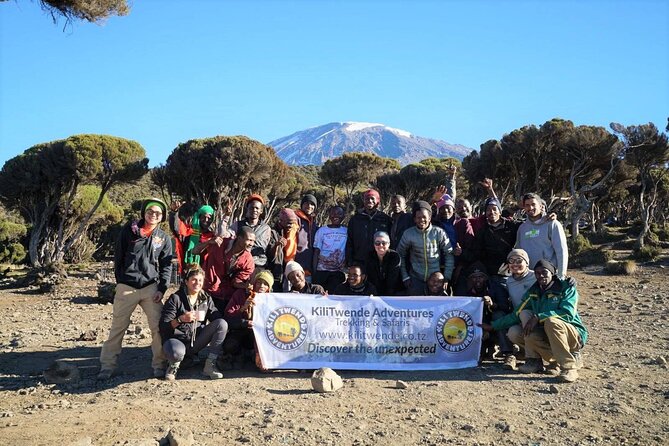
From Barranco Camp, you descend toward the base of the Great Barranco Wall. Then comes a steep climb up the nearly 900-foot cliff.
The wall is non-technical, so you do not need rock-climbing skills. It is still a demanding section, and you may use your hands for balance in places. Your guide and crew are there to help with pacing and footing. This is where patience matters more than speed.
From the top, the trail crosses hills and valleys before dropping sharply into Karanga Valley. You pass the Karanga River, identified as the final water point, then climb again to Karanga Camp.
The distance is about 5 kilometers, with four to five hours of walking. You reach camp around lunchtime, then have a shorter acclimatization walk later in the afternoon.
That extra walk is easy to underestimate. You may want to stay in the tent and rest, but a gentle outing helps you stay active and gives the guides another chance to assess how you are handling the altitude. Keep it slow. This is not the day to prove anything.
Day 5: Barafu Camp and the final preparation
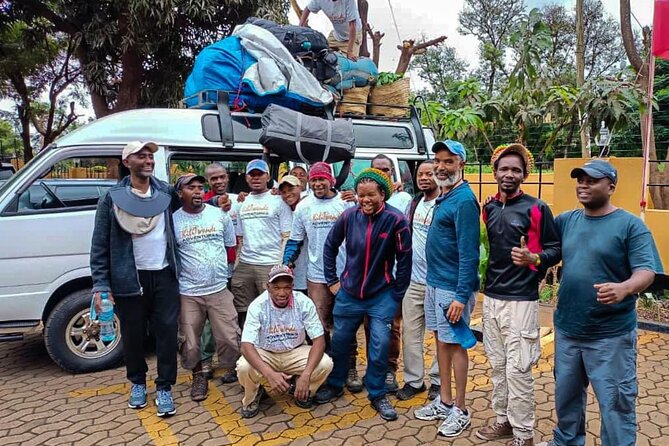
From Karanga Camp, you pass the junction that connects with the Mweka Trail and continue over rocky ground to Barafu Hut. The walk is about 4 kilometers and usually takes four to five hours.
Barafu means ice, and the camp’s high, exposed setting signals that the mountain has changed again. You have completed the Southern Circuit, with views toward Kibo and Mawenzi when the weather clears.
The schedule at Barafu is built around the summit attempt. You arrive, eat, rest, and have an early dinner. You should prepare your clothing, water, headlamp, and personal items before trying to sleep.
Sleep may be brief or difficult. The early start, altitude, cold, and anticipation all play a part. This is a good time to listen closely to the guide rather than improvise. Keep your summit kit organized and do not leave small essentials scattered around the tent.
Day 6: Midnight start, Uhuru Peak, and Mweka Camp
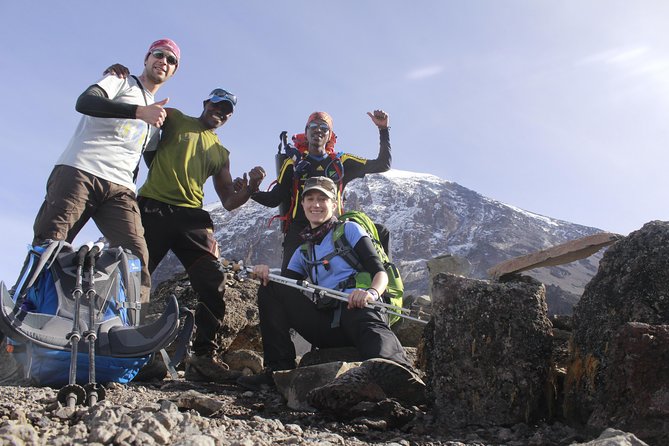
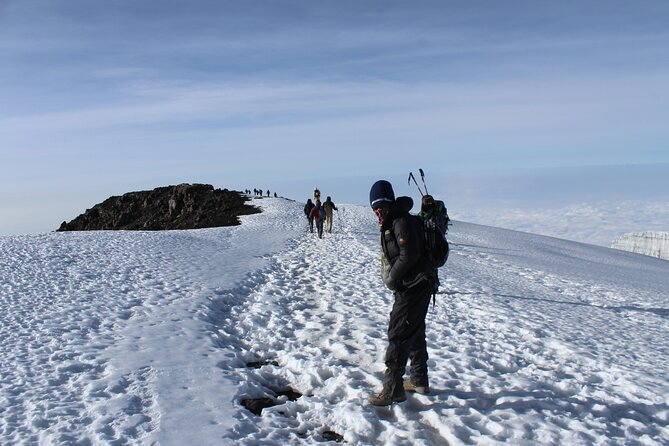
Summit day is the reason to take the rest of the route seriously. You begin around midnight and climb in darkness toward Stella Point.
The push to the summit takes about seven to eight hours over roughly 5 kilometers. That pace sounds slow because it is slow. At high altitude, the standard approach is deliberate, with short breaks and careful steps.
You reach Stella Point at approximately 5,760 meters, or 18,900 feet, around sunrise. From there, you continue along the crater rim to Uhuru Peak, the highest point in Africa, at 5,895 meters, or 19,341 feet.
You will have time for photographs at the summit, but do not plan a long celebration at the top. Cold, wind, and altitude can make the summit area uncomfortable. Take your pictures, enjoy the achievement, and follow the guide’s instructions.
The descent returns to Barafu Camp before continuing to Mweka Camp at about 3,100 meters. The descent from Uhuru Peak to Mweka covers approximately 12 kilometers and takes four to six hours. Added together, the summit morning can mean a very long day.
This is the part of the trek where mental toughness matters most. Reaching the summit is only half the day. Your knees and feet still have to handle the descent, often on loose volcanic ground. Trekking poles, sturdy boots, and a controlled pace are especially useful here. Personal gear is not included, so check the rental costs before departure if you need boots or poles.
Day 7: Forest descent and return to Moshi
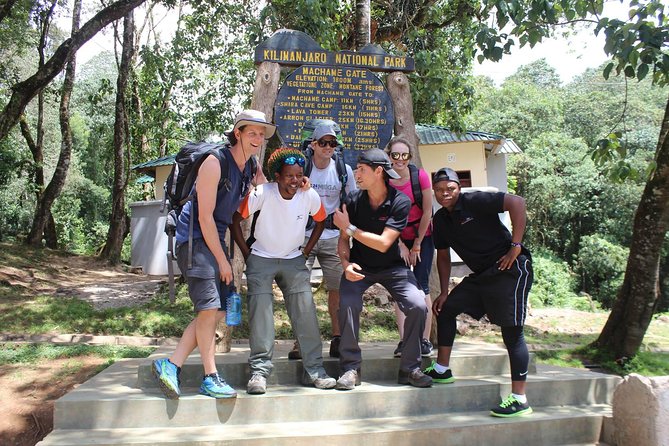
The final morning is shorter but still active. After breakfast, you descend through rainforest toward Mweka Gate, about 10 kilometers away.
The walk takes around three to four hours. At the gate, you sign out with the national park authority and collect summit certificates. A vehicle then takes you back to your Moshi hotel.
This return is more than a transfer. It marks the end of a week in which nearly every basic task has been shaped by the mountain: walking, eating, sleeping, packing, and managing energy. A hot shower and proper bed in Moshi will feel well earned.
The package includes one hotel night before and one night after the trek on a bed-and-breakfast basis. Hotel lunches, dinners, and drinks are not included, so budget for those separately.
What the $2,890 price really covers
At $2,890 per person, this is a substantial purchase. The value depends on how much support you want and how much equipment you already own.
The price includes park entry, camping, forest, and rescue fees, plus 18 percent VAT on tour fees and services. Those are major costs on Kilimanjaro and can make a lower headline price less useful if they are added later.
You also receive professional guides, cooks, and porters; three meals a day on the mountain; tents; a sleeping mattress; a dining and mess tent; tables, chairs, and lanterns; and a portable flush toilet with its own toilet tent. Airport transfers from Kilimanjaro International Airport are included, as are transfers to and from the mountain gates.
The support system is one of the package’s strongest practical features. You are not hauling the full camp, cooking for yourself, or searching for water and meals after a long climb. The crew carries out the work that allows you to focus on walking and altitude management.
The fee does not include tips for guides, porters, cooks, and waiters. It also excludes personal equipment, flights, visa, insurance, camera costs, laundry, and hotel lunches, dinners, and drinks.
Listed rental prices include about $40 for a sleeping bag, $35 for a duffle bag, $40 for hiking boots, and $10 for walking sticks. These costs can add up, especially if you need several items. Ask for a full equipment list before paying so you can compare renting with bringing your own gear.
Food, crew care, and the camping setup
Food is an important part of a high-altitude trek, and the supplied feedback gives this operation particular credit for generous meals and diet support. One account specifically notes that dietary restrictions were accommodated. Tell the company about your needs in advance rather than waiting until the first camp.
The package provides breakfast, lunch, and dinner during the climb. The dining tent, tables, chairs, and lanterns give you a place to eat away from your sleeping tent. That division matters after a long day, especially if rain or cold makes sitting outside unpleasant.
The operation is associated with team members and contacts named Bobby, Robert, Jerry, Joseph, Sadhi, John, Bob, and Nate in the supplied material. The names are not assigned to particular days, so confirm your actual lead guide before departure. Ask who will make altitude decisions, how the group handles illness, and how porter welfare is managed.
The strongest praise focuses on careful organization, friendly treatment, helpful preparation, food, and patient support. A 57-year-old woman who described herself as not a strong climber reached the summit with help from the guides and porters. That does not make Kilimanjaro easy, but it shows the value of a patient crew and a sensible pace.
Who should choose this seven-day climb
I would recommend this route to you if scenery matters and you want a supported climb with a strong chance to adjust gradually. It suits people who can walk for several hours on consecutive days and accept a midnight summit start.
You do not need previous mountaineering experience based on the supplied requirements, but you do need moderate physical fitness. The Barranco Wall, long summit day, altitude, and descent all demand preparation.
This route may not suit you if you want a relaxed camp holiday, dislike basic sleeping conditions, or need a flexible schedule. The itinerary has little spare time. Poor weather can affect the plan, and the experience requires good weather. If conditions force cancellation, the policy offers another date or a full refund.
The activity is private, meaning only your group participates. That can help with pacing and communication, especially if your group has similar fitness levels. It also means you should discuss expectations before booking, since a private group may still have different walking speeds and comfort levels.
Cancellation is free when you cancel at least 24 hours before the local start time. Changes or cancellations inside that window are not accepted for a refund.
Should you book the Machame Route?
Book this climb if you want Kilimanjaro’s most varied scenery, prefer a private supported group, and can prepare seriously for one very long summit day. The included fees, meals, crew, camping equipment, Moshi nights, and transfers give the $2,890 price real substance.
I would first confirm the guide team, tipping expectations, equipment rentals, and exact hotel arrangements. Also check your insurance and personal fitness honestly. If you are ready for cold nights, slow uphill walking, and a midnight push to Uhuru Peak, the seven-day Machame Route offers a strong balance of scenery, support, and acclimatization.
FAQ
How long does the Kilimanjaro Machame Route take?
The climb takes approximately seven days, including the approach through Kilimanjaro National Park, the summit attempt, the descent to Mweka Gate, and transport back to Moshi.
What time does the experience start?
The stated start time is 8:30 am. The first day begins with a pickup from your hotel in Moshi, while the summit attempt begins around midnight on Day 6.
Is this a private tour?
Yes. Only your group participates in this private activity.
What meals are included?
Three meals a day are included during the mountain climb. The package lists six breakfasts, seven lunches, and six dinners. Hotel lunches, dinners, drinks, and other hotel expenses are not included.
Is equipment included?
Sleeping tents, a dining tent, a mattress, tables, chairs, lanterns, and a portable flush toilet are included. Personal gear is not included. Listed rental options include sleeping bags, duffle bags, hiking boots, and walking sticks.
Can I cancel for a full refund?
You can receive a full refund if you cancel at least 24 hours before the experience start time. The cancellation deadline uses local time. If poor weather causes the company to cancel, you will be offered a different date or a full refund.
More Seven-Day Trips in Kilimanjaro
- 7-Day Machame Kilimanjaro Summit Tour from Arusha
★ 5.0 · 125 reviews - 7 Days Kilimanjaro via Machame route affordable price
★ 5.0 · 110 reviews - Private Kilimanjaro Hike 7 Day Lemosho Route
★ 5.0 · 60 reviews - 7 Days Machame route – Kilimanjaro
★ 5.0 · 45 reviews
Just added around Kilimanjaro
- 6 days Machame route climbing Mt.Kilimanjaro★ 5.0 · 8 reviews
- machame route★ 5.0 · 16 reviews
- Mt Kilimanjaro 6 days Marangu route hike★ 5.0 · 3 reviews
- Private Cycle to Kilimanjaro Bike Park Safari★ 5.0 · 6 reviews
- West Kilimanjaro cycling Adventures★ 4.5 · 8 reviews
- Kilimanjaro Climb • Marangu Route ~ 9 Day★ 5.0 · 4 reviews
- 3 Days Private E-Bike Tour in West Kilimanjaro★ 5.0 · 3 reviews
- Kilimanjaro Climb • Machame Route ~ 10 Day★ 5.0 · 6 reviews
Machame Route Climbs, compared.
The Best of Machame Route in 6 Days: Your World’s Summit Guide
Read our review →Browse the lists this tour appears in