
Reviewed · HIKING & TREKKING
Kilimanjaro climb, Umbwe Route (6-day)
Umbwe is Kilimanjaro’s sharp-edged route: steep, fast, and built for strong hikers who want a serious mountain challenge. In six trekking days, you move from tropical forest to volcanic rock and glaciers, finishing with a midnight push to Uhuru Peak at 5,895 meters.
I like the careful support system, including twice-daily medical checks, oximeters, oxygen, and Wilderness First Responder guides. I also like the long rest at Barranco Camp, which gives you time to adjust before the higher camps. The main drawback is clear: Umbwe is not a gentle introduction to high-altitude trekking. Its quick gain in height gives your body less time to adapt.
Key points to know before booking
- Umbwe starts steeply: The first day climbs from Umbwe Gate at 1,640 meters to Umbwe Camp at 2,930 meters.
- You cross every major climate zone: Expect rainforest, brush, volcanic terrain, high alpine ground, and possible ice near the summit.
- Barranco Camp provides a useful rest period: You arrive around lunchtime on day three, then have time to eat and recover.
- The summit day lasts about 14 hours: A midnight start leads to Uhuru Peak, a return to Barafu, and then a descent to Millennium Camp.
- Medical support is built into the package: Guides perform checks at least twice daily, with oxygen, oximeters, and medical kits available.
- The $2,983 price covers most major climbing costs: Park fees, transport, accommodation, food, tents, guides, porters, and camp equipment are included.
Why the Umbwe Route feels different
Many Kilimanjaro routes are designed to give you more time at moderate altitude. Umbwe takes a more direct line up the mountain, which is part of its appeal and part of its risk. You gain height quickly, walk through steep forest, and reach the dramatic Barranco area sooner than on slower routes.
That directness gives Umbwe a strong sense of purpose. You are not spending several days on broad, easy slopes. The route asks you to keep moving and to pay attention to your pace, breathing, hydration, and footing.
I would only choose it if you already have solid hiking experience and strong fitness. The operator itself recommends the route for experienced hikers in good physical shape. A strong heart and legs help, but they do not remove the altitude problem. You need to be comfortable moving slowly for long hours while conditions change.
This is a private trip, so only your own group takes part. That can make the pace and rest stops easier to manage than on a large shared departure. Group discounts are available, but the quoted cost is $2,983 per person.
More Umbwe Route climbs:
- 6-Day Kilimanjaro Umbwe Route–Steep,Adventurous, Challenging Path
★ 5.0 · 6 reviews - Mt Kilimanjaro Trek, 6 Days – Umbwe Route
★ 5.0 · 4 reviews - Kilimanjaro Climbing Umbwe Route
★ 5.0 · 3 reviews
Arrival in Moshi and the first hotel night
Your trip begins with pickup at Kilimanjaro International Airport. The transfer takes you to Aishi Machame Hotel, where you have a room, hot shower, swimming pool, staff support, and internet access.
The first evening matters more than it may seem. You receive a detailed briefing, review the climb, and complete a final equipment check. This is the right time to solve problems with boots, warm layers, rain gear, or sleeping equipment. Once you are above the forest, replacing a missing item becomes much harder.
The package includes two hotel nights, normally with two people sharing a room. Solo accommodation costs extra. The final hotel night comes after the descent, and checkout is at 11:00 AM. If your flight leaves later, a paid late checkout can be arranged.
The start time shown for the experience is 9:00 AM. Your airport pickup and hotel arrangements are included, but you still need to arrange your own flights to Tanzania, visa, travel insurance, and personal mountain clothing.
Day two: rainforest and the steep start to Umbwe Camp
After breakfast, your guide and climbing crew collect you at the hotel. You drive to Umbwe Gate, at 1,640 meters, where permits and search-and-rescue registration are completed.
The trek begins in rainforest. This is one of the most attractive parts of the route, but it can also be wet. Rain showers are possible, so keep waterproof clothing easy to reach rather than buried in your pack.
The day takes about five hours of walking and ends at Umbwe Camp, at 2,930 meters. That is a substantial rise in altitude on your first trekking day. The sensible approach is to let the slowest person set the pace. You are not racing the mountain, and spending your energy too early can make the next days much harder.
The forest gives you shade, but the steep path still makes this a demanding opening. Once at camp, the support crew has already handled much of the practical work. Tents, sleeping pads, and the mess setup are provided, so you can focus on eating, drinking, and resting.
Day three: brush, Barranco Camp, and a useful afternoon rest
You leave early after breakfast. The rainforest thins into brush, and on a clear day you may get your first view of Meru Volcano. That sight gives you a helpful sense of the wider Tanzanian setting before the route turns higher and more exposed.
The trek takes about six hours and reaches Barranco Camp at 3,960 meters around lunchtime. The camp sits in a large volcanic fault, giving the stop a dramatic setting without requiring you to push on late into the day.
This is one of the smartest parts of the schedule. After lunch, you have time to rest rather than immediately chasing the next camp. That pause matters because altitude affects people in different ways. You can use the afternoon to eat, drink, inspect your feet, and prepare clothing for the next morning.
The guide team monitors your condition throughout the climb. At least twice a day, medical checks are part of the service, with oximeters and medical kits available. Unlimited oxygen tanks are also listed as part of the support, although the best protection against altitude trouble is still a careful pace and a willingness to listen to the guide.
More treks and hikes around Kilimanjaro:
- Kilimanjaro climb by Lemosho Route (7-day)
★ 5.0 · 651 reviews - Kilimanjaro climb, Machame Route (7-day)
★ 5.0 · 262 reviews - Kilimanjaro Climbing Lemosho Route 8 Days.
★ 5.0 · 186 reviews - 8-Day Small-group Lemosho Kilimanjaro Summit Trekking
★ 5.0 · 186 reviews
Day four: Barranco Wall and the rough route to Karanga
The day starts with Barranco Wall. The operator describes the climb as taking about an hour and not being technically difficult, but it is still a steep section with exposed-looking terrain and plenty of hand-and-foot movement. Leaving early helps you avoid crowds from other groups.
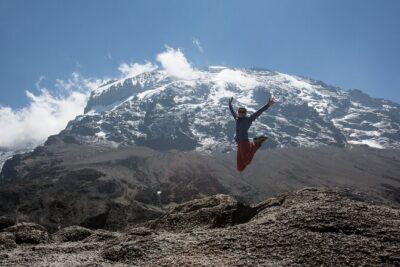
Once above the wall, you can pause for photos with Kibo Volcano in view. This is one of the route’s visual highlights, but it is also a place to stay focused. Loose footing, fatigue, and cold can make an easy section less easy than expected.
The path then rises and falls on the way to Karanga Camp. These repeated ascents and descents can be frustrating because you may lose height only to regain it later. The total day lasts about eight hours, with a warm lunch waiting at camp.
After lunch, you complete an acclimatization hike toward Barafu Camp before returning to Karanga. This climb-high, sleep-lower pattern gives your body some additional exposure to altitude without making you sleep at the higher point that night.
Guides named in connection with this operation include Shabani, Julius, Peter, Elia, Thomas, and Exaud. Your exact team may differ, but the guide structure is important: two climbers are assigned one guide during the summit push, allowing close checks on pace, breathing, and general fitness.
Day five: Barafu Camp and the quiet before the summit
After breakfast, you continue to Barafu Summit Camp at 4,640 meters. This is the launch point for Uhuru Peak, and the camp has a stark, high-altitude feel compared with the forest below.
The crew prepares the camp, including tents and sleeping bags. You have a hot meal, settle in, and complete another acclimatization walk toward Kosovo Summit Camp at about 4,800 meters before returning to Barafu.
The total day lasts around seven hours, but the real challenge is managing your energy. You need to sleep, or at least rest, before leaving around midnight. There is little value in staying awake to admire the view or fuss over equipment. Organize your summit clothing and headlamp before lying down, then conserve every bit of energy.
Meals are served three times a day on the mountain. Vegetarian, gluten-free, halal, and other meal plans are available. Tea, coffee, juices, soda, and other drinks are also included. This is valuable on a climb where appetite can fade, because regular food and fluids help you keep moving.
Day six: the 14-hour push to Uhuru Peak
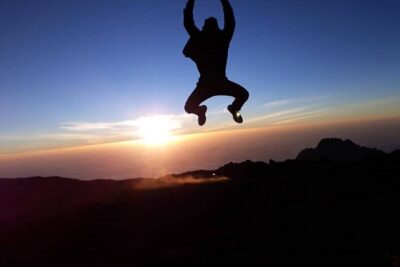
Summit night begins around midnight. From Barafu, you climb to Uhuru Peak at 5,895 meters. The route may not be technically difficult in the climbing sense, but the altitude makes every step slower and more serious.
This is when the guide system matters most. The stated arrangement assigns one guide to every two climbers, with constant attention to fitness. You should expect a slow pace and frequent checks. The goal is not to prove toughness. The goal is to reach the top safely and still have enough control for the descent.
At Uhuru Peak, you can take summit photos and, if conditions allow, walk on one of Kilimanjaro’s glaciers. The ice is an unusual detail, but do not treat it as guaranteed. Weather and safety conditions control what is possible at that height.
After the summit, you return to Barafu Camp for about two hours of rest. The day is not finished. You then descend to Millennium Camp at 3,820 meters, making this roughly a 14-hour day.
The descent deserves serious attention. Tired legs, loose ground, and damaged toenails can turn an achievement into a painful finish. Keep your boots secure, shorten your steps, use trekking poles if you have them, and watch the ground. Getting down is part of the climb, not an afterthought.
Day seven: Millennium Camp to Mweka Gate
Millennium Camp is in rainforest at a much lower altitude. The change can feel welcome after the summit night, and you may sleep better simply because the air is thicker.
After breakfast, you walk to Mweka Gate at 1,640 meters. This is the final trekking section and takes about 12 hours as a full activity day, including the gate process, transfer, and return arrangements.
At the park exit, you receive certificates of accomplishment at the company office before returning to your hotel. This is also your last scheduled chance to share time with the guide and support crew.
The crew is a major part of this experience. Guides, porters, camp staff, and cooks keep the mountain routine functioning while you concentrate on walking. Tips are not included, so prepare a separate budget for the support team.
Day eight: a simple hotel morning and airport transfer
The last day is intentionally light. You rest at Aishi Machame Hotel and transfer to the airport. Hotel checkout is at 11:00 AM, with late checkout available for an additional fee if your flight is later in the day.
This buffer is useful. After the long summit day and final descent, you may want a shower, food, and a quiet place to repack rather than a packed sightseeing schedule.
What the $2,983 price includes
At first glance, $2,983 is a large amount. For a Kilimanjaro climb, though, the useful question is how much practical support is already covered.
The price includes airport pickup and drop-off, ground transportation, two hotel nights, park fees, tents, sleeping pads, a mess tent, tables, chairs, crockery, cutlery, meals, mountain drinks, guides, porters, cooks, camp masters, medical kits, oximeters, and oxygen.
That removes several costs that can surprise first-time climbers. You are not paying park fees separately, and you are not expected to organize the camp kitchen or sleeping setup yourself.
You still need to budget for flights, visas, insurance, tips, personal clothing, boots, and a sleeping bag. Personal equipment can be hired, which may help if you do not expect to use high-altitude gear again. Insurance should cover trekking up to 6,000 meters and helicopter evacuation. Standard travel insurance may not include either.
The value is strongest for a climber who wants a managed private ascent with a full support crew. It is less attractive if you already own expedition equipment, prefer to arrange your own logistics, or want a slower route with more time for acclimatization.
Food, camping, and medical support
Three meals a day are provided, with breakfast included on all seven mornings, dinner on six nights, and lunch on five mountain days. The stated meal choices cover vegetarian, gluten-free, halal, and other dietary needs, but you should provide your requirements before departure.
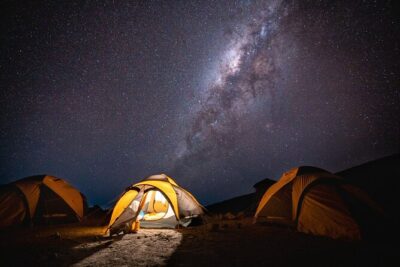
Camping is in North Face VE-25 tents, normally shared by two hikers. Solo tent use costs extra. The tents and mess equipment reduce the amount of personal gear you need to carry, though you still need a suitable hiking outfit, boots, sleeping bag, and other personal items unless you hire them.
The guides are certified Wilderness First Responders and have at least seven years of professional experience. The combination of routine medical checks, oximeters, oxygen, and trained guides is reassuring. It does not make high altitude harmless, so you should still report symptoms honestly and accept a guide’s decision if the climb must change.
Who should book this climb
I would recommend Umbwe to an experienced hiker who is comfortable with steep paths, long days, rough ground, cold nights, and a midnight summit start. You should arrive in strong physical condition, not hoping the mountain will build your fitness for you.
This is a good fit if you want:
- A direct and demanding route
- A private climb for your own group
- Full camp and meal support
- Close guide attention on summit night
- A route that moves rapidly from rainforest to high volcanic terrain
I would choose another Kilimanjaro route if you are new to multi-day mountain trekking, uneasy with steep terrain, or want the most gradual altitude schedule available. Umbwe offers a strong sense of achievement, but the short route leaves less room for your body to adapt.
Should you book the six-day Umbwe Route?
Book it if the challenge itself is a major reason you are going to Kilimanjaro. The route is steep, direct, and visually varied, and the package covers the hard logistics that can distract from the climb. The private format and close summit guide support are real advantages.
Think twice if you are tempted by the lower price or shorter schedule alone. Six trekking days can be demanding, and the summit day is especially long. If you choose Umbwe, train seriously, use the pre-climb briefing well, bring proper insurance, and treat every medical check as useful information rather than a formality.
The cancellation terms are flexible up to 24 hours before the start time for a full refund. After that point, the amount paid is not refunded, and late changes are not accepted.
FAQ
How long is the full experience?
The full package lasts about eight days, including arrival, two hotel nights, six trekking days, the summit, descent, and departure transfer.
How high is Uhuru Peak?
Uhuru Peak is 5,895 meters above sea level.
Where does the Umbwe climb begin?
The trek begins at Umbwe Gate in Kilimanjaro National Park, at 1,640 meters.
Is the climb suitable for beginners?
The route is recommended for experienced hikers in strong physical condition. It is a steep route with a fast gain in altitude.
Is this a private tour?
Yes. Only your own group participates in the climb.
Are meals included?
Yes. Three meals a day are provided on the mountain. Vegetarian, gluten-free, halal, and other meal plans are available.
Is airport transportation included?
Yes. Pickup and drop-off at Kilimanjaro International Airport, along with ground transportation, are included.
Is travel insurance included?
No. You must arrange your own insurance. Coverage for trekking up to 6,000 meters and helicopter evacuation is highly recommended.
More Six-Day Trips in Kilimanjaro
- Kilimanjaro climb, Lemosho Route (6-day)
★ 5.0 · 129 reviews - Kilimanjaro climb, Marangu route (6-day)
★ 5.0 · 72 reviews - 6 Days Tanzania Classic Safari
★ 5.0 · 52 reviews - The Best of Machame Route in 6 Days: Your World’s Summit Guide
★ 5.0 · 44 reviews
Just added around Kilimanjaro
- 6 days Machame route climbing Mt.Kilimanjaro★ 5.0 · 8 reviews
- machame route★ 5.0 · 16 reviews
- Mt Kilimanjaro 6 days Marangu route hike★ 5.0 · 3 reviews
- Private Cycle to Kilimanjaro Bike Park Safari★ 5.0 · 6 reviews
- West Kilimanjaro cycling Adventures★ 4.5 · 8 reviews
- Kilimanjaro Climb • Marangu Route ~ 9 Day★ 5.0 · 4 reviews
- 3 Days Private E-Bike Tour in West Kilimanjaro★ 5.0 · 3 reviews
- Kilimanjaro Climb • Machame Route ~ 10 Day★ 5.0 · 6 reviews
Hiking & Trekking, compared.
7-Day Machame Kilimanjaro Summit Tour from Arusha
Read our review →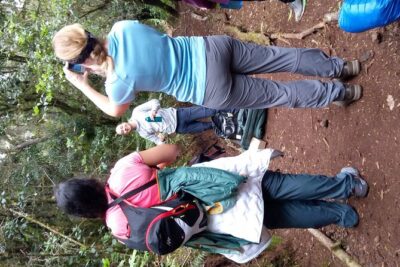
Private Full Day Hiking Experience to Marangu Route
Read our review →
4 days Best experience Kilimanjaro Hike, Serengeti &Ngorongoro
Read our review →
Best Kilimanjaro hiking day trip tour with Kilinge Adventures
Read our review →Browse the lists this tour appears in