
Reviewed · MACHAME ROUTE CLIMBS
Discover The Best 7-day Kilimanjaro climbing via Machame route
Kilimanjaro’s Machame Route gives you the mountain in full: wet rainforest, high moorland, the stark Lava Tower, the Barranco Wall, and a midnight push toward Uhuru Peak. Seven days lets you climb at a steadier pace than the shorter versions, though the summit day remains a serious test of cold, altitude, sleep loss, and stamina.
I like two things here. First, the route changes scenery almost every day, so the climb never feels like one long uphill slog. Second, the package handles the practical basics, including meals, mountain camps, Moshi transfers, a briefing, and a summit certificate. The main catch is price clarity: the $1,200 fee does not include park fees, hotel nights, tips, gear, flights, or airport transfers.
Key points to know before booking
- Seven days on the Machame Route: A scenic path with rainforest, moorland, alpine desert, and glacier views.
- Lava Tower acclimatization: Day three takes you high before dropping to Barranco Camp, a useful climb-high, sleep-lower pattern.
- A demanding summit night: You leave Barafu around midnight to 2 a.m. and may spend up to 13 hours completing the summit day.
- Camping with meals provided: Breakfast, lunch, and dinner are included during the trek, with overnight camps along the route.
- Moshi transfers included: Pickup from your Moshi hotel and return transport from Mweka Gate are covered.
- A group experience: The maximum group size is listed as 50, so ask ahead about the expected size of your departure.
What the seven-day Machame climb is really like
This is not a sightseeing walk with a mountain in the background. Machame is one of Kilimanjaro’s harder routes, with steep sections, rough ground, long walking days, and a summit attempt above 18,000 feet.
You start near 5,400 feet and finish at Uhuru Peak, listed at about 19,340 feet. That change in altitude is the central challenge. Your legs matter, but so do patience, sleep, hydration, and the ability to keep walking slowly when the air gets thin.
The route is often called the Whiskey Route, a nickname that hints at its more demanding character. You should have a moderate level of fitness at a minimum, and the description is aimed at experienced or advanced hikers. That said, the daily distances are not always huge. The difficulty comes from steep climbs, high altitude, uneven footing, and the summit schedule.
The maximum group size is 50. That is a sizable group, though the actual departure may be smaller. If you care about a quieter pace or close contact with one guide, ask the operator how many people are booked before you pay.
More Machame Route climbs:
- Kilimanjaro climb, Machame Route (7-day)
★ 5.0 · 262 reviews - Climbing Kilimanjaro – Machame Route
★ 5.0 · 170 reviews - Climbing Kilimanjaro through 7 days Machame Route
★ 5.0 · 151 reviews
Day one: Moshi to Machame Camp through the rainforest
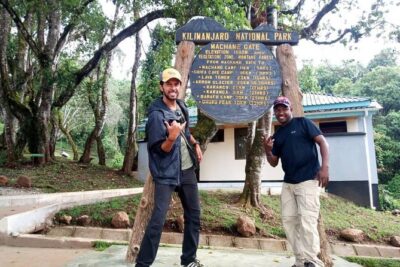
The morning begins with pickup from your hotel in Moshi and a drive of roughly 50 minutes to Kilimanjaro National Park’s Machame Gate. The road passes through Machame village, on the lower slopes of the mountain, before you begin walking.
From the gate, the trail winds upward through rainforest and montane forest to Machame Camp. The stated figures are a climb from about 5,400 to 9,400 feet, 11 kilometers, and five to seven hours of hiking.
This is a good opening day because the forest gives you shade and a clear sense of entering a wild mountain zone. It is also the wettest-feeling section of the route. Lower down, the path can be muddy and slippery, especially after rain.
Pack gaiters and trekking poles. They are not decorative extras here. Gaiters help keep mud and water out of your boots, while poles give you better balance on slick ground. Keep a rain layer near the top of your daypack, not buried in your duffel.
The park admission fee is not included in the package price, so confirm how that payment will be handled before departure. The tour includes the Moshi pickup, but not airport transportation.
Day two: Shira Camp and the first big altitude change
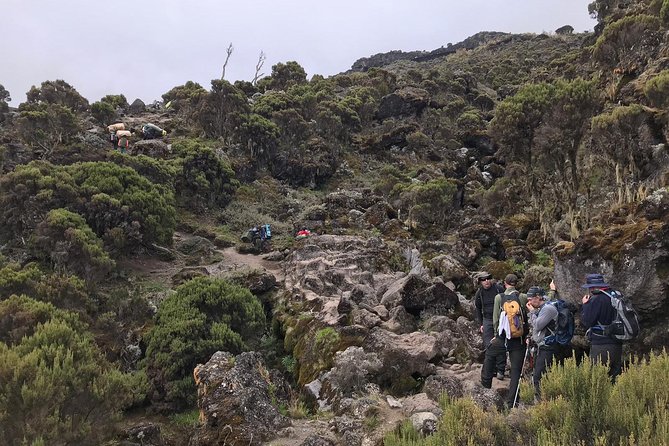
After breakfast, you leave the thick forest behind and climb into moorland. The trail crosses a small valley and follows a steep, rocky ridge covered with heather before turning west toward Shira Camp.
The day covers about 5.4 kilometers, with four to six hours of walking. Altitude rises from roughly 9,400 to 12,500 feet. Compared with day one, the distance is short, but the altitude gain is noticeable.
Shira is one of the route’s memorable areas because the trees open up and the mountain feels much bigger. You can expect broad views across the Shira Plateau, with a more exposed setting and cooler air. The tradeoff is that you lose the rainforest’s shelter. Wind, sun, and cold can become more important here.
Breakfast, lunch, and dinner are included during the trek. That matters more than it may sound. A hot meal at camp saves you from carrying a week of food and gives you a reliable chance to eat after a tiring day.
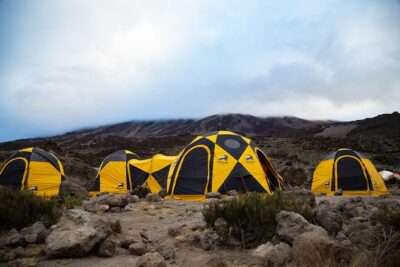
You sleep at Shira Camp, but do not expect a hotel-style night. This is mountain camping, and your comfort depends on the sleeping gear you bring or rent. Personal hiking gear is not included, so confirm exactly what equipment is available from the operator and what you must supply.
Day three: Lava Tower, then down to Barranco
Day three is one of the smartest parts of the route. From the Shira Plateau, you head east toward Lava Tower, also known as the Shark’s Tooth, at roughly 13,000 feet. The route then drops to Barranco Camp, which sits at about the same general altitude as your starting point for the day.
The walk is about 10 kilometers and takes five to six hours. You pass a junction toward Kibo and continue toward Lava Tower. A further junction leads toward the Arrow Glacier at about 16,000 feet, though the standard plan continues down to Barranco rather than climbing to that glacier.
This climb-high, sleep-lower pattern gives your body a useful chance to experience thinner air before spending the night at Barranco. It does not remove the risk of altitude sickness, and no itinerary can guarantee a summit, but the route’s shape is more helpful for adjustment than a simple steady rush uphill.
Barranco Camp has some of the best visual drama on the mountain. The terrain changes to high moorland, the air is thin, and the volcanic formations feel close and raw. The drawback is simple: you may feel rough here. Headache, nausea, unusual tiredness, or poor coordination should be reported to your guide at once.
The guide’s judgment is important on this climb. Past trips connected with the operator have named guides including Solomon and Mathew, while other departures have included different mountain teams. Ask who will lead your group and how the guide handles altitude problems before you start.
More treks and hikes around Kilimanjaro:
- Kilimanjaro climb by Lemosho Route (7-day)
★ 5.0 · 651 reviews - Kilimanjaro Climbing Lemosho Route 8 Days.
★ 5.0 · 186 reviews - 8-Day Small-group Lemosho Kilimanjaro Summit Trekking
★ 5.0 · 186 reviews - Kilimanjaro climb, Lemosho Route (8-day)
★ 5.0 · 148 reviews
Day four: The Barranco Wall and Karanga Camp
Day four is shorter, but it is not easy. After breakfast, you climb the eastern wall of the Barranco Valley, passing below the Heim Glacier area. The trail then tackles the Great Barranco Wall before dropping into the Karanga Valley.
The stated distance is about five kilometers, with four to five hours of walking. You rise only slightly, from roughly 13,000 to 13,100 feet, but the trail includes steep, hands-on sections. This is where the word scramble in the tour description becomes useful. You are not rock climbing with ropes, but you should expect to use your hands for balance on some sections.
The Barranco Wall can look intimidating from camp. Once you are on it, the route is a careful climb rather than a vertical ascent. Move at the pace set by the guide, keep three points of contact when needed, and do not rush to pass other hikers.
Karanga Camp lies in alpine desert terrain. The short day is designed for acclimatization and gives you time to rest before the final climb to Barafu. I like this pause in the schedule. A seven-day attempt needs a day that is not simply another long march.
The scenery also changes quickly. Vegetation becomes sparse, the ground looks rougher, and the summit feels closer. Bring warm layers even if the morning starts mild. Conditions can change fast at this height.
Day five: Barafu Camp and the final preparation
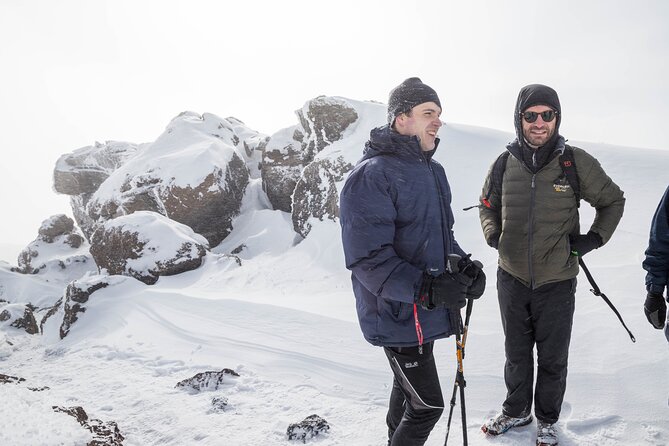
From Karanga, you continue for about four kilometers to Barafu Camp, gaining roughly 2,200 feet. The walk takes three to four hours and crosses the alpine desert.
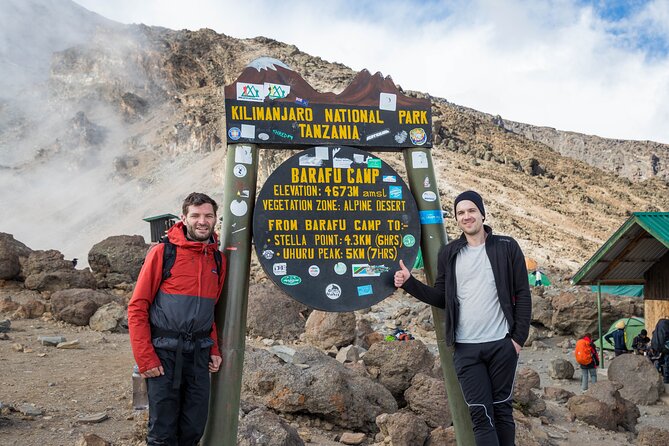
Barafu means ice, and the camp is a stark place to spend the afternoon. You have completed the southern circuit, which gives you changing views of Kibo and Mawenzi, Kilimanjaro’s two main peaks. This is also where the practical work of summit preparation begins.
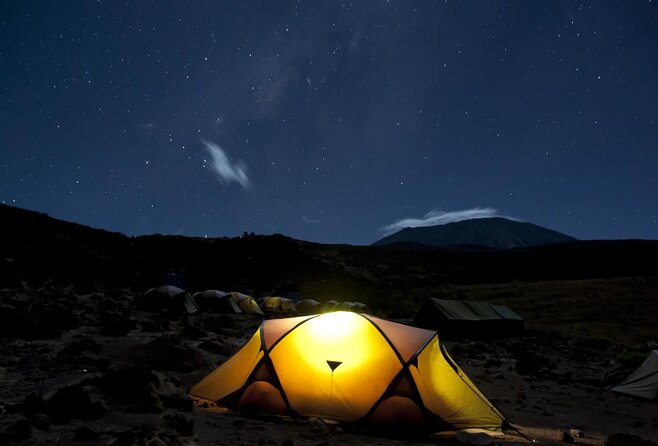
You eat, rest, organize your clothing, and try to sleep before the midnight or early morning start. In reality, sleep may be limited because the summit attempt starts between midnight and 2 a.m. Keep your headlamp, gloves, warm hat, water, snacks, and extra layers easy to reach.
The package includes meals during the trek, but not personal equipment. For this camp and the summit night, your gear matters greatly. You need clothing suitable for cold, wind, and changing conditions, along with sturdy hiking footwear and a daypack. The supplied information does not specify a rental list, so get that list in writing.
Day six: Stella Point, Uhuru Peak, and Mweka Camp
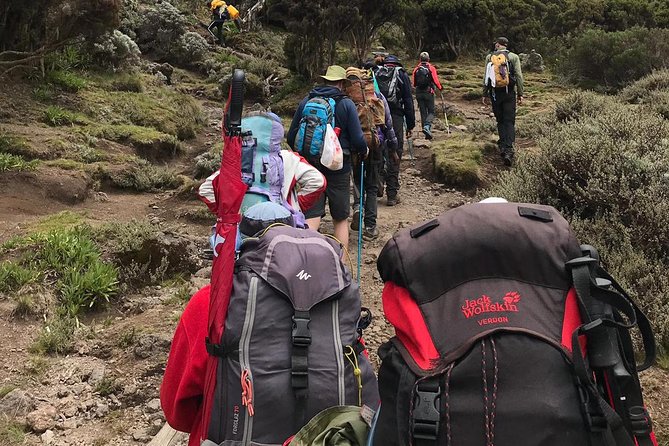
This is the hard day, both physically and mentally. The schedule lists five kilometers of ascent, 12 kilometers of descent, seven to eight hours going up, and four to six hours coming down. The full day may last about 13 hours.
You leave Barafu between midnight and 2 a.m. and climb northwest over steep scree toward Stella Point on the crater rim. The terrain is loose and tiring. The slow pace can feel frustrating, but this is not the moment to race. Your guide sets the rhythm, and you need to watch for signs that your body is not coping with the altitude.
Stella Point sits at about 18,600 feet. If weather permits, sunrise from the crater rim can be extraordinary. From Stella, the final climb to Uhuru Peak takes about another hour. Reaching the summit is the great prize, but it is wise to treat Stella Point as an important milestone too. Some people may need to stop there rather than continue.
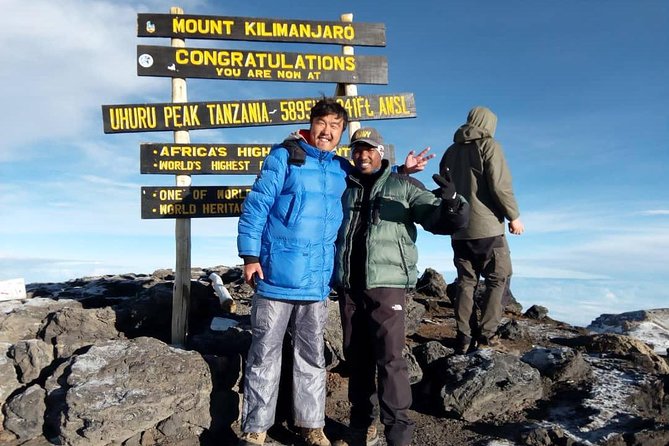
At Uhuru Peak, you are at the highest point of Kilimanjaro. The views can include glaciers, crater scenery, and wide views beyond the mountain, though cloud and weather may limit what you see. Do not linger too long. Cold and altitude remain serious concerns, even after the photographs are taken.
After the summit, you descend to Barafu and continue toward Mweka Camp. The downhill section can be hard on knees and feet, especially after the long ascent. Trekking poles are useful, and you will be glad if you kept a spare pair of dry socks and a snack within reach.
This is also the day when guide support matters most. Several trip accounts describe mountain crews as encouraging and well organized, with particular praise for guides, cooks, and porters. One account also described a guide helping a climber return after an earlier attempt stopped near Gilman’s Point because of severe cold. That detail is a useful reminder: success is never more important than a safe decision.
Day seven: Mweka Gate and the return to Moshi
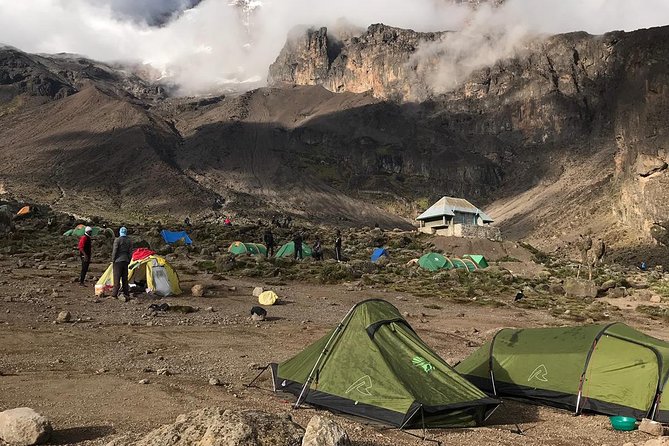
The final morning is a descent from Mweka Camp, around 10,000 feet, to Mweka Gate at about 5,400 feet. The listed distance is roughly 10 kilometers, with four to five hours of walking.
You return to rainforest, and the lower trail can again be wet and muddy. Gaiters and poles remain useful. At lower altitude, shorts and a T-shirt may be comfortable, but keep rain gear and warmer clothing handy until you know what the weather is doing.
At Mweka Gate, you receive your summit certificate. The provided plan then describes another hour to Mweka village, where a vehicle takes you back to your Moshi hotel. The package covers drop-off at the hotel you booked in Moshi, but hotel accommodation itself is not included.
This arrangement works best if you book at least one Moshi night before the climb and another after it. The tour information does not include those nights, so build them into your budget and schedule.
What the $1,200 price does and does not cover
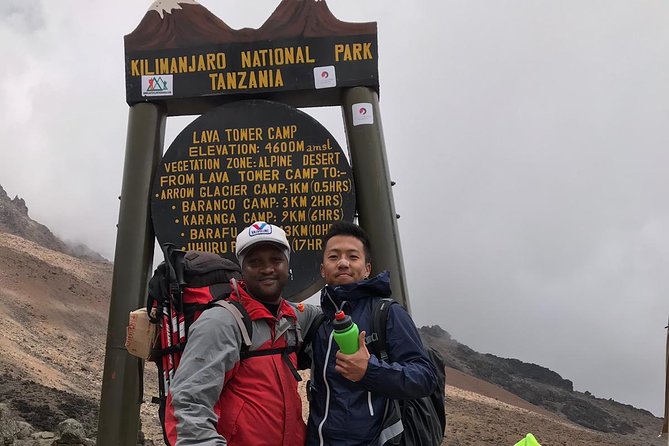
At $1,200 per person, the price may look attractive for a seven-day Kilimanjaro climb, especially because it includes meals, mountain camps, a guide, a briefing, Moshi hotel pickup, return transport, and a certificate.
But it is not an all-in price. You must budget separately for:
- Kilimanjaro National Park fees
- Hotel accommodation in Moshi
- International or domestic flights
- Kilimanjaro Airport pickup and drop-off
- Tips for the mountain crew
- Personal hiking equipment
The park fees are a major point to clarify. The trip information says all Kilimanjaro park fees are excluded and can be paid directly to the park or through the tour operator. Ask for the exact total before booking, and request a written breakdown of every mandatory charge.
The $1,200 price offers decent value only if the added costs are clear and manageable. A lower advertised rate is less useful if park fees, gear, tips, and transfers appear later as surprises.
Who should book this climb
I would consider this trip if you want a scenic seven-day route and prefer a group climb rather than a private expedition. The itinerary gives you more time than shorter Machame versions, includes an acclimatization-oriented day at Karanga, and offers a strong variety of terrain.
It suits hikers with regular mountain experience and a moderate to advanced fitness base. You should be comfortable walking five to eight hours on consecutive days, then handling a summit day that may last 13 hours.
I would hesitate if you dislike camping, have little experience with long uphill days, or want a relaxed holiday schedule. The route is demanding, and a strong rating or enthusiastic crew cannot change the altitude or the cold.
The operator has received a 100 percent recommendation figure from 13 submitted ratings, with repeated praise for organization, food, guides, cooks, and porters. That is encouraging, but the small number of ratings means I would still ask direct questions about your group size, crew welfare practices, park fees, equipment, and emergency procedures.
Free cancellation is available up to 24 hours before the experience begins. Changes or cancellations inside that window are not accepted for a refund, and all times follow local time in Tanzania.
Should you book this Machame Route climb?
Book it if you want a demanding but varied Kilimanjaro climb, understand that the $1,200 price excludes several major costs, and are ready for a true summit attempt rather than a simple hike.
Before paying, confirm the park fee total, group size, hotel arrangements, guide assignment, gear options, and tipping expectations. If those answers are clear and you have the fitness for the summit day, the seven-day Machame schedule gives you a strong route, good scenery, and useful time to adjust to altitude.
FAQ
How long is the Kilimanjaro Machame Route experience?
The climb lasts approximately seven days. The route begins at Machame Gate and finishes at Mweka Gate before transport returns you to Moshi.
Is hotel pickup included?
Yes. Pickup is included from the hotel you booked in Moshi town, and drop-off is included at that hotel after the trek.
Are meals included during the climb?
Yes. Breakfast, lunch, and dinner are included during the trekking portion of the experience.
Are Kilimanjaro park fees included in the price?
No. All Mount Kilimanjaro park fees are excluded. They may be paid directly to the park or through the tour operator.
What level of fitness do I need?
The activity states that you should have a moderate physical fitness level. The route is described as difficult and is intended for advanced hikers, with a long summit day lasting about 13 hours.
What is the cancellation policy?
You can cancel up to 24 hours before the experience start time for a full refund. Cancellations or changes made less than 24 hours before the start time are not accepted for a refund.
More Seven-Day Trips in Kilimanjaro
- 7-Day Machame Kilimanjaro Summit Tour from Arusha
★ 5.0 · 125 reviews - 7 Days Kilimanjaro via Machame route affordable price
★ 5.0 · 110 reviews - Private Kilimanjaro Hike 7 Day Lemosho Route
★ 5.0 · 60 reviews - 7 Days Machame route – Kilimanjaro
★ 5.0 · 45 reviews
Just added around Kilimanjaro
- 6 days Machame route climbing Mt.Kilimanjaro★ 5.0 · 8 reviews
- Mt Kilimanjaro 6 days Marangu route hike★ 5.0 · 3 reviews
- machame route★ 5.0 · 16 reviews
- Private Cycle to Kilimanjaro Bike Park Safari★ 5.0 · 6 reviews
- West Kilimanjaro cycling Adventures★ 4.5 · 8 reviews
- Kilimanjaro Climb • Marangu Route ~ 9 Day★ 5.0 · 4 reviews
- 3 Days Private E-Bike Tour in West Kilimanjaro★ 5.0 · 3 reviews
- Kilimanjaro Climb • Machame Route ~ 10 Day★ 5.0 · 6 reviews
Machame Route Climbs, compared.
The Best of Machame Route in 6 Days: Your World’s Summit Guide
Read our review →Browse the lists this tour appears in