
Reviewed · MACHAME ROUTE CLIMBS
Mt Kilimanjaro Climb – 7 days Machame
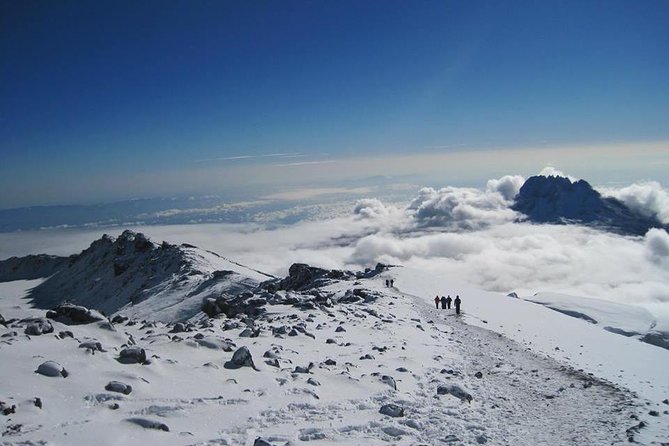
Kilimanjaro’s Machame Route gives you the mountain in chapters: rainforest on day one, open moorland by day two, the Barranco Wall on day four, and a freezing midnight push toward Uhuru Peak. This is the famous Whisky Route, but seven days gives your body more time to adjust than a rushed itinerary.
I like the way the trip combines practical support with real mountain life. Your cook prepares three meals a day, porters carry the camp gear, and guides such as Amnaay, Musa, Antipas, Robert, and Satorine have earned strong praise for calm support and careful pacing. I also like the high-and-low acclimatization plan, which takes you to Lava Tower before dropping you to Barranco Camp.
The catch is simple: this is a hard climb, not a scenic walk. Summit night starts around midnight, personal gear is not included, and the price does not cover tips, insurance, drinks, or airport transfers.
Key points to know before booking
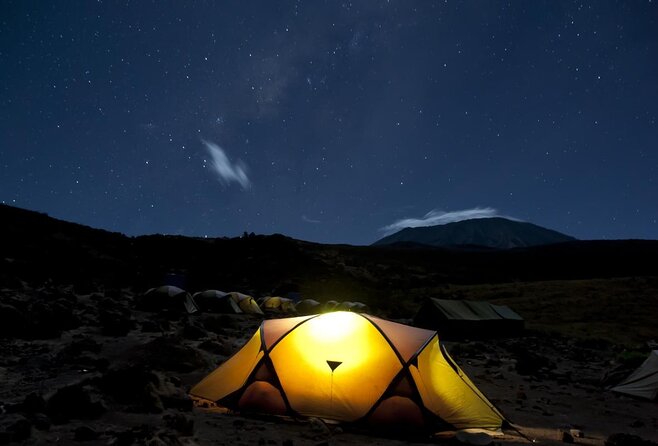
- Seven days on the Machame Route: You get rainforest, moorland, alpine desert, the Barranco Wall, and the summit crater rim in one well-paced route.
- Sleep low after climbing high: Day three reaches Lava Tower at about 4,640 meters before continuing down to Barranco Camp, a useful acclimatization pattern.
- A serious summit night: Expect tea and biscuits before a midnight start, five to seven hours to Stella Point, and another one to two hours to Uhuru Peak.
- A full mountain support team: Guides, assistant guides, cooks, and porters are included, along with tents, mattresses, a mess tent, meals, water, and transport to the gates.
- Strong guide-focused feedback: Amnaay, Musa, Antipas, Robert, and Satorine are among the guides praised for encouragement, pacing, and safety.
- Good value, with extra costs to plan for: The $2,543.59 price includes major operating costs, but you still need climbing gear, insurance, drinks, and crew tips.
Why the Machame Route works well in seven days
The Machame Route is often called the Whisky Route, a nickname that hints at its tougher character compared with easier approaches. That does not mean technical climbing. The route is a long, high-altitude hike, with steep sections, uneven ground, cold nights, and a final summit push that tests your legs and lungs.
The seven-day schedule is important. You climb from the Machame Gate through several altitude zones, then spend time gaining height and losing it again before sleeping higher. That day at Lava Tower and Barranco is especially useful because you reach roughly 4,640 meters, then rest at a lower camp.
I like that the trip is private, meaning only your group takes part. That can make it easier to set a sensible walking rhythm and tell your guide when you need a pause. The exact crew size is not stated, so ask before booking if that matters to you.
This is still a demanding plan. You need a moderate level of physical fitness, and you should be ready for several hours of walking each day. The itinerary includes an oxygen cylinder and an oxygen meter, but those are safety measures, not a substitute for preparation or travel insurance.
More Machame Route climbs:
- Kilimanjaro climb, Machame Route (7-day)
★ 5.0 · 262 reviews - Climbing Kilimanjaro – Machame Route
★ 5.0 · 170 reviews - Climbing Kilimanjaro through 7 days Machame Route
★ 5.0 · 151 reviews
Day one: Machame Gate and the rainforest
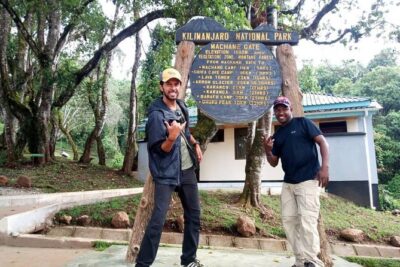
After breakfast, pickup takes you toward Kilimanjaro National Park and the gate. Your guide handles entrance forms while you watch the mountain crews organize food, tents, cooking equipment, and personal loads. It is a useful first look at how much work goes into a supported climb.
The first walking day lasts about five to six hours and ends at Machame Camp. The route passes through rainforest filled with old trees, ferns, liana, and lichen. After the dry streets and busy planning around Moshi, the change in setting is immediate.
Do not treat this as an easy warm-up. The walking time is moderate, but you are beginning at altitude and carrying your day pack. Use the first day to test your boots, walking poles, layers, and water system. Tell your guide early if anything rubs or feels wrong. Small problems become large ones on a mountain.
The package includes transport to and from the gate, camping facilities, drinking water, and meals. Pickup and drop-off from your hotel are included, but airport transfers and accommodation before or after the climb are separate arrangements.
Day two: Shira Plateau and changing scenery
Day two is shorter in distance than the first, though the listed walking time is about seven hours. The rainforest fades into moorland and heath, with wider views and fewer trees. Your camp on the Shira Plateau gives you a first clear look at the upper mountain, and Kibo’s glacier can catch the evening light.
This is one of the route’s most satisfying changes. You can feel the mountain opening up around you, but you also lose the shelter of the forest. Sun, wind, and cold may become more noticeable, so keep warm layers easy to reach rather than buried in your bag.
The day is described as ending around mid-afternoon, giving you time to eat, rest, and look around camp. That extra time matters. A seven-day climb is not about racing from one camp to the next. It is about saving strength for the summit.
Day three: Lava Tower, Barranco Valley, and altitude practice
Day three is the clever part of the schedule. You climb around 700 meters to Lava Tower, at about 4,640 meters, then continue down through the Barranco Valley to sleep at Barranco Camp. Walking time is about six to seven hours.
The scenery changes again, this time to alpine desert. Small lobelia plants and giant senecios add character to the otherwise stark ground. You get a feel for high-altitude conditions without spending the night at the highest point you reach that day.
This is also the day to pay attention to your body. Headache, nausea, unusual tiredness, or poor coordination should be reported to your guide. Do not hide symptoms to protect your summit hopes. The guide’s job is to help you make sound decisions, and the included oxygen cylinder and oxygen meter provide added support if needed.
Barranco Camp is a memorable place to sleep because the valley and the mountain feel close around you. Dinner comes after a long day, followed by an early rest. Keep your evening routine simple: eat, drink, sort your layers, and sleep.
More treks and hikes around Kilimanjaro:
- Kilimanjaro climb by Lemosho Route (7-day)
★ 5.0 · 651 reviews - Kilimanjaro Climbing Lemosho Route 8 Days.
★ 5.0 · 186 reviews - 8-Day Small-group Lemosho Kilimanjaro Summit Trekking
★ 5.0 · 186 reviews - Kilimanjaro climb, Lemosho Route (8-day)
★ 5.0 · 148 reviews
Day four: The Barranco Wall and the ridge walk
The Barranco Wall is the route’s best-known physical feature. After breakfast, you climb it with occasional use of your hands for balance and grip. The description makes clear that it has no technical climbing passages, but it is steep enough that you should follow guide instructions carefully.
This is where experienced guides matter. Past climbs have highlighted names including Amnaay, Musa, Antipas, Robert, and Satorine, with particular praise for encouragement, safety, and pacing. Your guide may not be one of these people, so confirm the assigned team before you travel, but the company’s guide-led approach is central to the experience.
The day includes plenty of ups and downs, followed by a walk along a mountain ridge. The glacier on Kibo stays in view, and the summit cone accompanies you toward camp. The stated walking time varies between about three to four hours and seven hours, so expect the day to depend on pace, breaks, and conditions.
This is a good example of why you should not judge a mountain day by distance alone. A short route can feel tiring when it rises and falls repeatedly. Keep a snack handy, walk slowly, and let the group settle into a steady rhythm.
Day five: Barafu Camp and the final rest
Barafu Camp comes after roughly three to four hours of walking through alpine desert. The scenery is described as moon-like, with little vegetation and a strong sense that you are now high on the mountain.
The camp is the launch point for summit night. After dinner, you should expect an early night, though sleep may be light. The practical challenge is organizing your clothes, headlamp, water, snacks, and warm layers before you lie down. You do not want to search through your bag at midnight.
This is also the point when personal equipment matters most. The tour supplies tents, mattresses, and a mess tent, but personal mountain clothing and climbing equipment are not included. A sleeping bag can be hired, as one past participant did to avoid bringing one from the United Kingdom. Ask Nyange Adventures what rental equipment is available and what it costs.
Day six: Midnight start and Uhuru Peak
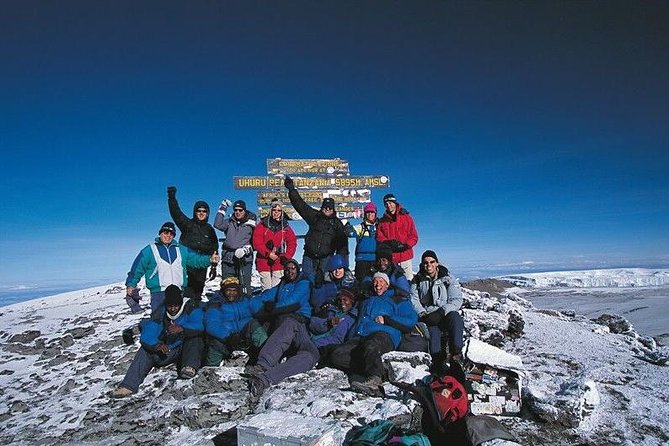
Summit day is the hardest part of the climb. You are woken shortly before midnight for tea and biscuits, then begin walking in darkness. Reaching Stella Point on the crater rim takes about five to seven hours, followed by another one to two hours to Uhuru Peak at 5,895 meters.
The goal is to reach the summit around sunrise. From Uhuru Peak, you can look across Africa’s highest mountain and see the morning light over the crater area. It is a powerful reward, but the cold, thin air, darkness, and long ascent should not be underestimated.
After the summit, you descend to Barafu Camp in about one to two hours, where the mountain team waits with snacks and refreshments. The overall day is listed at about seven hours, but your personal timing can vary. The summit attempt is the part most likely to expose poor preparation, so train for long uphill walks, use your rest days well, and keep your expectations flexible.
The return to Barafu is not the end of the work. You have climbed and descended at high altitude, and fatigue can be heavy. Eat, drink, and rest as soon as you can. Your guides should monitor your condition throughout the day.
Day seven: Mweka Gate and a proper finish
After breakfast, you take part in a farewell ceremony with the mountain crew. Then you walk for about two to three hours through the rainforest to Mweka Gate, where the driver meets you for the trip back to your hotel.
The final transfer, shower, cold drink, debrief, and certificate are welcome details. The ceremony also gives you a chance to recognize the people who made the climb possible, including the guides, cooks, assistant guides, and porters.
The tour states that crew pay follows fair and ethical salary guidelines connected with KPAP. Tips are still expected and are not included. Recommended amounts are $20 per day for the head guide, $12 to $15 for an assistant guide, $12 for the cook, and $5 to $8 per porter, divided among the group. Clarify the tipping process before departure so you can budget fairly.
What the $2,543.59 price really covers
At first glance, $2,543.59 is a major expense. For a seven-day Kilimanjaro climb, though, the price covers a large operating package: park and government taxes, transport to the gates, guides, assistant guides, cooks, porters, tents, mattresses, a mess tent, drinking water, bottled water, coffee, tea, and all listed breakfasts, lunches, and dinners.
It also includes six nights of accommodation on the mountain. That means you are not arranging camps, cooking, carrying group supplies, or handling park formalities yourself. For a first Kilimanjaro climb, that support has real value.
Budget separately for personal gear, travel insurance, alcoholic and soft drinks, pre-climb and post-climb accommodation, airport transfers, and tips. The booking price includes both lunch and dinner for the relevant days, but it is still sensible to confirm the exact meal plan during booking.
Group discounts are available, and vegetarian food can be requested in advance. If you need special meals, do not wait until arrival to mention it.
How the crew affects the experience
The strongest theme in the available feedback is the mountain crew. Names such as Amnaay, Musa, Antipas, Robert, Mo, and Satorine appear in connection with encouragement, careful pacing, and a supportive atmosphere. Satorine is described as having more than 20 years of experience and timing a summit arrival for sunrise.
Communication before departure has also been praised, including detailed answers from staff members such as Amina, Kelvin Kihara, and company owner Praise Nyange. That matters because Kilimanjaro trips involve many questions about clothing, sleeping bags, transfers, tipping, and fitness.
Keep in mind that a company can have excellent guides without every trip feeling identical. Ask who will lead your climb, how many people will be in your group, how tips are organized, and what equipment can be rented. Those answers will tell you more than a general promise of support.
Who should book this climb?
I would recommend this trip to a reasonably fit person who wants a guided, supported Kilimanjaro climb and values a gradual route through several mountain zones. The seven-day format suits you if you prefer more acclimatization time than a shorter itinerary provides.
It also suits first-time high-altitude hikers who want porters, a cook, camping equipment, and a professional guide team in place. You do not need technical climbing experience for the Barranco Wall, but you do need patience, stamina, and a willingness to follow instructions.
I would hesitate if you dislike camping, struggle with long walking days, or expect a relaxed holiday with a few mountain views. The midnight summit attempt is cold and tiring, and the tour does not supply your personal mountain equipment.
Free cancellation is available up to 24 hours before the start time for a full refund. Changes or cancellations inside that window are not accepted for a refund, so check the local start time carefully.
Should you book the seven-day Machame climb?
Book it if you want the classic Machame Route with a serious support team and a useful high-and-low acclimatization pattern. The route gives you varied scenery, a clear sense of progress, and a sunrise summit attempt without reducing the mountain to a quick dash.
Before paying, confirm your guide names, group size, gear rentals, airport transfer options, tipping arrangements, and the exact meeting plan. Bring suitable personal equipment and insurance, and treat the summit as a goal rather than a guarantee.
For a prepared, moderately fit climber, this looks like a well-supported and fairly priced way to take on Kilimanjaro. For anyone hoping for an easy adventure, it is better to choose a gentler trip.
FAQ
Where does the Kilimanjaro climb begin?
The experience begins with pickup and transport to Kilimanjaro National Park. The stated meeting location is Kilimanjaro Airport and Kilimanjaro National Park in Tanzania.
How long is the Machame Route tour?
The tour lasts approximately seven days and includes six nights of accommodation on the mountain.
Is hotel pickup and drop-off included?
Yes. Hotel pickup and drop-off are included. Airport transfers and accommodation before or after the climb are not included, though booking assistance is available on request.
Are meals included?
Yes. Breakfast, lunch, and dinner are supplied during the climb. Coffee and tea are also included.
Is vegetarian food available?
Yes. A vegetarian option is available, but you need to request it when booking.
Is camping equipment included?
Yes. The package includes a tent, mattresses, and a mess tent. Personal mountain climbing gear and equipment are not included.
Is a guide included?
Yes. A professional guide is included, along with an assistant guide, cook, and porters as part of the mountain support team.
Is oxygen provided?
An oxygen cylinder and oxygen meter are included as safety equipment.
How difficult is the climb?
You should have a moderate level of physical fitness. The trip includes several hours of walking each day, a steep section at the Barranco Wall, and a midnight summit attempt.
Are tips included in the price?
No. Tips are separate. Recommended amounts are $20 per day for the head guide, $12 to $15 for the assistant guide, $12 for the cook, and $5 to $8 for each porter, divided among the climbing group.
Is travel insurance included?
No. Travel insurance is not included and must be arranged separately.
Can I cancel for a full refund?
Yes, if you cancel at least 24 hours before the experience starts. Cancellations made less than 24 hours before the start time are not refunded.
More Seven-Day Trips in Kilimanjaro
- 7-Day Machame Kilimanjaro Summit Tour from Arusha
★ 5.0 · 125 reviews - 7 Days Kilimanjaro via Machame route affordable price
★ 5.0 · 110 reviews - Private Kilimanjaro Hike 7 Day Lemosho Route
★ 5.0 · 60 reviews - 7 Days Machame route – Kilimanjaro
★ 5.0 · 45 reviews
Just added around Kilimanjaro
- 6 days Machame route climbing Mt.Kilimanjaro★ 5.0 · 8 reviews
- machame route★ 5.0 · 16 reviews
- Mt Kilimanjaro 6 days Marangu route hike★ 5.0 · 3 reviews
- West Kilimanjaro cycling Adventures★ 4.5 · 8 reviews
- Private Cycle to Kilimanjaro Bike Park Safari★ 5.0 · 6 reviews
- Kilimanjaro Climb • Marangu Route ~ 9 Day★ 5.0 · 4 reviews
- 3 Days Private E-Bike Tour in West Kilimanjaro★ 5.0 · 3 reviews
- Kilimanjaro Climb • Machame Route ~ 10 Day★ 5.0 · 6 reviews
Machame Route Climbs, compared.
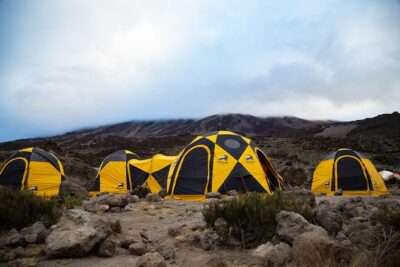
The Best of Machame Route in 6 Days: Your World’s Summit Guide
Read our review →Browse the lists this tour appears in