
Reviewed · NORTHERN CIRCUIT SAFARIS
9 Days Kilimanjaro Hiking or Climbing via Northern Circuit route
The best thing about this 9-day Northern Circuit climb is the route itself. You start in quiet rainforest, cross the open Shira Plateau, pass below the northern slopes, and finish at Uhuru Peak, Africa’s highest point. It is a long approach, but that extra time helps you adjust to altitude before summit night.
I like the gentle Shira Plateau day and the remote northern section, where the route feels far less traveled than the busy southern trails. I also like the practical package: park fees, meals, crew wages, transfers, and hotel accommodation before and after the climb are included.
The main drawback is the physical demand. Day 8 lasts about 14 hours, beginning around midnight and combining a steep summit push with a long descent to Mweka Camp. The $1,584 price is strong value if the included services are important to you, but personal gear, flights, insurance, visas, and crew tips still add to the final cost.
Key points to know before you book
- Nine days gives you a useful altitude schedule: The itinerary reaches high camps gradually, with a full day crossing from Lava Tower to Moir Hut for acclimatization.
- The Northern Circuit is the quiet side of Kilimanjaro: Days 5 and 6 cross remote valleys below the northern slopes and offer wide views toward Kenya and Tanzania.
- Summit night is the real test: You leave School Hut around midnight, climb in darkness to Uhuru Peak, then descend more than 9,000 feet to Mweka Camp.
- Meals and operating costs are covered: Breakfast, lunch, dinner, park fees, transfers, and crew wages are included, while tips and personal equipment are not.
- The route passes through five distinct habitats: Expect rainforest, heath, alpine desert, and the cold Arctic zone near the summit.
- The package includes practical transport support: Airport pickup and drop-off, gate transfers, and a return to your Moshi meeting point are included in the stated package.
Why the Northern Circuit is worth nine days
Kilimanjaro is not a technical climb in the mountaineering sense described here, but it is a serious high-altitude trek. The challenge comes from thin air, cold, long walking days, and the need to keep moving when your body would rather stop.
The Northern Circuit takes the long way around Kibo, Kilimanjaro’s main summit cone. That makes the route slower than shorter options, but the schedule gives you more time to adapt. You spend several nights between roughly 12,000 and 15,600 feet before the summit attempt, rather than rushing upward in only a few days.
I see that as the strongest reason to choose this itinerary. The route includes a climb to Lava Tower at 15,190 feet followed by a descent to Moir Hut at 13,580 feet. That climb-high, sleep-lower pattern is useful for getting your body used to the altitude.
You should still treat altitude sickness as a real concern. The extra days improve the schedule, but they do not guarantee a summit. Your guide’s advice, your own health, and the conditions on the mountain all matter.
More northern circuit safaris:
- Kilimanjaro climb, Northern Circuit route (8-day)
★ 5.0 · 40 reviews - Private 8 day Northern Circuit Kilimanjaro Climb
★ 5.0 · 8 reviews - Kilimanjaro Northern Circuit Route 8 Days
★ 5.0 · 5 reviews
Day 1: Lemosho Gate to Mti Mkubwa
Your day begins with a drive from Moshi to Londorossi Gate, which takes about four hours. Park entry formalities happen there before the vehicle continues to the Lemosho trailhead.
The walking starts in thick rainforest. This first section covers about 4 miles and takes three to four hours, rising from 7,742 feet to 9,498 feet. The day finishes at Mti Mkubwa Camp.
This is a sensible opening. You are walking through forest rather than facing an immediate steep climb across bare rock. The trail winds through a quieter-feeling part of the mountain, and the forest gives you shade and a gradual introduction to the routine.
The tradeoff is the long vehicle transfer before you start walking. You should expect Day 1 to feel like both a travel day and a hiking day. The package includes gate transfers, which keeps the logistics simpler.
Day 2: Heath country and the first Shira views
From Mti Mkubwa, the route climbs out of the rainforest into heath country. You cover about 5 miles in five to six hours, reaching Shira 1 Camp at 11,500 feet.
The setting changes quickly. Tall grasses, heather, volcanic rock, and lichen replace the dense trees. You cross streams and climb toward Shira Ridge before dropping slightly onto the plateau. Kibo, the summit cone, comes into view across the open ground.
This is one of the most satisfying transitions on the route. In a single day, you move from shaded forest to broad mountain scenery. The walk is not especially long by Kilimanjaro standards, but the altitude begins to make itself known.
Pace matters here. You will want to walk slowly and drink regularly, even if you feel strong. The route is not a race, and a comfortable first few days are more useful than proving how fast you can climb.
Day 3: An easier walk across Shira Plateau
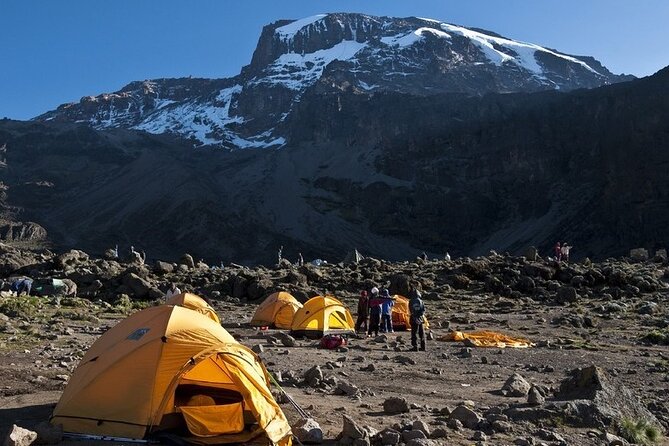
Day 3 covers about 4 miles between Shira 1 and Shira 2 Camp. The walk takes three to four hours and rises from 11,500 to 12,500 feet.
Compared with the longer days ahead, this is a lighter stage. You cross moorland meadows and pass unusual Senecio trees and wildflowers. The scenery is open, spare, and distinctly Kilimanjaro.
I like this day because it gives you time to settle into the camp routine without spending all day on the trail. It also helps your body work at altitude before the itinerary sends you higher.
Do not mistake the shorter distance for an easy day in every sense. At more than 12,000 feet, a modest walk can feel tiring. You might find that the main challenge is not your legs but your breathing and sleep.
More treks and hikes around Kilimanjaro:
- Kilimanjaro climb by Lemosho Route (7-day)
★ 5.0 · 651 reviews - Kilimanjaro climb, Machame Route (7-day)
★ 5.0 · 262 reviews - 8-Day Small-group Lemosho Kilimanjaro Summit Trekking
★ 5.0 · 186 reviews - Kilimanjaro Climbing Lemosho Route 8 Days.
★ 5.0 · 186 reviews
Day 4: Lava Tower and Moir Hut
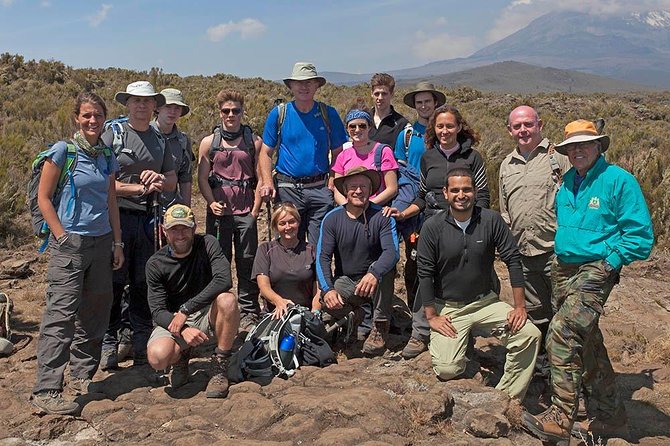
Day 4 is the key acclimatization day. You climb from Shira 2 Camp at 12,500 feet to Lava Tower at 15,190 feet, covering about 4 miles in three to four hours. Lava Tower is a striking volcanic rock formation that rises roughly 300 feet.
After reaching the tower, you turn toward Moir Hut, dropping to 13,580 feet over another 4 miles. The full day takes about eight hours.
This is a smart route design. You gain considerable height during the day, then sleep lower at Moir Hut. The change also breaks up the usual pattern of simply climbing higher each day.
Moir Hut sits near Lent Hills, and the itinerary allows for walks in that area. Those extra walks can provide more time at altitude without forcing you to make a major forward move.
The drawback is obvious: this is a long day with a major climb and descent. The alpine desert is exposed, and there is less plant life to soften the view or provide shade. You should expect a tougher day even though the mileage is moderate.
Day 5: Lent Hills and the route toward Buffalo Camp
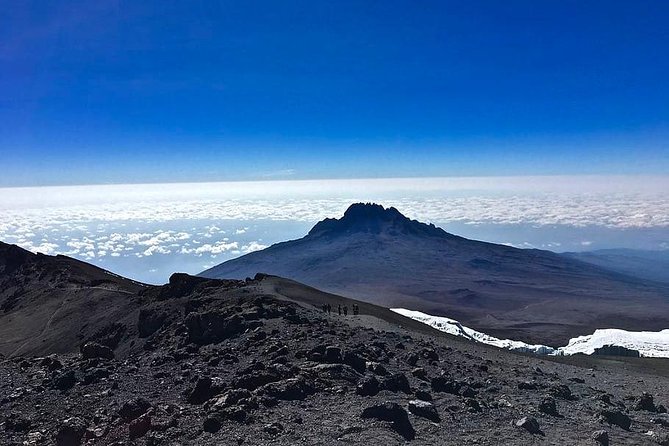
From Moir Hut, you climb out of Moir Valley and head toward the summit of Lent Hills before rejoining the main trail. The route covers about 7 miles and takes five to seven hours, with camp at Buffalo Camp around 13,200 feet.
The trail crosses a rocky area and undulates rather than running steadily uphill. That constant up-and-down movement can be harder than a simple climb, especially after the previous day.
The reward is the view north across the plains toward the Kenya and Tanzania border. You are now on the less-used northern side of the mountain, where the setting feels more remote.
This stage shows why the Northern Circuit is not simply a longer version of another route. It gives you a different angle on Kilimanjaro and a quieter walking experience. It also asks you to accept more uneven ground and a few tiring changes in direction.
Day 6: Remote valleys below Kilimanjaro’s northern slopes
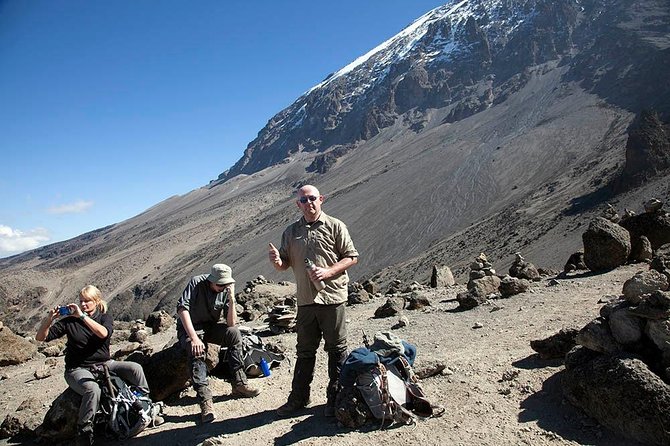
Day 6 takes you from Buffalo Camp to Third Cave. The distance is about 5 miles, but the walking time is listed at five to seven hours because of the terrain and altitude.
You climb Buffalo Ridge, where the vegetation becomes sparse, then cross remote valleys along the northern slopes. The route finishes at Third Cave at about 12,700 feet.
This section has a strong wilderness feel. You are far from the forest and deep into the mountain’s open upper zones. There are no major attractions to tick off here. The appeal is the steady movement through a less-used part of Kilimanjaro.
I would pay close attention to how you feel on this day. The mileage is not huge, but the accumulated fatigue from the previous stages can catch up with you. It is a good point to follow your guide’s pace and conserve energy for the summit.
Day 7: The Saddle and School Hut
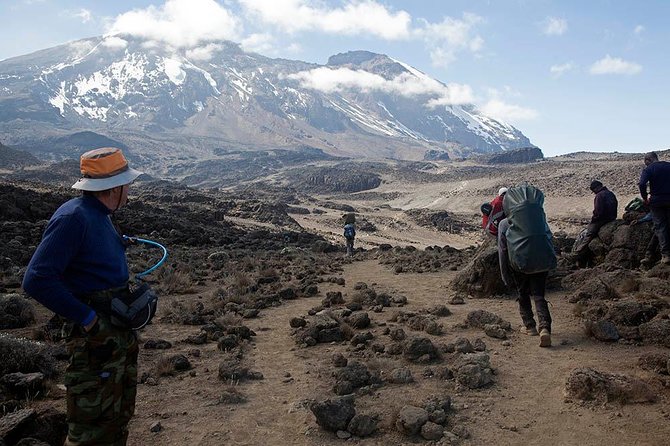
The route now climbs from Third Cave to School Hut. You cover about 3 miles in four to five hours, rising from 12,700 to 15,600 feet.
The trail crosses the Saddle, the broad high area between Kibo and Mawenzi. The vegetation gives way to alpine desert, and the surroundings become increasingly bare and cold.
School Hut is the final camp before the summit attempt. The plan is to rest there and eat an early dinner before going to sleep or lying down for the night.
This short distance can be deceptive. The high altitude makes the climb feel slow, and you need to protect your energy. Keep your evening simple. Organize your summit clothing and personal items before resting so you are not searching through your bag around midnight.
Day 8: Uhuru Peak and the long descent to Mweka
Summit day begins around midnight. From School Hut, you climb about 4 miles to Uhuru Peak, gaining from 15,600 to 19,341 feet. The ascent takes roughly six to eight hours.
This is the coldest and hardest part of the trip. You climb in darkness, take short breaks, and deal with wind and very low temperatures. At Gilman’s Point, around 18,600 feet, the sunrise over Mawenzi Peak can provide a memorable lift near the end of the climb.
From there, you continue toward Uhuru Peak, the highest point on Mount Kilimanjaro. Reaching the summit is only half of this day. You then descend about 7 miles to Mweka Camp at 10,065 feet, taking another four to six hours.
The entire day lasts around 14 hours. That figure should shape your decision to book. You need enough endurance for a long ascent followed by a descent when your legs and concentration are already worn down.
The descent to Mweka Camp is valuable because it gets you down to a much lower altitude on the same day. It is also hard on tired knees. Trekking poles, suitable boots, and personal hiking gear are not included in the price, so you need to arrive with the equipment you require.
Day 9: Rainforest descent and return to Moshi
The final walking day takes you from Mweka Camp to Mweka Gate. You descend about 6 miles, from 10,065 to 5,380 feet, in three to four hours.
The habitat changes back to rainforest, and the lower trail can be wet and muddy. At Mweka Gate, you collect summit certificates before continuing for about an hour to Mweka Village, where a vehicle takes you back to your Moshi hotel.
This finish is practical rather than leisurely. Your legs may be tired, and the muddy lower trail can slow you down. The included vehicle transfer is useful because it removes the need to arrange your own return after nine days on the mountain.
What the $1,584 price really covers
At $1,584 per person, the package has good potential value for a nine-day climb. The price includes all fees and taxes, airport pickup and drop-off, gate transfers, crew wages, park operating costs, and meals throughout the route.
You receive eight breakfasts, nine lunches, and eight dinners. Hotel accommodation before and after the hike is also included, although the details say it can be booked directly by you or arranged through the operator. Confirm exactly what hotel level and nights are included before paying.
The price does not cover:
- International or local flights
- Visas
- Medical and travel insurance
- Personal hiking equipment
- Tips for the crew
Crew tips are not a minor detail on a guided mountain trip. Add that cost to your planning, even though the amount is not specified here.
The advertised maximum group size is 500 people. That is an unusually high possible limit for a mountain departure, so I would ask the operator for the expected group size for your specific date. A smaller actual group may make camp routines and guide communication easier.
Food, transfers, and the everyday routine
Meals are provided for the walking days, which removes one large planning task. Breakfast, lunch, and dinner are included, but no specific menu or dietary arrangements are given. If you have dietary needs, ask before booking rather than assuming they can be handled at camp.
The meeting point is in Moshi at Burigi Chato Safaris, Mkwawa Street, Shanty Town. The stated start time is 8:30 am, and the activity ends back at the meeting point.
Airport pickup and drop-off are included in the package details. That can be especially useful if you are arriving without local transport arranged, but confirm the airport, timing, and hotel transfer details before arrival.
Who should choose this climb
This route suits you best if you want a long, scenic Kilimanjaro itinerary with more time for altitude adjustment. It also fits people who prefer remote mountain walking and do not mind trading a shorter schedule for extra days.
The route can suit less experienced hikers, but that does not mean it is easy. A previous rating highlights how the longer Northern Circuit helped a mixed-age group adjust to altitude, with participants ranging from 26 to 60 and with different levels of hiking experience. That is useful context, but your own fitness and medical situation remain important.
You should think twice if you dislike long summit days, cold conditions, basic mountain camps, or repeated climbs and descents. The final decision should be based less on the summit photo and more on whether you can accept the full 14-hour Day 8.
The operator has received especially strong praise for friendly guides, airport support, and helping people reach the summit. One account describes the guide and driver as friendly from airport arrival onward. The guide names are not provided, so ask for the lead guide’s name and qualifications before you book.
Cancellation and booking details
You can cancel up to 24 hours before the local start time for a full refund. Cancellations made within 24 hours are not refunded, and changes during that period are not accepted.
The experience depends on suitable weather. If poor weather causes cancellation, you are offered another date or a full refund. Booking confirmation is provided at the time of purchase, and the activity is described as suitable for most people, though you should still discuss any medical concerns before committing to a high-altitude climb.
Should you book the Northern Circuit?
I would choose this climb if your priority is a better-paced route, varied scenery, and a quieter northern approach to Kilimanjaro. The long itinerary, included meals, transfers, park costs, crew wages, and pre- and post-climb accommodation give the $1,584 price a sensible base value.
I would not book it without first confirming the hotel details, expected group size, crew tipping expectations, and arrangements for personal equipment. Most important, be honest about Day 8. If a midnight start, an ascent to 19,341 feet, and a descent to Mweka Camp in one day sounds manageable, this route offers one of the more thoughtful schedules for reaching Uhuru Peak.
FAQ
How long is the Kilimanjaro Northern Circuit experience?
The climb lasts approximately nine days, beginning and ending in the Moshi area.
Where does the hike begin?
The trip departs from Moshi and travels to Londorossi Gate before continuing to the Lemosho trailhead.
What time does the activity start?
The stated start time is 8:30 am.
Is airport pickup included?
Yes. Airport pickup and drop-off are included in the package details, along with gate transfers.
Is accommodation included?
Hotel accommodation before and after the Kilimanjaro hike is included. It can be booked directly by you or arranged through the operator.
Are meals included?
Yes. The package includes eight breakfasts, nine lunches, and eight dinners.
Is hiking equipment included?
No. Personal hiking gear is not included.
What is not included in the price?
Flights, visas, medical and travel insurance, personal hiking gear, and crew tips are not included.
Can I cancel for a full refund?
Yes. You can cancel at least 24 hours before the experience start time for a full refund. Cancellations within 24 hours are not refunded.
More Nine-Day Trips in Kilimanjaro
- 9 Days Kilimanjaro Climb via Lemosho Route
★ 5.0 · 6 reviews - Kilimanjaro 360° 9 days Tour
★ 5.0 · 6 reviews - 9 Days Mount Kilimanjaro Climb Machame Route
★ 5.0 · 6 reviews - Kilimanjaro Climb • Marangu Route ~ 9 Day
★ 5.0 · 4 reviews
Just added around Kilimanjaro
- 6 days Machame route climbing Mt.Kilimanjaro★ 5.0 · 8 reviews
- machame route★ 5.0 · 16 reviews
- Mt Kilimanjaro 6 days Marangu route hike★ 5.0 · 3 reviews
- Private Cycle to Kilimanjaro Bike Park Safari★ 5.0 · 6 reviews
- West Kilimanjaro cycling Adventures★ 4.5 · 8 reviews
- Kilimanjaro Climb • Marangu Route ~ 9 Day★ 5.0 · 4 reviews
- 3 Days Private E-Bike Tour in West Kilimanjaro★ 5.0 · 3 reviews
- Kilimanjaro Climb • Machame Route ~ 10 Day★ 5.0 · 6 reviews
Northern Circuit Safaris, compared.
5-Day Private Northern Tanzania Safari from Arusha
Read our review →
5 Days Best of Tanzania Luxury Safari Northern Circuit
Read our review →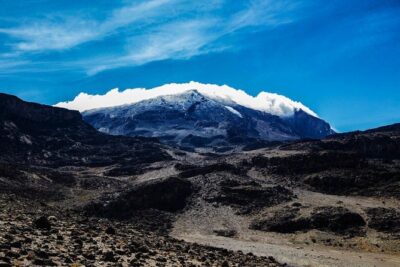
Kilimanjaro climb, Northern Circuit route (8-day)
Read our review →
Private 4-Days Northern Circuit National Parks in Tanzania
Read our review →
From Arusha: 7 Days Classic Safari Central Northern Circuit
Read our review →
5 Days Exclusive Camping Adventure in Northern Tanzania
Read our review →Browse the lists this tour appears in