
Reviewed · MACHAME ROUTE CLIMBS
7 Days Machame Route Kilimanjaro Hiking | Climbing Tour
The hard-earned prize here is Uhuru Peak at 5,895 meters, reached after a midnight start, hours of steep scree, and a sunrise at Stella Point. The Machame Route gives you a fine cross-section of Kilimanjaro, from wet rainforest to open moorland, volcanic rock, glaciers, and the stark upper slopes.
I like the route’s changing scenery and the built-in acclimatization days at Barranco and Karanga. I also like that meals, a professional guide, tents, and private transfers are included. The main caution is altitude: seven days is workable, but the summit night is demanding, and there is no separate spare day for acclimatization.
Key points to know before booking
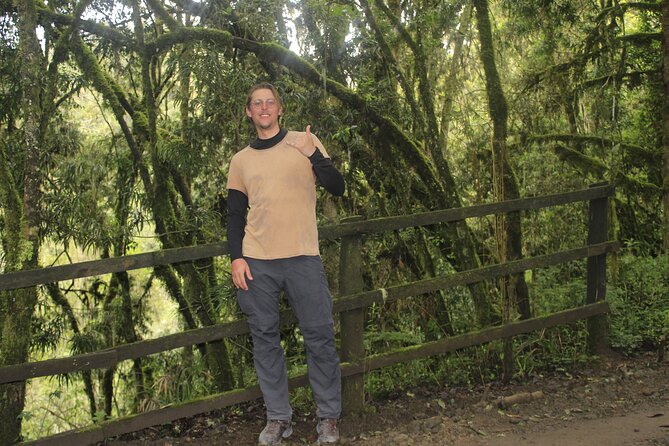
- Machame begins in wet rainforest: Mud, rain, gaiters, good boots, and trekking poles matter from the first morning.
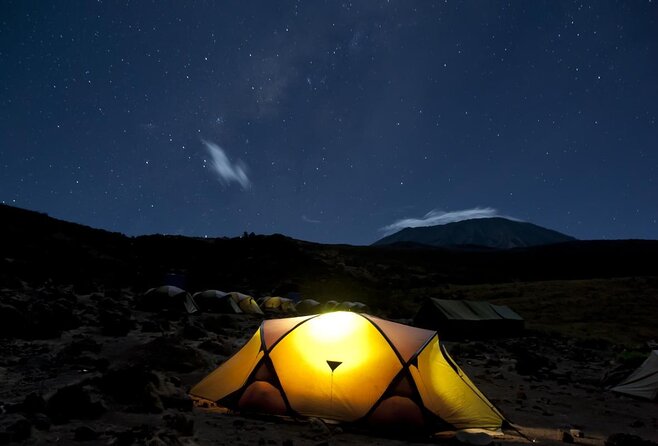
- The Shira Plateau brings the cold: The exposed camp can fall below freezing, so warm night clothing is essential.
- Lava Tower is the high point before the summit: You climb to 4,630 meters, then descend to Barranco to help your body adjust.
- Barranco Wall is steep but non-technical: It requires effort and care, but no rock-climbing skills are listed.
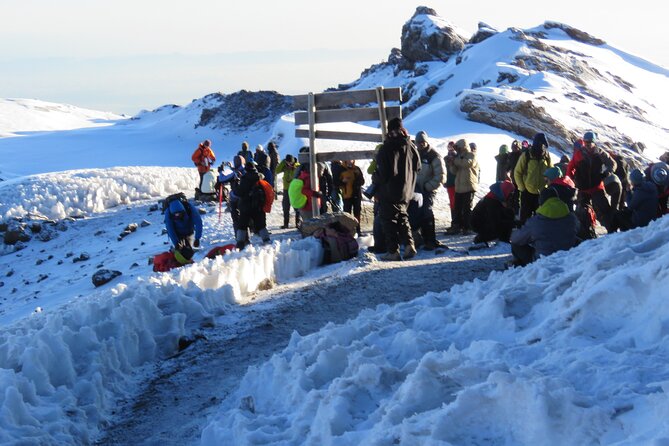
- Summit night starts at 11:30 PM: You climb to Stella Point, then continue along the crater rim to Uhuru Peak.
- The $866 price covers the core climb: Flights, hotels, personal gear, insurance, visas, airport transfers, and crew tips are extra.
What the seven-day Machame climb is really like
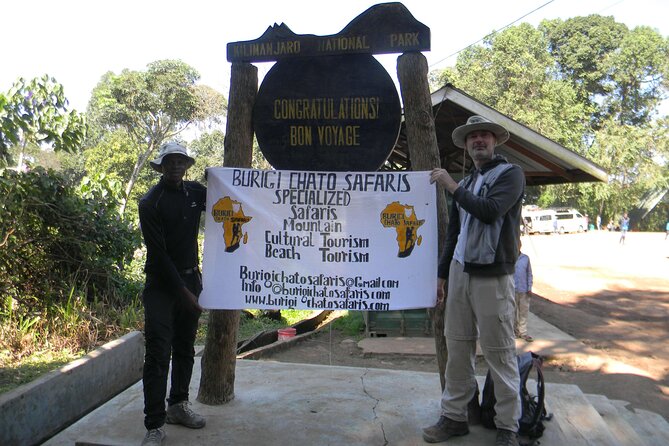
This is not a sightseeing walk with a mountain in the background. You spend a week carrying yourself uphill, sleeping in tents, eating at altitude, and managing cold, fatigue, and changing weather.
The route is attractive because it does not repeat the same view each day. You begin among trees, cross the Shira Plateau, pass beneath Lava Tower, climb the Barranco Wall, and finish on the volcanic upper slopes. That variety helps keep the trip interesting when your legs begin to complain.
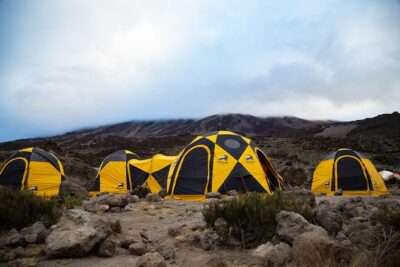
The company lists an experienced professional guide, private transport to the activity area, and meals throughout the route. Tents are raised before you reach camp, which is a small but useful comfort after a long day. You should still confirm exactly what camping equipment is supplied, since personal hiking gear is not included.
The advertised price is $866 per person. That is a reasonable-looking starting price for a guided seven-day climb with meals and transfers, but it is not the final cost of your whole trip. Add visa fees, insurance, flights, hotel nights, personal clothing and equipment, airport transfers, and tips for the mountain crew. Ask for a written list of included park fees and camping equipment before paying.
More Machame Route climbs:
- Kilimanjaro climb, Machame Route (7-day)
★ 5.0 · 262 reviews - Climbing Kilimanjaro – Machame Route
★ 5.0 · 170 reviews - Climbing Kilimanjaro through 7 days Machame Route
★ 5.0 · 151 reviews
Day 1: Machame Village to Machame Camp
Your morning begins with breakfast and a drive from Arusha or Moshi to Machame Village, at about 1,490 meters. You register with the park authority, eat a hot lunch, then start walking into the tropical forest.
The first day is a good introduction to Machame’s character. The forest is lush, but the trail can be muddy after heavy rain. This is where waterproof boots, gaiters, and trekking poles earn their keep. Do not arrive in smooth-soled shoes and hope for dry conditions.
The walk is listed at about seven hours. You finish at Machame Camp in the late afternoon, with your tent already prepared by the porters. The first day is not especially high compared with later stages, but it can feel long because of the wet footing and the steady climb.
Keep your rain jacket and a dry layer within easy reach. You should also carry water, snacks, sun protection, and any personal medication in your daypack. Your larger bag should not become the place where you store something you need during the walk.
Day 2: Shira Cave and the cold plateau
After breakfast, the trail climbs for about an hour to the upper edge of the forest. The trees give way to moorland, and the walk continues toward the Shira Plateau along a rocky ridge.
The route takes about eight hours, followed by an easier afternoon at Shira Cave Camp. You get views toward Kilimanjaro’s Western Breach and its glaciers, along with a clear sense that you have left the forest far below.
The open setting comes with a price: cold. Temperatures at this exposed camp can fall below freezing. A warm sleeping bag, insulated layers, dry socks, gloves, and a hat are not optional luxuries here. You may find the short visit to Shira Cave interesting, but the real value of this day is the gradual gain in height and the wide views.
A hot lunch and dinner are included. Ask the operator in advance about dietary needs, since the supplied information confirms meals but does not describe menu choices or special-diet arrangements.
Day 3: Lava Tower, then down to Barranco
This is one of the most useful days for acclimatization. You climb east through increasingly rocky ground to Lava Tower, at 4,630 meters, then descend for about two hours toward Barranco Camp, at 3,950 meters.
The climb to Lava Tower can bring on altitude symptoms. Headache, tiredness, poor appetite, and nausea deserve attention. Tell your guide early if you feel unwell. Do not treat serious symptoms as a test of courage.
The walk passes below the Western Breach and finishes in a valley beneath the Great Barranco Wall. The evening light around Barranco is one of the route’s memorable moments, with the huge wall rising above camp and the upper mountain ahead.
The stated duration for this day appears inconsistent in the supplied schedule, which lists eight minutes even though the description clearly outlines a full mountain day. Treat it as a long day, not a short stop, and ask the operator to confirm the expected walking time before departure.
More treks and hikes around Kilimanjaro:
- Kilimanjaro climb by Lemosho Route (7-day)
★ 5.0 · 651 reviews - 8-Day Small-group Lemosho Kilimanjaro Summit Trekking
★ 5.0 · 186 reviews - Kilimanjaro Climbing Lemosho Route 8 Days.
★ 5.0 · 186 reviews - Kilimanjaro climb, Lemosho Route (8-day)
★ 5.0 · 148 reviews
Day 4: Climbing Barranco Wall to Karanga
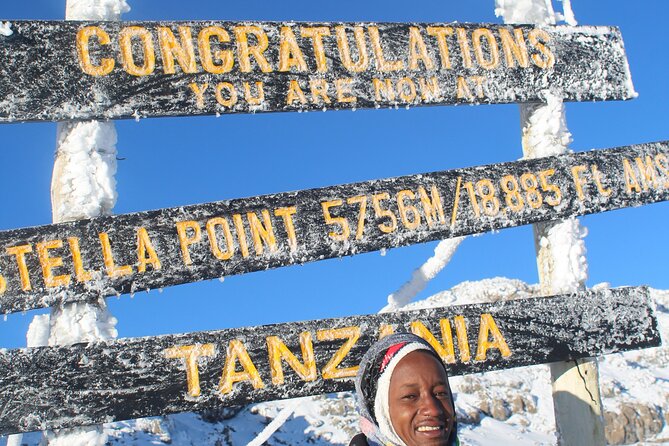
Day four begins with a descent into a gorge, followed by the steep climb up the Great Barranco Wall. The wall rises nearly 900 feet, but the route is described as non-technical. That means you should expect a strenuous walk using the trail, not a technical rock-climbing session with ropes.
After reaching the top, you cross ridges and valleys before dropping into Karanga Valley. The final climb leads to Karanga Camp. At about five hours, this is a shorter day than the previous stage and gives you useful time to recover.
This is where pacing matters. Take slow steps, keep your hands free when possible, and follow the guide’s route over the steeper sections. Do not rush simply because the day is shorter. The point is to arrive with enough energy for the next two stages.
Day 5: Karanga to Barafu Hut
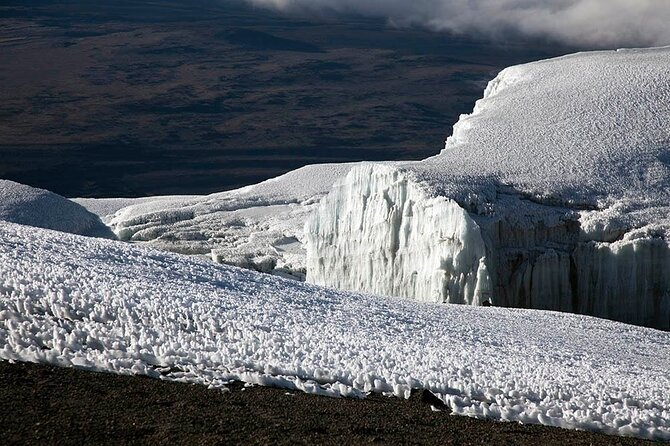
From Karanga, you reach the junction with the Mweka Trail and continue upward to Barafu Hut. At this point, you have completed the southern circuit of the mountain, with views of Kibo and Mawenzi from different angles.
The walk is listed at about five hours, but the camp’s importance is greater than its distance. Barafu is your staging point for the summit attempt. You eat, rest, organize your clothing, and try to sleep before the late-night start.
This is a good time to prepare everything in advance. Put warm layers, gloves, water, snacks, headlamp, trekking poles, and any medication where you can reach them without emptying your bag. You will wake at 11:30 PM for tea and biscuits, and nobody wants to search for a missing glove in the dark at high altitude.
Day 6: Stella Point and Uhuru Peak
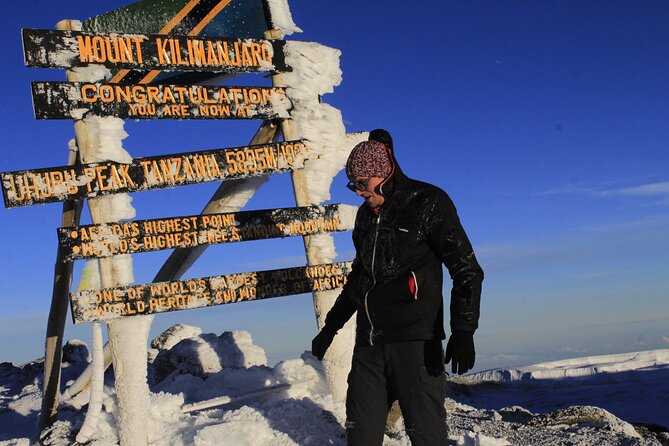
Summit day begins at 11:30 PM. After tea and biscuits, you set off into the darkness for the hardest section of the route.
The climb to Stella Point takes about six hours and crosses heavy scree between the Rebmann and Ratzel glaciers. The trail is steep, cold, and tiring. The slow pace can feel frustrating, but steady progress is the goal. A guide’s support is especially important here, both for navigation and for spotting signs that altitude is becoming unsafe.
At Stella Point, 5,685 meters above sea level, you can pause for a short rest and sunrise. Do not linger too long. The cold and fatigue make restarting harder, and the route to Uhuru Peak still requires effort.
From Stella Point, you continue along the crater rim. Snow may be present, depending on the season and recent storms. Uhuru Peak reaches 5,895 meters, the highest point in Africa. The schedule gives about eight hours for this summit section, though the exact time depends on pace, weather, and how your body responds.
The supplied schedule does not spell out the full descent on summit day. Confirm with the operator where you return after reaching Uhuru Peak and how much rest is planned before the final walk to Mweka Gate. That detail matters when you compare this seven-day option with longer programs.
Day 7: Mweka Gate and the return to Moshi
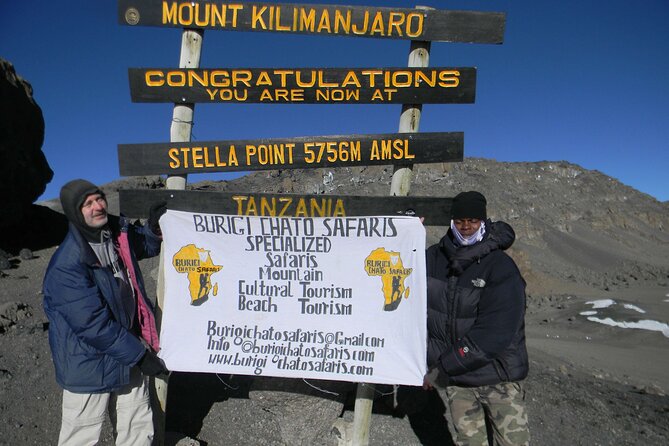
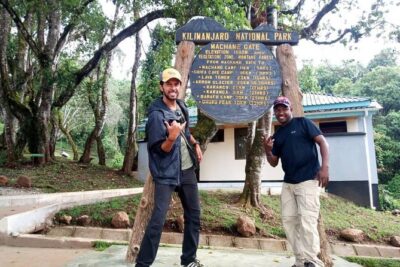
After breakfast, you make a scenic three-hour walk to the park gate at Mweka. At the gate, you can sign the register and receive a certificate if you reached Stella Point or Uhuru Peak.
Green certificates are issued for Stella Point, while gold certificates are issued for Uhuru Peak. The distinction gives you a clear record of how far you climbed, although the real achievement is managing the mountain safely.
From Mweka Gate, you continue to Mweka Village for a hot lunch and a small celebration with the mountain crew. A drive then takes you back to your lodging for a hot shower and rest. If you have a flight, the company says it can take you to its Arusha office for a quick shower and short break before your airport transfer, at no extra charge.
The activity begins and ends at the listed meeting point on Mkwawa Street in Moshi. The stated start time is 8:30 AM, but the first day description says you begin with morning preparation and breakfast. Confirm the exact pickup time and location with the operator, especially if you are staying outside central Moshi.
Meals, tents, transfers, and what you still pay for
Six breakfasts and six dinners are listed, along with seven lunches. The route description also refers to hot meals at camp and a hot lunch after reaching Mweka Village. This is useful on a demanding climb, since warm food becomes part of your energy plan rather than a simple convenience.
A professional guide and private transfer to the activity area are included. Pickup is offered, but airport pickup and transfer are specifically excluded. Hotel accommodation is also extra, so plan for nights before and after the climb.
You must provide your personal hiking gear. The supplied information does not give a packing list, but the route clearly calls for waterproof footwear, gaiters, trekking poles, warm layers, gloves, a hat, and clothing suitable for below-freezing nights. You also need to budget for crew tips, visas, medical or travel insurance, and international or local flights.
Group discounts are offered, and mobile tickets are available. The listed maximum is 500 participants, which is a very large possible capacity. Ask whether your booking will be a small climbing group or part of a much larger operation. Group size can affect pace, camp routines, and the amount of personal attention you receive.
Who should choose this route
I would choose this trip if you want Kilimanjaro’s changing scenery and prefer a seven-day schedule over a shorter climb. The Machame Route suits people who can handle long uphill walks, basic tent camping, cold nights, and an overnight summit attempt.
It is less suitable if you want a relaxed holiday, hotel comfort each night, or a generous acclimatization schedule. One of the supplied comments describes a similar route where altitude became severe at base camp and the summit was not reached, with the climber wishing for one extra day. That is a useful warning: seven days can work, but adding time may improve your chances if your budget and schedule allow.
The route is also a poor match if you are unwilling to carry personal essentials, walk in wet conditions, or accept that weather and altitude can change plans. Most people are listed as able to participate, but that should not replace an honest assessment of your fitness and medical situation.
Booking advice and cancellation terms
The tour offers free cancellation if you cancel at least 24 hours before the local start time. Changes or cancellations inside that 24-hour window are not accepted for a refund.
The climb requires suitable weather. If poor weather causes cancellation, you are offered another date or a full refund. Since mountain conditions can affect the schedule, keep flexibility around your climb rather than booking a tight connection immediately afterward.
Should you book this Kilimanjaro climb?
Book it if you want a scenic seven-day route, a guided attempt at Africa’s highest point, and a package that includes core meals, tents, a guide, and private activity transfers for $866. The rainforest, Shira Plateau, Lava Tower, Barranco Wall, and sunrise summit give you a varied route with real mountain character.
Before paying, confirm the group size, exact airport and hotel transfer costs, equipment supplied, park fees, summit-day descent plan, and meal arrangements. If you have room in your schedule, ask about an eight-day version with an extra acclimatization day. That may be the smarter choice for reaching the summit, even if it costs more.
FAQ
Where does the Kilimanjaro climb start?
The listed meeting point is BURIGI CHATO SAFARIS CO LTD on Mkwawa Street in Shanty Town, Moshi, Tanzania. The activity starts and ends at this meeting point.
What time does the tour start?
The stated start time is 8:30 AM. The first day includes preparation, breakfast, and a drive to Machame Village, so confirm the exact pickup details with the operator.
Is pickup included?
Pickup is offered, and private transfer to the activity area is included. Airport pickup and transfer are not included.
What meals are included?
The package lists six dinners, seven lunches, and six breakfasts. The route description also refers to hot meals at camp and a hot lunch after the descent to Mweka Village.
Is hotel accommodation included?
No. Hotel accommodation costs are not included in the tour price.
Are hiking clothes and equipment included?
No. Personal hiking gear is not included. The route information specifically makes good footwear, gaiters, and trekking poles useful, especially in the wet forest.
What happens if bad weather cancels the climb?
You are offered a different date or a full refund if the experience is canceled because of poor weather. Free cancellation also applies when you cancel at least 24 hours before the local start time.
More Seven-Day Trips in Kilimanjaro
- 7-Day Machame Kilimanjaro Summit Tour from Arusha
★ 5.0 · 125 reviews - 7 Days Kilimanjaro via Machame route affordable price
★ 5.0 · 110 reviews - Private Kilimanjaro Hike 7 Day Lemosho Route
★ 5.0 · 60 reviews - 7 Days Machame route – Kilimanjaro
★ 5.0 · 45 reviews
Just added around Kilimanjaro
- 6 days Machame route climbing Mt.Kilimanjaro★ 5.0 · 8 reviews
- machame route★ 5.0 · 16 reviews
- Mt Kilimanjaro 6 days Marangu route hike★ 5.0 · 3 reviews
- Private Cycle to Kilimanjaro Bike Park Safari★ 5.0 · 6 reviews
- West Kilimanjaro cycling Adventures★ 4.5 · 8 reviews
- Kilimanjaro Climb • Marangu Route ~ 9 Day★ 5.0 · 4 reviews
- 3 Days Private E-Bike Tour in West Kilimanjaro★ 5.0 · 3 reviews
- Kilimanjaro Climb • Machame Route ~ 10 Day★ 5.0 · 6 reviews
Machame Route Climbs, compared.
The Best of Machame Route in 6 Days: Your World’s Summit Guide
Read our review →Browse the lists this tour appears in