
Reviewed · MACHAME ROUTE CLIMBS
7 Days Machame Route Trek Mount Kilimanjaro
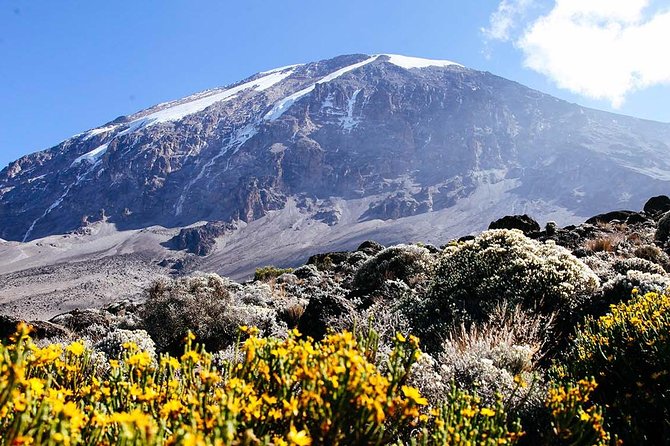
Kilimanjaro’s Machame Route gives you the mountain in chapters: monkey-filled rainforest, open moorland, giant senecio plants, volcanic rock, and a final push across snow and ice to Uhuru Peak. The seven-day plan takes you to 5,895 meters, then back down through the forest to Mweka Gate.
I like the route’s acclimatization pattern, especially the climb to Lava Tower before sleeping lower at Barranco. I also like the small group size, capped at four, and the careful support described by past clients, with guide teams including Gideon, Laurent, Emanuel, Meshack, Julius, Johnny, Frank, and Mathias.
The catch is simple: this is a demanding trek, not a scenic stroll. Summit morning begins around midnight, follows five to seven hours of uphill walking to Stella Point, and adds another one to two hours to Uhuru Peak. The return is tiring too, and the price does not spell out every inclusion, so ask for a full cost breakdown before paying.
Key facts about the Machame Route trek
- Seven days from rainforest to Uhuru Peak: You move through several climate zones before reaching Kilimanjaro’s summit at 5,895 meters.
- Acclimatization is built into the route: Day three takes you to Lava Tower at 4,640 meters, followed by a lower night at Barranco Camp.
- A small maximum group of four: This can make pacing, questions, and personal encouragement easier.
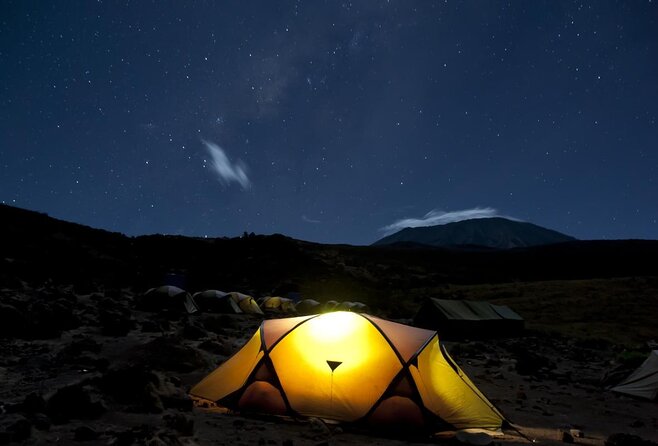
- Camping every night on the route: You sleep in tents, with cooked meals described throughout the trek.
- A real summit attempt, not just a mountain walk: The final ascent starts around midnight and ends with the sunrise near the crater rim.
- Hotel pickup and return: The trip begins with collection after breakfast and ends with transport back to your hotel after Mweka Gate.
Why the seven-day Machame Route works well
Machame is popular because it changes scenery quickly and gives your body several chances to adjust to altitude. You begin in warm, wet forest and finish in a cold, thin-air summit zone. That contrast makes the trek memorable, but it also means you need clothing and stamina for very different conditions.
The seven-day schedule is useful because it does not rush straight from the lower slopes to the summit. On day three, you climb to Lava Tower at 4,640 meters, then sleep at Barranco Camp at a lower elevation. This climb-high, sleep-lower rhythm is one of the strongest parts of the plan.
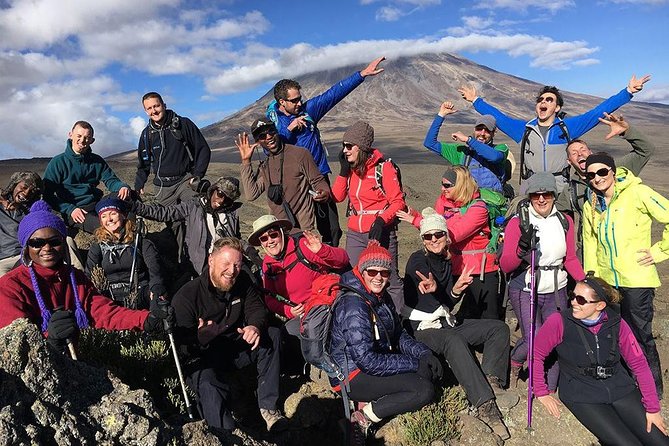
You will be guided throughout the route, and the group limit is four people. That matters on a mountain where everyone may move at a different speed. A small party can make it easier for the guide to watch how you are coping, though the trek remains physically tough for every person in the group.
The published price is $2,200 per person. That is a serious spend, but it covers a week of guiding, mountain support, meals described in the itinerary, camping, pickup, and the return to your hotel. Since the supplied details do not list every permit, porter, equipment, or accommodation inclusion, ask for an itemized package before booking. The value depends heavily on what is included beyond the route itself.
More Machame Route climbs:
- Kilimanjaro climb, Machame Route (7-day)
★ 5.0 · 262 reviews - Climbing Kilimanjaro – Machame Route
★ 5.0 · 170 reviews - Climbing Kilimanjaro through 7 days Machame Route
★ 5.0 · 151 reviews
Day one: Machame Gate to the rainforest
After breakfast, pickup takes you from your hotel to the Kilimanjaro National Park gate. There, the team completes the required paperwork before you begin walking toward Machame Camp.
The first day takes about five to six hours. The path runs through thick rainforest filled with old trees, ferns, and endemic flowers such as Impatiens Kilimanjari. You may also spot black and white colobus monkeys moving through the branches.
This is an excellent opening day because the forest gives you shade and a strong sense of arrival. It also reminds you that Kilimanjaro is more than a snowy peak. The lower slopes support plant and animal life that disappears as you climb.
At Machame Camp, you have time to rest, stretch, eat a hot meal, and settle into your tent. Do not waste this evening. A quiet meal, dry socks, and an early night will help more than trying to squeeze in extra conversation or activity.
Day two: Shira Camp and the first big change
Day two begins early, although the walking time is not especially long. The goal is to reach Shira Camp around mid-afternoon.
The forest gradually gives way to heath and moorland. The air feels more open, the trees become smaller, and ferns and high-altitude plants replace the dense growth below. This change is one of the pleasures of the Machame Route because the mountain keeps altering around you.
From Shira Camp, you can see more of the mountain range. The glaciers on Kibo may catch the late sunlight, creating one of the trip’s most attractive evening views.
You sleep in a tent again and eat another prepared meal. The early start and exposed terrain can make this day feel more tiring than its distance suggests. Keep your pace steady and use the afternoon to eat, drink, and rest rather than treating the camp as a sightseeing stop.
Day three: Lava Tower and Barranco Valley
Day three is the key acclimatization day. From Shira Plateau, you climb roughly 700 meters toward Lava Tower, reaching about 4,640 meters, then continue down toward Barranco Camp.
The full trek takes about six to seven hours. Lava Tower is a useful test of how your body handles higher elevation. You rest there before continuing through the alpine desert and into the Barranco Valley.
The route includes unusual high-altitude plants, including small lobelia and giant senecio plants. These plants make the otherwise dry, rocky surroundings feel surprisingly alive.
The smart feature here is the sleeping elevation. You climb high during the day but spend the night not much higher than the previous evening. That gives your body a better chance to adjust than a straight upward push would.
Barranco Camp is also a psychological turning point. You can see more of the bare upper mountain, and the next morning brings the famous Barranco Wall. Dinner and a tented night follow, but this is a good time to tell your guide if you feel unwell. Do not hide altitude symptoms to avoid slowing the group.
More treks and hikes around Kilimanjaro:
- Kilimanjaro climb by Lemosho Route (7-day)
★ 5.0 · 651 reviews - 8-Day Small-group Lemosho Kilimanjaro Summit Trekking
★ 5.0 · 186 reviews - Kilimanjaro Climbing Lemosho Route 8 Days.
★ 5.0 · 186 reviews - Kilimanjaro climb, Lemosho Route (8-day)
★ 5.0 · 148 reviews
Day four: The Barranco Wall and Karanga Camp
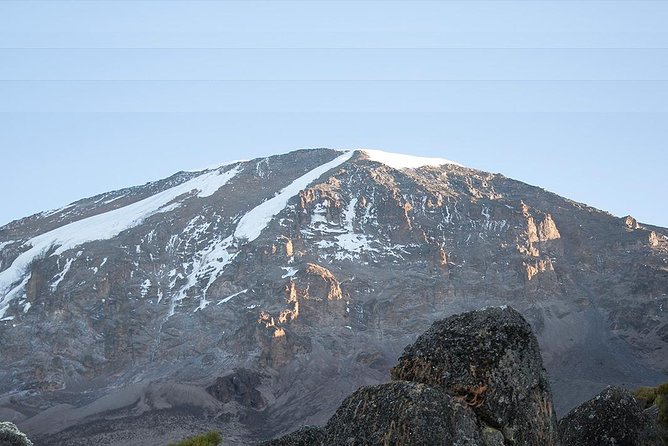
The Barranco Wall is the day’s main challenge. Some sections require you to use your hands for balance and grip, but the route is described as scrambling rather than technical climbing. Your guide stays with you and helps you choose a safe line.
This section may look intimidating from below. In practice, the difficulty comes from uneven ground, exposure, and tired legs rather than from needing specialist climbing skills. Move slowly, keep three points of contact when useful, and let the guide set the rhythm.
After the wall, the trail rises and falls several times before reaching a mountain ridge. These short ascents and descents continue the acclimatization process, though they can feel frustrating when you are eager to reach camp.
The walk takes about three to four hours, leaving a long afternoon at Karanga Camp. That extra time is valuable. Eat, drink, repair any hot spots on your feet, and prepare your clothing for the colder days ahead. The itinerary even suggests a quiet game of rummy, a reminder that this day is less about distance and more about recovery.
The views from the ridge show strong contrasts between dry ground and scattered vegetation. Clouds may gather around Karanga Camp, and the exposed setting can feel very different from the forest where you started.
Day five: Karanga to Barafu Camp
After breakfast, you walk toward Barafu Camp. The Kibo Summit remains in view, and much of the route crosses very dry, desert-like ground.
The day takes around three to four hours. That sounds manageable, but Barafu is high, exposed, and close to the summit zone. You may arrive with enough time to rest, but do not mistake the short walk for an easy day. Your body is saving energy for the hardest section.
An early dinner and an overnight stay at Barafu prepare you for the summit attempt. Pack your headlamp, warm layers, water, and any small snacks before you sleep. The supplied plan says the guide wakes you around midnight with tea and biscuits, so you should be ready to move without a lot of fuss.
This is often the quietest and most serious evening of the trek. The summit is only a few hours away, but altitude can make sleep difficult and appetite unpredictable. Eat what you can and follow the guide’s instructions.
Day six: Stella Point, Uhuru Peak, and the long return
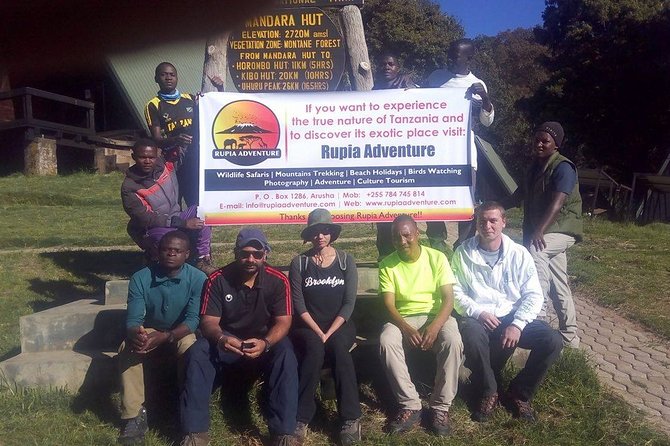
Summit morning begins around midnight. You walk by moonlight and headlamp toward Stella Point, usually reaching the crater rim after five to seven hours.
This is the hardest physical part of the trek. The ground is steep, the air is thin, and the cold can be severe. Progress may be slow. The right goal is not speed. It is a steady pace that keeps you moving without wasting energy.
At Stella Point, you reach the crater rim. From there, another one to two hours takes you to Uhuru Peak at 5,895 meters, the highest point in Africa. If the weather cooperates, sunrise may color the snow and ice above the African plains.
Take your summit photographs, enjoy the achievement, and keep the celebration brief. You still have to descend. The return follows the same route back to Barafu Camp, where the support team awaits you.
The descent can be surprisingly hard on your legs. One past account gives blunt advice: the climb down may feel worse than the climb up. That is useful to remember. Reaching the summit is only half of the day, and you should treat the return as a major effort rather than an afterthought.
Day seven: Mweka Gate and the end of the trek
After breakfast, the mountain crew holds a traditional farewell ceremony before you begin the final descent.
The path returns through rainforest, giving you another chance to look for colobus monkeys. After the dry upper slopes and icy summit, the thick green forest can feel almost luxurious.
You reach Mweka Gate in about two to three hours. At the gate, transport takes you back to your hotel, where the plan includes time for a long shower and a relaxed day by the pool, followed by dinner and an overnight stay.
This final hotel night is a useful part of the package. You do not have to finish the mountain walk and immediately manage another transfer or airport departure. Still, check the exact hotel arrangements before booking, since the supplied information does not name the property.
Guides, support, and group size
The most strongly praised part of the operation is the mountain crew. The supplied accounts describe guides, cooks, and porters as professional, kind, encouraging, and focused on getting each person safely to the top.
Names associated with guide teams include Gideon, Laurent, Emanuel, Meshack, Julius, Johnny, Frank, and Mathias. The exact crew can vary, so you should not assume one particular guide will lead your departure. Ask who is assigned during the pre-trek briefing.
A small maximum of four people is a real advantage. If one person needs a slower pace, the guide has more room to adjust than on a large group departure. The company also offers a pre-climb briefing and gear check in some arrangements, which is worth confirming because a proper equipment check can prevent avoidable problems.
You should also ask how porter welfare, tipping, park fees, meals, tents, transfers, and emergency procedures are handled. Those details affect both your comfort and the ethical quality of the trip.
Who should book this trek
This trek suits you if you want a full Kilimanjaro attempt, prefer a changing route rather than a quick ascent, and can manage long uphill days. It is also a good fit if you value a small group and want guides who can pay close attention to your pace.
It is less suitable if you want a soft adventure with guaranteed comfort. You camp every night on the route, face a midnight summit start, and spend much of the final ascent in cold, thin air.
The itinerary says most people can participate, but that should not be read as a promise that the climb will feel easy. Good physical preparation matters, and altitude affects people differently. Discuss altitude medication with a qualified medical professional before the trip rather than relying on casual advice.
The experience is listed with a five-out-of-five rating from 12 reviews and a 100 percent recommendation rate. That is encouraging, especially alongside repeated praise for the guides and crew, but a high rating cannot remove the route’s real demands.
Practical booking details and cancellation
Pickup is offered, and the listed start time is 8:30 a.m. on the first day. The experience uses a mobile ticket and confirms bookings at the time of purchase.
The maximum group size is four. The trip requires a minimum number of participants, although the exact minimum is not provided. If that minimum is not reached, the operator offers another date or experience, or a full refund.
You can cancel for a full refund up to 24 hours before the local start time. Cancellations or changes made less than 24 hours before departure are not accepted for a refund. Poor weather can also cause cancellation, in which case you are offered another date or a full refund.
Should you book the Machame Route?
I would choose this trek if your main goal is to reach Uhuru Peak while giving your body a sensible chance to adjust. The route has excellent variety, the climb-high and sleep-lower day is useful, and the four-person limit should make the support more personal.
Book it after confirming exactly what the $2,200 price includes. Pay special attention to park fees, permits, porters, equipment, meals, tents, hotel nights, transfers, and tipping. If those costs are covered, the price may offer solid value for a guided seven-day summit attempt. If they are separate, your final budget could rise.
For a first Kilimanjaro climb, Machame offers the scenery and gradual progression you want. Just arrive prepared for the summit morning, respect the altitude, and remember that getting safely back down matters as much as touching the summit sign.
FAQ
How long is the Machame Route trek?
The trek lasts approximately seven days, including the walk from the park gate to the summit route, the descent to Mweka Gate, and the return to your hotel.
What is the price per person?
The listed price is $2,200 per person.
What time does the experience start?
The listed start time is 8:30 a.m. on the first day, with pickup after breakfast.
What is the maximum group size?
The experience has a maximum of four participants.
Where does the trek begin?
You are picked up from your hotel and taken to the Kilimanjaro National Park gate before starting the Machame Route.
Where do you sleep during the mountain trek?
Overnight stays on the Machame Route use tents. The final night is at a hotel after returning from Mweka Gate.
How high is Uhuru Peak?
Uhuru Peak is 5,895 meters above sea level.
Does the route include acclimatization?
Yes. Day three takes you from Shira Plateau to Lava Tower at 4,640 meters before continuing to Barranco Camp at a lower sleeping elevation.
Can you cancel for a refund?
You can cancel at least 24 hours before the local start time for a full refund. Cancellations or changes made less than 24 hours before the start are not accepted for a refund.
More Seven-Day Trips in Kilimanjaro
- 7-Day Machame Kilimanjaro Summit Tour from Arusha
★ 5.0 · 125 reviews - 7 Days Kilimanjaro via Machame route affordable price
★ 5.0 · 110 reviews - Private Kilimanjaro Hike 7 Day Lemosho Route
★ 5.0 · 60 reviews - 7 Days Machame route – Kilimanjaro
★ 5.0 · 45 reviews
Just added around Kilimanjaro
- 6 days Machame route climbing Mt.Kilimanjaro★ 5.0 · 8 reviews
- machame route★ 5.0 · 16 reviews
- Mt Kilimanjaro 6 days Marangu route hike★ 5.0 · 3 reviews
- Private Cycle to Kilimanjaro Bike Park Safari★ 5.0 · 6 reviews
- West Kilimanjaro cycling Adventures★ 4.5 · 8 reviews
- Kilimanjaro Climb • Marangu Route ~ 9 Day★ 5.0 · 4 reviews
- 3 Days Private E-Bike Tour in West Kilimanjaro★ 5.0 · 3 reviews
- Kilimanjaro Climb • Machame Route ~ 10 Day★ 5.0 · 6 reviews
Machame Route Climbs, compared.
The Best of Machame Route in 6 Days: Your World’s Summit Guide
Read our review →Browse the lists this tour appears in