
Reviewed · MACHAME ROUTE CLIMBS
7 Days Kilimanjaro Climb Machame route
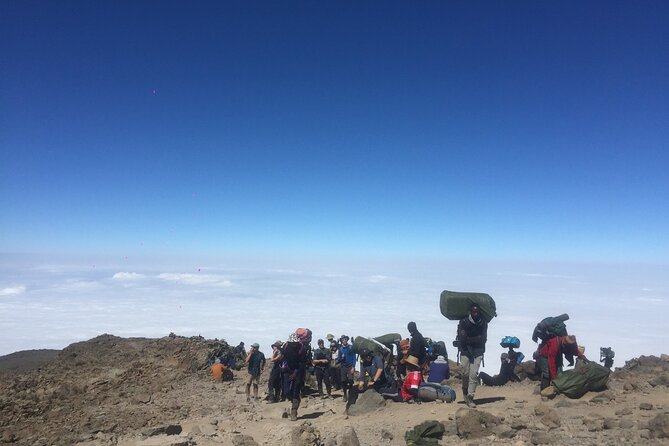
Kilimanjaro’s Machame Route gives you the mountain in chapters: mossy forest, open moorland, bare volcanic rock, then a hard night climb to Uhuru Peak. The seven-day plan takes the southern approach and gives you time to adjust before the summit attempt.
I like the extra acclimatization day and the route’s changing scenery. The views of Mount Meru from Shira Camp, the Barranco Wall scramble, and the glaciers near Barafu add real variety. I also like that guides Mtui, Emmanuel, and Noel are named as part of the team, with singing, language lessons, and local food forming part of camp life.
The main drawback is simple: this is a serious high-altitude trek, not a long sightseeing walk. You need strong fitness, proper cold-weather gear, and the patience to move slowly. The final climb begins around midnight, after sleeping at high altitude, and that can test even fit hikers.
Key points to know before booking
- Seven days on the mountain: The schedule allows a careful approach through forest, moorland, high desert, and glacier country.
- A strong acclimatization design: Day 3 climbs to 4,530 meters before dropping to Barranco Camp, a useful high-and-low pattern.
- A hands-on Barranco Wall crossing: Expect a roughly 1.5-hour scramble where you may use your hands.
- A midnight summit attempt: The climb to Stella Point takes about six hours by headlamp, followed by the gradual walk to Uhuru Peak.
- Meals and camp support included: Breakfast, lunch, and dinner are provided, with porters and cooks moving ahead to prepare camp.
- Gear is your responsibility: Mountain clothing, trekking poles, sleeping bag, and related equipment are not included.
Why the seven-day Machame Route works well
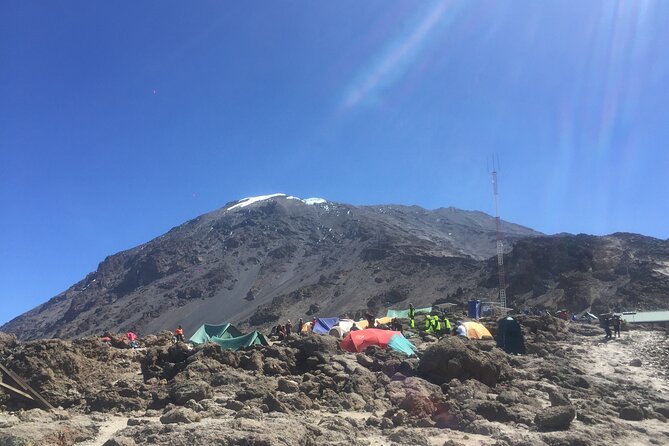
The Machame Route approaches Kilimanjaro from the southwest. You begin in thick cloud forest, then pass into heather and open moorland before joining the Shira route. From there, the trail crosses the southern side of Kibo, Kilimanjaro’s highest volcanic cone.
The seven-day version is useful because it does not rush you directly toward the summit. You gain height, drop down, and sleep at different elevations. That matters on Kilimanjaro, where the thin air is often a bigger problem than the walking itself.
You also get more time to enjoy the setting. Early on, the forest feels enclosed and damp. Higher up, it opens into broad views of Kibo, Mawenzi, Mount Meru, and the plains below. Near Barafu, vegetation nearly disappears and the climb becomes a stark volcanic trek.
The price is $2,860 per person. That is a substantial amount, but it covers seven days of guiding, meals, porters, cooks, camp support, and transport back to Moshi or Arusha. It is a better value for someone who wants a private group arrangement and a longer acclimatization plan rather than the shortest possible route.
You should still check exactly what is covered before paying. Mountain gear, trekking poles, sleeping bags, and clothing are specifically excluded. Those costs can add up, especially if you do not already own warm, reliable equipment.
More Machame Route climbs:
- Kilimanjaro climb, Machame Route (7-day)
★ 5.0 · 262 reviews - Climbing Kilimanjaro – Machame Route
★ 5.0 · 170 reviews - Climbing Kilimanjaro through 7 days Machame Route
★ 5.0 · 151 reviews
Day 1: Machame Gate and the cloud forest
After breakfast, you leave Moshi for Machame Gate. Pickup is offered, and the vehicle can return you to Moshi or Arusha at the end of the trek. At the gate, registration takes place while you check your equipment and meet the porters and cooks who will support the climb.
The first walk leads through Kilimanjaro’s cloud forest. Moss-covered trees make this one of the most atmospheric sections of the route. The trail is not simply a warm-up, though. You walk for much of the day toward Machame Camp, with the group’s porters moving ahead to set up camp.
As the forest thins, the plant life changes. Heathers, tall grasses, and wildflowers replace the dense trees. This first day takes about 18 hours according to the supplied schedule, though that figure appears to describe the overall activity window rather than nonstop walking. Expect a full mountain day with time for registration, preparation, hiking, and camp arrival.
Take this day steadily. You are not trying to prove anything in the first few hours. A slow start helps you conserve energy for the much harder summit day.
Day 2: Shira Plateau and views of Mount Meru
Day two is described as one of the easier days, but it still includes several uphill sections. The trail is more exposed, so a clear day can feel hot. Carry plenty of drinking water and use the viewpoints to pause, breathe, and look back toward the forests and plains.
The vegetation now changes quickly. Trees become smaller, and you may see Kilimanjaro’s distinctive high-altitude plants, including giant senecios and lobelias. These plants give the route a very different feel from the first day’s forest.
After lunch, you climb onto the Shira Plateau. The plateau was formed when Kibo’s lava flows filled the Shira crater. From Shira Camp, Kibo lies to the west and Mount Meru to the east.
The view of Mount Meru floating above the clouds is one of the most memorable parts of the route. This is also a useful night for noticing how your body handles altitude. Eat well, drink steadily, and tell your guide if you develop symptoms that concern you.
Day 3: High trekking and the descent to Barranco
Day three is one of the most important days for acclimatization. The total gain by Barranco Camp is only about 110 meters, but the route first takes you up to roughly 4,530 meters before descending.
You hike east across the Shira Plateau, pass the junction with the Lemosho route, and move into a more barren setting. By early afternoon, you have climbed about 690 meters. The high point of the day comes before a quick drop toward Barranco Camp.
This is the classic high-and-low rhythm that makes a longer Kilimanjaro schedule worthwhile. You spend time at a higher altitude, then sleep lower than that high point. It can feel odd to climb so high and then give up much of the gain, but the pattern is designed to help your body adjust.
A faster group may take a detour toward Lava Tower, a 300-foot volcanic formation. The available description does not confirm that every group takes this option, so ask your guide about it on the day. The detour can add a demanding high point, while the direct route may suit anyone feeling the altitude.
Barranco Camp sits below the dramatic wall that you tackle the next morning. It is a good place to rest, eat, and prepare your clothing and daypack before the scramble.
More treks and hikes around Kilimanjaro:
- Kilimanjaro climb by Lemosho Route (7-day)
★ 5.0 · 651 reviews - Kilimanjaro Climbing Lemosho Route 8 Days.
★ 5.0 · 186 reviews - 8-Day Small-group Lemosho Kilimanjaro Summit Trekking
★ 5.0 · 186 reviews - Kilimanjaro climb, Lemosho Route (8-day)
★ 5.0 · 148 reviews
Day 4: Scrambling over Barranco Wall
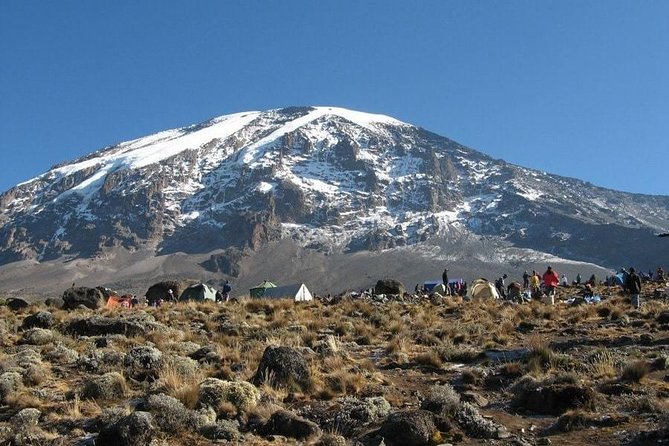
The morning begins with the most physical section of the day: Barranco Wall. The climb takes about 1.5 hours and includes places where you use your hands to pull yourself upward.
This is not described as technical rock climbing, but it is more than an ordinary trail. You need balance, patience, and comfort with a little scrambling. Move at the guide’s pace and keep your hands free when possible.
Once over the wall, the route drops into the greener Karanga Valley. The change in scenery is welcome after the dark rock and steep scramble. The day ends near the ridge above the valley, where camping higher helps with acclimatization.
The walking time is about six hours, making day four shorter than several other stages. That does not make it easy. The Barranco Wall can be tiring, especially if your legs are still carrying fatigue from the previous day.
Day 5: Alpine desert and Barafu Camp
From Karanga, you begin the climb toward Barafu Camp. The trail passes through alpine desert, with little vegetation and a much harsher feel than the forest below.
Along the way, you can see several of Kibo’s glaciers, including the Heim, Kersten, and Decken Glaciers. You also pass the junction where the Mweka descent route connects with the Machame trail. That junction becomes important later, since you summit from Barafu and descend toward Mweka rather than retracing the entire route.
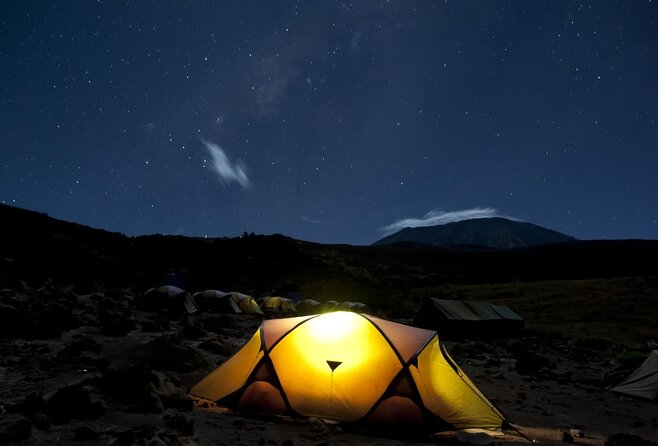
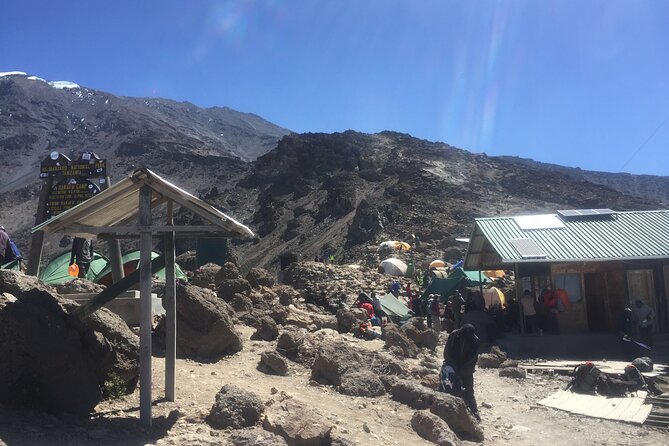
Barafu Camp has views toward both Kibo and Mawenzi. It is also the point where the summit attempt becomes very real. Dinner comes before an early night, since you normally wake before midnight.
The listed hiking time is about seven hours. Once you reach camp, organize your clothing, headlamp, water, snacks if you have them, and any personal items you need for the night climb. The supplied tour details do not include a sleeping bag or trekking poles, so you must arrange those before setting off.
Day 6: The midnight climb to Uhuru Peak
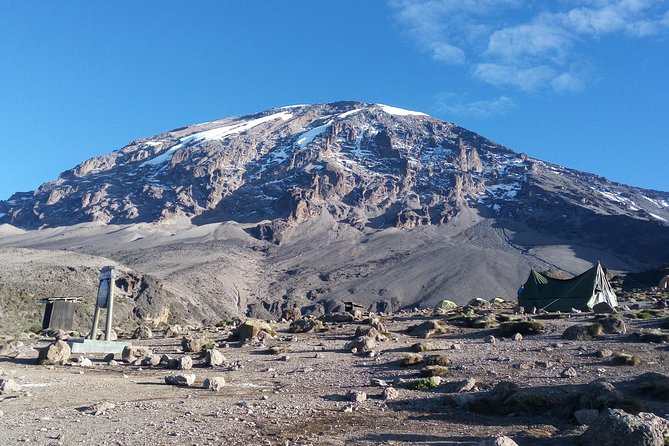
Around midnight, you start the final ascent. For roughly six hours, the trail rises under headlamp light toward the crater rim at Stella Point.
This is the hardest part of the trek. The trail is steep, the air is thin, and the cold can make every stop feel longer. You may find the pace slow and deliberate. That is normal for this stage. The goal is to keep moving without wasting energy.
At Stella Point, the trail toward Uhuru Peak becomes more gradual. The walking is less steep, but altitude still makes it tiring. The crater-rim section takes about an hour. At Uhuru Peak, you reach 5,895 meters, the highest point in Africa.
Give yourself time for photographs and a short rest, but do not linger too long in the cold. After the summit, you descend toward Mweka. The description lists about six hours for the day, but the summit push and descent make this a demanding full-day effort.
This is where the seven-day plan asks the most from you. Your earlier acclimatization may improve your odds, but it cannot remove the effects of altitude. Strong fitness helps, yet listening to your guide and responding honestly to how you feel matter just as much.
Day 7: Forest descent and the Mweka Gate finish
The final day begins with breakfast before the descent to Mweka Gate. You return through Kilimanjaro’s cloud forest, which can feel especially beautiful after the bare upper mountain.
Watch your footing. The trail may be slippery, and tired legs make downhill walking surprisingly awkward. Trekking poles would be useful, but they are not included, so arrange them in advance if you want them.
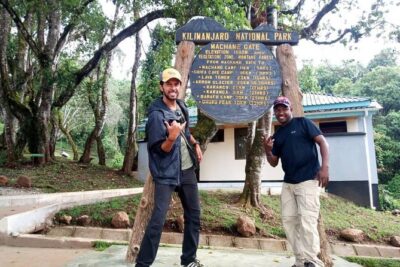
At Mweka Gate, you sign the registration book. Climbers who reach Stella Point receive green certificates, while those who reach Uhuru Peak receive gold certificates. Vehicles then take you back to Moshi or Arusha.
The scheduled walking time is about five hours. A hot shower and proper rest will feel well earned after the summit night and forest descent.
Guides, porters, food, and camp life
The named guides for this experience include Mtui, Emmanuel, and Noel. The supplied feedback gives special attention to how well the team cared for the group and kept the trip organized.
You can also expect a large support crew. One account refers to more than 20 porters, along with guides and cooks. Porters move ahead to prepare camp, while cooks provide the included meals: breakfast, lunch, and dinner throughout the seven days.
Camp life is not only about eating and sleeping. The team has been known to add singing, language lessons, and local cuisine to the days on the mountain. Those touches can make a private trek feel more connected to the people supporting it.
Still, remember that porter support does not make the climb easy. You remain responsible for your personal daypack, clothing, water, and essential gear. Pack carefully, and keep your load manageable.
Who should book this climb?
This trip suits you if you want a private mountain experience with a slower seven-day schedule and strong support from guides, porters, and cooks. It is also a good match if you care about scenery, since the route changes dramatically from forest to high volcanic terrain.
You should have a strong fitness level. The Barranco Wall requires scrambling, several days last six to ten hours or more, and the summit attempt begins around midnight. Anyone uncomfortable with steep trails, cold nights, or high-altitude exertion should think carefully before booking.
The trip is less suitable if you want all equipment supplied. Sleeping bags, trekking poles, clothing, and other mountain gear are not included. You need to bring your own or arrange rentals separately.
Pickup is offered, group discounts are available, and the activity is private, so only your group takes part. The booking has free cancellation up to 24 hours before the start time. Poor weather can also lead to a new date or a full refund.
Should you book the seven-day Machame climb?
I would choose this trip if your priority is a well-supported Kilimanjaro climb with time for acclimatization and a varied route. The Shira Plateau, Mount Meru views, Barranco Wall, glaciers, and summit approach give you plenty to remember beyond simply reaching the top.
The $2,860 price makes the most sense if you value a private group, included meals, porters, cooks, guide support, and transport. Add the cost of gear before making your final budget.
Book it if you are fit, prepared for a midnight summit attempt, and willing to move slowly at altitude. If you want a casual holiday or do not have proper mountain clothing and a sleeping bag, this is not the right trip until you are better prepared.
FAQ
How long is the Kilimanjaro Machame Route experience?
The climb lasts approximately seven days. The schedule begins at Machame Gate and finishes at Mweka Gate, followed by transport back to Moshi or Arusha.
What is the price per person?
The listed price is $2,860 per person. Group discounts are available.
Is this a private tour?
Yes. Only your group participates in the activity.
Which meals are included?
Breakfast, lunch, and dinner are included for the seven-day climb.
Are mountain clothes and sleeping bags included?
No. Mountain gear, trekking poles, sleeping bags, and clothing are not included.
What fitness level do I need?
You should have a strong physical fitness level. The route includes long hiking days, the Barranco Wall scramble, and a difficult midnight ascent to Uhuru Peak.
What happens if bad weather cancels the climb?
If poor weather causes the experience to be canceled, you are offered a different date or a full refund. You can also cancel up to 24 hours before the start time for a full refund.
More Seven-Day Trips in Kilimanjaro
- 7-Day Machame Kilimanjaro Summit Tour from Arusha
★ 5.0 · 125 reviews - 7 Days Kilimanjaro via Machame route affordable price
★ 5.0 · 110 reviews - Private Kilimanjaro Hike 7 Day Lemosho Route
★ 5.0 · 60 reviews - 7 Days Machame route – Kilimanjaro
★ 5.0 · 45 reviews
Just added around Kilimanjaro
- 6 days Machame route climbing Mt.Kilimanjaro★ 5.0 · 8 reviews
- machame route★ 5.0 · 16 reviews
- Mt Kilimanjaro 6 days Marangu route hike★ 5.0 · 3 reviews
- Private Cycle to Kilimanjaro Bike Park Safari★ 5.0 · 6 reviews
- West Kilimanjaro cycling Adventures★ 4.5 · 8 reviews
- Kilimanjaro Climb • Marangu Route ~ 9 Day★ 5.0 · 4 reviews
- 3 Days Private E-Bike Tour in West Kilimanjaro★ 5.0 · 3 reviews
- Kilimanjaro Climb • Machame Route ~ 10 Day★ 5.0 · 6 reviews
Machame Route Climbs, compared.
The Best of Machame Route in 6 Days: Your World’s Summit Guide
Read our review →Browse the lists this tour appears in