
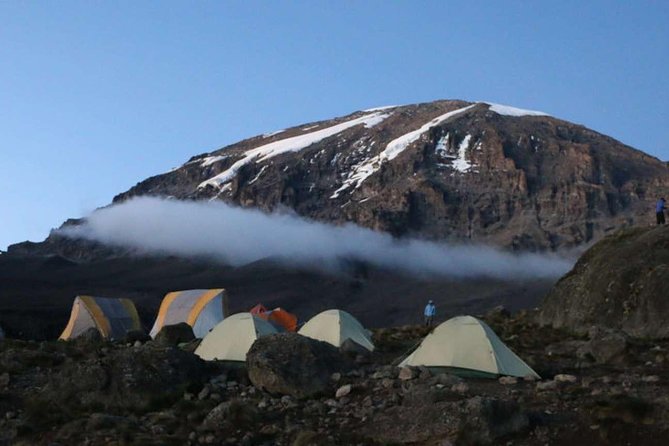
Reviewed · MACHAME ROUTE CLIMBS
7-Day Kilimanjaro Climb Machame Route–The Best Path to Uhuru Peak
The real prize here is not simply standing on Africa’s highest point. It is the changing world beneath your boots: rainforest, heath, alpine desert, and ice-cold summit terrain in one tightly packed week. The Machame Route gives you a gradual climb with a high point at Lava Tower followed by a descent to Barranco, a useful pattern for adjusting to altitude.
I like the route’s scenery and acclimatization plan, and I like that the price covers the working team, meals, tents, porters, airport transfers, and basic safety equipment. The main caution is the summit day. You may trek for 10 to 12 hours, begin shortly after midnight, and reach nearly 5,900 meters. This is a serious mountain trip, not a casual week in the hills.
Key points before you book
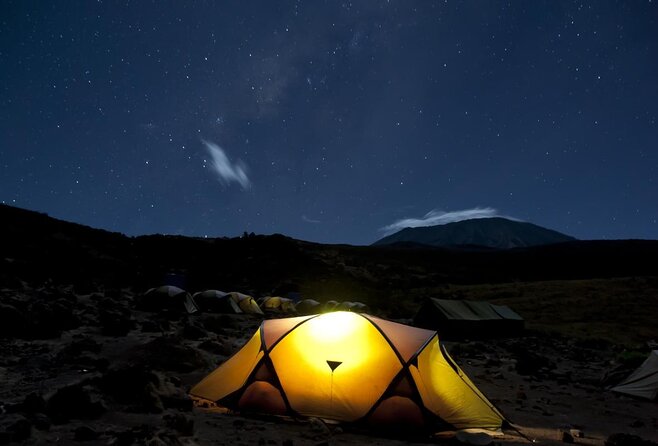
- The summit push begins after midnight: Expect a long, cold day from Barafu Camp to Uhuru Peak and then down to Mweka Camp.
- The route climbs high, then drops to sleep lower: The Lava Tower to Barranco section helps your body adjust to altitude.
- You cross the Barranco Wall: It involves a safe scramble and can feel exciting if you are comfortable using your hands on steep ground.
- The price covers a full mountain crew: Guides, assistant guides, porters, a cook, camping gear, meals, water, and airport transfers are included.
- Your own gear is not included: You must bring or rent personal trekking equipment in Moshi.
- This is a private activity: Your group travels together, with group discounts offered.
Why the Machame Route works so well
The Machame Route is a strong choice if you want Kilimanjaro scenery rather than the quickest possible path. It begins in forest and moves through several plant zones as the air grows thinner. By the time you reach the summit, the trees are long gone and the surroundings feel stark and exposed.
The seven-day schedule matters. Kilimanjaro is not usually defeated by a lack of strength alone. Altitude is the great variable, and this route gives you time to gain height in stages. Day three is especially useful: you climb to Lava Tower at 4,600 meters, then sleep lower at Barranco Camp, about 3,900 meters.
That pattern does not guarantee a summit. It does give you a better chance to adjust than a rushed itinerary. You still need patience, steady pacing, rest, and honest communication with the guide team.
The experience is arranged as a private tour, so only your group participates. That can be valuable on a mountain, since the pace and breaks are easier to manage than in a large mixed group. The published price is $2,812 per person, with group discounts available. For a seven-day climb, that is a substantial but understandable cost because it includes a sizeable support operation rather than just a guide and a permit.
More Machame Route climbs:
- Kilimanjaro climb, Machame Route (7-day)
★ 5.0 · 262 reviews - Climbing Kilimanjaro – Machame Route
★ 5.0 · 170 reviews - Climbing Kilimanjaro through 7 days Machame Route
★ 5.0 · 151 reviews
Day 1: Machame Gate to Machame Camp
Your climb begins at Machame, rising from about 1,800 meters to 2,835 meters. The walking time is listed at five to seven hours, with the day’s schedule allowing about seven hours.
The first section passes through lush rainforest, which makes a fine opening to the climb. You may see unusual plant life and forest wildlife, though sightings are never promised. The trail is also a useful test of your boots, pack, and pacing before the air gets thin.
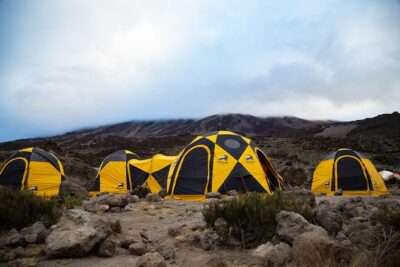
Machame Camp is your first overnight stop. The support team provides camping equipment, including tents, camp chairs, tables, and a sleeping mattress. You also receive dinner, lunch, breakfast during the trip, fresh drinking water, and hot water for washing each day.
Do not mistake the first day for an easy warm-up. Five to seven hours on a rising trail can expose poor footwear or an overloaded daypack. Keep your personal load light, carry only what you need during the day, and let the porters handle the main camping baggage.
Day 2: Heath and moorland on the Shira Plateau
The trail climbs from 2,835 meters to 3,750 meters, taking about four to six hours. The forest gives way to heath and moorland, with broader views toward Kibo Peak and the valleys below.
This is one of the most rewarding visual changes on the route. You gain height quickly enough to feel that you are climbing Kilimanjaro, but the day is shorter than the first. Shira Cave Camp sits on the Shira Plateau, where the surroundings feel more open and exposed.
You should use this day to settle into the mountain routine. Walk slowly. Drink regularly. Eat even if your appetite is weaker than usual. Your guide team can help monitor how you are responding, but you should report headaches, nausea, unusual fatigue, or other problems early rather than trying to hide them.
The basic package includes meals and water, but snacks and drinks not specified are your responsibility. Bring the food you know you can eat during a long climb.
Day 3: Lava Tower, then down to Barranco
Day three is the route’s key acclimatization day. You climb from 3,750 meters to Lava Tower at 4,600 meters, then descend to Barranco Camp at about 3,900 meters. The walking time is about six to eight hours, with roughly seven hours scheduled.
The climb to Lava Tower takes you into an alpine desert zone, where vegetation becomes sparse and the terrain feels more severe. The views toward Kibo and the surrounding valleys are among the trip’s strongest. Just as important, your body spends time at a higher altitude before you sleep lower.
The descent to Barranco is not wasted effort. On a mountain, gaining height during the day and sleeping lower can help with adjustment. It also breaks up the climb before the harder summit stages.
Barranco Camp has one of the most memorable settings on the route, with the Barranco Wall rising nearby. The day may feel demanding because of the altitude, even though the mileage is not extreme. This is a good place to judge your condition honestly. A positive attitude helps, but it cannot replace careful attention to symptoms.
More treks and hikes around Kilimanjaro:
- Kilimanjaro climb by Lemosho Route (7-day)
★ 5.0 · 651 reviews - 8-Day Small-group Lemosho Kilimanjaro Summit Trekking
★ 5.0 · 186 reviews - Kilimanjaro Climbing Lemosho Route 8 Days.
★ 5.0 · 186 reviews - Kilimanjaro climb, Lemosho Route (8-day)
★ 5.0 · 148 reviews
Day 4: Scrambling up the Barranco Wall
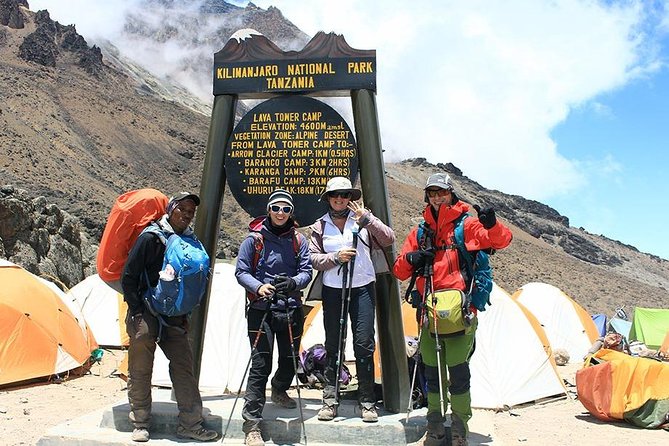
You leave Barranco Camp at about 3,900 meters and climb to Karanga Camp at 4,035 meters. The walking time is about four to five hours.
The main feature is the Barranco Wall, a steep section requiring a scramble. It is described as thrilling yet safe, but you should still expect to use your hands and move carefully. It is not a technical climbing pitch, based on the information provided, but it may feel more adventurous than the trail days before it.
After the wall, the route continues through valleys toward Karanga Camp. The total height gain is modest, yet the thin air makes short climbs feel longer. This is another day when a slow pace makes sense.
Karanga is more than a scenic overnight stop. It is part of the preparation for summit day. You should use the afternoon to rest, organize warm clothing, check your headlamp and personal gear, and eat a proper meal. The summit attempt starts soon after midnight on the next day, so conserving energy matters.
Day 5: Barafu Camp and an early night
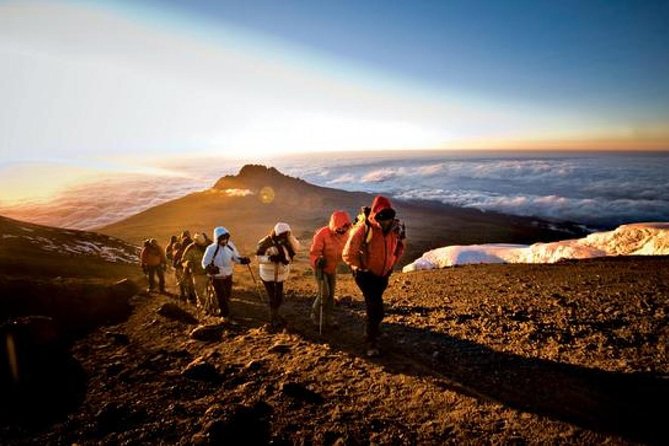
The trail climbs from 4,035 meters to Barafu Camp at 4,640 meters. The trek takes about four to five hours.
Barafu is the base for your summit push. The terrain is high, dry, and exposed, with little shelter from the elements. The short walking time can be misleading. You are already high, and the next stage is the hardest physical effort of the entire trip.
The schedule calls for an early rest before beginning the final ascent around midnight. In practice, this means the day can feel oddly divided. You walk to camp, eat, prepare your gear, and try to sleep while your body knows that a major effort is coming.
Have your warm layers, gloves, hat, water, and headlamp ready before resting. Personal hiking gear is not included in the price, although you can rent gear from equipment stores in Moshi. Confirm what you need before leaving town rather than discovering a missing item at Barafu.
Day 6: Uhuru Peak and the long descent
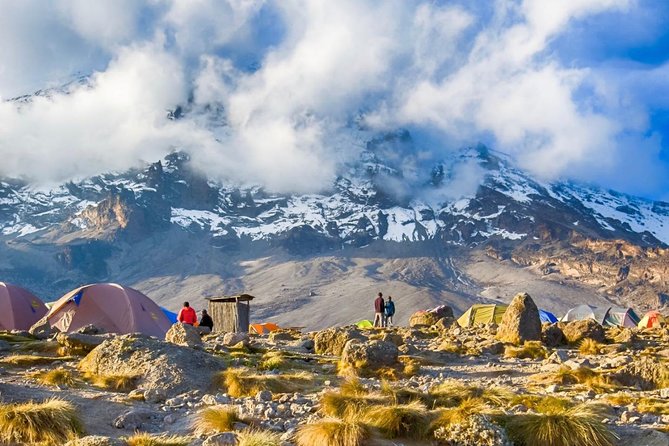
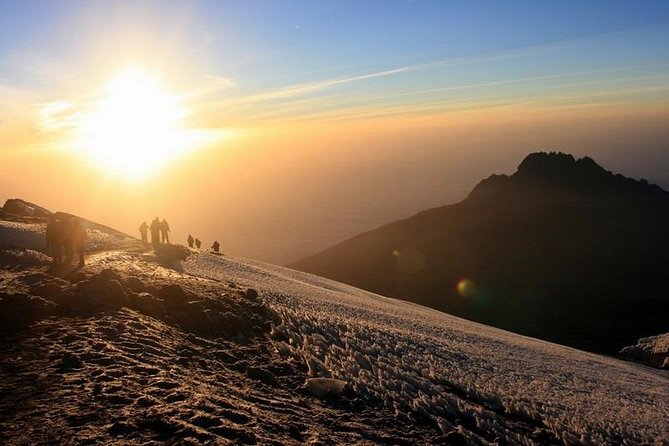
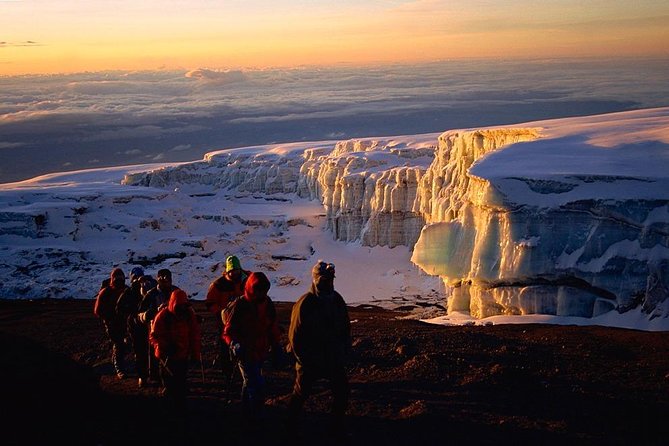
Summit day begins just after midnight. You climb from Barafu at 4,640 meters to Uhuru Peak at 5,895 meters, then descend all the way to Mweka Camp at about 3,080 meters. The full day takes about 10 to 12 hours.
The nighttime ascent is slow and demanding. You walk by moonlight or headlamp, climbing toward the summit in cold conditions. The final approach is not the place for a rushed pace. Your guide team sets the rhythm, and you should focus on one measured step at a time.
Reaching Uhuru Peak gives you the highest point in Africa, but the summit is only halfway through the day. After taking in the views and celebrating briefly, you descend. The drop to Mweka Camp is a major relief for your breathing, though tired legs can make the descent surprisingly hard.
Emergency oxygen and a basic first aid kit are included. The oxygen is for emergencies only, not as a way to assist a normal summit attempt. That distinction matters. This remains a high-altitude climb, and no piece of safety equipment removes the need for preparation, insurance, or sensible decisions.
Day 7: Mweka Trail and return to Moshi
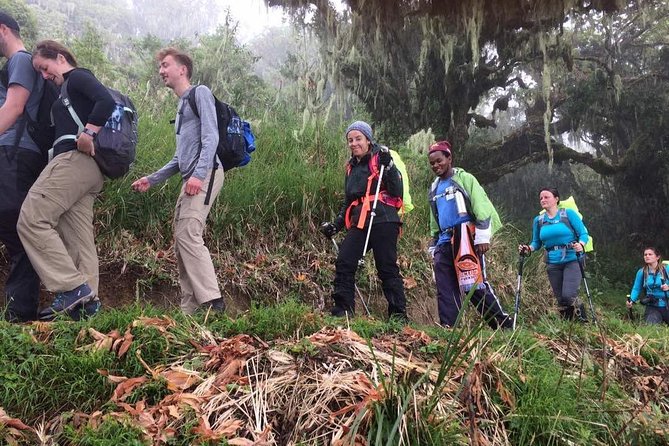
The final day descends from Mweka Camp at 3,080 meters to Mweka Gate at 1,640 meters. The trail takes about three to four hours and passes back into rainforest.
After the stark summit zone, the return of trees and warmer air feels welcome. Your legs may be tired, but the shorter walking time makes this a manageable finish. At Mweka Gate, you receive your summit certificate before returning to Moshi.
Return transfers between Kilimanjaro Airport and Moshi are included, both at the start and end of the trip. The activity begins and ends in Moshi Urban, Tanzania, so you should plan your flights around those transfers and allow enough time for the mountain schedule.
What the $2,812 price really covers
The most important value here is the support team. Your fee includes a qualified mountain guide, assistant guides, porters, and a cook, along with their wages. It also covers park-related fees and taxes, tents, mattresses, tables, chairs, meals, fresh drinking water, and daily hot water for washing.
That list explains why the price is more than a simple guided hike. A seven-day Kilimanjaro trip requires people to carry, cook, organize, and maintain a temporary camp at changing elevations. The porter and cook support also means you are not carrying the full camping load yourself.
The package includes seven lunches and seven dinners, plus six breakfasts. Snacks, personal drinks, and meals not specified are extra. A portable toilet is optional but highly recommended, and personal medicine and water purification tablets are not included.
Flights, visas, travel insurance, health insurance, and personal trekking gear are also outside the price. Yellow fever vaccination is listed as compulsory. Treat insurance as essential for a mountain trip, not as a minor add-on.
The company’s guiding team has included people named Frazier, Justin, Joan, and Abraham, with Abraham identified as a main guide on one trip. Past accounts also give strong emphasis to guide care, food, safety checks, and the team’s positive Hakuna Matata attitude. I would still ask who your lead guide will be, what equipment is available to rent, and how the group handles altitude concerns before paying.
Who should choose this climb
This trip suits you if you have moderate physical fitness, can walk for several hours on consecutive days, and are ready for a long summit day. You do not need to be an expert mountaineer based on the route description, but you do need patience and commitment.
It is a good fit for a private group of friends, relatives, or colleagues. The company offers group discounts, and the private format lets your party share the same guide team and pace.
It is less suitable if you want a relaxed holiday with flexible sleep and easy walking. The summit day starts after midnight, the altitude is serious, and personal gear preparation is your responsibility. You should also be comfortable camping for six nights and using a basic mountain setup.
Should you book the Machame Route?
Book this climb if you want Kilimanjaro’s major scenery, a seven-day schedule with useful altitude adjustment, and a full support crew included in the price. The strongest reasons are the Lava Tower to Barranco pattern, the Barranco Wall, the range of vegetation zones, and the practical coverage of food, camping, porters, guides, water, transfers, and emergency equipment.
Before booking, confirm the exact guide team, group discount, gear rental costs, insurance requirements, and portable toilet arrangement. If you prepare properly and accept that summit success is never guaranteed, this offers a well-supported and visually varied way to reach Uhuru Peak.
FAQ
Where does the Kilimanjaro climb begin and end?
The activity begins in Moshi Urban, Tanzania, and ends back at the meeting point in Moshi after the return from Mweka Gate.
How long is the Machame Route climb?
The climb lasts about seven days, including the summit attempt and descent to Mweka Gate.
What is the highest point reached?
The summit is Uhuru Peak at 5,895 meters, the highest point in Africa.
How long is summit day?
The summit day takes about 10 to 12 hours, beginning just after midnight at Barafu Camp and ending at Mweka Camp.
Are airport transfers included?
Yes. Return transfers between Kilimanjaro Airport and Moshi are included.
Are meals included?
Yes. The package includes seven dinners, seven lunches, and six breakfasts. Snacks and meals or drinks not specified are extra.
Is personal hiking gear included?
No. Personal trekking gear is not included, but you can rent gear from equipment stores in Moshi.
What is the cancellation policy?
You can receive a full refund if you cancel at least three full days before the experience start time. Cancellations or changes made less than three full days before the start time are not accepted for a refund.
More Seven-Day Trips in Kilimanjaro
- 7-Day Machame Kilimanjaro Summit Tour from Arusha
★ 5.0 · 125 reviews - 7 Days Kilimanjaro via Machame route affordable price
★ 5.0 · 110 reviews - Private Kilimanjaro Hike 7 Day Lemosho Route
★ 5.0 · 60 reviews - 7 Days Machame route – Kilimanjaro
★ 5.0 · 45 reviews
Just added around Kilimanjaro
- 6 days Machame route climbing Mt.Kilimanjaro★ 5.0 · 8 reviews
- machame route★ 5.0 · 16 reviews
- Mt Kilimanjaro 6 days Marangu route hike★ 5.0 · 3 reviews
- Private Cycle to Kilimanjaro Bike Park Safari★ 5.0 · 6 reviews
- West Kilimanjaro cycling Adventures★ 4.5 · 8 reviews
- Kilimanjaro Climb • Marangu Route ~ 9 Day★ 5.0 · 4 reviews
- 3 Days Private E-Bike Tour in West Kilimanjaro★ 5.0 · 3 reviews
- Kilimanjaro Climb & Safari – Lemosho Route – 13 Day★ 5.0 · 10 reviews
Machame Route Climbs, compared.
The Best of Machame Route in 6 Days: Your World’s Summit Guide
Read our review →Browse the lists this tour appears in