
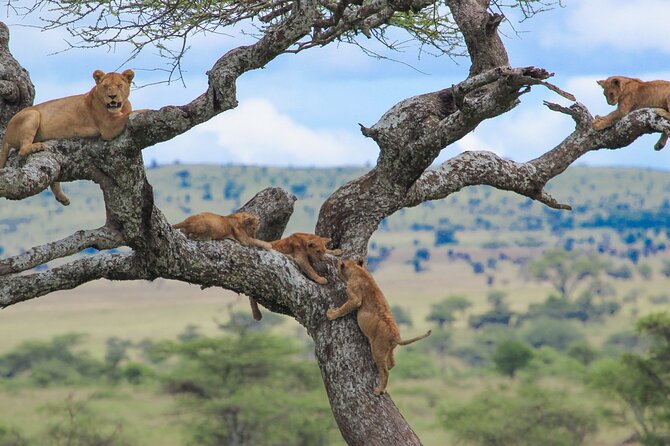
Reviewed · MACHAME ROUTE CLIMBS
7-Day Kilimanjaro Climb Machame Route
Kilimanjaro’s Machame Route earns its Whiskey Route nickname honestly. You trade hut beds for tents, gentle slopes for steeper trails, and easy walking for a better mix of mountain scenery. I like the route’s changing habitats, from wet rainforest to cold alpine desert, and I like the climb-high, sleep-lower rhythm on Day 3, which gives your body useful time to adjust.
The main drawback is the summit day. It begins very early and includes heavy scree, cold, altitude, and a long descent. This is not a sightseeing stroll with a mountain in the background. You need moderate fitness, suitable clothing, and the patience to walk slowly for several days.
Key points to know before booking
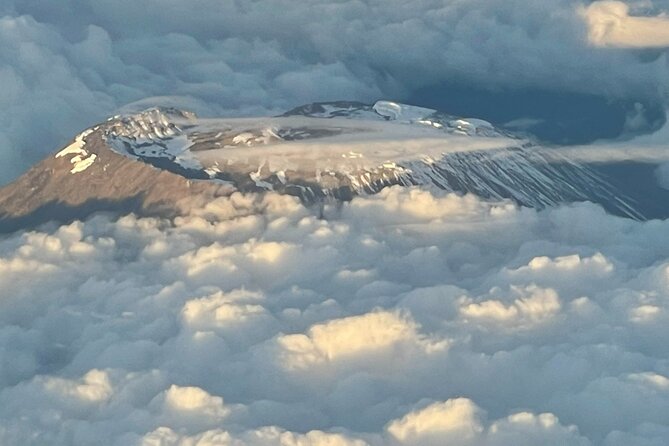
- Machame gives you five days before the summit push: The route uses Machame, Shira, Barranco, Karanga, and Barafu camps before summit night.
- Day 3 is the acclimatization key: You climb toward Lava Tower at about 16,000 feet, then sleep at roughly 13,000 feet near Barranco.
- Uhuru Peak comes after a hard night: Stella Point is at 18,600 feet, followed by about an hour to the summit, weather permitting.
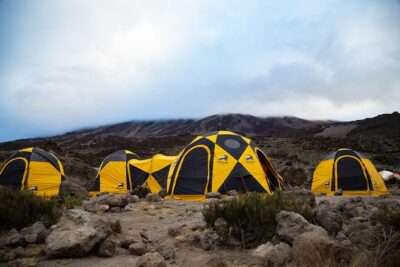
- You sleep in tents, not mountain huts: This makes the route more demanding than Marangu, but also helps keep the experience focused on the mountain.
- The price includes major trip costs: At $2,280 per person, the package includes park fees, accommodation, meals, and airport transfers.
- The group can reach 20 people: That keeps the cost down, but it may feel less personal than a small private climb.
Why Machame is Kilimanjaro’s popular choice
The Machame Route is used by about half of all Kilimanjaro climbers. Its appeal is easy to understand: the trail offers a broad range of habitats and strong views without requiring the longer schedule used by some other routes.
The route begins in rainforest, where the trail can be muddy and slippery. It then moves through heather and moorland, crosses stark semi-desert terrain, and finishes in the alpine desert near the summit. You get a better sense of Kilimanjaro as a high mountain system, not just a long staircase to Africa’s highest point.
Machame is also less expensive than some longer routes because of its access and seven-day format. That lower price does not make it easy. The route is called the Whiskey Route in contrast to Marangu’s Coca Cola nickname, a playful way of saying that Machame is the tougher option.
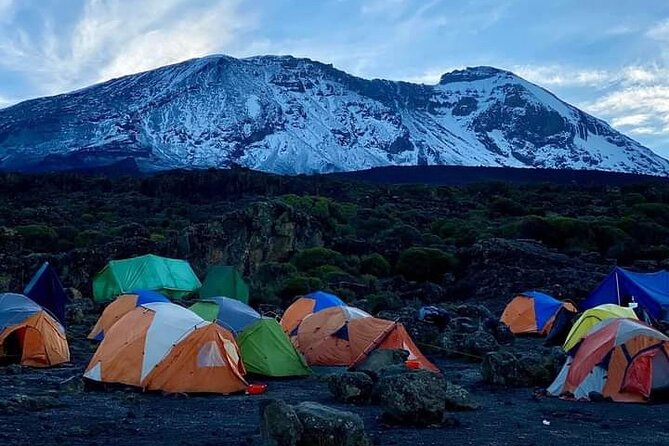
You should also know that this is a camping climb. Each night is spent at a campsite rather than in a permanent hut. If you enjoy a basic outdoor trip and can accept a tent, this is part of the appeal. If you want more shelter and a gentler grade, the route may feel demanding from the first afternoon.
More Machame Route climbs:
- Kilimanjaro climb, Machame Route (7-day)
★ 5.0 · 262 reviews - Climbing Kilimanjaro – Machame Route
★ 5.0 · 170 reviews - Climbing Kilimanjaro through 7 days Machame Route
★ 5.0 · 151 reviews
Day 1: From Moshi to Machame Camp
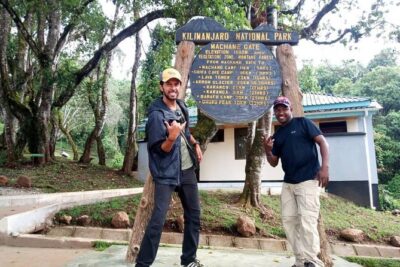
The drive from Moshi to the Kilimanjaro National Park Gate takes about 50 minutes. The road passes through Machame village on the lower slopes, then the walking begins at about 5,400 feet.
Your first hike covers about 11 kilometers and usually takes five to seven hours. The trail climbs through rainforest to Machame Camp at about 9,400 feet. Lower down, wet ground can make the path muddy and slick, so gaiters and trekking poles are more than nice extras.
This is a good day to settle into the mountain routine. You will spend much of the day walking uphill, but the rainforest provides shade and a very different atmosphere from the dry summit zone above. Keep rain gear handy, even if the morning begins clear.
The distance is moderate, yet the first day can feel longer than expected. You are carrying a daypack, adjusting to the pace, and learning how your boots handle wet ground. Walk slowly. Saving energy here matters more than arriving early.
Day 2: Heather, moorland, and Shira Camp
After breakfast, the trail leaves the rainforest and climbs through heather and moorland. The path crosses a small valley and follows a steep, rocky ridge before turning west toward a river gorge.
This is a shorter day, about 5 kilometers and four to six hours, but you gain roughly 3,100 feet. Shira Camp sits at about 12,500 feet, so the altitude becomes more noticeable even though the walking distance is short.
The open ground gives you broader mountain views than the forest. It also means less cover from sun and wind. Bring layers, protect your skin, and keep drinking regularly. The simple camp routine continues with rest, dinner, and an overnight stay.
I like this day because it makes the change in altitude clear without forcing you into a huge mileage day. The tradeoff is that the climb can feel steep. A short distance does not mean an easy afternoon.
Day 3: Lava Tower and the Barranco acclimatization climb
Day 3 is the route’s smartest design feature. From the Shira Plateau, you climb east along a ridge, pass the junction toward Kibo, and continue toward Lava Tower, also called the Shark’s Tooth. The route reaches about 16,000 feet before dropping to Barranco Camp at roughly 13,000 feet.
The total distance is about 10 kilometers, with six to eight hours of walking. You begin at around 12,500 feet and finish near 13,000 feet, so the net gain is small. The value comes from spending time much higher before sleeping lower.
This climb-high, descend-lower pattern helps prepare your body for summit day. It can also show you how altitude affects your breathing and pace. Do not treat Lava Tower as a race or assume you are failing if you feel slow. Slow is exactly the right speed here.
The terrain changes again, becoming semi-desert. Vegetation thins, the air feels colder, and the mountain looks more severe. Barranco Camp brings the reward of dramatic surroundings after a demanding day.
More treks and hikes around Kilimanjaro:
- Kilimanjaro climb by Lemosho Route (7-day)
★ 5.0 · 651 reviews - Kilimanjaro Climbing Lemosho Route 8 Days.
★ 5.0 · 186 reviews - 8-Day Small-group Lemosho Kilimanjaro Summit Trekking
★ 5.0 · 186 reviews - Kilimanjaro climb, Lemosho Route (8-day)
★ 5.0 · 148 reviews
Day 4: The Barranco Wall and Karanga Valley
After breakfast, you tackle the steep ridge beside the Barranco Wall and continue to Karanga Valley Camp. The day covers only about 5 kilometers and takes four to five hours, with a small elevation change from 13,000 to 13,100 feet.
This is another acclimatization day. It gives you time at altitude without the long mileage of the first and third days. The short schedule also leaves room to rest, eat, organize your sleeping gear, and prepare for the higher camps.
The Barranco Wall is one of the route’s memorable sections because the trail feels more rugged and hands-on than a normal walking path. The supplied information does not describe technical climbing, but you should expect a steep mountain section rather than a flat hike.
Karanga Camp sits in alpine desert. The scenery becomes sparse and exposed, and weather can change quickly. Keep warm layers close, even during a short walking day.
Day 5: South Circuit views and Barafu Camp
The trail leaves Karanga and reaches the junction with the Mweka Trail before climbing to Barafu Hut. You walk only about 4 kilometers, usually in four to five hours, but you gain roughly 2,200 feet and finish at about 15,300 feet.
This is the end of the South Circuit, a route section that gives views of the summit from several angles. From Barafu, you can see Mawenzi and Kibo, two of Kilimanjaro’s major peaks.
Barafu is the launch point for summit night, so this afternoon is less about sightseeing and more about preparation. Rest as much as possible. Eat dinner, sort your headlamp and warm layers, and keep the equipment you need for the night close at hand.
The short distance can fool you. At this altitude, even four kilometers may take effort. You are also sleeping high before the hardest section of the climb. That is why the earlier acclimatization days matter.
Day 6: Stella Point, Uhuru Peak, and the long descent
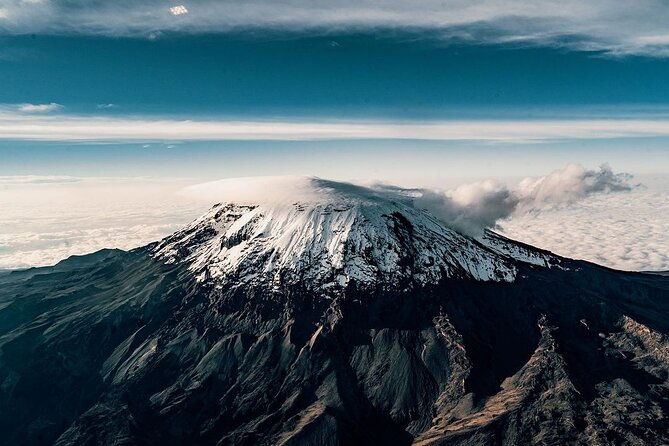
Summit day begins very early. You climb between the Rebmann and Ratzel glaciers, moving northwest through heavy scree toward Stella Point on the crater rim at about 18,600 feet.
This is the most physically and mentally demanding part of the route. The ground is loose, the air is thin, and progress can feel slow. A steady pace is more useful than speed. Follow your guides closely and focus on the next manageable section rather than the entire mountain.
At Stella Point, you get a short rest and, if the weather cooperates, a sunrise over the summit area. From there, the trail may hold snow during the roughly one-hour climb to Uhuru Peak, the highest point on Kilimanjaro and the highest point in Africa.
The description provided for this day is cut off after noting that faster climbers may see sunrise from another point, so exact summit-day timing can vary. Plan for changing conditions rather than a precise clock schedule.
After reaching Uhuru Peak, you descend. This is important: summit day is not finished at the sign. You still need to return toward camp, and the descent can be hard on tired legs. Eat, drink, and keep enough warm clothing for the exposed high sections.
Day 7: Mweka descent and the return to Moshi
The final day takes you from about 10,000 feet down to 5,400 feet at the Mweka Park Gate. The walk covers about 10 kilometers and takes three to four hours through rainforest.
The lower trail can be wet and muddy, so keep your gaiters and trekking poles available. At this elevation, shorts and a T-shirt may be comfortable, but rain gear and warmer clothing should remain in your pack until you know what the weather is doing.
At Mweka Gate, you receive your summit certificates. You then continue for about another hour to Mweka Village, where a vehicle takes you back to your Moshi hotel.
This final section is a pleasant contrast to summit morning. The air gets warmer, the forest returns, and the trip shifts from endurance to relief. You may be tired, dusty, and very ready for a proper bed, but the descent also gives you time to absorb what you have done.
What the $2,280 price covers
The cost is $2,280 per person. For a seven-day Kilimanjaro climb, the value depends heavily on what is included, and this package covers several large expenses:
- Airport transfers
- All park fees
- Accommodation
- Six dinners
- Seven lunches
- Six breakfasts
The included park fees are especially important because national park charges can form a large part of a Kilimanjaro trip. Airport transfers also make the arrival and departure days easier to manage.
You still need to budget for personal gear rentals, a Tanzanian visa, international flights, and mountaineering insurance. Those exclusions can change the real cost of the trip. Ask for a clear gear list before booking so you know what you must bring or rent.
Meals are included across the climb, but the supplied information does not specify menus or dietary arrangements. If you have special food needs, confirm them before you travel.
How the organization affects the experience
The group size can reach 20 people. That is large enough to keep the price competitive, but it may mean a wider range of walking speeds and comfort levels. Ask how the group is managed on summit day and how support works if someone needs to stop or descend.
The strongest praise for Unique Planet Safaris centers on organization, supportive guides, hospitality, and motivation during the summit push. Several comments describe the staff as professional and credit the guidance with helping climbers reach the top. One particularly useful point is that the summit team kept encouraging the group when the final climb became difficult.
Those are the right qualities to value on Kilimanjaro. A good schedule and good food help, but calm guidance matters most when you are cold, tired, and breathing thin air.
The available information does not provide guide names, porter details, or a porter-to-climber ratio. Ask those questions directly before paying. Also confirm the exact hotel in Moshi, pickup time, sleeping arrangements, and equipment available for rent.
Who should choose this climb?
This route suits you if you want a classic Kilimanjaro climb with changing habitats, tent camping, and a seven-day schedule. You should have moderate physical fitness and be ready for several consecutive days of uphill walking.
It is a good match for someone who values scenery and acclimatization but still wants a shorter and less expensive route than longer options. The route is also suitable for climbers who prefer a more rugged experience than the hut-based Marangu Route.
You may want another option if you dislike camping, have limited hiking experience, or want a more gradual schedule. The seven-day format gives useful acclimatization time, but it does not remove the risks of altitude or the strain of summit night.
The experience has a 4.9 rating from 11 supplied reviews, with 100 percent recommendation shown. That is encouraging, especially because the praise repeatedly focuses on organization, staff support, food, and reaching the summit. Still, a small number of ratings cannot tell you how the operator handles every possible weather, health, or group situation.
Should you book the 7-day Machame Route?
I would consider booking this climb if you want a well-priced, strongly supported route and understand what you are signing up for. The best reasons are the varied habitats, the careful acclimatization pattern, the included park fees and meals, and the repeated praise for professional support.
Before booking, get answers about gear rental, insurance, group arrangements, guide qualifications, porter welfare, and dietary needs. You can cancel for a full refund up to 24 hours before the start time, but cancellations within 24 hours are not refundable, and late changes are not accepted.
Choose Machame for the mountain experience, not for comfort. If you prepare properly and respect the slow pace, the route gives you a serious but achievable path to Uhuru Peak.
FAQ
How long is the Kilimanjaro climb?
The climb lasts approximately seven days, beginning near Moshi and ending with the descent to Mweka Village before transport back to a Moshi hotel.
What route does this climb use?
It uses the Machame Route, also known as the Whiskey Route. The route passes through rainforest, moorland, semi-desert, and alpine desert habitats.
How difficult is the Machame Route?
You need a moderate level of physical fitness. The route includes steep trails, long walking days, tent camping, high altitude, and a demanding summit section through heavy scree.
What is included in the $2,280 price?
The price includes airport transfers, park fees, accommodation, six dinners, seven lunches, and six breakfasts.
What is not included?
Personal gear rentals, a Tanzanian visa, international flights, and mountaineering insurance are not included.
How large can the group be?
The activity can have a maximum of 20 participants.
Can I cancel for a full refund?
Yes. You can receive a full refund if you cancel at least 24 hours before the experience start time. Cancellations within 24 hours are not refunded, and changes made within 24 hours are not accepted.
More Seven-Day Trips in Kilimanjaro
- 7-Day Machame Kilimanjaro Summit Tour from Arusha
★ 5.0 · 125 reviews - 7 Days Kilimanjaro via Machame route affordable price
★ 5.0 · 110 reviews - Private Kilimanjaro Hike 7 Day Lemosho Route
★ 5.0 · 60 reviews - 7 Days Machame route – Kilimanjaro
★ 5.0 · 45 reviews
Just added around Kilimanjaro
- 6 days Machame route climbing Mt.Kilimanjaro★ 5.0 · 8 reviews
- machame route★ 5.0 · 16 reviews
- Mt Kilimanjaro 6 days Marangu route hike★ 5.0 · 3 reviews
- Private Cycle to Kilimanjaro Bike Park Safari★ 5.0 · 6 reviews
- West Kilimanjaro cycling Adventures★ 4.5 · 8 reviews
- Kilimanjaro Climb • Marangu Route ~ 9 Day★ 5.0 · 4 reviews
- 3 Days Private E-Bike Tour in West Kilimanjaro★ 5.0 · 3 reviews
- Kilimanjaro Climb • Machame Route ~ 10 Day★ 5.0 · 6 reviews
Machame Route Climbs, compared.
The Best of Machame Route in 6 Days: Your World’s Summit Guide
Read our review →Browse the lists this tour appears in