
Reviewed · RONGAI ROUTE CLIMBS
6 Days Mount Kilimanjaro Climbing via Rongai Route
Rongai gives you a quieter way up Kilimanjaro, with a steady slope, broad views toward Kenya, and less rain than the mountain’s southern routes. I like the remote northern approach and the careful schedule that gives you several days to gain height before summit night. I also like that meals, mountain accommodation, park costs, and hotel transfers are included.
The catch is simple: this is still a hard high-altitude climb, not a gentle six-day walk. The final push begins around midnight, and the short itinerary leaves less time to adjust than longer Kilimanjaro routes. You need moderate fitness, the right gear, and a willingness to walk slowly when the mountain says so.
Key points at a glance
- Rongai’s northern route: A quieter alternative to the Marangu Route, with a moderate slope and less rain on the north side.
- Six days to Uhuru Peak: The schedule includes several gradual walking days before the summit attempt, though it remains a relatively brisk program.
- Changing mountain zones: You move from wooded trails and moorland to semi-desert, alpine desert, scree, and the icy upper crater area.
- Midnight summit attempt: Day five is the toughest section, with Stella Point followed by the final climb to Uhuru Peak.
- Included practical costs: Mountain accommodation, park fees and taxes, five lunches, six dinners, five breakfasts, and hotel pickup and return are covered.
- Private group format: Only your group takes part, with a stated start time of 7:00 a.m. from Moshi.
Why Rongai may be your best Kilimanjaro route
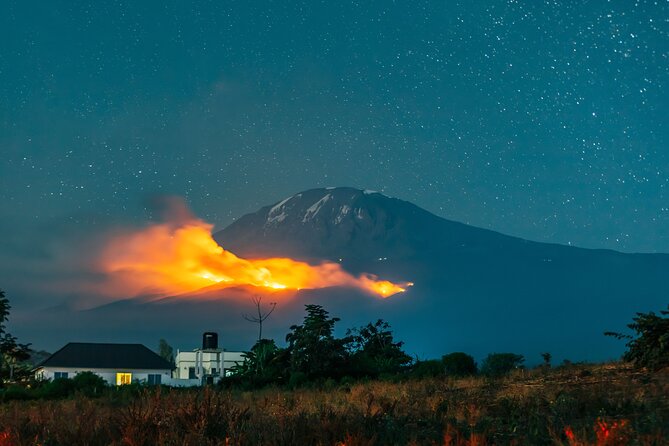
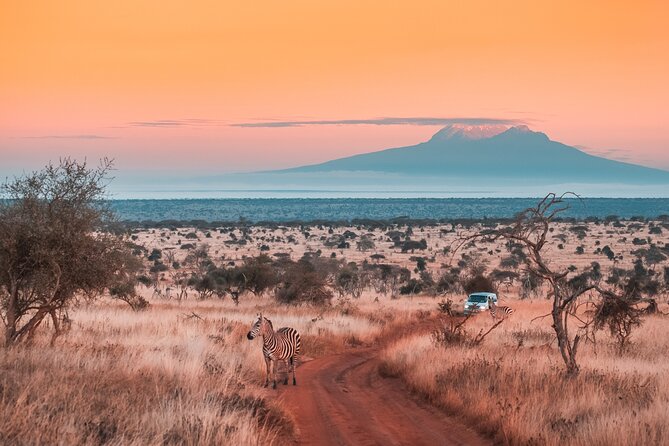
Kilimanjaro has several established ways to the top, and Rongai suits you if you want a calmer approach than the well-known Marangu Route. It begins on the northern side of the mountain near the village of Nale Muru, close to the Kenyan border. The trail rises at a moderate angle rather than attacking the mountain with long, steep climbs from the start.
That gentler slope is useful if you have limited backpacking experience. It does not remove the altitude problem, but it makes the first several days more manageable. You can settle into a walking rhythm, watch your body, and let your guide know early if you notice signs of altitude sickness.
Rongai is also a practical choice during the rainy season. The north side receives less precipitation, although you should not expect dry or easy conditions all the way up. The descent is on the Marangu side, and the final return to the park gate can be wet, muddy, and steep.
The route has a real sense of progress. You begin among wooded trails and coffee-growing country, then move through moorland, semi-desert, and alpine desert before reaching the crater rim. The vegetation thins as the air cools, and the summit gets closer in clear view.
More Rongai Route climbs:
- Kilimanjaro climb, Rongai Route (7-day)
★ 5.0 · 40 reviews - Kilimanjaro climb, Rongai Route (6-day)
★ 5.0 · 15 reviews - Mount Kilimanjaro Rongai Route
★ 5.0 · 10 reviews
Day one: from Moshi to Simba Camp
Your morning starts in Moshi at 7:00 a.m., with pickup from your hotel or residence. The drive to the Kilimanjaro National Park Gate takes about four to five hours. That is a long transfer before your first walk, so keep water and a few useful items close by rather than buried in luggage.
The road passes coffee plantations and the village of Nale Muru. At the park gate, your crew waits for permits to be issued while climbing teams organize their equipment and prepare to leave. This delay is part of the Kilimanjaro routine, not wasted sightseeing time, and it gives you a first look at the practical work behind a mountain expedition.
Once walking begins, the trail runs through wooded scenery with windy sections. Your guide can point out local plant life and wildlife as you gain height. The first overnight stop is Simba Camp, near the first cave at the edge of the moorland zone.
The camp offers striking views across the plains of Kenya. After a seven-hour day that includes the transfer and trail time, you will likely value an early meal and rest more than extra activity. Take this first night seriously. Good pacing at the start matters later.
Day two: moorland views and the Second Cave
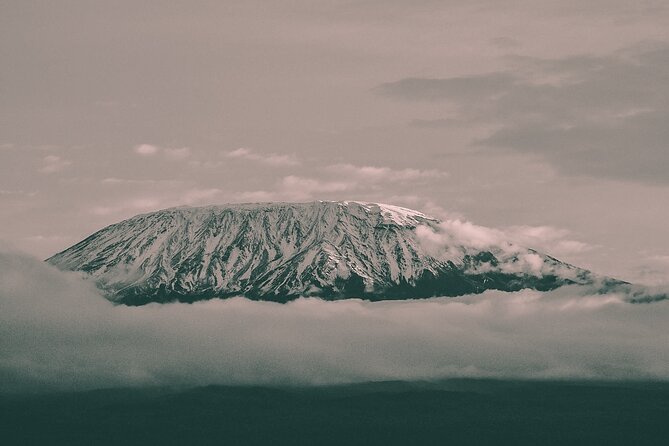
After breakfast, you continue through moorland on a steady uphill path. This is one of the route’s more rewarding walking days because the slope remains fairly consistent while the views open toward Kibo, Kilimanjaro’s highest volcanic cone.
You may see the mountain’s eastern ice fields for the first time. The shrubs become thinner as you approach the Second Cave, and temperatures begin to fall. That change is a useful warning: even when the walking feels moderate, the mountain is moving you into a colder and higher environment.
The day is listed at about seven hours. Walk slowly and keep your layers easy to reach. You may start warm, then need a jacket when the wind rises or the sun drops. Your guide’s main job here is not to make you walk fast. It is to keep the group moving at a pace that preserves strength for the summit.
Day three: semi-desert and a closer look at the ice fields
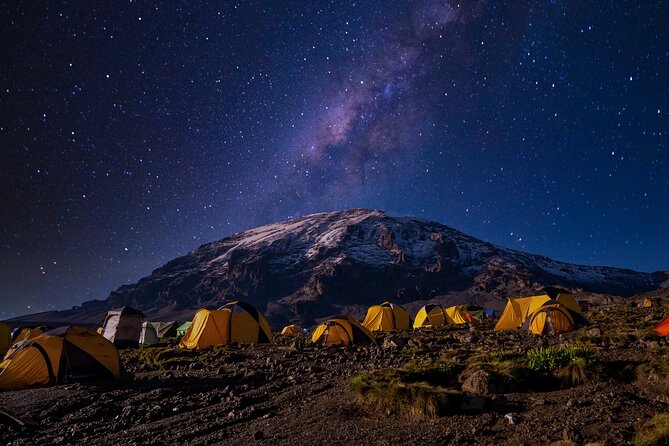
Day three takes you higher into semi-desert terrain. After breakfast and packing, you continue on a steady ascent, with the upper mountain drawing closer throughout the day. This is a shorter walking day at about six hours, which gives your body some breathing room before the long approach to Kibo Huts.
The scenery becomes spare. Small shrubs give way to open ground, and the ice fields on the eastern crater rim become a stronger visual focus. You are not simply walking through changing scenery here. The reduced plant life and colder air make the altitude plain.
Pay attention to how you feel. Headache, nausea, unusual tiredness, or other signs of altitude trouble should be reported to your guide. Do not treat discomfort as a test of courage. A well-run climb depends on honest communication, and the itinerary specifically asks you to keep the guide informed.
More treks and hikes around Kilimanjaro:
- Kilimanjaro climb by Lemosho Route (7-day)
★ 5.0 · 651 reviews - Kilimanjaro climb, Machame Route (7-day)
★ 5.0 · 262 reviews - Kilimanjaro Climbing Lemosho Route 8 Days.
★ 5.0 · 186 reviews - 8-Day Small-group Lemosho Kilimanjaro Summit Trekking
★ 5.0 · 186 reviews
Day four: Kibo Huts and preparation for summit night
You leave the Third Cave early and cross into alpine desert terrain. The trail takes you toward the Kibo crater wall and the Kibo Huts, where the Rongai route meets the Marangu Route for the summit section.
This is a six-hour walking day, but the physical challenge is not only the distance. You are now high on the mountain, and the cold, thin air can make ordinary tasks feel slow. The upper route is exposed and far less forgiving than the lower forest and moorland sections.
At Kibo Huts, prepare for the summit attempt before bedtime. Replace batteries in your headlamp and camera, organize warm clothing, and keep essential items within reach. The plan is to sleep by 7:00 p.m. and rest for a few hours before leaving between midnight and 2:00 a.m.
That early bedtime is easier to understand once you see the schedule. Summit night is not a normal hike. You climb through the coldest hours, reach the crater rim near sunrise, and then continue to Uhuru Peak. A neat pack and a working headlamp can save you a great deal of frustration.
Day five: Stella Point, sunrise, and Uhuru Peak
This is the day that defines the trip. You start between midnight and 2:00 a.m., leaving the Kibo Huts in darkness. The route heads between the Rebmann and Ratzel glaciers, then climbs in switchbacks through heavy scree toward Stella Point on the crater rim.
The surface is loose and tiring. Each step may slide slightly, and the cold makes your hands and feet demand attention. The best approach is slow and steady. Save your energy, follow your guide’s rhythm, and do not waste effort trying to race another climber.
Stella Point is a major psychological milestone. From there, you get a short rest and, if timing and weather cooperate, a magnificent sunrise. Faster climbers may see sunrise from the summit, but you should not push beyond your safe pace simply to reach a particular viewing spot.
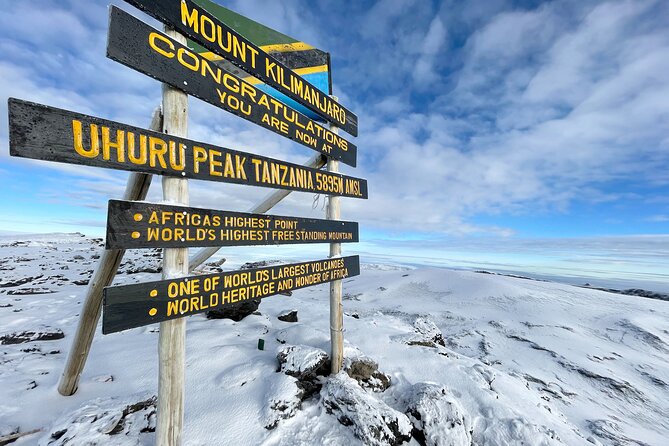
The final ascent to Uhuru Peak takes about another hour from Stella Point. The summit is the highest point on Kilimanjaro and the emotional high point of the climb. The itinerary description is cut off before giving the full summit detail, so you should confirm the exact summit-day schedule with Kentau Safaris before departure.
The day is listed at about seven hours, but the number should not be treated as a promise. Your pace, weather, altitude response, and time spent at the summit can change the total. After reaching the top, you descend to the lower mountain, where the warmer air feels welcome but the loose trail can still be hard on tired legs.
Day six: a muddy descent through the Marangu side
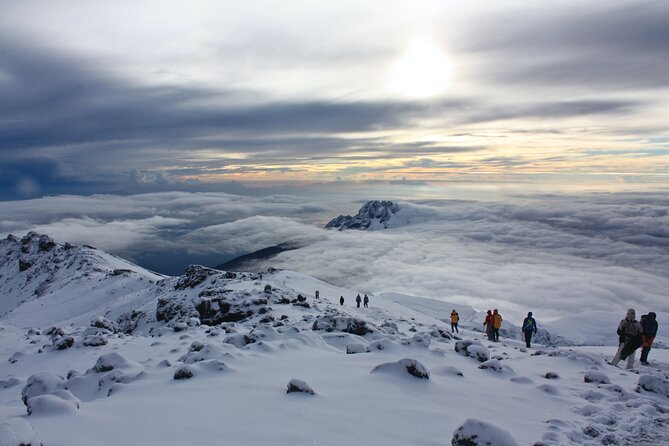
After breakfast and a team appreciation ceremony, you begin the final descent. You stop at Mandara Huts for lunch, then continue to the Marangu Park Gate. The descent is not a soft landing. The lower route can be wet, muddy, and steep, so gaiters and trekking poles are strongly recommended.
This is where good footwear matters. Mud can work its way into boots, and tired knees make downhill walking less comfortable than many people expect. Trekking poles also help with balance on slippery sections.
At the park gate, you receive your summit certificate. You also say goodbye to the guides, cooks, and porters who supported the climb. Tips are not included, so bring a separate budget for the climbing team and ask Kentau Safaris for current guidance on appropriate amounts.
A vehicle then takes you back to your Moshi hotel or residence. The transfer is about 45 minutes, giving you a fairly quick return to a shower, a proper bed, and the comforts that feel unusually valuable after six days on the mountain.
What the $2,200 price covers
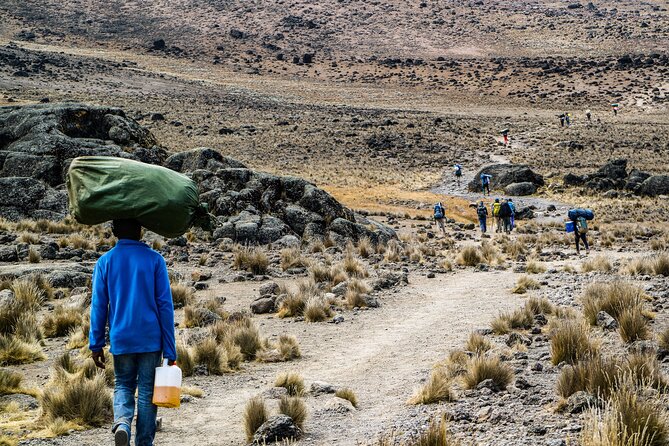
The price is $2,200 per person. That is a serious cost, but Kilimanjaro is not a simple day hike. The fee includes mountain accommodation, all listed fees and taxes, pickup from and drop-off at your hotel or residence, five lunches, six dinners, and five breakfasts.
Those inclusions make the price easier to assess. You are not paying only for trail access. You are also paying for a private group arrangement, mountain logistics, food support, permits, and the crew needed to move through the route.
You still need to budget for international flights, travel insurance, an entry visa, personal gear, and tips. Personal equipment can be a large extra cost if you do not already own suitable cold-weather and trekking items. Ask for a detailed equipment list before booking so you can see the true total.
The six-day format gives you a direct route to the summit, but longer Kilimanjaro itineraries may offer more time for acclimatization. If you are sensitive to altitude or have limited mountain experience, ask Kentau Safaris how they judge the six-day schedule for your group before paying.
How the operator handles the climb
The strongest practical impression from the available feedback is organization. Communication is reported as clear from planning through the end of the hike, and Dominic, the owner, is described as cooperative during the arrangements for a five-day climb. The exact program here lasts six days, so confirm who your lead guide will be and how communication works once you arrive in Moshi.
Safety also receives strong praise. That matters because the most important service on Kilimanjaro is not a cheerful greeting or a nice certificate. It is a crew that watches pace, listens when you describe symptoms, and makes sensible decisions in changing conditions.
The program is private, meaning only your group participates. That can make the pace and daily routine more personal than a large departure, though the supplied information does not state the maximum group size. Ask about group size, guide-to-climber numbers, and the porter arrangement before you book.
Food, accommodation, and what to pack
Mountain accommodation is included, but the information does not specify the exact style at every night. The route names Simba Camp, the caves, Kibo Huts, and Mandara Huts, so ask Kentau Safaris what sleeping equipment and bedding are provided and what you must bring.
Meals include five breakfasts, five lunches, and six dinners. The final day includes breakfast and lunch before the descent, while the dinner count suggests evening meals are provided throughout the mountain stay. Confirm the meal plan if you have allergies, dietary restrictions, or special food needs.
Useful items clearly supported by the itinerary include a headlamp, spare batteries, a camera battery, warm clothing, gaiters, and trekking poles. You should also have suitable personal gear and travel insurance. The route moves from warm lower elevations to cold summit conditions, so layers are more useful than one heavy garment.
Who should book this Rongai climb?
I would point this trip toward you if you want a quieter route, prefer a moderate slope, and have at least moderate fitness. It is also a sensible option if you are considering Kilimanjaro during the rainy season and want to use the drier northern side.
The program may suit a first-time mountain trekker who wants a clear, guided structure. The route is described as especially suitable for people with less backpacking experience, but that should not be confused with easy. You still need to cope with altitude, long walking days, cold, scree, and a midnight start.
I would hesitate if you dislike early mornings, have no cold-weather gear, or expect a relaxed holiday. The summit day is physically and mentally demanding, and the six-day schedule gives you less adjustment time than a longer climb.
For the best decision, ask three questions before booking: What is the full equipment list? Who will be the lead guide? What is the group size and altitude-safety plan? Clear answers will tell you more than a glossy promise of success.
Should you book it?
Book this six-day Rongai climb if the northern approach, private format, included logistics, and quieter trail appeal to you. The steady early ascent, strong organization, and detailed summit preparation make it a sensible package for a fit beginner or an experienced walker who wants a direct route.
Think twice if you need a slower acclimatization schedule or want guaranteed dry conditions. The $2,200 price is reasonable for the listed inclusions, but your gear, insurance, visa, flights, and tips remain extra. Go in prepared, walk slowly, and treat the summit as a bonus earned through good decisions rather than a promise.
FAQ
Where does the climb start?
The experience starts in Moshi, Tanzania, with pickup from your hotel or residence.
What time does the tour start?
The stated start time is 7:00 a.m.
How long is the experience?
The climb lasts approximately six days.
Which Kilimanjaro route does the climb use?
The ascent uses the Rongai Route. The summit section joins the Marangu Route near Kibo Huts, and the descent continues through the Marangu side.
Is the tour private?
Yes. Only your group participates in the activity.
What level of fitness is required?
You should have a moderate level of physical fitness.
Are meals included?
Yes. The package includes five lunches, six dinners, and five breakfasts.
Is mountain accommodation included?
Yes. Accommodation during the hike is included.
Are hotel transfers included?
Yes. Pickup from and drop-off at your hotel or residence are included. The return drive from the Marangu Park Gate to your Moshi hotel takes about 45 minutes.
What is not included in the price?
Tips for the climbing team, air tickets, travel insurance, personal gear, and the entry visa are not included.
What happens if I cancel?
You can receive a full refund if you cancel at least 24 hours before the experience start time. Cancellations or changes made within 24 hours are not accepted for a refund. Cut-off times use local time.
More Six-Day Trips in Kilimanjaro
- Kilimanjaro climb, Lemosho Route (6-day)
★ 5.0 · 129 reviews - Kilimanjaro climb, Marangu route (6-day)
★ 5.0 · 72 reviews - 6 Days Tanzania Classic Safari
★ 5.0 · 52 reviews - The Best of Machame Route in 6 Days: Your World’s Summit Guide
★ 5.0 · 44 reviews
Just added around Kilimanjaro
- 6 days Machame route climbing Mt.Kilimanjaro★ 5.0 · 8 reviews
- Mt Kilimanjaro 6 days Marangu route hike★ 5.0 · 3 reviews
- machame route★ 5.0 · 16 reviews
- Private Cycle to Kilimanjaro Bike Park Safari★ 5.0 · 6 reviews
- West Kilimanjaro cycling Adventures★ 4.5 · 8 reviews
- Kilimanjaro Climb • Marangu Route ~ 9 Day★ 5.0 · 4 reviews
- 3 Days Private E-Bike Tour in West Kilimanjaro★ 5.0 · 3 reviews
- Kilimanjaro Climb • Machame Route ~ 10 Day★ 5.0 · 6 reviews