
Reviewed · RONGAI ROUTE CLIMBS
Kilimanjaro climb, Rongai Route (6-day)
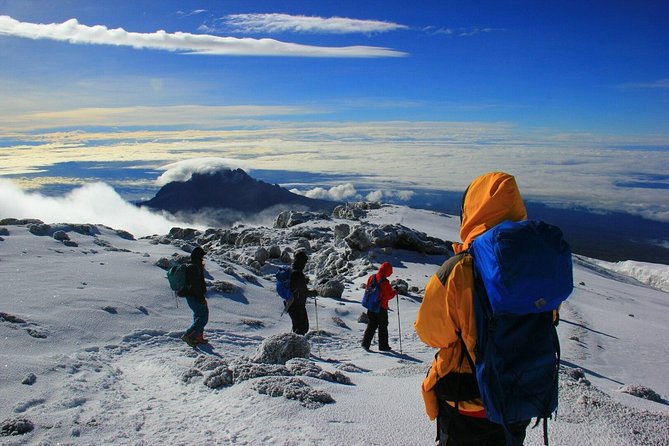
The Rongai Route approaches Kilimanjaro from the quiet northern side, giving you a less-used trail and a strong sense of wilderness. You move through conifer forest, rocky semi-desert, and high volcanic ground before the final push to Uhuru Peak at 5,895 meters. I like the route’s quieter feel and the careful support system, including medical checks, oximeters, oxygen, cooks, camp staff, and porters.
I also like that the $3,064 price covers far more than a guide and a permit. You get airport transfers, two hotel nights, all park fees, tents, meals, drinks, and a full mountain crew. The main drawback is the schedule: this is a short six-day climb, and the summit night comes after a demanding ascent to School Hut. It suits fit hikers, but it gives you less time to adjust than longer Kilimanjaro routes.
Key points to know before booking
- A quieter northern approach: Rongai is one of Kilimanjaro’s less-used routes, with the trail beginning at Nalemuru Gate.
- A serious summit schedule: You reach School Hut at 4,715 meters on Day 5, then leave at night for Uhuru Peak.
- Strong safety support: Certified Wilderness First Responder guides, medical kits, oxygen tanks, oximeters, and regular medical checks are included.
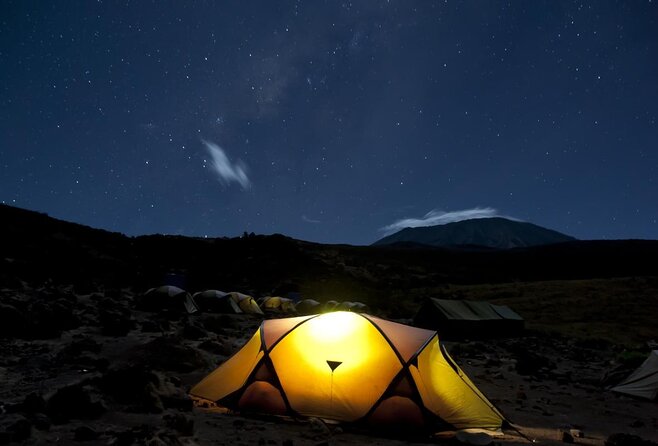
- Comfortable mountain camping: You sleep in North Face VE-25 tents, with a dining tent, sleeping pads, tables, chairs, and camp equipment.
- Useful hotel buffer: Two nights at Aishi Machame Hotel give you a place to arrive, prepare, recover, and shower.
- Bring a real gear budget: Your boots, clothing, sleeping bag, insurance, visa, and crew tips are not included.
Why the Rongai Route is a smart choice for some climbers
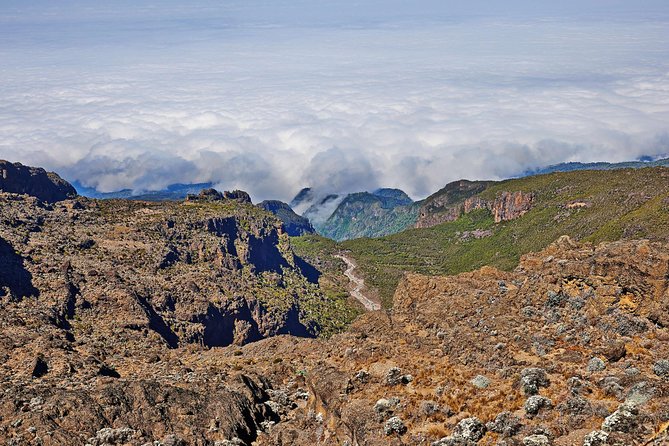
Rongai gives you a different view of Kilimanjaro than the more commonly used southern routes. Your climb begins at Nalemuru Gate on the northern slope, near the Kenya border, and ends at Marangu Gate on the eastern side. That point-to-point route lets you see more of the mountain rather than simply walking up and down the same trail.
The route is also appealing if you value quiet. It is described as one of the least-used Kilimanjaro routes, though you should not expect total solitude. The tradeoff is important: Rongai is shorter than many standard itineraries, and the compressed schedule leaves less spare time for acclimatization.
You should take the phrase regular hiker seriously. The walking itself is not technical mountaineering, but altitude makes ordinary uphill trekking much harder. If you have previous high-altitude experience, that may help you handle the schedule. If you are new to altitude, a longer route may offer a more forgiving plan.
This is a private activity, meaning only your group participates. That is useful for families, couples, or friends who want to set their own pace within the guide’s safety limits. Group discounts are offered, but the supplied details do not state the discount amount.
More Rongai Route climbs:
- Kilimanjaro climb, Rongai Route (7-day)
★ 5.0 · 40 reviews - Mount Kilimanjaro Rongai Route
★ 5.0 · 10 reviews - 6-Day Rongai Route Trek in Mount Kilimanjaro
★ 5.0 · 8 reviews
What the $3,064 price really covers
At $3,064 per person, this is a major purchase. It is also close to an all-in mountain package once you are in Tanzania. The cost includes pickup and drop-off at Kilimanjaro International Airport, all ground transport, two hotel nights, national park fees, mountain permits, camping equipment, food, drinks, guides, porters, cooks, camp staff, and medical supplies.
That matters because the visible price is not just for the days you spend walking. You also pay for the complex work behind the climb: moving food and tents, setting up camp, preparing meals, registering at the park, checking your health, and getting you back to the hotel.
The package includes breakfast for seven days, dinner for five days, and lunch for five days. On the mountain, you receive three meals a day, with choices available. Vegetarian, vegan, lactose-free, gluten-free, halal, and other meal plans can be arranged.
You still need to budget for your international flights, visa, personal clothing, hiking boots, sleeping bag, insurance, and tips. A visa is listed at $50 for most nationalities and $100 for United States passport holders, payable at JRO. Mountain insurance covering trekking up to 6,000 meters is strongly recommended and is not included.
Single hotel rooms and single tents cost extra. The standard setup is two people per hotel room and two hikers per tent, except on solo climbs. Hotel meals beyond breakfast are also extra, with lunch or dinner averaging $15 per person.
Arrival at Aishi Machame Hotel
Your first day begins at Kilimanjaro International Airport, where an Altezza representative meets you and takes you to the hotel. The supplied schedule lists a 9:00 AM start time, but hotel check-in begins at 2:00 PM, so confirm how an early arrival will be handled.
Aishi Machame Hotel is your base before and after the climb. The listed comforts include hot water, Internet access, a swimming pool, comfortable rooms, and polite staff. That pool can be especially welcome after several days in a tent, though the main value is practical: you have a place to sleep, wash, organize gear, and recover.
The evening briefing is an important part of the trip. Managers check that you are ready, and you can use this time to settle last questions about clothing, equipment, pace, food, and the mountain schedule. Do not treat it as a casual welcome meeting. A good gear check here can prevent a small problem from becoming a major one at altitude.
Day 2: Nalemuru Gate to Simba Camp
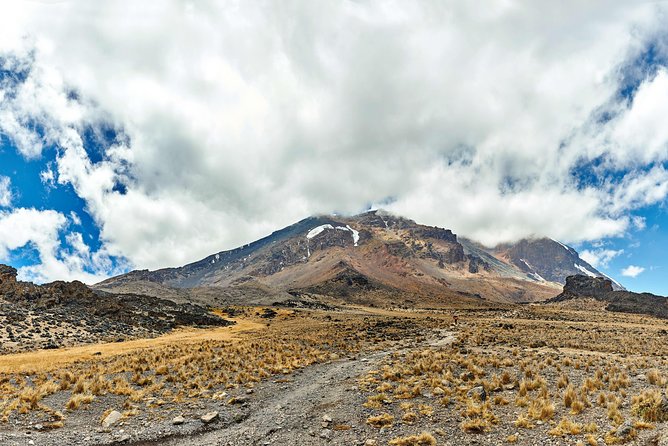
The mountain crew meets you at the hotel in the morning. You then drive to Nalemuru Gate at 2,020 meters, complete park registration and permit formalities, and begin walking toward Simba Camp at 2,625 meters.
This first hiking day is moderate and passes through conifer forest on Kilimanjaro’s northern slope. It is a useful introduction to the route because the altitude gain is limited and the walking should not yet feel extreme.
Your best strategy is to start slowly. The advice to keep a comfortable pace is not filler. Moving too fast early in the climb can leave you tired before the harder days arrive. Once you reach Simba Camp, the crew prepares your tents and camp area.
The tent setup is more organized than basic backpacking. North Face VE-25 tents are supplied for two hikers, and a separate dining tent comes with tables, chairs, crockery, and cutlery. That common space gives you somewhere warm and orderly to eat, plan, and rest.
More treks and hikes around Kilimanjaro:
- Kilimanjaro climb by Lemosho Route (7-day)
★ 5.0 · 651 reviews - Kilimanjaro climb, Machame Route (7-day)
★ 5.0 · 262 reviews - Kilimanjaro Climbing Lemosho Route 8 Days.
★ 5.0 · 186 reviews - 8-Day Small-group Lemosho Kilimanjaro Summit Trekking
★ 5.0 · 186 reviews
Day 3: Simba Camp to Kikilewa Camp
You leave Simba Camp after breakfast and climb toward Kikilewa Camp at 3,630 meters. The day is listed at about eight hours and is more demanding than the first.
The reward is the view toward Kibo Volcano, Kilimanjaro’s highest summit cone, when clouds allow. The route begins to feel more remote and more serious here. You are gaining altitude quickly, so your pace and hydration matter.
Kikilewa is a place to rest rather than explore at length. The mountain program gives you time to eat and sleep, and you should use it. A common mistake is to spend energy trying to make every camp social or dramatic. On this route, rest is part of the climb.
The food program helps here. Three energy-focused meals a day, plus tea, coffee, juices, and soda, mean you do not need to rely only on snacks from your daypack. Still, bring personal snacks if you know you eat between meals, since the supplied information does not specify which snack foods are provided.
Day 4: Mawenzi Tarn and the acclimatization hike
The trail continues to Mawenzi Tarn Camp, at the foot of Mawenzi Volcano, Kilimanjaro’s second summit. The camp setting is one of the route’s memorable features because Mawenzi’s jagged volcanic form gives this part of the climb a very different character from the forest below.
After lunch, you rest for about two hours. Then you take an acclimatization hike that gains 200 meters before returning to Mawenzi Tarn. The classic idea is climb higher, then sleep lower, and this short outing gives your body some practice without moving your sleeping altitude as far.
Take this easy hike seriously. It is not a sightseeing extra. The guide team uses it to help your body adjust, and it can also show how you respond to thinner air before summit night.
This day is a good example of why the crew matters. Guides monitor your pace and condition, while the camp staff handles tents and meals. The structure lets you save energy for the part of the climb that demands it most.
Day 5: School Hut at 4,715 meters
You now leave the more familiar mountain colors behind as the route enters rocky semi-desert. The walk to School Hut Camp is listed at about 10 hours, though the actual pace depends on the group and conditions.
The walking is described as manageable, but that does not make the day easy. You are climbing to 4,715 meters, and the thin air can make a steady uphill grade feel surprisingly hard. The key is to avoid racing. Save your legs and lungs for the summit attempt.
School Hut is the staging point for Uhuru Peak. You are advised to sleep, drink plenty, and avoid strenuous activity once you arrive. That can be difficult because the camp is high and the summit departure comes at night, but lying down and resting still helps.
This is where the six-day schedule shows its main weakness. You have reached a high camp after several consecutive days of ascent, then you must attempt the summit within hours. Fit hikers with good preparation may appreciate the efficiency. Anyone uncertain about altitude should ask whether a longer itinerary would be safer and more comfortable.
Day 6: The summit push to Uhuru Peak
You leave School Hut at night for Uhuru Peak, the highest point on Kilimanjaro at 5,895 meters. The walking may be moderate in technical terms, but altitude is the central challenge. Cold, poor sleep, fatigue, and thin air combine during this long push.
The support plan is reassuring. Each pair of climbers is accompanied by a guide during the summit section, with attention to stamina and mental condition. Certified Wilderness First Responder guides, medical kits, oxygen tanks, and oximeters are included.
Oxygen should not be viewed as a guarantee that you can continue regardless of symptoms. Your guide’s decisions and your willingness to report how you feel are more important. Follow instructions, drink when told, and do not hide a headache, nausea, confusion, or unusual weakness.
After Uhuru Peak, you can descend to the nearest glacier if conditions and your guide allow. You then return to Kibo Camp for a two-hour rest before continuing to Horombo Camp at 3,720 meters.
This is an exceptionally long day. Reaching the summit is only part of it, since you still descend a substantial distance afterward. The celebration can wait until you are safely down.
Day 7: Descent through Marangu Gate
After breakfast, you continue downhill to Marangu Gate at 1,860 meters. This is a much lower elevation than Horombo, and the descent usually feels like a change in mood as much as a change in altitude.
The mountain portion ends at the park exit. The team gathers to congratulate the climbers, and you can write in the guestbook and receive commemorative certificates at the Altezza office. You then return to Aishi Machame Hotel.
That hotel night is a valuable part of the package. After the summit push and descent, a bed, shower, Internet access, and a proper room are not small comforts. They give you time to recover before your flight.
Day 8: Hotel rest and airport transfer
The final day is reserved for rest and transfer to the airport. Hotel checkout is at 11:00 AM. If your flight leaves later, late checkout is available for an extra fee.
Airport transfers are included, which removes one common source of stress at the end of a demanding trip. Still, check your flight time and confirm the pickup plan with the operator, especially if you have an evening departure or need late checkout.
Guides, porters, food, and safety
The strongest feature of this trip is the size and range of its support system. Your guides lead the walking and monitor your condition. Porters carry the equipment. Camp masters organize the site, and cooks prepare the meals.
Past Altezza crews have included guides such as Shabane, Kelvin, Emmanuel, Gerald, Adam, Peter, Richard, Stanford, and Innocent. Names and assignments can change, but the important point is to ask for the final guide lineup before departure if that matters to you.
The food receives particular praise for variety and energy. The package allows different diets, which is useful on a climb where eating enough can become difficult. You should tell the company about dietary needs before arrival, not after the first meal.
Safety also receives serious attention. Medical checkups, oximeters, oxygen, first-aid supplies, and trained guides are included. No equipment list can remove the risk of altitude sickness, but this is a better support structure than attempting the mountain with minimal staff.
Tips for the crew are optional and based on your satisfaction. Plan for them as a separate cost if the porters, cooks, and guides do good work. The supplied price does not include gratuities.
Who should book this climb?
You should consider this Rongai trip if you are a regular hiker, want a quieter route, prefer a private group, and have limited time. It is also a good fit if you value a well-organized package with hotel nights, airport transfers, meals, mountain equipment, and a large support team included.
You should think twice if you have no hiking background, dislike camping, or want a slow acclimatization schedule. The route is shorter, and the summit attempt follows a demanding sequence of high camps.
The reported experience has been especially strong for groups who valued organization, guide care, food, and safety. Guides such as Gerald, Adam, Peter, Richard, Stanford, and Innocent have been singled out in past accounts, while families, friends, honeymoon couples, and people completing a personal memorial goal have used the climb for very different reasons.
Should you book the 6-day Rongai Route?
Book it if you want a quieter northern approach and a carefully supported climb, and if you can prepare for long days at altitude. The $3,064 price is reasonable for the services included, though your personal gear, insurance, visa, and tips will push the final cost higher.
I would not choose it simply because it is the shortest option. Choose it because you are comfortable with a compact schedule and understand the demands of the School Hut to Uhuru Peak push. If you want more time to adjust, ask Altezza about a longer route before paying.
Free cancellation is available up to 24 hours before the experience begins. After that point, the amount paid is not refunded, and late changes are not accepted.
FAQ
How long is the full experience?
The full experience lasts about eight days, including two hotel nights, six days on the mountain program, airport transfers, and the final hotel rest day.
What is the price per person?
The listed price is $3,064 per person. Single hotel and tent arrangements cost extra.
Is airport transportation included?
Yes. Pickup and drop-off at Kilimanjaro International Airport are included, along with all ground transportation during the experience.
Where do you sleep during the climb?
You sleep in North Face VE-25 walk-in tents designed for two hikers. A separate dining tent, sleeping pads, tables, chairs, crockery, and cutlery are also included.
Are meals included?
Yes. The package includes seven breakfasts, five lunches, and five dinners. Mountain meals include three meals a day, drinks, and choices for several dietary requirements.
Do I need to bring my own hiking equipment?
Yes. Personal equipment such as hiking clothing, boots, and a sleeping bag is not included. Equipment is available for hire, and single accommodation costs extra.
What fitness level is required?
The activity requires a moderate level of physical fitness. The operator especially recommends the shorter route for regular hikers, and previous high-altitude experience can make acclimatization smoother.
More Six-Day Trips in Kilimanjaro
- Kilimanjaro climb, Lemosho Route (6-day)
★ 5.0 · 129 reviews - Kilimanjaro climb, Marangu route (6-day)
★ 5.0 · 72 reviews - 6 Days Tanzania Classic Safari
★ 5.0 · 52 reviews - The Best of Machame Route in 6 Days: Your World’s Summit Guide
★ 5.0 · 44 reviews
Just added around Kilimanjaro
- 6 days Machame route climbing Mt.Kilimanjaro★ 5.0 · 8 reviews
- machame route★ 5.0 · 16 reviews
- Mt Kilimanjaro 6 days Marangu route hike★ 5.0 · 3 reviews
- Private Cycle to Kilimanjaro Bike Park Safari★ 5.0 · 6 reviews
- West Kilimanjaro cycling Adventures★ 4.5 · 8 reviews
- Kilimanjaro Climb • Marangu Route ~ 9 Day★ 5.0 · 4 reviews
- 3 Days Private E-Bike Tour in West Kilimanjaro★ 5.0 · 3 reviews
- Kilimanjaro Climb • Machame Route ~ 10 Day★ 5.0 · 6 reviews