
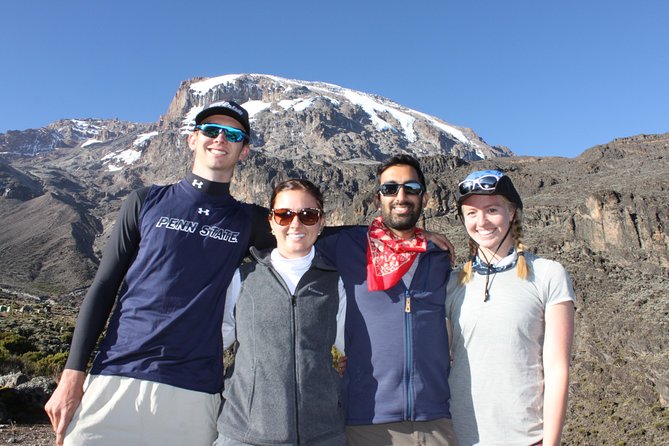
Reviewed · MACHAME ROUTE CLIMBS
Kilimanjaro Machame Route 7 Days
Kilimanjaro’s Machame Route gives you Tanzania in fast-changing chapters: rainforest, volcanic moorland, high alpine rock, and glacial summit terrain. Over seven days, you walk about 62 kilometers while climbing to Uhuru Peak, Africa’s highest point.
I like two things right away. The schedule gives you a useful acclimatization day around Barranco and Karanga, and the package includes the unglamorous details that matter on a mountain: warm washing water, purified drinking water, toilets, oxygen, radios, pulse oximeters, and a Gamow Bag. The main caution is simple: seven days is not an easy holiday. Summit night is long, cold, and demanding, and altitude can stop even fit people.
The essential details at a glance
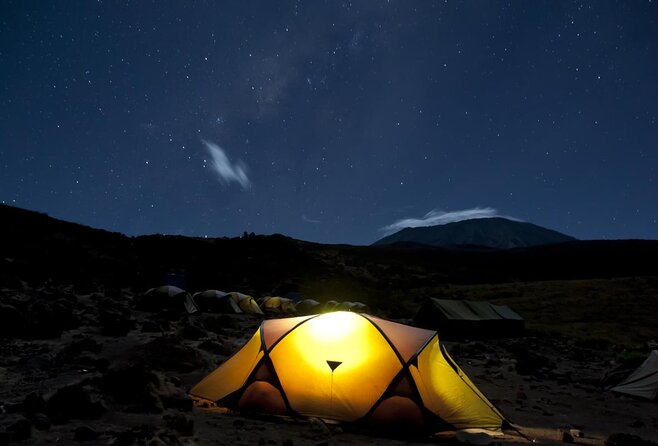
- Six walking days lead from Machame Gate to Uhuru Peak and back to Mweka Gate.
- The highest point is Uhuru Peak at 5,895 meters, or 19,341 feet.
- Lava Tower gives you a high-altitude climb before sleeping lower at Barranco Camp.
- Kilimanjaro Brothers includes airport transfers, Moshi hotel nights, meals, tents, water, guides, porters, and rescue fees.
- Emergency oxygen, radios, pulse oximeters, and a Gamow Bag add useful safety support.
- The private tour costs $2,669.88 per person and allows only your group to participate.
Why the seven-day Machame Route works
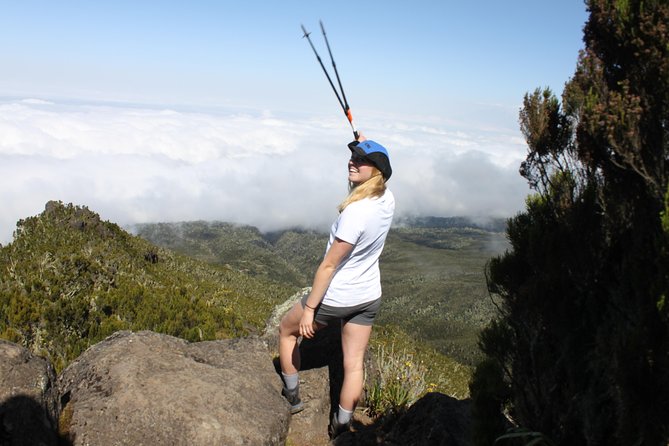
Machame is popular because it shows off Kilimanjaro’s changing scenery without rushing every day. The route starts in thick forest and gradually moves into colder, drier country. By the time you reach Barafu Camp, trees are long gone and the mountain feels stark and exposed.
The seven-day schedule is a better choice than a shorter climb for many people because it spreads the ascent across more walking days. Day 3 is especially useful for acclimatization: you climb to Lava Tower at 4,630 meters, then descend to Barranco Camp at 3,976 meters. That high point followed by a lower sleeping altitude gives your body more time to adjust.
I also like that this is a private activity. You are not assigned to a large mixed group, so your party can share a pace and make decisions with the guide team. The exact number of people in your group is not specified, but only your own group participates.
There is a practical tradeoff. The price is high, yet Kilimanjaro permits, park fees, rescue charges, staff, equipment, food, transfers, and hotel nights add up quickly. You are paying for a full support operation, not just a guide who walks beside you.
More Machame Route climbs:
- Kilimanjaro climb, Machame Route (7-day)
★ 5.0 · 262 reviews - Climbing Kilimanjaro – Machame Route
★ 5.0 · 170 reviews - Climbing Kilimanjaro through 7 days Machame Route
★ 5.0 · 151 reviews
Day 1: Machame Gate to Machame Camp
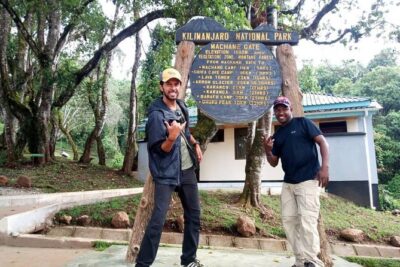
Your first mountain day begins with a drive from Moshi to Machame Gate, listed at 1,640 meters. Park entry and registration come before the walk, so this day may feel slow at the start. Once you enter the forest, the route becomes a steady climb toward Machame Camp at 2,850 meters.
The distance is about 11 kilometers, with five to six hours of walking. This is rainforest country, and the forest provides shade, moisture, and a gentle introduction to the climb. It is also where you begin to learn the rhythm of the trip: walk steadily, drink often, and avoid racing ahead early.
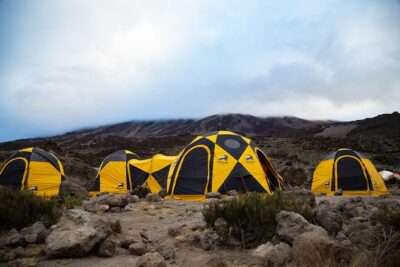
You sleep in a tent at Machame Camp. Tents, sleeping mats, toilet facilities, meals, and warm water for washing are included. That last item sounds minor before a climb, but it becomes a welcome comfort after a damp day on the trail.
Day 2: Shorter walking, higher sleeping altitude
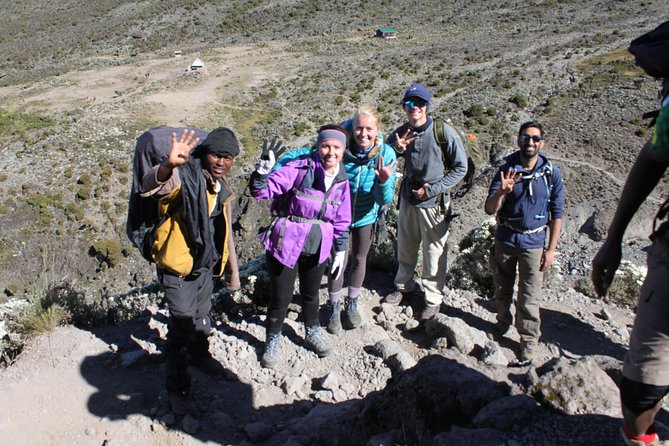
Day 2 covers only about five kilometers, but you climb from Machame Camp to Shira Camp 2 at 3,810 meters. The walk takes roughly five to six hours and leaves the rainforest behind for the low alpine zone.
This is a good example of why distance alone does not tell you how hard a day will be. Five kilometers uphill at altitude can feel tougher than a longer walk at home. Keep your pace slow and let the guides set the tempo.
Shira Camp 2 gives you wide mountain views and a colder night. The scenery becomes more open, but the exposure also means less shelter from wind and weather. You need warm layers ready, even if the day began in mild conditions.
Day 3: Lava Tower and the Barranco descent
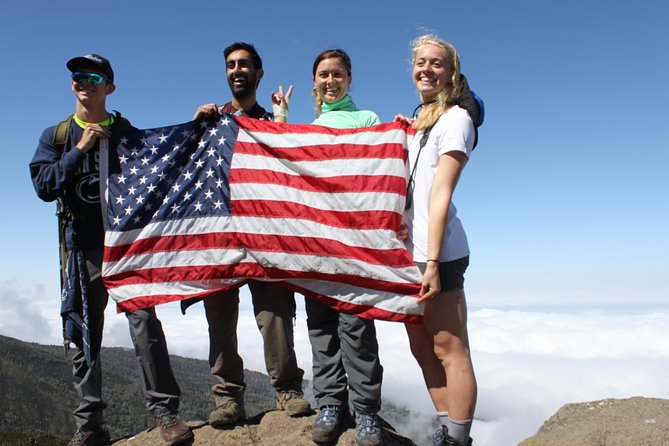
Day 3 is the longest regular walking day, about 10 kilometers and eight to nine hours. You climb from Shira Camp 2 to Lava Tower at 4,630 meters, then descend to Barranco Camp at 3,976 meters.
This is the day when the route’s acclimatization plan earns its keep. You spend time at a high altitude, then sleep lower. That does not guarantee a successful summit, but it is a sensible way to give your body more time to respond.
The walk moves through the low and high alpine zones. The scenery becomes more severe, with volcanic rock and sparse plant life replacing the forest. The climb to Lava Tower can feel slow, particularly if you have not handled altitude before.
Barranco Camp is one of the more memorable overnight stops because it sits below the Barranco Wall. The next morning brings a steep section, but Day 3 itself ends at a lower elevation than Lava Tower. Eat well, drink steadily, and tell your guide if you develop a headache, nausea, unusual tiredness, or other symptoms.
More seven-day trips in Kilimanjaro:
- Kilimanjaro climb by Lemosho Route (7-day)
★ 5.0 · 651 reviews - 7-Day Machame Kilimanjaro Summit Tour from Arusha
★ 5.0 · 125 reviews - 7 Days Kilimanjaro via Machame route affordable price
★ 5.0 · 110 reviews - Private Kilimanjaro Hike 7 Day Lemosho Route
★ 5.0 · 60 reviews
Day 4: Barranco Wall to Karanga Valley
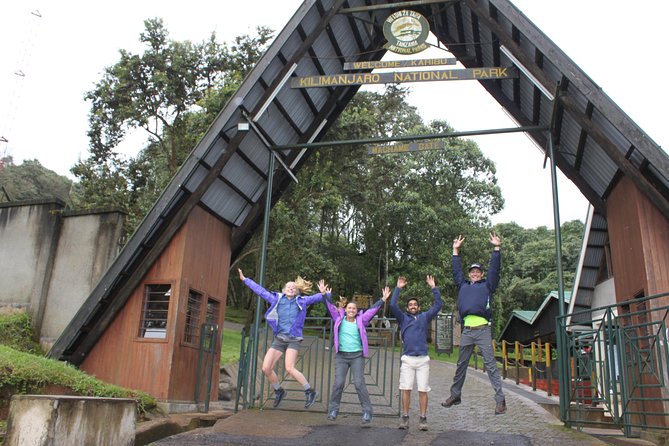
Day 4 is short by Kilimanjaro standards: about four kilometers and four to five hours from Barranco Camp to Karanga Valley Camp at 3,995 meters. The route remains in the high alpine zone.
The shorter day gives you time to recover after Lava Tower. It also provides a chance to focus on careful footwork rather than simply covering ground. The approach to Karanga involves climbing and descending through rough mountain terrain, so trekking poles can be useful, though personal equipment details are not specified in the package.
Karanga Camp is close in elevation to Barranco, but the day still matters. You are building strength before the move to Barafu, and the slower schedule helps keep fatigue from piling up too quickly.
Day 5: Karanga Valley to Barafu Camp
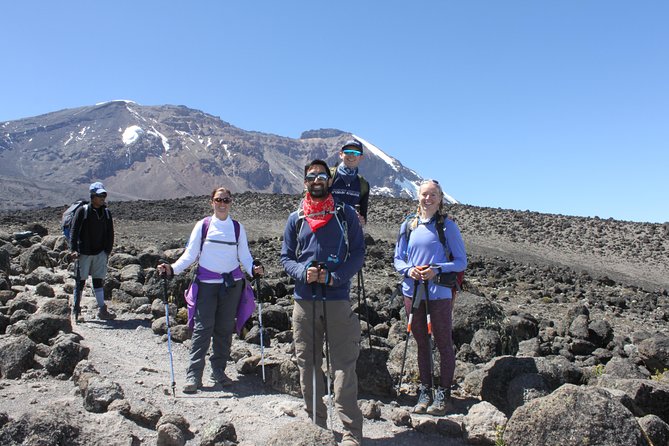
Day 5 covers about four kilometers and takes roughly four hours. You climb to Barafu Camp at 4,673 meters, the high camp for the summit attempt.
This is not a long walking day, but Barafu is where the climb becomes serious. The camp is high, cold, and exposed. You need to organize your summit clothing, headlamp, water, snacks, and day pack before resting.
A porter carries your day pack during the summit attempt, which is a valuable detail. You still need to carry personal essentials, but removing some weight can make a real difference during the night climb.
The schedule does not provide a detailed hour-by-hour summit departure. Ask the company for the exact plan before you go. The supplied walking time for the summit day appears to cover the climb to Uhuru Peak, while the full summit push and descent can be much longer in practice. You should prepare for a demanding overnight effort, not a simple four-hour walk.
Day 6: Uhuru Peak and the descent to Mweka Camp
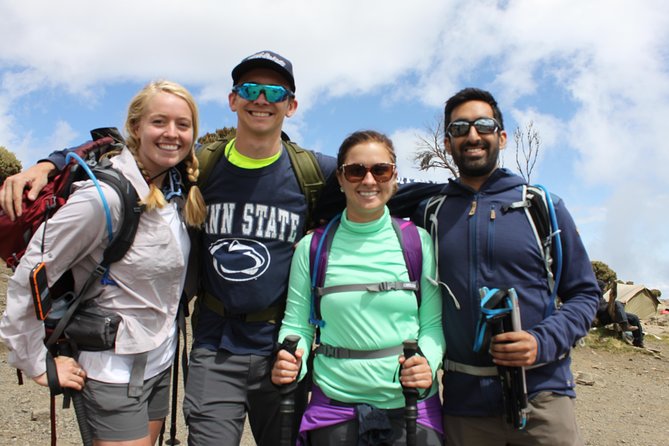
Summit day takes you to Uhuru Peak at 5,895 meters. The route passes through the glacial zone and the zones below it. The stated walking distance is about 12 kilometers, with four to six hours listed for the ascent.
At the top, you reach the highest point in Africa. The physical achievement is clear, but the weather and altitude may limit how long you can stay. The summit is not the place to linger if you are cold, unwell, or losing energy.
After reaching Uhuru Peak, you descend to Mweka Camp, listed at about 10,000 feet. The descent is a relief for your lungs but can be hard on tired knees and feet. This is why the support team matters. Guides can monitor your condition, help keep the party together, and decide when a slower pace or extra attention is needed.
Kilimanjaro Brothers supplies emergency oxygen, a Gamow Bag, rescue fees, VHF radios, and pulse oximeters. These tools do not remove the risks of altitude, but they show that the operation is set up around mountain safety rather than just reaching the summit.
Day 7: Rainforest descent and the return to Moshi
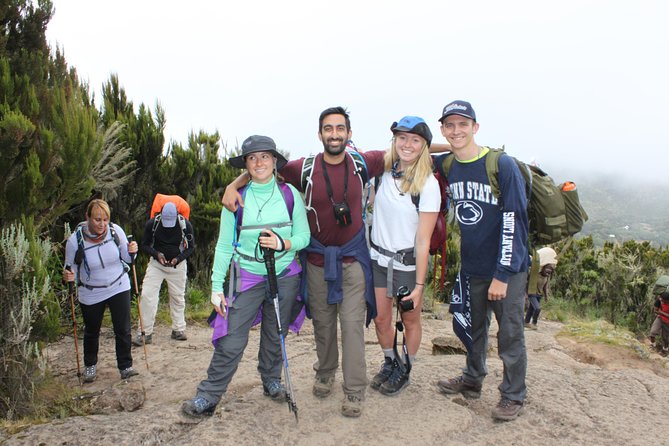
The final day takes you from Mweka Camp to Mweka Gate. The route returns to rainforest conditions, with about three to four hours of descent and roughly 10 kilometers listed for the walk.
The supplied schedule contains conflicting distance and elevation figures for this day, so confirm the exact route details before departure. It consistently describes the finish as Mweka Gate, followed by transport back to your previous hotel.
At the hotel, the program includes a certificate and summit party ceremony. You also have the chance to wash properly, rest in a bed, and enjoy a less hurried meal after several nights in a tent.
What the support package really includes
The strongest part of this trip is the amount of mountain support built into the price. You receive an English-speaking professional guide team, porters, full meals, tents, sleeping mats, dining furniture, toilet tents, purified water, and warm washing water.
The food is described as plentiful, fresh, healthy, and built around substantial portions. That matters because you need regular meals on a climb that lasts all day. Vegetarian preferences or medical diets are not described, so ask about them before booking if they affect you.
The company also supplies high-powered solar LED lights, aluminum dining tables, and chairs with backs and armrests. These are not luxury touches, but they make camp life more manageable. A chair with back support is welcome after hours of walking.
The package includes two nights of hotel accommodation before and after the trek, though the accommodation description uses both classic standard and comfort hotel categories. Ask which category applies to your booking and whether both nights are in the same hotel.
Airport pickup and departure transfers are included. The company’s staff names connected with the operation include George Mtaki, Mo, and Kelvin, though your assigned guide is not specified. Confirm who will meet you and who will lead your climb.
Price, value, and what you still pay for
At $2,669.88 per person, this is a major expense. Still, the price includes government taxes, park entrance fees, rescue fees, transport in the destination, hotel nights, all mountain meals, equipment, guides, porters, and airport transfers.
That list makes the cost easier to understand. A cheaper quote may not include the same safety equipment, hotel nights, staff numbers, or park charges. Compare the total package, not just the advertised starting price.
You still need to budget for tips, a Tanzania visa on arrival, laundry, telephone use, beverages, and optional trips such as a safari. Tips are not included, and the company does not state a recommended amount, so ask for current guidance before you arrive.
The ethical treatment of porters is also specifically included. That is worth asking about in practical terms: how porter loads are managed, how staff are paid, and what welfare standards the company follows. A responsible climb should protect the people who make the climb possible.
Who should book this climb
This route suits you if you want a serious physical challenge with a full support team and a private group setting. You do not need previous Kilimanjaro experience, but you do need moderate physical fitness and the ability to walk uphill for several hours on consecutive days.
You should be comfortable with basic tent camping and changing conditions. The package includes useful comforts, but this is still a mountain trip. You will sleep at high altitude, walk on uneven ground, and face cold conditions near the summit.
The route may suit you less if you want a relaxed sightseeing holiday, dislike early starts, or need a guaranteed summit. No operator can promise that every climber will reach Uhuru Peak. Altitude, weather, illness, and fatigue can change the plan.
Booking advice and cancellation terms
Confirmation is provided at booking. The experience offers free cancellation if you cancel at least 24 hours before the local start time. Changes or cancellations inside that window are not refundable, and poor weather may lead to a new date or a full refund.
Before paying, ask for the exact hotel names, guide arrangements, group size, summit-day schedule, porter policy, meal options, and current equipment list. These questions are especially useful because the package includes both standard and comfort accommodation descriptions.
Should you book the seven-day Machame Route?
I would choose this trip if you want a private, well-supported Kilimanjaro climb and value practical safety equipment, hotel transfers, full meals, and a slower seven-day schedule. The Lava Tower to Barranco day and the extra night before the summit make the plan more sensible than a rushed climb.
I would not choose it without preparing properly. The price is substantial, the summit day is demanding, and the schedule contains a few details worth clarifying, especially the final-day distances and accommodation category.
For a fit person who accepts that reaching the summit is never guaranteed, this is a strong package. Contact Kilimanjaro Brothers before booking, confirm the operational details, and treat the mountain as a serious expedition rather than a long walk with a view.
FAQ
How long is the Kilimanjaro Machame Route experience?
The experience lasts about seven days. It includes six full days of walking and hotel accommodation in Moshi before and after the mountain trek.
How high is Uhuru Peak?
Uhuru Peak is 5,895 meters high, or 19,341 feet.
How far do you walk in total?
The total distance is listed as about 62 kilometers, or 37 miles, across the trek.
Are airport transfers included?
Yes. Arrival and departure transfers are included, along with transportation in the destination.
Are meals included during the climb?
Yes. Breakfast, lunch, and dinner are included during the mountain trip. The package describes the food as fresh, healthy, nutritious, and served in large portions.
Is this a private tour?
Yes. Only your own group participates in the activity.
What is not included in the price?
Tips, a Tanzania visa on arrival, personal expenses such as laundry, telephone use, and beverages, and optional tours such as a safari are not included.
Just added around Kilimanjaro
- 6 days Machame route climbing Mt.Kilimanjaro★ 5.0 · 8 reviews
- machame route★ 5.0 · 16 reviews
- Mt Kilimanjaro 6 days Marangu route hike★ 5.0 · 3 reviews
- Private Cycle to Kilimanjaro Bike Park Safari★ 5.0 · 6 reviews
- West Kilimanjaro cycling Adventures★ 4.5 · 8 reviews
- Kilimanjaro Climb • Marangu Route ~ 9 Day★ 5.0 · 4 reviews
- 3 Days Private E-Bike Tour in West Kilimanjaro★ 5.0 · 3 reviews
- Kilimanjaro Climb • Machame Route ~ 10 Day★ 5.0 · 6 reviews
Machame Route Climbs, compared.
The Best of Machame Route in 6 Days: Your World’s Summit Guide
Read our review →Browse the lists this tour appears in