
Reviewed · LEMOSHO ROUTE CLIMBS
Kilimanjaro Climb- Lemosho Route
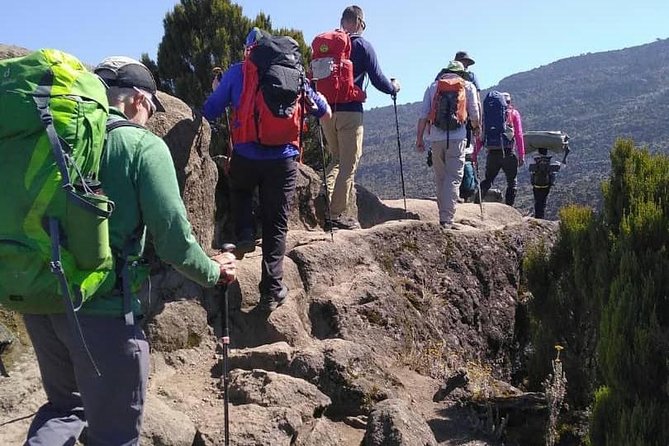
The Lemosho Route is Kilimanjaro’s scenic choice, with broad mountain views and fewer crowds than some older routes. Wild Root Safaris focuses heavily on this trail, and its guide team includes Kennedy, Noel, and Lucia, names that come up often in the company’s Kilimanjaro work.
I like two things right away: the route’s balance of scenery and lower crowd levels, and the practical support built into the price, including airport transfers, camping equipment, meals, and a full crew. The main drawback is simple: this is a hard mountain climb, not a casual walk. You need moderate fitness, and summit day can be a very long, punishing effort.
Key points at a glance
- Lemosho’s western approach: You get panoramic views on several sides of Kilimanjaro, with a route known for attractive scenery and lighter foot traffic.
- A proper Arusha arrival day: Airport pickup, a hotel stay, a team briefing, and an equipment check help you get organized before the mountain.
- Strong guide support: Kennedy, Noel, Lucia, and other Wild Root staff are associated with the company’s Lemosho climbs.
- Camping equipment supplied: Tents, mattresses, sleeping bags, tables, and chairs are included, which saves you from carrying or renting the biggest items.
- Meals and transfers included: Bottled water, breakfast, lunch, dinner, airport pickup, and airport drop-off are part of the package.
- A serious physical challenge: You should expect a demanding climb, with summit day requiring particular stamina and determination.
Why Lemosho is worth considering
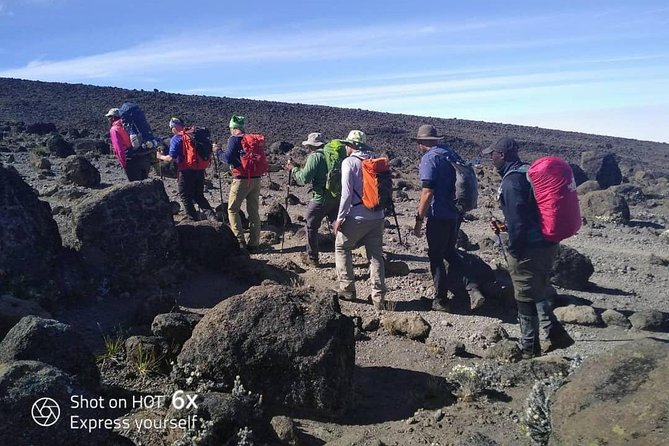
Kilimanjaro has several routes, but Lemosho is appealing because it combines scenery, a quieter feel, and a good chance of reaching the summit. The trail gives you changing views around the mountain rather than keeping you on one narrow approach for the whole climb.
That variety matters. You are not simply paying to walk uphill. You are choosing a route that lets you see different sides of Africa’s highest mountain, with wide views at several points along the way. The route is also newer than some of Kilimanjaro’s more established paths, which helps explain its reputation for lighter crowds.
I would look closely at Lemosho if you want the mountain experience to feel less rushed and more scenic. It is also the route Wild Root Safaris uses most often, so the company’s guides and support team should be familiar with its demands.
The supplied price is $3,005.13 per person. That is a substantial amount, but it includes major practical items: camping gear, meals, bottled water, airport transportation, parking fees, and the staff support needed for a guided climb. You should still ask for a precise breakdown of any landing, facility, or park-related charges before paying, since those items are not included.
More Lemosho Route climbs:
- Kilimanjaro climb by Lemosho Route (7-day)
★ 5.0 · 651 reviews - Kilimanjaro Climbing Lemosho Route 8 Days.
★ 5.0 · 186 reviews - 8-Day Small-group Lemosho Kilimanjaro Summit Trekking
★ 5.0 · 186 reviews
Your first day in Arusha
Your trip begins with pickup at Kilimanjaro Airport. A driver takes you to Mvuli Hotel in Arusha, giving you a chance to rest after the flight and prepare for the climb.
This arrival day is more important than it sounds. Kilimanjaro is not the place to discover at the last moment that a sleeping bag, jacket, or pair of walking shoes is missing. The afternoon gives you time to settle in, and you can visit Arusha if you want to see more of the town. You will need a taxi for that outing.
Later in the day, the Kilimanjaro team meets you at the hotel. The briefing covers the trek ahead, and the staff checks your equipment. Use this moment well. Ask about anything you do not understand, especially the items you are expected to bring yourself.
Dinner is included. Breakfast and lunch are also listed as included parts of the package, although the supplied arrival-day details specifically mention dinner. I would confirm the exact meal schedule and hotel arrangements before departure.
The start time shown for the experience is 8:00 a.m. in Arusha. The overall tour information gives a duration of 6 hours to one day, but the actual Kilimanjaro climb is clearly a multi-day undertaking. The company’s own trip examples include seven-day and eight-day Lemosho climbs, while one separate account describes a six-day climb on the Marangu Route. Confirm the exact number of mountain days for your booking, since this is the most important timing detail.
What the mountain support includes
Wild Root supplies the main camping equipment: a tent, mattress, sleeping bags, table, and chairs. That is useful because these are bulky, costly items that can complicate an independent climb.
Meals are included, along with bottled water. Airport pickup and drop-off are also covered, which takes some of the stress out of arriving in Tanzania and leaving after the climb. Parking fees are listed as included too.
The size of the support team can be large on group climbs. One Lemosho party of 11 people had a crew of 46 guides, porters, and cooks. Another group of 10 hikers had 44 crew members. Those numbers show how much organization a Kilimanjaro climb can require, but they also raise an important question about tipping and staff arrangements.
One group specifically appreciated shared tipping, which suggests you should ask the company for its current tipping guidance before the climb. You do not want confusion at the end of a demanding trip, especially when many people may be involved behind the scenes.
You must provide or arrange walking sticks and other mountain gear yourself. Alcoholic drinks are not included. Airport or departure tax is also excluded, as are landing and facility fees. Those small phrases can add to the final cost, so ask for a written list of extras.
The guides and the human side of the climb
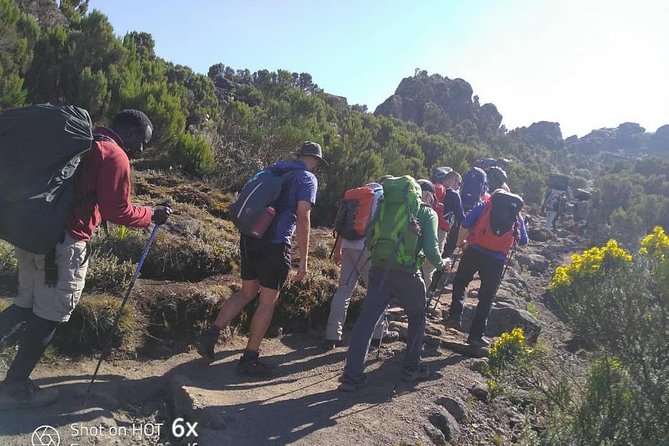
A Kilimanjaro guide can make a major difference. You need people who keep an eye on your pace, offer encouragement when the altitude and fatigue begin to bite, and explain what is happening without making the day feel tense.
Kennedy and Noel are two guides connected with Wild Root’s Lemosho climbs. Lucia is another prominent member of the team, and she has led larger groups with a personal approach. Mathew, identified as the company owner, has also been involved in looking after climbing groups and combined mountain and safari trips.
The praise directed at this team focuses on support, honesty, professionalism, and encouragement. Those are the qualities I would want most on Kilimanjaro. You are not looking for theatrical guiding. You need clear instructions, patience, and a team that keeps working when the route becomes difficult.
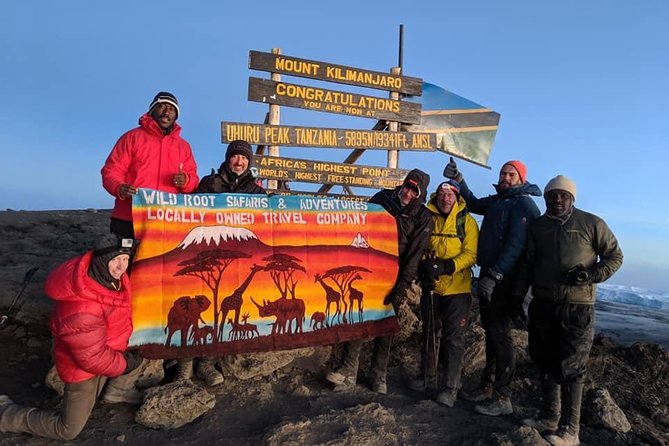
The strongest results described by the company’s customers came from group success at the summit. Several groups report that everyone in the party reached Uhuru Peak, including one Lemosho group of seven. That is encouraging, but it should not be treated as a promise. Mountain weather, fitness, altitude response, and pacing vary from person to person.
One account describes the Western Breach as the most challenging way to reach the summit. That is not the standard choice for every Lemosho booking, so ask directly if your planned route includes it. You should know the summit approach before you arrive, since the difficulty can differ greatly.
More treks and hikes around Kilimanjaro:
- Kilimanjaro climb, Machame Route (7-day)
★ 5.0 · 262 reviews - Climbing Kilimanjaro – Machame Route
★ 5.0 · 170 reviews - Climbing Kilimanjaro through 7 days Machame Route
★ 5.0 · 151 reviews - Kilimanjaro climb, Lemosho Route (8-day)
★ 5.0 · 148 reviews
Scenery, crowds, and the Lemosho advantage
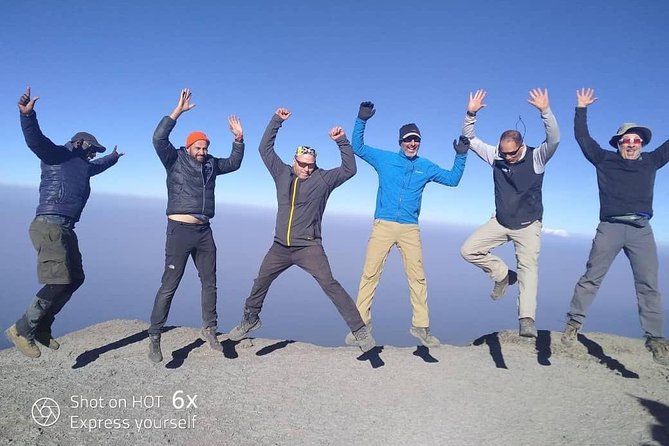
The main reason to choose Lemosho is the view. The route offers panoramic sights on different sides of Kilimanjaro, giving you a fuller sense of the mountain than a straightforward ascent might provide.
The lower crowd levels are another benefit. A quieter route can make rest stops feel less crowded and can give you more room to set your own rhythm. It does not mean you will have the mountain to yourself, but Lemosho is promoted as a less crowded option than many other routes.
I also like that the route is considered a good balance rather than an extreme choice. It is scenic without being selected only for scenery, and it is associated with a high summit success rate without being presented as easy.
You should keep your expectations grounded. Panoramic views do not remove the effects of altitude, cold, fatigue, or weather. The company notes that the experience requires good weather, and a poor-weather cancellation may lead to a new date or a full refund.
Fitness, pace, and the hard part
The required fitness level is listed as moderate, but you should interpret that carefully. A Kilimanjaro climb is not comparable to a few hours walking around town. You need to be comfortable with sustained uphill effort and several days of physical activity.
Summit day is the key test. One group described it as a very hard slog, even though the whole party succeeded. That phrase tells you more than a simple success percentage. You may reach the top, but the final push can still be exhausting.
The guides’ encouragement is valuable here, yet no guide can remove the physical demands. You should arrive with suitable mountain clothing, sturdy footwear, and any personal equipment required by the operator. Walking sticks are not included, so decide in advance if you want to bring or rent them.
The route’s success record should give you confidence, not complacency. The best way to improve your own chances is to take the preparation seriously, follow the guide’s pace, and be honest about how you feel.
Price and practical value
At $3,005.13 per person, this is not a budget outing. It becomes easier to judge once you count what is included: airport pickup and drop-off, camping equipment, meals, bottled water, parking fees, and a professional mountain crew.
You are also paying for organization. A climb that involves guides, porters, cooks, transport, equipment, and camp arrangements is difficult to arrange alone. The Arusha briefing and equipment inspection add another useful layer before you set out.
Still, the price is not the final figure until you confirm excluded charges. Airport or departure tax, alcohol, walking sticks, other mountain gear, landing fees, and facility fees are not included. Ask for current details in writing and make a realistic personal budget for clothing, tips, and equipment.
The private-tour format is another point to understand. Only your group participates, so you are not automatically placed with strangers. That can be useful if you want a familiar pace and a more personal arrangement. It also means your own group’s fitness and preferences will shape the experience.
Who should book this climb
I would recommend this route to a fit hiker who values scenery and wants a guided Kilimanjaro experience with substantial support. It makes sense for people who prefer a quieter trail and want airport transfers, camping gear, meals, and an Arusha briefing handled in advance.
It is also a good match for a private group. Friends, family, or a small organized party can benefit from having their own booking and guide arrangement.
I would hesitate if you are looking for a short excursion, a low-cost outdoor activity, or a trip with little physical strain. The headline duration can be confusing, so you must confirm the full mountain schedule. You should also be ready for additional gear and fees outside the listed price.
Free cancellation is available if you cancel at least 24 hours before the start time. Changes made inside that period are not accepted, and a late cancellation is not refunded. If bad weather forces cancellation, you are offered a different date or a full refund.
Should you book the Wild Root Lemosho climb?
I would book it if your priorities are scenery, lower crowds, and strong guide support. The Lemosho Route is a sensible Kilimanjaro choice, and the included camping equipment and airport transfers make the planning easier.
Before paying, get the exact number of climbing days, the summit route, the full list of park and facility charges, the tipping guidance, and the gear checklist. If Wild Root confirms those points clearly, this looks like a well-supported way to tackle Kilimanjaro, provided you respect the mountain and prepare for a very demanding summit day.
FAQ
Where does the Kilimanjaro climb begin?
The experience begins in Arusha, Tanzania. Airport pickup is provided from Kilimanjaro Airport, and the listed meeting time in Arusha is 8:00 a.m.
Is airport transportation included?
Yes. Airport pickup and drop-off are included in the package.
What camping equipment is provided?
The package includes a tent, mattress, sleeping bags, table, and chairs.
Are meals included?
Breakfast, lunch, dinner, and bottled water are listed as included. Confirm the exact meal schedule for each day before departure.
Do I need to bring walking sticks?
Yes, you need to arrange walking sticks yourself because they are not included. Other personal mountain gear is also excluded.
What fitness level is required?
The experience is intended for people with a moderate level of physical fitness. The climb is demanding, and summit day can be especially strenuous.
Can I cancel for a full refund?
You can receive a full refund if you cancel at least 24 hours before the experience start time. Cancellations inside 24 hours are not refunded. If poor weather causes the experience to be canceled, you are offered another date or a full refund.
Just added around Kilimanjaro
- 6 days Machame route climbing Mt.Kilimanjaro★ 5.0 · 8 reviews
- machame route★ 5.0 · 16 reviews
- Mt Kilimanjaro 6 days Marangu route hike★ 5.0 · 3 reviews
- Private Cycle to Kilimanjaro Bike Park Safari★ 5.0 · 6 reviews
- West Kilimanjaro cycling Adventures★ 4.5 · 8 reviews
- Kilimanjaro Climb • Marangu Route ~ 9 Day★ 5.0 · 4 reviews
- 3 Days Private E-Bike Tour in West Kilimanjaro★ 5.0 · 3 reviews
- Kilimanjaro Climb • Machame Route ~ 10 Day★ 5.0 · 6 reviews