
Reviewed · GROUP JOINING SAFARIS
#1. Best 7 days kilimanjaro trek Machame route join group
The best part of this seven-day Kilimanjaro trek is the steady change in scenery. You begin among rainforest birds and colobus monkeys, cross the open Shira Plateau, scramble up Barranco Wall, and finish at Uhuru Peak, 5,895 meters above sea level. It is a proper mountain journey, not just a long walk to a viewpoint.
I like the route’s acclimatization pattern, especially the climb to Lava Tower followed by a descent to Barranco Camp. I also like the shorter days before the summit, which give you time to rest. The main concern is cost clarity: the advertised $900 does not appear to include national park fees, and one detailed account puts extra fees and tips at roughly $1,250.
Key points
- Seven days on Machame Route: You pass through rainforest, moorland, alpine desert, and the Arctic summit zone.
- Lava Tower acclimatization: Day three takes you to 4,600 meters before dropping to Barranco Camp.
- Barranco Wall scramble: This is the most hands-on section before the final summit effort.
- Midnight summit attempt: You leave Barafu Camp for Stella Point and Uhuru Peak, then descend to Mweka Camp.
- English-speaking support: A professional guide leads the trek, but guide names and group size are not provided.
- Check the real price: National park fees are excluded, and extra porter, guide, and tipping costs may be substantial.
A scenic route with a serious summit day
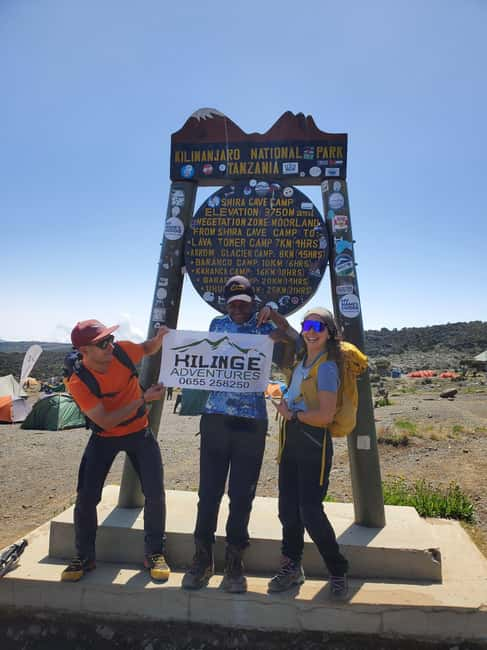
Machame is often chosen for its changing scenery, and this seven-day version gives you a strong sample of Kilimanjaro’s natural zones. You start at 1,800 meters in the montane rainforest and eventually reach the cold, barren summit zone. The contrast is the main reward.
The trek is not technically described as a climbing expedition, but it is physically demanding. You walk for several hours on most days, sleep at high altitude, and face a summit day of 10 to 14 hours. The final climb is followed by a long descent, so you need fitness, patience, and a willingness to move slowly.
This trip is offered at $900 per person, with transport from a Moshi hotel to the gate, meals, drinking water, camping equipment, a sleeping mattress, and a professional English-speaking guide included. That price looks attractive for a seven-day Kilimanjaro trek, but you should not treat it as the complete cost until the park fees and other charges are confirmed in writing.
More Machame Route climbs:
- Kilimanjaro climb, Machame Route (7-day)
★ 5.0 · 262 reviews - Climbing Kilimanjaro – Machame Route
★ 5.0 · 170 reviews - Climbing Kilimanjaro through 7 days Machame Route
★ 5.0 · 151 reviews
Day 1: Machame Gate to Machame Camp
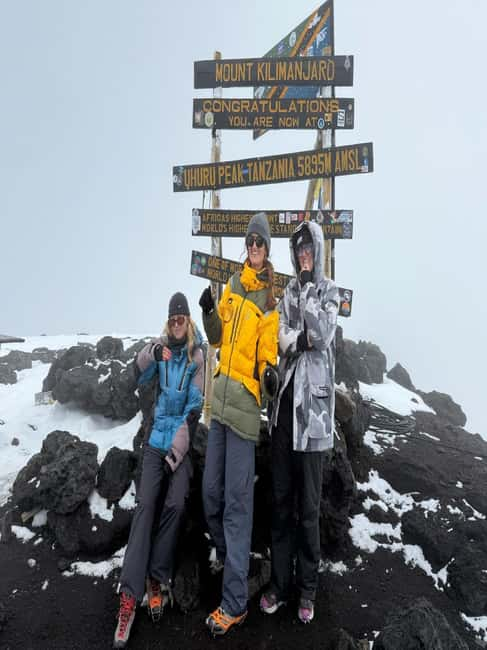
The first day begins at Machame Gate, where registration takes place. From there, you walk into the montane rainforest, with the route rising from 1,800 to 2,835 meters.
The stated distance is 1 kilometer, while the walking time is five to seven hours. Those figures do not match neatly, so ask the operator to confirm the actual trail distance before you go. The important point is that this is a full first day, not a short introductory stroll.
The forest is a fine opening scene. You can expect thick vegetation, colorful birds, and the possibility of seeing colobus monkeys. The air is usually cooler and damper than in town, and the trail may feel more enclosed than the open country above.
Machame Camp is your first overnight stop. Dinner and rest are part of the evening, and the camp setting gives you your first chance to settle into the mountain routine: walk, eat, dry what you can, and sleep.
Day 2: Moorland and the Shira Plateau
You leave the rainforest behind on day two and climb into the moorland zone. The route rises from 2,835 to 3,750 meters, with four to six hours of walking listed for the day.
The ground becomes steeper and rockier, but the reward is space. You gain views toward the Shira Plateau and Kibo Peak, the volcanic summit cone that dominates the upper mountain. After the enclosed forest, this wider setting helps you understand the scale of Kilimanjaro.
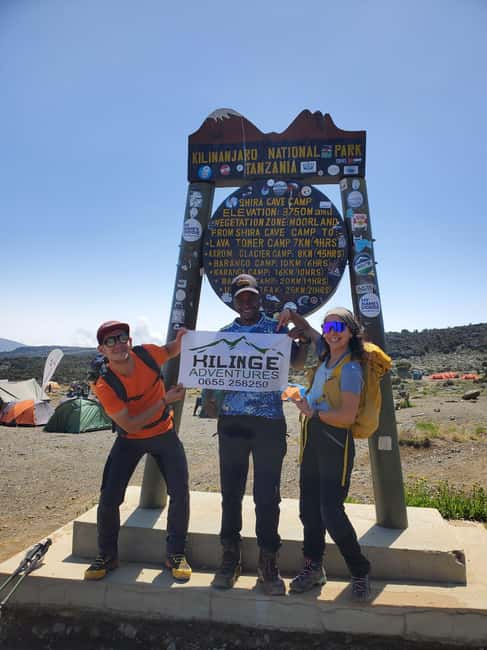
Shira Camp is high enough that altitude begins to matter. Walk at a slow pace, drink the supplied water regularly, and pay attention to how you feel. The schedule allows an overnight stay at 3,750 meters before the route climbs higher, which is useful preparation for the summit attempt later.
Day 3: Lava Tower before Barranco Camp
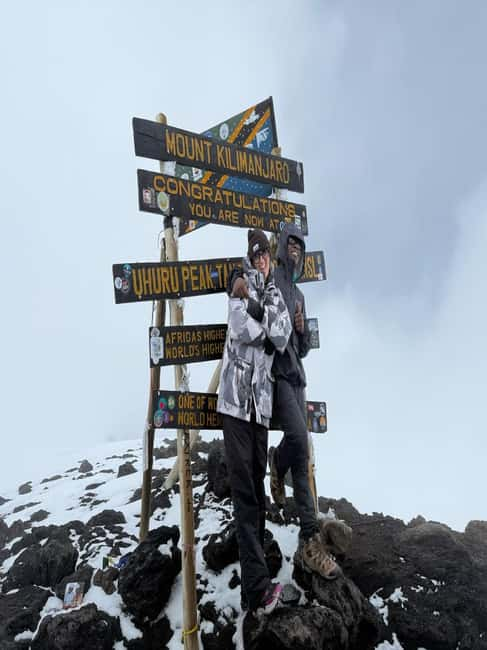
Day three is one of the most useful days in the plan. You climb from Shira Camp to Lava Tower at 4,600 meters, then descend to Barranco Camp at 3,900 meters.
This is a classic high-climb, low-sleep arrangement. Your body gets time at a higher elevation, but you spend the night lower than the day’s highest point. The route crosses alpine desert, with fewer plants and a harsher, more exposed feel than the forest below.
The walking time is seven to eight hours over about 10 kilometers. You should expect the altitude to slow you down. Lava Tower is a natural place for a break, and the descent to Barranco Camp gives the day a more manageable finish.
Barranco Valley is known for its giant senecio plants, which give this section a distinctly Kilimanjaro feel. The camp also places you below the Barranco Wall, so you can see the next morning’s challenge before you tackle it.
More group joining safaris in Kilimanjaro:
- #1. Kilimanjaro 5-days hiking Marangu joining tour
★ 4.8 · 4 reviews - 4 Days Join Group tour Tarangire Serengeti and Ngorongoro crater
★ 5.0 · 219 reviews - 5 Days Tanzania Group Joining Safari, Tarangire/Serengeti/Ngorongoro Crater
★ 5.0 · 85 reviews - 3 Days 2 Nights Group Joining Serengeti and Ngorogoro Safari
★ 5.0 · 56 reviews
Day 4: The Barranco Wall and Karanga Camp
The Barranco Wall is the most distinctive physical feature on the route. You climb it by scrambling over rock rather than simply walking up a smooth path. It is described as exhilarating, but you should expect a hands-on section that may feel demanding if you dislike steep, uneven ground.
After the wall, the trail crosses ridges and valleys toward Karanga Camp. The day covers about 5 kilometers and takes four to five hours, with a modest gain from 3,900 to 4,035 meters.
I like this shorter schedule because it gives you a chance to recover after the previous day. It also lets you reach camp in time to eat, drink, and rest before the route gets higher again. Do not mistake a short distance for an easy day, though. Altitude and rough footing can make five kilometers feel much longer.
Day 5: Barafu Camp and preparation for the summit
From Karanga Camp, you climb four kilometers to Barafu Camp at 4,640 meters. The walking time is listed as four to five hours.
Barafu is the launch point for the summit attempt. There is little sightseeing on this part of the route compared with the rainforest or Barranco Valley. The main task is to arrive, eat, drink, and rest as much as possible before leaving around midnight.
This is where your equipment matters. Keep your warm layers, gloves, headlamp or flashlight, and water ready before you lie down. The supplied packing advice includes a jacket, gloves, socks, hiking pants, climbing gear, a daypack, a sleeping bag, and a power bank.
The information provided refers to hut accommodation but also includes camping equipment and a sleeping mattress. That needs clarification. Machame trips are commonly organized around camps, and the details here do not clearly explain where you sleep on each night. Ask specifically if the price covers tents, huts, mattresses, sleeping bags, and any camp fees.
Day 6: Uhuru Peak and the long descent
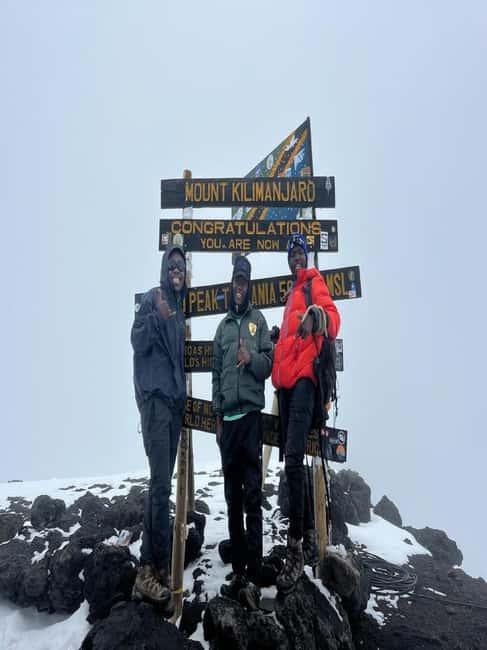
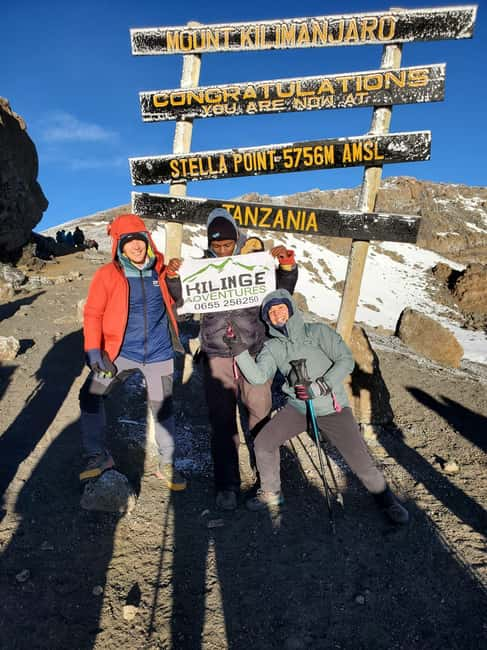
Summit day begins at midnight from Barafu Camp. You climb toward Stella Point, then continue to Uhuru Peak at 5,895 meters, the highest point on Kilimanjaro and the roof of Africa.
The summit section is the hardest part of the experience. You walk in darkness at first, gain more than 1,200 meters, and face cold conditions in the Arctic zone. The listed total for the day is 17 kilometers and 10 to 14 hours, ending at Mweka Camp after a major descent.
Reaching Uhuru Peak is the obvious goal, but you should measure success by staying safe and managing your energy. The route can feel slow, and the final climb may test your legs even if earlier days went well. Follow the guide’s pace and tell the guide promptly if you feel unwell.
After time at the summit, you descend toward Mweka Camp at 3,110 meters. This is welcome relief from the high altitude, but the descent still takes work. Your knees and feet may be tired, so trekking poles, good socks, and properly fitted boots can make a real difference.
Day 7: Mweka Gate and the return to town
The final morning takes you from Mweka Camp through rainforest to Mweka Gate. The listed distance is 10 kilometers, with three to four hours of walking.
This last section is a gradual return to lower altitude and thicker vegetation. It is not the dramatic finish of the summit day, but it gives you time to come down physically and mentally. At the gate, you collect your certificate of achievement before transferring to Moshi or Arusha.
The transfer matters if you have onward travel. The trip description allows a return to either town for rest or continued travel, but it does not state how long the vehicle journey takes. If you are connecting to a flight or safari, leave a generous buffer.
What the $900 price really means
At first glance, $900 per person is a low-looking price for seven days on Kilimanjaro. Meals, drinking water, transport from a Moshi hotel to the gate, camping equipment, a mattress, and a professional guide are included. Those items reduce the number of arrangements you need to make yourself.
The important catch is that national park fees are not included. One detailed account gives an additional figure of about $950 for entrance fees involving the participant, guide, and porters over seven days. It also lists tips of approximately $50 per accompanying person, with seven guides producing another $350.
That account gives a possible total of about $2,150, rather than $900. The arithmetic and exact fee categories need to be checked directly with KILINGE -ADVENTURES, since the supplied details do not explain the group structure or why seven guides are required.
I would ask for a written price sheet covering:
- National park entrance and conservation fees
- Guide and porter fees
- Camping or hut charges
- Meals and drinking water
- Transfers between hotel, gate, and town
- Sleeping mattress and camping equipment
- Expected tips and any other required payments
The value can be good if the $900 price is only the operator’s service charge and the extra fees are clearly explained before payment. It is poor value if you discover a large compulsory bill after arrival. Price clarity is especially important on a seven-day high-altitude trek, where changing operators at the last minute is not easy.
Hut accommodation, camping gear, and what to confirm
The accommodation details are the least clear part of the offer. It says you will stay in hut accommodation, unlike camping on other routes, but it also says camping equipment and a sleeping mattress are included.
Those details point in different directions. Before booking, ask where you sleep on each night of the Machame Route. Also ask if a sleeping bag is supplied, since the packing list tells you to bring one.
You should confirm what size daypack you need and what equipment the operator considers climbing gear. The supplied list mentions a flashlight rather than a headlamp, but a hands-free light is usually more useful when leaving Barafu around midnight. Do not assume it is included unless the company says so.
Food is included, but no menu or dietary information is provided. If you have allergies or dietary needs, tell the operator before departure and ask for a clear answer about what meals can be provided.
Who this trek suits best
I would recommend this experience to someone who wants a scenic Kilimanjaro route and is comfortable with long mountain days. You need to manage five to seven hours of walking on several days, then handle a 10 to 14-hour summit day followed by a descent.
The route also suits someone who values changing scenery. The rainforest, moorland, alpine desert, giant senecio plants, Barranco Wall, and summit zone make the week feel varied rather than repetitive.
I would be more cautious if you need a fixed all-in price, clearly stated accommodation, or a short and easy mountain holiday. The fee exclusions and hut-versus-camping wording require answers before you commit. The available information also does not give a group size or the names of the guides, so you cannot judge the personal feel of the group in advance.
The operator is identified as KILINGE -ADVENTURES, and English is the listed language. No individual guide names are supplied. That is not automatically a problem, but I would ask who leads the group and how many guides, cooks, and porters are assigned.
Booking advice and cancellation terms
You can reserve now and pay later, which keeps your plans flexible. Cancellation up to 24 hours in advance is stated to qualify for a full refund.
Those policies are useful, but they do not replace a written cost breakdown. Before you pay, get confirmation of the total amount, the park fees, accommodation type, guide arrangements, and the exact items included in the transport and equipment package.
Bring snacks, a jacket, gloves, socks, a sleeping bag, hiking pants, a daypack, trekking gear, a flashlight, and a power bank. The list is basic but sensible for a week that moves from wet rainforest to freezing summit conditions.
Should you book this Kilimanjaro trek?
Book it if you want the scenery and structure of the Machame Route, like the idea of a seven-day schedule, and are willing to confirm the extra charges before departure. The route has a strong progression, with Lava Tower for altitude practice, a memorable Barranco Wall scramble, and a full summit attempt from Barafu Camp.
I would not book at the advertised $900 alone. First get the real all-in price in writing, especially the national park fees and the possible guide, porter, and tip costs. Also settle the hut and camping question.
With those details clarified, this can be a rewarding Kilimanjaro package for a fit and prepared hiker. Without them, the attractive headline price may hide the biggest part of your budget.
FAQ
How long is the Kilimanjaro Machame Route trek?
The trek lasts seven days. It begins at Machame Gate and finishes at Mweka Gate, followed by transport to Moshi or Arusha.
What is the highest point reached?
The summit is Uhuru Peak at 5,895 meters, or 19,341 feet.
Are national park fees included in the $900 price?
No. National park fees are specifically excluded from the advertised price.
What accommodation is provided?
The information says hut accommodation is provided, but it also includes camping equipment and a sleeping mattress. Confirm the exact sleeping arrangements before booking.
What meals and supplies are included?
Meals and drinking water are included. You should also bring snacks and your own listed personal hiking equipment.
What language does the guide speak?
English is the listed language. The experience is led by a professional guide, but individual guide names are not provided.
More Seven-Day Trips in Kilimanjaro
- 7-Day Machame Kilimanjaro Summit Tour from Arusha
★ 5.0 · 125 reviews - 7 Days Kilimanjaro via Machame route affordable price
★ 5.0 · 110 reviews - Private Kilimanjaro Hike 7 Day Lemosho Route
★ 5.0 · 60 reviews - 7 Days Machame route – Kilimanjaro
★ 5.0 · 45 reviews
More Trekking Tours in Kilimanjaro
- Kilimanjaro climb by Lemosho Route (7-day)
★ 5.0 · 651 reviews - Kilimanjaro Climbing Lemosho Route 8 Days.
★ 5.0 · 186 reviews - 8-Day Small-group Lemosho Kilimanjaro Summit Trekking
★ 5.0 · 186 reviews - Kilimanjaro climb, Lemosho Route (8-day)
★ 5.0 · 148 reviews
Just added around Kilimanjaro
- 6 days Machame route climbing Mt.Kilimanjaro★ 5.0 · 8 reviews
- Mt Kilimanjaro 6 days Marangu route hike★ 5.0 · 3 reviews
- machame route★ 5.0 · 16 reviews
- Private Cycle to Kilimanjaro Bike Park Safari★ 5.0 · 6 reviews
- West Kilimanjaro cycling Adventures★ 4.5 · 8 reviews
- Kilimanjaro Climb • Marangu Route ~ 9 Day★ 5.0 · 4 reviews
- 3 Days Private E-Bike Tour in West Kilimanjaro★ 5.0 · 3 reviews
- Kilimanjaro Climb • Machame Route ~ 10 Day★ 5.0 · 6 reviews
Group Joining Safaris, compared.
4 Days Join Group tour Tarangire Serengeti and Ngorongoro crater
Read our review →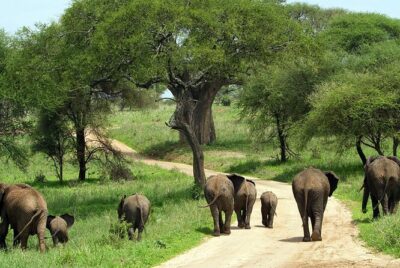
3 Days 2 Nights Group Joining Serengeti and Ngorogoro Safari
Read our review →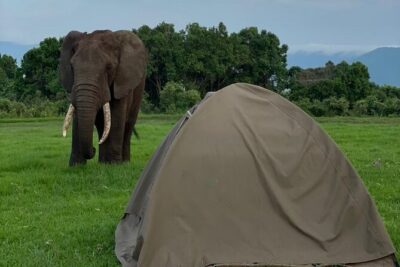
5 Days Tanzania Joining Safari with Pick Up Included Shared Tour
Read our review →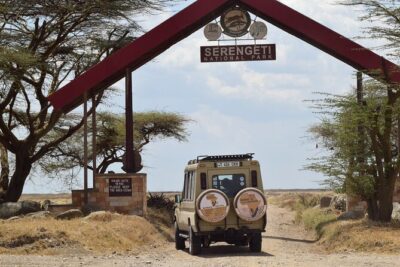
Amazing 4 Days Tanzania Budget Camping Group Joining Safari
Read our review →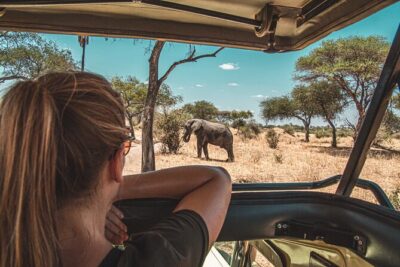
1-Day Fly in Shared Safari to Mikumi National Park from Zanzibar
Read our review →
Best 3 days Tanzania shared Safari Tarangire Ngorororo Manyara
Read our review →
Discover the group joining for 5-day Tanzania safari in 2025
Read our review →
1-Day Ngorongoro Crater Special Big 5- Joining Group Safari
Read our review →Browse the lists this tour appears in