Reviewed · KILIMANJARO TOURS
Pedal power the villages on foothills of Mt. Kilimanjaro
The best part of this ride is the way it gets you away from Moshi’s usual safari route and into the Chagga villages on Kilimanjaro’s foothills. You pedal through banana and coffee farms, stop at local centers and markets, and learn how people live on this sacred mountain land.
I like the chance to see ordinary village life, not just a polished tourist display. I also like that the tour includes a mountain bike, helmet, guide, lunch, and a full liter of water, which makes the $55 price easy to understand.
The main caution is fitness. This is not a gentle sightseeing spin. You need intermediate cycling skills and moderate physical fitness, and you should confirm the pickup details because private transportation is not included.
Key points at a glance
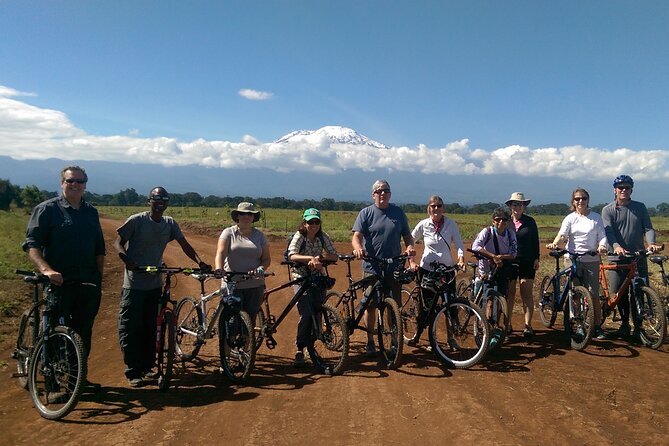
- Kibosho Magharibi puts you among banana farms, coffee plots, village centers, schools, and markets.
- Mweka adds a closer look at coffee production and its place in Tanzania.
- Guides such as Charles and Saït bring local history and everyday life into the ride.
- The tour is private, so only your own group participates.
- Lunch, bottled water, a mountain bike, and a helmet are included in the $55 price.
- Intermediate cycling ability and moderate fitness are important, not optional extras.
Riding into the Kilimanjaro foothills
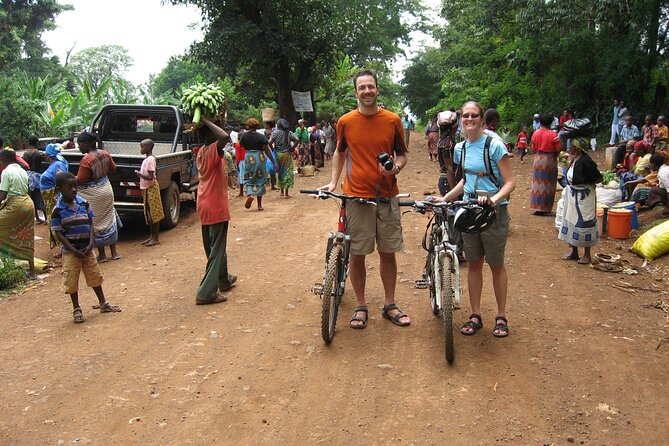
I like this tour because it treats the foothills as a lived-in place rather than a backdrop for a photograph. The route passes through villages occupied by Chagga people, with stops that connect the scenery to daily life, farming, education, trade, and local tradition.
You will spend about five to six hours on the experience. The supplied schedule gives roughly three hours to Kibosho Magharibi and one hour to Mweka, with the remaining time allowing for cycling, stops, lunch, and the end of the ride in Moshi.
That timing matters. You are not simply being driven to a coffee plantation, shown a few plants, and sent back. The bicycle makes the movement part of the experience. You see the area at a slower pace, and you can stop regularly rather than watching village life pass behind a vehicle window.
The ride is offered as a private activity. That is useful if your group wants to stop often, ask questions, or set a comfortable rhythm without being tied to strangers. It also means you should be clear about the meeting arrangement before setting out. The listed start is Mr. Price Village on Kilimanjaro Road, while the ride ends at Coffee Union Cafe in central Moshi.
A few more Kilimanjaro trips worth comparing
- Kilimanjaro climb by Lemosho Route (7-day)
★ 5.0 · 651 reviews - Kilimanjaro climb, Machame Route (7-day)
★ 5.0 · 262 reviews - Kilimanjaro Climbing Lemosho Route 8 Days.
★ 5.0 · 186 reviews
Kibosho Magharibi: farms, villages, and daily life
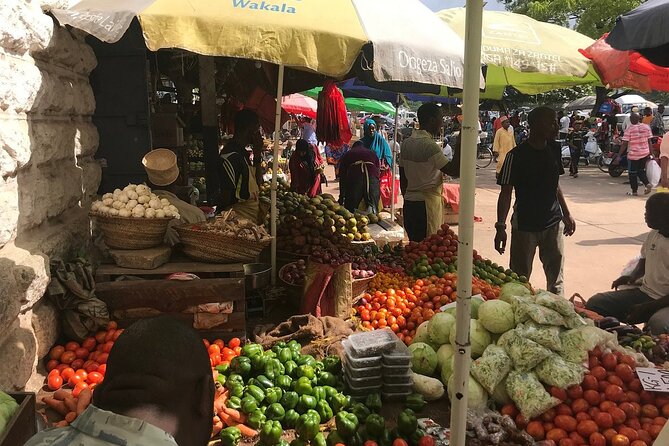
Kibosho Magharibi is the heart of the tour. You ride in and out of local villages, passing through banana and coffee farms and stopping at village centers, a local school, and markets.
I find this mix more useful than a sightseeing route with only one attraction. Each stop gives you another piece of the area. Farms explain how people use the foothills. Markets show the local trading side of life. A school offers a glimpse of community services. Village centers provide a chance to see how people meet, shop, and move through the day.
The Chagga connection is central here. Your guide explains the people who inhabit this part of Kilimanjaro, along with their customs and the history of the area. The goal is not just to point out a banana tree or a coffee plant. It is to help you understand why farming and village life developed where they did.
The route also covers the story and legend of Kilimanjaro. That adds a cultural layer to the mountain views and helps place the ride in a wider Tanzanian setting. You are learning about a mountain that carries practical, historical, and sacred meaning for the people living around it.
Expect regular stops rather than a nonstop race. That is good for anyone who wants time for explanations and photographs. It also means the five to six hours can feel full, especially if you are not used to riding a mountain bike for several hours.
The school and market stops are not presented as formal performances. That is one of the tour’s strengths. You are visiting places that are part of village life, so you should behave with the same courtesy you would use anywhere else. Listen to your guide about photography and avoid treating people as scenery.
Mweka and the story of Tanzanian coffee
The Mweka section focuses on coffee plantations and the story of coffee in Tanzania. It lasts about one hour, so it is a smaller part of the day than Kibosho Magharibi, but it gives the ride a clear subject beyond cycling.
I like coffee stops when they explain the work behind the drink. Here, you can learn about the plantation setting and the history of coffee in Tanzania rather than simply buying a cup. The visit is especially worthwhile if you are curious about how coffee fits into local agriculture and the country’s past.
The information provided does not promise a full coffee-making demonstration, a tasting, or a farm meal. Keep your expectations practical. You are going to see a coffee plantation and learn about its history. The value lies in the setting and the explanation, not in a guaranteed tasting menu or elaborate show.
Mweka also breaks up the physical effort. After the longer village and farm section, an hour focused on coffee gives the day a different pace. Your guide can connect what you see in the plantation to the farms encountered earlier on the route.
Guides who add local meaning
The experience is led by a mountain-bike guide, and two names connected with the tour are Saït and Charles. Saït is described as patient and good at showing visitors real life in Moshi. That matters on a ride where the route includes ordinary villages rather than only major attractions.
Charles is associated with Safari by Leo, a small family-owned safari and cultural tour company. He explains Tanzanian history and the culture of different tribes. That background suits this tour well because the route is not only about exercise. You are also learning about the Chagga and the wider story of Tanzania.
A good guide makes a major difference here. Village stops, coffee farms, and markets can feel disconnected if you do not understand what you are seeing. With a guide who can explain the local setting, the ride becomes easier to follow and more respectful.
The guide also sets the pace. Since the tour requires intermediate skills and moderate fitness, tell the operator your height when booking so a suitable bicycle can be prepared. That is a small detail, but the wrong frame size can make a long ride uncomfortable.
Same corner of Kilimanjaro, a completely different kind of day:
- 8-Day Small-group Lemosho Kilimanjaro Summit Trekking
★ 5.0 · 186 reviews - Climbing Kilimanjaro – Machame Route
★ 5.0 · 170 reviews - Climbing Kilimanjaro through 7 days Machame Route
★ 5.0 · 151 reviews - Kilimanjaro climb, Lemosho Route (8-day)
★ 5.0 · 148 reviews
What the $55 price covers
At $55 per person, this is a reasonable value for a private half-day activity, especially because the package includes the basic equipment and food. You receive:
- A mountain bike
- A helmet
- A mountain-bike guide
- A packed lunch
- One liter of bottled water
The lunch deserves attention. One direct account describes it as enormous, which suggests you should not plan on needing a second meal during the ride. The exact menu is not provided, so I would not book this expecting a particular dish or a special dietary arrangement unless you confirm it first.
The water is useful, but one liter may not suit every rider for a five to six hour outing, especially in warm conditions or if you are accustomed to drinking more during exercise. Since only one liter is listed, I would ask the operator if extra water is available or carry additional water if practical.
Private transportation is not included. Pickup is offered as a feature, but the details are not fully explained, and the stated meeting point is Mr. Price Village. I would confirm where pickup occurs, if it carries an extra charge, and how you reach the starting point before booking.
The end point is Coffee Union Cafe on Lindi Street in Moshi. Finishing in town is convenient, particularly if you are staying in Moshi or want to continue your day there. The scheduled operating hours are 8:30 AM to 2:30 PM every day during the stated operating period.
Fitness, bike size, and the daily rhythm
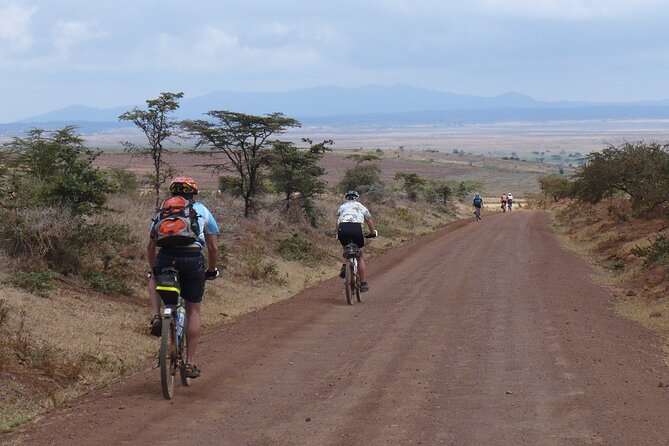
You do not need to be an elite cyclist, but this is not designed for someone who rarely rides. The operator asks for intermediate skills and a moderate fitness level. That tells you to expect sustained pedaling and enough uneven or demanding riding to make basic bike control important.
I would choose this tour if you are comfortable riding for several hours and can manage a mountain bike without constant help. If you are unsure, ask the operator about distance, elevation, and the exact surface before paying. Those details are not provided, so you should not assume the ride is flat or suitable for a complete beginner.
Give your height when booking. The operator uses that information to help provide the correct bike size. Wear clothing that allows easy movement and shoes suited to cycling. Those are simple choices, but they matter more than dressing for a standard sightseeing tour.
The route’s regular stops help. You are not pedaling continuously for five or six hours, and the village, school, market, and coffee visits create natural pauses. Still, stops do not remove the need for basic stamina.
The weather also matters. The activity requires good weather. If poor weather forces cancellation, you are offered another date or a full refund. You can cancel for a full refund if you do so at least 24 hours before the start time. Changes or cancellations made inside that window are not accepted for a refund.
How this tour compares with a standard Moshi outing
Many Moshi activities focus on transfers, viewpoints, or a single cultural stop. This ride gives you a broader look at the foothills because the bicycle links several kinds of places in one day.
I like the balance between movement and conversation. You are active, but you are also stopping to learn about Chagga life, coffee, Tanzanian history, and the Kilimanjaro legend. That combination makes the tour a good fit if you want more than a photograph of the mountain.
The tradeoff is comfort and predictability. A vehicle tour is easier if you want to stay cool, avoid exertion, or cover ground without worrying about bike handling. This experience asks you to accept a little sweat, a little effort, and a less controlled pace in exchange for closer contact with the villages.
The tour is also not a full Kilimanjaro climb or a mountain expedition. It explores the foothills and surrounding communities by bike. If you are looking for a strenuous ascent or a long wilderness ride, this is not the right product.
Who should book this ride
I would recommend it to you if you want:
- A private outing rather than a shared group
- A closer look at Chagga villages and farming
- A cultural experience with physical activity
- Coffee, village, and market stops in one half-day
- A guide who can explain Tanzanian history and local culture
- A practical package with a bike, helmet, lunch, and water included
I would hesitate if you are a complete beginner on a bicycle, have limited fitness, or want a quiet vehicle-based tour. I would also check transport arrangements carefully if you are not close to the stated meeting point.
The strongest reason to book is the combination of access and context. You are not only riding near Kilimanjaro. You are moving through the communities that live on its foothills, with a guide explaining what the farms and villages mean.
Should you book the Kilimanjaro foothills bike tour?
Book this tour if you can handle an intermediate mountain-bike ride and want to meet the foothills through farms, villages, coffee, schools, and markets. The private format, included equipment, generous lunch, and local guiding make $55 a fair price.
Before booking, confirm pickup, transport, bike size, and any food or water needs. If you want authentic village contact and are happy to work for your views, this is one of the more useful ways to spend a day around Moshi. If your priority is ease, choose a vehicle tour instead.
FAQ
Where does the bike tour start?
The stated starting point is Mr. Price Village on Kilimanjaro Road, Tanzania.
Where does the tour end?
The tour ends at Coffee Union Cafe on Lindi Street in Moshi.
How long does the experience last?
The tour lasts approximately five to six hours.
What time does the tour operate?
The listed operating hours are Monday through Sunday, from 8:30 AM to 2:30 PM, during the stated operating period.
Is transportation included?
Private transportation is not included. Pickup is offered as a feature, so confirm the pickup arrangement with Safari by Leo before booking.
Is the tour private?
Yes. Only your group participates in this private tour or activity.
What equipment is provided?
The tour includes use of a mountain bike and a helmet.
What should I tell the operator before booking?
Provide your height so the operator can help arrange a suitable bicycle size. You should also have intermediate cycling skills and moderate physical fitness.
What happens if the weather is poor?
The experience requires good weather. If it is canceled because of poor weather, you can choose another date or receive a full refund.
Just added around Kilimanjaro
- 6 days Machame route climbing Mt.Kilimanjaro★ 5.0 · 8 reviews
- machame route★ 5.0 · 16 reviews
- Mt Kilimanjaro 6 days Marangu route hike★ 5.0 · 3 reviews
- Private Cycle to Kilimanjaro Bike Park Safari★ 5.0 · 6 reviews
- West Kilimanjaro cycling Adventures★ 4.5 · 8 reviews
- Kilimanjaro Climb • Marangu Route ~ 9 Day★ 5.0 · 4 reviews
- 3 Days Private E-Bike Tour in West Kilimanjaro★ 5.0 · 3 reviews
- Kilimanjaro Climb • Machame Route ~ 10 Day★ 5.0 · 6 reviews
Kilimanjaro Tours, compared.
7-Day Machame Kilimanjaro Summit Tour from Arusha
Read our review →
Private Full Day Hiking Experience to Marangu Route
Read our review →