
Reviewed · LEMOSHO ROUTE CLIMBS
Mount Kilimanjaro – Lemosho Route
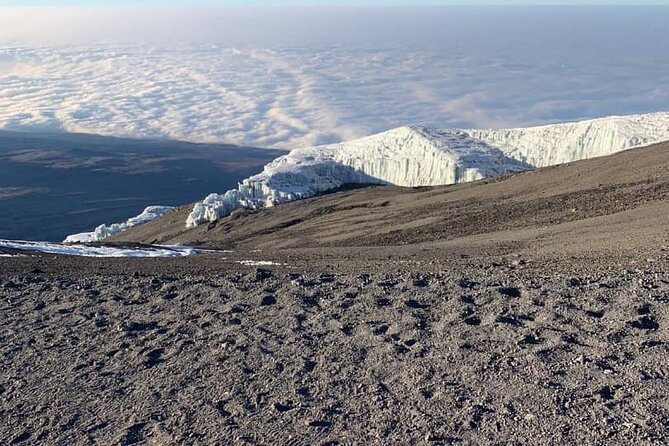
The Lemosho Route gives you a gradual approach to Uhuru Peak at 5,895 meters, Africa’s highest point. Over seven days, you move from rainforest to moorland, alpine desert, and an icy summit, with the long summit night saved for Day 6.
I like the route’s steady climb and its useful acclimatization pattern, including a high walk to Lava Tower before dropping to Barranco. I also like the strong practical support: guides, a cook, porters, meals, hot washing water, oxygen, and a pulse oximeter are included.
The main caution is simple: this is a serious high-altitude trek, not a casual hike. You need strong fitness, must accept basic mountain camping, and should budget separately for Moshi lodging, equipment, insurance, flights, and tips.
Key points before you book
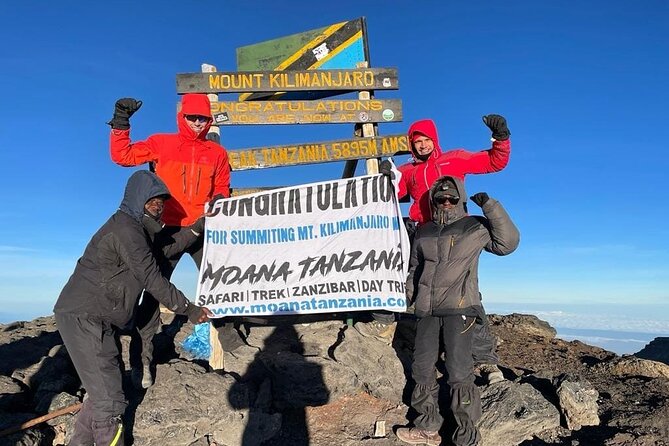
- Seven days from rainforest to ice: The route crosses several habitats and finishes at 5,895 meters.
- A useful acclimatization profile: Day 3 climbs to Lava Tower at about 4,700 meters before continuing to Barranco Camp at 3,950 meters.
- A full summit day: You climb from Barafu Camp to Uhuru Peak, then descend to Mweka Hut in the same day.
- Practical mountain support: Guides, cook, porters, meals, drinking water, hot washing water, oxygen, and first-aid supplies are included.
- Small-group scale: The maximum group size is 15 people, with private transportation provided.
- A well-regarded operator: Moana Tanzania has a listed rating of 5 from 10 reviews, with 100 percent recommending the experience.
Why the Lemosho Route works so well
Kilimanjaro is not a technical climb in the usual mountaineering sense, but the height makes it demanding. The Lemosho Route handles that challenge by giving you several days to gain altitude before summit night.
You begin at roughly 2,400 meters and finish the first day at 2,800 meters. From there, the route moves through heath and moorland, alpine desert, and the frozen summit zone. That change in surroundings keeps the walk interesting, but it also reminds you that the mountain is asking more of your body each day.
I especially like the Day 3 plan. You climb toward Kibo and reach Lava Tower, also called Sharkstooth, at about 4,700 meters. Then you continue to Barranco Camp at 3,950 meters. That high point followed by a lower overnight stop gives you time to adjust before the final push.
The route also uses the southern circuit from Barranco through Karanga to Barafu. You do not simply walk straight upward every day. That matters because your body needs time at altitude, and your legs need a chance to recover before summit night.
More Lemosho Route climbs:
- Kilimanjaro climb by Lemosho Route (7-day)
★ 5.0 · 651 reviews - Kilimanjaro Climbing Lemosho Route 8 Days.
★ 5.0 · 186 reviews - 8-Day Small-group Lemosho Kilimanjaro Summit Trekking
★ 5.0 · 186 reviews
Day 1: Londorossi Gate to Mti Mkubwa
The trek begins at Londorossi Gate, between about 2,400 and 2,800 meters. You walk around 6 kilometers for three to four hours through rainforest before reaching Mti Mkubwa Camp.
This is a pleasant opening day because the distance is modest and the forest provides shade. Keep your eyes open for wildlife, though sightings are not promised. The main job is to settle into the slow pace and learn how the group moves.
You should not treat this as an easy walk just because it is short. The first day is your chance to check your boots, pack, water, and clothing before the route becomes more exposed. Use the time to speak with your guide about pacing and any early signs of discomfort.
Day 2: Shira Ridge and Shira 2 Camp
Day 2 covers about 14 kilometers and takes seven to eight hours. You climb from roughly 2,800 meters to 3,750 meters, leaving the rainforest behind for heath and moorland.
This is a longer day, so the pace matters more than speed. You continue toward Shira Ridge and then to Shira 2 Camp. The change in habitat gives the route a clear sense of progress, while the open ground can make the walking feel more demanding than Day 1.
At this stage, you may notice that the air feels thinner. Eat even if your appetite drops, drink regularly, and tell the guide if you develop a headache, nausea, or unusual tiredness. Good support only works if you give the crew accurate information.
Day 3: Lava Tower, Arrow Glacier, and Barranco
Day 3 is one of the most useful days on the route. You walk about 10 kilometers in six to eight hours, climbing from 3,750 meters to around 3,950 meters for the night.
The route heads toward Kibo, Kilimanjaro’s main summit cone, then rises to Lava Tower at about 4,700 meters. You pass the Arrow Glacier area before continuing to Barranco Camp.
The altitude profile is the key point. You reach a much higher point during the day, then sleep lower at Barranco. That can help your adjustment, though it does not remove the risk of altitude sickness. Do not confuse an overnight descent with an easy day. Six to eight hours at altitude is still hard work.
Barranco is also where the route becomes more dramatic. The next morning brings the Barranco Wall, so this camp gives you a useful pause before that section. You may find the cold and thinner air more noticeable here than in the forest.
A few more Kilimanjaro trips worth comparing
- Kilimanjaro climb, Machame Route (7-day)
★ 5.0 · 262 reviews - Climbing Kilimanjaro – Machame Route
★ 5.0 · 170 reviews - Climbing Kilimanjaro through 7 days Machame Route
★ 5.0 · 151 reviews - Kilimanjaro climb, Lemosho Route (8-day)
★ 5.0 · 148 reviews
Day 4: Barranco Wall to Karanga Valley
Day 4 is shorter, around 5 kilometers and four to five hours. You climb from 3,950 meters to approximately 4,040 meters, passing the Barranco Wall before reaching Karanga Camp.
The short distance does not mean the day lacks effort. The Barranco Wall is the notable feature, and the route requires careful movement rather than a rushed pace. Your guides are there to set the rhythm and help the group stay together.
This is one of the days where a lighter daypack makes a real difference. Your porters carry the larger load, while you should keep only what you need during the walk. The Karanga Valley stop breaks up the approach to Barafu and gives you a little more time before summit preparation begins.
Day 5: Karanga to Barafu Camp
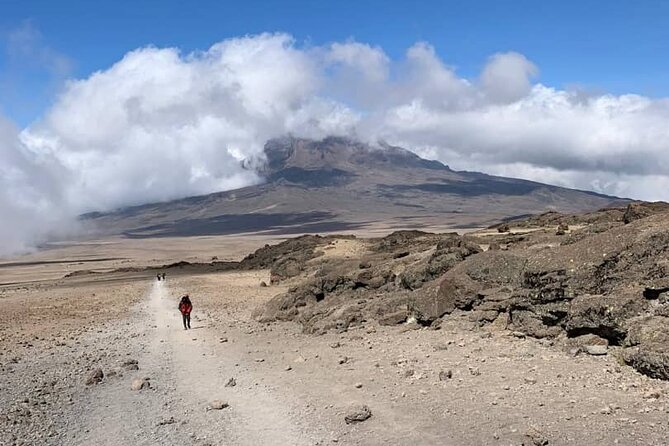
You leave Karanga and walk about 4 kilometers over four to five hours, climbing from 4,040 meters to Barafu Hut at roughly 4,700 meters.
The route reaches the junction with the Mweka Trail, then continues to Barafu Camp. At this point, you have completed the southern circuit and are in position for the summit attempt.
Barafu is not a place for a long, relaxed afternoon. You need to rest, eat, organize warm clothing, and prepare for a very early start. The height can make even simple tasks feel slow. Keep your essential gear ready so you are not sorting through your bag when the group should be moving.
This is also the night when the value of a well-organized crew becomes clear. Moana provides guides, porters, a cook, water, and hot water for washing. The food is designed for the trek, and the company can provide vegetarian meals when requested. One of the strongest parts of the service is the attention to food needs and regular care.
Day 6: Barafu to Uhuru Peak and Mweka Hut
Summit day is the hardest part of the experience. You climb from about 4,700 meters to 5,895 meters, then descend all the way to around 3,100 meters at Mweka Hut.
The stated walking time is five to seven hours up and another five to seven hours down. That is a long day at altitude, and you should expect the descent to be tiring even after reaching the summit.
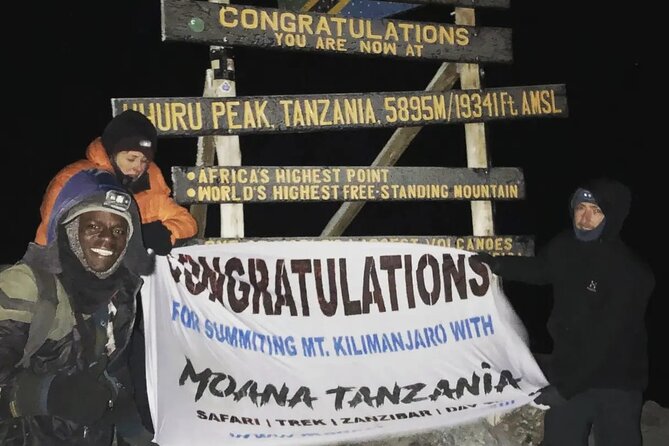
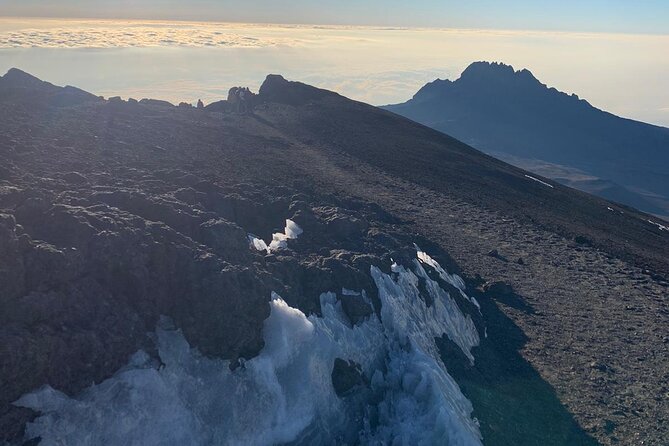
You begin between the Rebmann and Ratzel glaciers and make your way toward Stella Point. From there, you continue to Uhuru Peak, the highest point in Africa. You will have time for photographs and a celebration, but do not linger too long in the cold. The summit achievement is important, yet the safe descent matters just as much.
Portable oxygen tanks, an oximeter, and a first-aid kit are included. These supplies provide an extra safety layer, but they are not a substitute for careful altitude decisions. Your guide must be able to change plans if someone becomes unwell.
The descent to Mweka Hut is a major part of the day. Once you reach camp, you can finally rest at a lower altitude. Many people focus only on the climb, but the downhill section can be tough on knees and tired legs.
Day 7: Mweka Hut to Mweka Gate
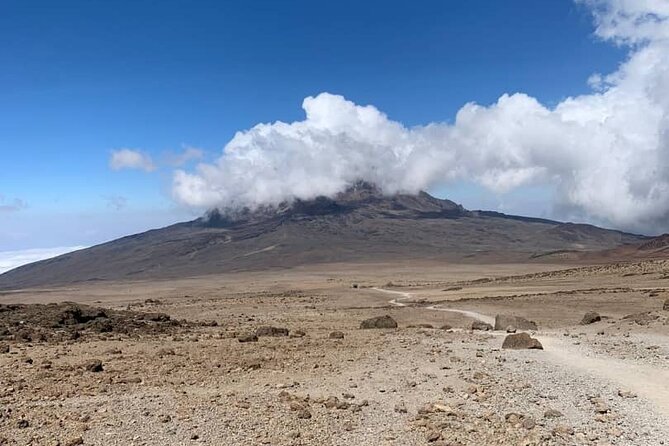
The final day covers about 3 to 4 hours, descending from around 3,100 meters to 1,650 meters through forest.
After the intensity of summit day, this walk gives you time to slow down. You continue from Mweka Hut to Mweka Gate, where the mountain trek ends and you return to the meeting point in Moshi.
The shorter day does not erase the fatigue. Your body may feel stiff, and wet or muddy conditions can make the forest descent slower. Wear shoes with a firm grip and keep rain protection accessible.
What the $2,900 price includes
At $2,900 per person, this is a major purchase, but the price covers much more than a guided walk. Included are private transportation, park fees and taxes, guides, a cook, porters, drinking water, hot washing water, meals, portable oxygen, an oximeter, and a first-aid kit.
The meal package covers seven lunches, six breakfasts, and six dinners. The food receives especially strong praise in the supplied feedback, including its freshness, quantity, and ability to accommodate vegetarian needs. That matters on a seven-day trek, when regular meals are part of your energy plan rather than a minor comfort.
The cost also supports the labor of the mountain crew. Guides, porters, and cooks make it possible for you to walk with a manageable daypack and sleep at prepared camps. The listed price is therefore easier to judge if you compare complete packages rather than only the headline cost of the trek.
You still need to pay for Moshi accommodation before and after the climb, flights, travel insurance, laundry, personal toiletries, personal mountain equipment, and gratuities. Tips for the guides, cook, and porters are not included, so set money aside for them before you arrive.
The crew and level of support
Moana Tanzania is run by Gea, and David is identified as the chef. The wider team includes Gasper, Robson, Salim, Herbert, and Gewa. The available feedback places particular emphasis on the crew’s encouragement, flexibility, friendliness, and attention to safety.
That support is important on a mountain where motivation can change hour by hour. You want guides who will encourage you without pushing you past a sensible limit. The supplied feedback repeatedly highlights that balance, along with careful support through the summit attempt.
The group limit is 15 people. That is not an intimate private trek, but it is still small enough for a guide team to keep track of the group more easily than in a large departure. Private transportation is provided, and pickup is available.
Who should book this trek
This experience suits you if you want a supported Kilimanjaro climb with a gradual route, full mountain crew, and a clear seven-day schedule. It is also a good match if you value proper meals and practical equipment more than luxury lodging.
You should have a strong fitness level. The long days, high altitude, cold summit, Barranco Wall, and extended summit descent all demand preparation. You do not need to be an elite athlete based on the information provided, but you should be comfortable walking for several hours and handling consecutive days of effort.
This is not the right choice if you want a relaxed holiday with short walks and guaranteed summit success. Weather can affect the departure, and altitude affects people differently. The company provides safety equipment, but no operator can remove the physical risks of climbing to 5,895 meters.
Booking, timing, and cancellation details
The activity begins in Moshi and ends back at the meeting point. The listed operating hours are Monday through Sunday, from 7:00 AM to 11:00 AM, for dates through June 18, 2026.
Booking confirmation is normally issued at once. If you book within one day of departure, confirmation comes as soon as possible and depends on availability.
You can receive a full refund if you cancel at least six full days before the start time. A cancellation two to six full days ahead receives a 50 percent refund. Cancellations less than two full days ahead are not refunded. If poor weather forces cancellation, you can choose another date or receive a full refund.
Should you book Moana’s Lemosho Route?
I would consider this a strong choice if you want the Lemosho Route’s gradual altitude profile and a crew that places real attention on food, encouragement, and safety. The high walk to Lava Tower, the southern circuit, and the seven-day schedule make good sense for a first Kilimanjaro attempt.
Book it only after adding the extra costs for gear, insurance, Moshi lodging, and tips. Most important, be honest about your fitness and your willingness to spend a long summit day in cold, thin air.
For a prepared hiker who wants a supported climb rather than a bare-bones package, the $2,900 price offers solid value. The route is demanding, but the structure and crew support give you a sensible way to take on Africa’s highest mountain.
FAQ
Where does the Kilimanjaro trek begin?
The trek begins in Moshi, Tanzania, with pickup offered. The activity ends back at the meeting point.
How long is the Lemosho Route experience?
The trek lasts approximately seven days.
What is the highest point reached?
You reach Uhuru Peak at 5,895 meters, the highest point on Mount Kilimanjaro and in Africa.
How large can the group be?
The maximum group size is 15 people.
What meals are included?
The package includes seven lunches, six breakfasts, and six dinners.
Are guides, porters, and a cook included?
Yes. Guides, a cook, and porters are included in the price.
Is drinking water provided?
Yes. Drinking water and hot water for washing are included.
Is safety equipment provided?
Portable oxygen tanks, an oximeter, and a portable first-aid kit are included.
Is accommodation in Moshi included?
No. Accommodation in Moshi before and after the mountain trek is not included.
What happens if bad weather cancels the trek?
If poor weather causes cancellation, you are offered a different date or a full refund.
Just added around Kilimanjaro
- 6 days Machame route climbing Mt.Kilimanjaro★ 5.0 · 8 reviews
- machame route★ 5.0 · 16 reviews
- Mt Kilimanjaro 6 days Marangu route hike★ 5.0 · 3 reviews
- Private Cycle to Kilimanjaro Bike Park Safari★ 5.0 · 6 reviews
- West Kilimanjaro cycling Adventures★ 4.5 · 8 reviews
- Kilimanjaro Climb • Marangu Route ~ 9 Day★ 5.0 · 4 reviews
- 3 Days Private E-Bike Tour in West Kilimanjaro★ 5.0 · 3 reviews
- Kilimanjaro Climb • Machame Route ~ 10 Day★ 5.0 · 6 reviews