
Reviewed · HIKING & TREKKING
Trek To Mount Kilimanjaro
Kilimanjaro’s Lemosho Route is the scenic choice, beginning with rainforest and opening onto the wide Shira Plateau before joining the busier summit trail. That gradual change in scenery is the main reason I would consider it over a shorter, more crowded approach.
I like the emphasis on acclimatization and the practical support: three hot meals a day, treated water, mountain tents, a cook, porters, oxygen, and an oximeter. I also like the small maximum group size of 10, which should make pacing and communication easier.
The big concern is simple but important: the experience is advertised as lasting about two days, yet Lemosho is described as a longer climb, and the package includes two hotel nights plus several days of mountain services. Confirm the real number of trekking days before booking.
Key points to know before you book
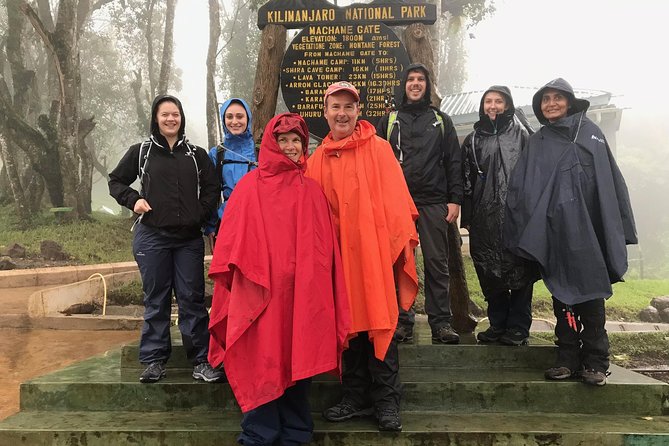
- Lemosho begins with quieter rainforest trails and later crosses the open Shira Plateau.
- The advertised two-day duration needs clarification, since the route description refers to several days of acclimatization and a summit approach.
- A maximum of 10 climbers keeps the group reasonably manageable.
- Three hot meals daily, treated water, tents, mattresses, and a mess tent are included on the mountain.
- Guides, porters, a cook, oxygen, and an oximeter are part of the support team and safety setup.
- The $2,700 price includes major park and camping costs, but flights, visas, hotel meals beyond breakfast, and tips are extra.
Lemosho gives you Kilimanjaro’s best opening scene
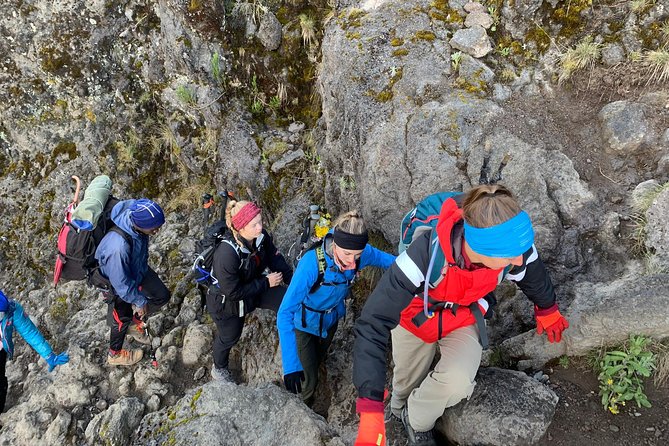
I like Lemosho because it does not rush you straight into the mountain’s hardest section. The trail begins in lush rainforest, where the setting feels more remote and shaded, then gradually moves into higher, more open country.
The first three days are described as the strongest part of the route for wilderness scenery. That matters because Kilimanjaro is not only about reaching the summit. You are also walking through several distinct ecological zones, and Lemosho gives you time to notice the change rather than treating the mountain as a single uphill march.
The route crosses the Shira Plateau, a broad high area with views toward different sides of Kilimanjaro. It also gives you time to adjust to altitude before joining the Barafu route, which is the busier trail used for the summit push.
That route design is a real advantage. Altitude affects people differently, and a slower schedule can give your guide more time to watch how you are coping. It does not remove the risk of altitude sickness, and no route can promise a summit, but the extra time is more sensible than trying to force the mountain into a very short schedule.
More treks and hikes around Kilimanjaro:
- Kilimanjaro climb by Lemosho Route (7-day)
★ 5.0 · 651 reviews - Kilimanjaro climb, Machame Route (7-day)
★ 5.0 · 262 reviews - Kilimanjaro Climbing Lemosho Route 8 Days.
★ 5.0 · 186 reviews
The two-day description is the issue you must settle first
The supplied program lists Day 1 at Kilimanjaro National Park for about eight hours and Day 2 at Mount Kilimanjaro for another eight hours. It also describes Lemosho as a route that uses the first three days for wilderness walking and acclimatization before the Barafu summit section.
Those details do not fit neatly together. A two-day experience may refer to a short portion of a larger climb, a display error, or a condensed package description. The inclusion of two hotel nights in Moshi also suggests that the schedule may be longer than the headline duration indicates.
I would ask Sirikwa Travel for a written day-by-day plan before making payment. You need the number of nights on the mountain, the camps used, the planned summit day, the transport schedule, and the expected return date. This is not a minor detail. It affects your flights, fitness preparation, medication planning, clothing, and the amount of time you have to acclimatize.
Day 1: entering Kilimanjaro National Park
The first listed stop is Kilimanjaro National Park, with roughly eight hours assigned to the day. The description presents this as the beginning of the Lemosho climb, not a casual park visit.
Expect the day to focus on getting from Moshi to the mountain and beginning the walk through the lower forest zone. The park protects Kilimanjaro, the world’s largest free-standing volcanic mass and Africa’s highest mountain. That setting gives the day plenty of meaning even if the walking is not yet the hardest part.
The rainforest is one of Lemosho’s strongest features. It provides a softer introduction than the exposed upper mountain, although you should still expect a full day of physical effort. A moderate level of fitness is required, and you will need to be comfortable walking for hours with changing weather and uneven ground.
The provider supplies four-season mountain tents, sleeping mattresses, a quality mess tent with tables and chairs, and hot water for washing. Those details are easy to overlook when you are focused on the summit, but they make a difference after a long day outside.
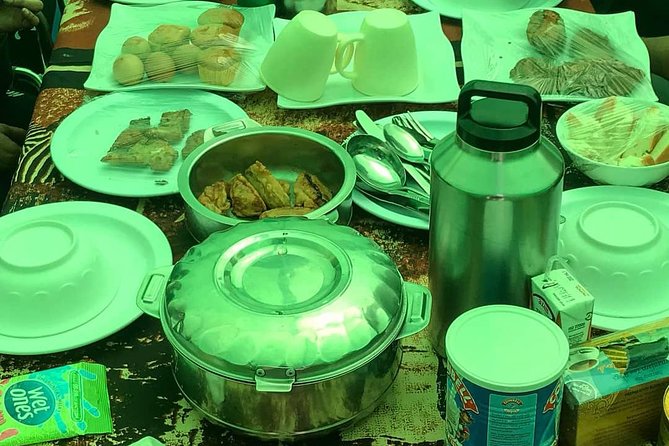
Three hot meals are included each day on the mountain. Treated and filtered drinking water is also supplied throughout the trek. Since snacks and other personal drinks are not included, bring or budget for any extras you know you will want.
Day 2: moving toward Kilimanjaro’s high country
The second listed stop is Mount Kilimanjaro itself, again for about eight hours. The itinerary does not identify a camp, elevation, or exact walking distance, so you should not treat this as a complete route map.
The stated appeal of the second day is the mountain experience rather than a named attraction. On a properly scheduled Lemosho climb, the early mountain days should help you move from forest into more open terrain and begin adapting to thinner air. The Shira Plateau is especially valuable because it gives the climb a sense of space and distance.
I would want the operator to explain exactly what Day 2 includes. Does it end at a mountain camp? Is it a summit day? Does it return you to Moshi? The current information does not answer those questions.
The phrase best for acclimatization should also be read carefully. Lemosho may offer a more gradual route than a very short climb, but acclimatization depends on the actual number of days, the elevation profile, your pace, rest, hydration, and your health. A two-day ascent would not provide the same adjustment period as a longer Lemosho itinerary.
A few more Kilimanjaro trips worth comparing
- 8-Day Small-group Lemosho Kilimanjaro Summit Trekking
★ 5.0 · 186 reviews - Climbing Kilimanjaro – Machame Route
★ 5.0 · 170 reviews - Climbing Kilimanjaro through 7 days Machame Route
★ 5.0 · 151 reviews - Kilimanjaro climb, Lemosho Route (8-day)
★ 5.0 · 148 reviews
The support team matters more than the brochure language
A Kilimanjaro climb depends heavily on the people carrying the practical work. This package includes professional mountain guides, assistant guides, a cook, and porters. It also says the crew is paid according to standards approved by the Kilimanjaro Porters Assistance Project, which is a useful point for climbers who care about fair treatment on the mountain.
Past trip accounts connected with Sirikwa Travel identify guides and staff by names including Ole, Alfred, Le, Pail, and Jyroi. You should not assume that one of those people will lead your climb, since staffing can change. Ask who your lead guide and assistant guide will be, how many porters are assigned, and who makes decisions if someone becomes ill.
The package includes an emergency first-aid kit, an oxygen tank, and an oximeter. These are valuable safeguards. They are not a substitute for proper medical judgment, and the presence of oxygen should not encourage you to ignore symptoms. Your guide should be checking how you feel and how you are functioning, not just looking at a number on a device.
The small group limit of 10 is another practical advantage. A group of that size is large enough to share the experience but small enough for the guide to notice different walking speeds and energy levels. If you are booking as a private group, confirm whether the maximum refers to your party or to the total number in a shared departure.
What the $2,700 price actually covers
At $2,700 per person, the package is not simply a guided walk. It includes two nights of hotel accommodation in Moshi, overland transfers to Kilimanjaro International Airport, park entry fees, camping fees, rescue fees, value-added tax, mountain tents, food, water, hot washing water, a mess tent, mattresses, staff, and basic emergency equipment.
That list explains much of the price. Kilimanjaro trips require permits, park charges, camp costs, vehicles, food supplies, equipment, and a sizable mountain crew. A low headline price can sometimes leave out items that you later have to arrange yourself, so it is useful that these core costs are stated here.
The value depends on the corrected duration. If the actual climb is a normal multi-day Lemosho program, $2,700 may represent a practical package with many major expenses already handled. If the service truly lasts only two days, I would want a very clear explanation of what part of the route you are receiving and how summit safety is being managed.
The package does not include flights, a visa, tips for the guides, porters, cook, and assistant guide, or meals other than breakfast at the hotel. Alcohol, beverages, cigarettes, snacks, and other non-essential items are also excluded.
Tips are not a small afterthought on a supported mountain climb. You should plan for them from the beginning, even though the amount is not specified here. Ask the company for its current tipping guidance and whether the money is distributed directly among the crew.
Moshi accommodation and airport transfers
Two hotel nights in Moshi are included, along with overland transfers to Kilimanjaro International Airport. The airport transfer is useful if you want one company handling the trip from arrival through departure rather than arranging each ride separately.
The information does not name the hotel or state the room category. Ask about the hotel location, breakfast hours, room arrangements, and whether the nights are before the climb, after the climb, or one on each side. Those details matter if you are arriving late, leaving early, or planning to rest after the mountain.
Hotel meals beyond breakfast are not included. Moshi gives you the chance to buy your own lunch and dinner, but you should budget separately for those meals. Alcohol, drinks, and snacks are also outside the package.
Pickup is offered, and mobile tickets are available. Confirmation is received at booking, and the meeting time is listed as 8:00 a.m. Make sure the pickup point and local time are confirmed, especially if you are staying somewhere other than the planned hotel.
Who will like this climb most
This experience suits you if you want a scenic Kilimanjaro route, value a support team, and prefer a smaller group rather than a large departure. It is also a good match if rainforest, open plateau views, and a slower approach appeal to you as much as the summit itself.
You should have moderate physical fitness. The route is not presented as a sightseeing walk, and the eight-hour days listed in the program require stamina. You also need to be ready for camping, basic mountain conditions, and long periods outdoors.
I would be cautious about booking if your schedule is rigid. The unclear duration creates too many unanswered questions, particularly for anyone arranging international flights or combining the climb with a safari. Get the full schedule in writing first.
The route may also be a poor fit if you want hotel comfort every night or do not like group-based trekking. The package includes camping equipment and a mess tent, but it is still a mountain trip, not a resort holiday.
Booking advice and cancellation terms
The experience accepts bookings with confirmation at the time of purchase. Cancellation is free if you cancel at least 24 hours before the local start time, with a full refund. Within 24 hours, the payment is not refunded, and changes made inside that window are not accepted.
That policy is straightforward, but it makes the duration question even more important. Do not wait until the last day to discover that the route, camps, or dates do not fit your plans.
Before booking, I would ask these practical questions:
- How many total days is the actual Lemosho climb?
- How many nights are spent camping?
- What are the exact camps and elevations?
- Is the summit attempt included?
- Which meals are provided in Moshi?
- Who is the lead guide for this departure?
- What equipment should you bring yourself?
- How are tips handled among the mountain crew?
Should you book the Lemosho trek?
I would consider booking this experience for its route choice, support services, and clear attention to food, water, camping, crew welfare, and basic emergency preparation. The Lemosho approach gives you a more scenic and less crowded start than many Kilimanjaro options, and the Shira Plateau section adds real value.
I would not book it until Sirikwa Travel explains the two-day duration. That is the deciding issue. If the advertised length is a mistake and the actual plan provides enough days for a sensible Lemosho ascent, the package could be a strong option at $2,700. If it truly attempts to cover the climb in two days, I would choose a longer schedule instead.
FAQ
Where does the trek start?
The experience is based in Moshi, Tanzania, with pickup offered. The listed meeting time is 8:00 a.m., and transfers to Kilimanjaro International Airport are included.
How long does the experience last?
It is advertised as lasting about two days. However, the route description refers to several days on Lemosho, and the package includes two hotel nights and mountain camping services. Confirm the exact duration before booking.
What route is used?
The trek uses the Lemosho route on Mount Kilimanjaro. It is described as passing through rainforest and across the Shira Plateau before joining the Barafu route toward the summit.
Is accommodation included?
Yes. Two nights of hotel accommodation in Moshi are included, along with four-season mountain tents and sleeping mattresses for the camping portion.
Are meals and drinking water included?
Three hot meals per day are included while you are on the mountain. Treated and filtered drinking water is provided throughout the trek. Hotel meals other than breakfast are not included.
What is not included in the price?
Flights, visas, tips for the guides, porters, cook, and assistant guide are not included. Alcohol, beverages, cigarettes, snacks, and other non-essential items are also excluded.
What happens if I cancel?
You receive a full refund if you cancel at least 24 hours before the experience start time. Cancellations and changes made less than 24 hours before the start time are not refunded or accepted.
Just added around Kilimanjaro
- 6 days Machame route climbing Mt.Kilimanjaro★ 5.0 · 8 reviews
- machame route★ 5.0 · 16 reviews
- Mt Kilimanjaro 6 days Marangu route hike★ 5.0 · 3 reviews
- Private Cycle to Kilimanjaro Bike Park Safari★ 5.0 · 6 reviews
- West Kilimanjaro cycling Adventures★ 4.5 · 8 reviews
- Kilimanjaro Climb • Marangu Route ~ 9 Day★ 5.0 · 4 reviews
- 3 Days Private E-Bike Tour in West Kilimanjaro★ 5.0 · 3 reviews
- Kilimanjaro Climb & Safari – Lemosho Route – 13 Day★ 5.0 · 10 reviews
Hiking & Trekking, compared.
7-Day Machame Kilimanjaro Summit Tour from Arusha
Read our review →
Private Full Day Hiking Experience to Marangu Route
Read our review →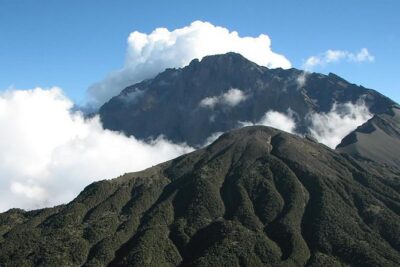
4 days Best experience Kilimanjaro Hike, Serengeti &Ngorongoro
Read our review →
Best Kilimanjaro hiking day trip tour with Kilinge Adventures
Read our review →Browse the lists this tour appears in