
Reviewed · LEMOSHO ROUTE CLIMBS
Private Kilimanjaro Hike 7 Day Lemosho Route
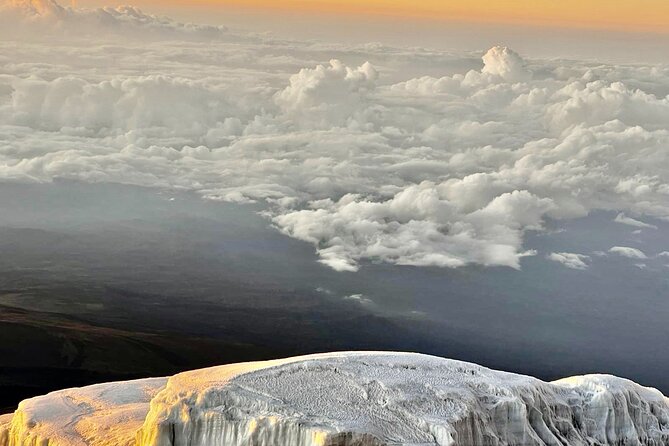
Kilimanjaro’s Lemosho Route gives you the mountain in chapters: rainforest, open moorland, alpine desert, glacier views, and a long midnight push to Uhuru Peak. It is the scenic western approach, and the route’s gradual circle around the mountain gives you a better feel for Kilimanjaro than a quick, direct ascent.
I like two things in particular: the low-crowd feel compared with busier approaches, and the useful acclimatization pattern of climbing high to Lava Tower before sleeping lower at Barranco. Nafika also includes two Moshi hotel nights, camping equipment, treated water, emergency oxygen, and a pulse oximeter, which removes several costly details from your planning list.
The main caution is the schedule. Seven days is enough for this route, but it remains a serious altitude climb, with a long Day 2 and a summit day that can last about 12 hours. You need solid fitness, patience, and a willingness to walk slowly when your body wants to hurry.
Key points to know before booking
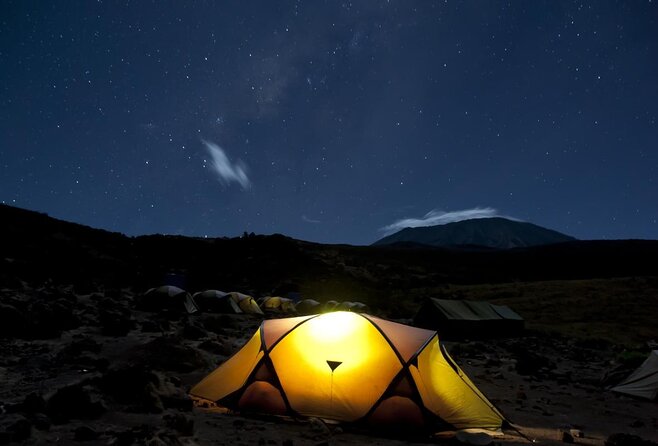
- Scenic western approach: You begin at Lemosho Gate at 2,360 meters and move through rainforest, heather, Shira Plateau, alpine desert, and high volcanic terrain.
- High point at Uhuru Peak: The summit reaches 5,895 meters, with Stella Point at 5,756 meters coming first on the summit morning.
- Built-in acclimatization: Day 3 climbs to Lava Tower at 4,600 meters, then descends to Barranco Camp at 3,900 meters.
- Large support package: The price includes guides and porters, tents, sleeping bags, sleeping pads, meals, treated water, first aid supplies, and emergency oxygen.
- Moshi accommodation included: You receive one hotel night on arrival and another after the climb, plus private transfers.
- Strong guide team: Names associated with the operation include Elias, Eli, Sebastian, Benson, and Frank. Confirm your assigned guide team before departure.
Why Lemosho is Kilimanjaro’s scenic choice
The route begins on the western side of Kilimanjaro, far from the summit rush. At Lemosho Gate, your operator handles the park formalities while you prepare for the first walk. The starting altitude is 2,360 meters, high enough to begin the altitude change gently rather than arriving immediately at a high camp.
The first section passes through montane forest and the Lemosho glades. This is a quieter, greener introduction to the mountain, with the trail leading to Big Tree Camp after about 7 kilometers and roughly four hours of walking. You spend your first night under canvas, with dinner and the next day’s route already in view.
Lemosho’s appeal is not just scenery. The route circles toward the south, which gives your body more time to adjust before the summit attempt. That matters on Kilimanjaro, where altitude is often a greater problem than steepness.
More Private Tours in Kilimanjaro
- Private Full Day Hiking Experience to Marangu Route
★ 5.0 · 61 reviews - Kilimanjaro 7 Day Private Trekking Experience
★ 5.0 · 40 reviews - 6 Days Private Mount Climbing in Kilimanjaro Machame Route
★ 5.0 · 38 reviews
Day 1: Lemosho Gate to Big Tree Camp
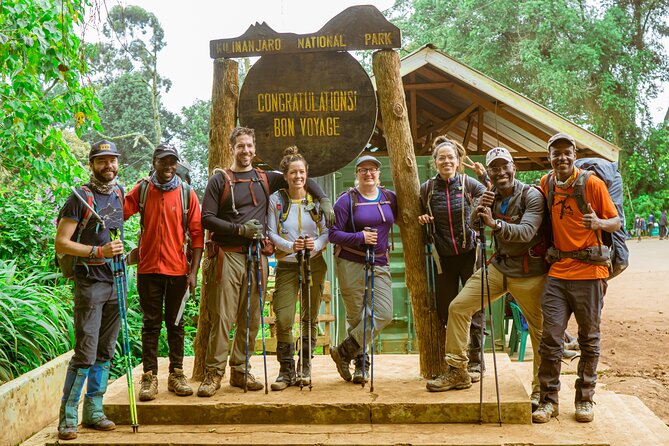
Your morning begins with breakfast and a pickup around 8:00 am. The transfer takes you toward Lemosho Gate on the western side of the park. After registration and other pre-hike steps, you start walking through forest.
The first day is short by Kilimanjaro standards. Seven kilometers and about four hours gives you a chance to settle into the group’s pace, learn how your guide manages breaks, and see how your boots and pack feel. Do not treat this as a warm-up to rush through. A calm first day helps preserve energy for the harder sections later.
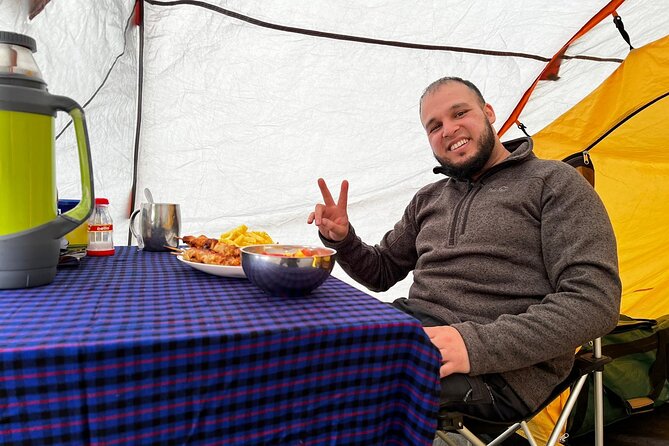
Big Tree Camp is the first overnight stop. The name gives you a clue to the setting, though the important point is practical: you sleep at a relatively modest altitude after a manageable walk. Breakfast, lunch, and dinner are included, as they are on the first five full trekking days.
Day 2: Shira Plateau and the long moorland crossing
Day 2 is the first demanding day. You cover about 16.5 kilometers over nine to ten hours, crossing grassy moorland and heather broken by volcanic rock. The trail rises steadily toward Shira 1 Camp before continuing toward Shira 2.
The reward is a broad view of Kibo, Kilimanjaro’s highest cone, appearing above the clouds. From the Shira Plateau, you can also look toward the Northern Icefields. This is one of the route’s best days for seeing how the mountain changes as you leave the forest behind.
The drawback is simple: it is long. Even if the trail does not feel brutally steep, ten hours on uneven ground can tire you. Keep your pace easy, eat the provided lunch, and drink regularly. The plateau can feel exposed after the shelter of the forest, so your daypack should have a warm layer, rain protection, water, and sun protection close at hand.
Day 3: Lava Tower and Barranco Camp
Day 3 is the route’s clearest acclimatization lesson. You climb into the alpine desert to Lava Tower at 4,600 meters, then descend to Barranco Camp at about 3,900 meters. The walk covers roughly 10 kilometers and takes around six hours.
This climb high, sleep lower pattern is valuable. You spend time at a height above your sleeping camp, giving your body a chance to respond before you reach the summit zone. It does not remove the risk of altitude sickness, but it is a sensible feature of the route.
Lava Tower is stark and volcanic, while the descent toward Barranco brings views of the Western Breach and the Barranco Wall. Barranco Camp sits below the wall, creating one of the most memorable camp settings on the trip. You can expect a strong visual contrast here: dark rock, pale high-altitude ground, glaciers overhead, and a valley opening below.
Do not judge the trip by how you feel at this point. Some people feel fine at Lava Tower and struggle later. Others have a rough afternoon and recover after sleeping. Tell your guide about headaches, nausea, unusual tiredness, or breathing problems. The included first aid kit, pulse oximeter, and emergency oxygen are useful safety provisions, but they are not a substitute for honest communication.
More Lemosho Route climbs:
- Kilimanjaro climb by Lemosho Route (7-day)
★ 5.0 · 651 reviews - Kilimanjaro Climbing Lemosho Route 8 Days.
★ 5.0 · 186 reviews - 8-Day Small-group Lemosho Kilimanjaro Summit Trekking
★ 5.0 · 186 reviews - Kilimanjaro climb, Lemosho Route (8-day)
★ 5.0 · 148 reviews
Day 4: Barranco Wall and Karanga Valley
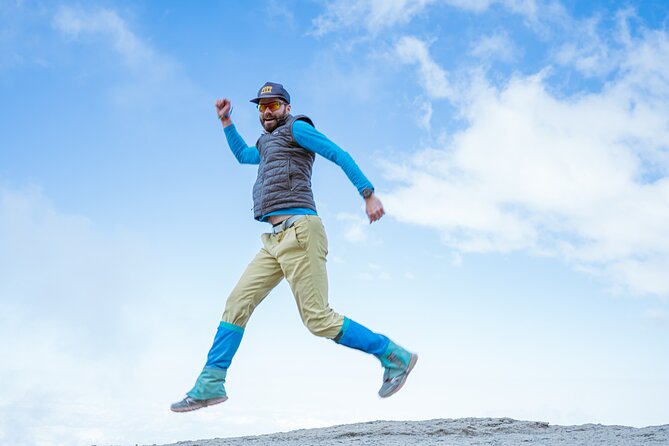
After breakfast, you tackle the Barranco Wall. It looks imposing from camp, but the route is described as more manageable than its appearance suggests. Expect a steep, hands-on section rather than technical climbing equipment.
You then pass beneath the Heim and Kersten glaciers and continue toward Karanga Valley. Mawenzi’s jagged peaks appear to the east, while Kibo’s glaciers remain above you. This is a short day of about four hours, which makes it an important rest and acclimatization stage rather than a wasted day.
Lunch is served at camp, and the afternoon is available for rest. A short acclimatization walk may be offered for those feeling strong. I would treat the afternoon nap as part of the climb, not as lost sightseeing time. Your summit attempt begins soon, and tired legs recover better in camp than on an unnecessary extra outing.
The published description of this day is cut off in places, so confirm the exact afternoon walk and camp details with Nafika before you leave. The core plan is clear: Barranco Wall, Karanga Valley, an early lunch, and rest.
Day 5: Karanga to Barafu Camp
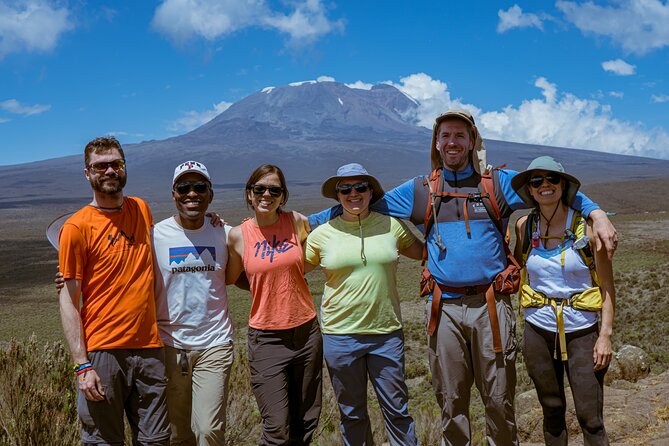
Day 5 covers only about 4 kilometers and takes around four hours, but the altitude makes it serious. You climb to Barafu Camp at approximately 4,640 meters, with views toward both Kibo and Mawenzi.
Barafu means ice in Swahili, and the camp marks the beginning of the summit preparation stage. After lunch, you are expected to rest. Dinner comes early, then you return to your tent for a few hours of sleep before the midnight wake-up.
This is where the seven-day schedule becomes demanding. You have not traveled far that day, but you are sleeping high and preparing for a rapid gain in elevation. Keep your evening simple. Organize your summit clothing, water, headlamp, snacks, gloves, and camera before dinner so that the midnight start does not become a frantic search through your bag.
Day 6: Stella Point, Uhuru Peak, and the long descent
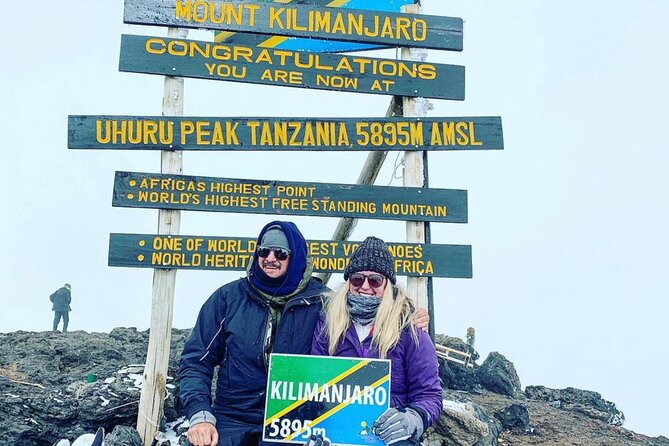
Summit day begins around midnight with light tea and breakfast. You then start the four to five hour climb from Barafu toward the crater rim. The trail gains a great deal of height over a short distance, and the cold, darkness, and thin air make this the hardest physical section.
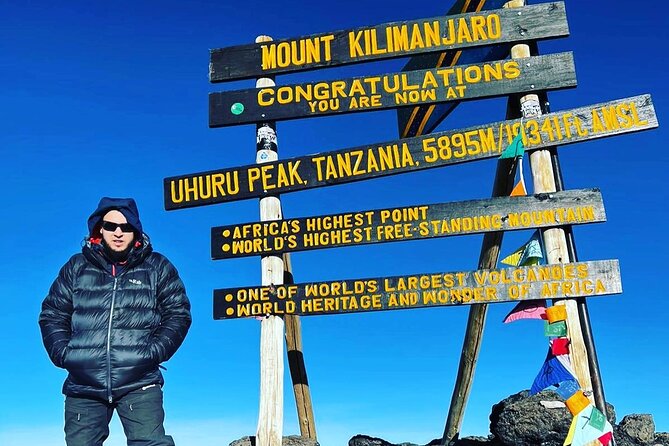
Stella Point is at 5,756 meters. The plan is to reach it around sunrise, when the first light reaches the crater rim. From Stella Point, Uhuru Peak is about another hour away. At 5,895 meters, Uhuru is the highest point in Africa and the goal of the climb.
Give yourself permission to move slowly. The summit section is not a race, and the guide’s job is to watch your condition as well as your pace. The included emergency oxygen and first aid kit add useful support, but the safest decision may still be to stop or descend if your body is not responding well.
After photos and time at the summit, you descend to Barafu Camp for lunch and a rest. The day is not finished there. You continue to the Millennium Campsite, making this a roughly 12-hour day in total. That final descent is easy to underestimate. Your knees and feet may be more tired than expected, so trekking poles, careful footing, and a steady pace matter.
Day 7: Millennium Campsite to Mweka Gate
The last day takes you through montane forest to Mweka Gate. The stated hiking time is about five hours, covering roughly 14 kilometers. After the high, dry summit zone, the return to trees feels like a major change.
At Mweka Gate, you collect your certificates and meet the private vehicle for the ride back to your hotel. Breakfast and lunch are included on this final day. The hotel night after the hike is especially useful because you can shower, sleep in a real bed, and recover before continuing your Tanzania trip.
The final transfer is more than a convenience. After six days of walking, a private ride means you do not need to arrange local transport while tired and carrying dusty equipment.
What the $2,450 price really covers
At $2,450 per person, this is not a bare park-entry package. The price includes private transportation, park fees and taxes, two Moshi hotel nights, camping equipment, tents, sleeping pads, sleeping bags, chairs, tables, meals, treated water, guide and porter wages, emergency oxygen, a first aid kit, and a pulse oximeter.
That package has real value because Kilimanjaro costs can grow quickly when equipment hire, transfers, food, and accommodation are added separately. You also avoid arranging a hotel before and after the climb.
The meal plan includes seven breakfasts, seven lunches, and six dinners. Dinner is not listed for the final day, which is normal if you return to the hotel after the descent, but confirm your post-hike meal arrangements if you expect to eat immediately after reaching town.
A Tanzania visa is not included and is listed at $50. Budget separately for that cost. The information provided does not specify tipping arrangements, so ask Nafika for current guidance before the climb and carry enough local currency for any customary gratuities.
The support team and guide experience
A Kilimanjaro climb depends heavily on the people moving with you. The operation is led by Elias in the planning and coordination described by past clients, while guide names connected with recent climbs include Eli, Sebastian, Benson, and Frank.
The strongest praise focuses on organization, communication, food, guide support, and the porter team. One group of five had three guides and 20 porters, while another group described a crew of 16 including porters, a cook, and guides. The exact crew size will depend on your private group, so ask for the ratio before booking.
A large mountain crew is not just a luxury. Porters carry camping equipment, food, and group supplies, allowing you to keep your personal pack lighter. Your responsibility is to pack respectfully and follow the operator’s weight guidance. Fair wages are included in the package, which is an important point to confirm in any Kilimanjaro booking.
Who this seven-day climb suits best
This trip suits you if you want a private mountain experience with a scenic route, organized support, and Moshi accommodation included. It is also a good match if you prefer a route with meaningful acclimatization rather than the shortest possible path to the summit.
You should have a moderate level of physical fitness. You do not need technical mountaineering experience based on the supplied information, but you do need to manage long walks, steep sections, cold conditions, and a midnight start.
It may not suit you if you want a relaxed holiday with occasional walking. Day 2 is long, Day 6 is tougher still, and altitude affects people unpredictably. The private format gives your group more control, but it does not make the mountain easier.
The opening hours show a meeting window from midnight to 5:30 am, Monday through Sunday, for the stated operating period. Since the itinerary also lists an 8:00 am hotel pickup, confirm the exact airport or hotel meeting point and time before arrival. Confirmation is provided at booking, and the activity is listed as suitable for mobile tickets and private participation.
Should you book Nafika’s Lemosho Route?
I would choose this trip if your priorities are scenery, a well-supported climb, and a route that gives you several useful altitude changes before summit day. The included hotel nights, equipment, meals, water, transfers, and medical supplies make the $2,450 price easier to justify than a quote that covers only guiding and park access.
Book it after asking three direct questions: who will be your lead guide, how many porters and guides will support your group, and what exact camp plan will be used on Days 4 and 6. If you are comfortable with the long summit day and have prepared for altitude, this is a strong Lemosho option.
Nafika offers free cancellation up to 24 hours before the experience start time. Changes or cancellations inside that window are not accepted for a refund, and poor weather may lead to a new date or a full refund.
FAQ
How long is the Kilimanjaro Lemosho climb?
The experience lasts approximately seven days, including the approach, summit attempt, descent, and return to Moshi.
What is the highest point reached?
You aim to reach Uhuru Peak at 5,895 meters. The route first reaches Stella Point at 5,756 meters on the crater rim.
Is airport or hotel pickup included?
Private transportation and pickup are offered. The itinerary describes a hotel pickup around 8:00 am for the transfer to Lemosho Gate, and the meeting information also references Kilimanjaro Airport. Confirm your exact pickup point and time when booking.
What meals are included?
The package includes seven breakfasts, seven lunches, and six dinners. Meals are provided throughout the trek according to the daily schedule.
Is camping equipment provided?
Yes. The included equipment covers tents, sleeping pads, sleeping bags, chairs, and tables.
Is a Tanzania visa included?
No. The visa is listed separately at $50.
What happens if bad weather cancels the climb?
If the experience is canceled because of poor weather, you are offered another date or a full refund.
More Seven-Day Trips in Kilimanjaro
- 7-Day Machame Kilimanjaro Summit Tour from Arusha
★ 5.0 · 125 reviews - 7 Days Kilimanjaro via Machame route affordable price
★ 5.0 · 110 reviews - 7 Days Machame route – Kilimanjaro
★ 5.0 · 45 reviews - Best Kilimanjaro Adventure 7 days Machame route Trekking
★ 5.0 · 42 reviews
More Trekking Tours in Kilimanjaro
- Kilimanjaro climb, Machame Route (7-day)
★ 5.0 · 262 reviews - Climbing Kilimanjaro – Machame Route
★ 5.0 · 170 reviews - Climbing Kilimanjaro through 7 days Machame Route
★ 5.0 · 151 reviews - Kilimanjaro climb, Lemosho Route (6-day)
★ 5.0 · 129 reviews
Just added around Kilimanjaro
- 6 days Machame route climbing Mt.Kilimanjaro★ 5.0 · 8 reviews
- machame route★ 5.0 · 16 reviews
- Mt Kilimanjaro 6 days Marangu route hike★ 5.0 · 3 reviews
- Private Cycle to Kilimanjaro Bike Park Safari★ 5.0 · 6 reviews
- West Kilimanjaro cycling Adventures★ 4.5 · 8 reviews
- Kilimanjaro Climb • Marangu Route ~ 9 Day★ 5.0 · 4 reviews
- 3 Days Private E-Bike Tour in West Kilimanjaro★ 5.0 · 3 reviews
- Kilimanjaro Climb • Machame Route ~ 10 Day★ 5.0 · 6 reviews