
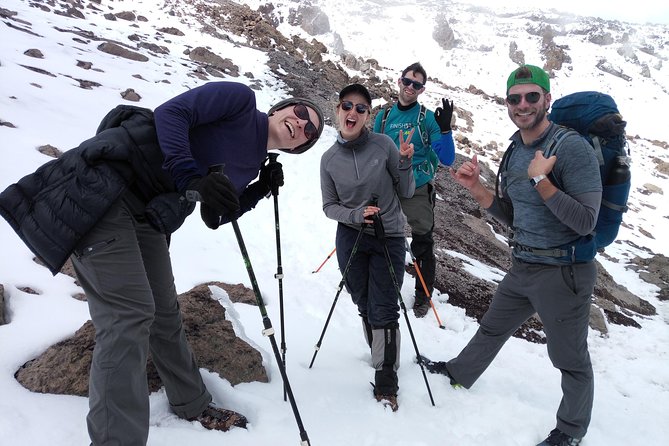
Reviewed · LEMOSHO ROUTE CLIMBS
7 days Lemosho route Climbing Mt.Kilimanjaro
The best thing about this 7-day Lemosho climb is the route itself. You start in quiet rainforest, cross the broad Shira Plateau, pass Lava Tower and Barranco Wall, then reach Uhuru Peak by way of a long, cold summit night. It gives you several distinct zones of Kilimanjaro rather than rushing straight uphill.
I like the extra day on the Shira Plateau, which gives your body useful time at altitude, and I like the strong local support team. Guides such as Goodluck, Abraham, Oscar, Bariki, Bakari, Nickson, FC, Matthew, and Tammy are named in the company’s trek experiences, while the cook and porters handle the hard work behind the scenes. The main drawback is simple: this is a demanding climb, and summit day can last many hours on little sleep.
Key points to know before booking
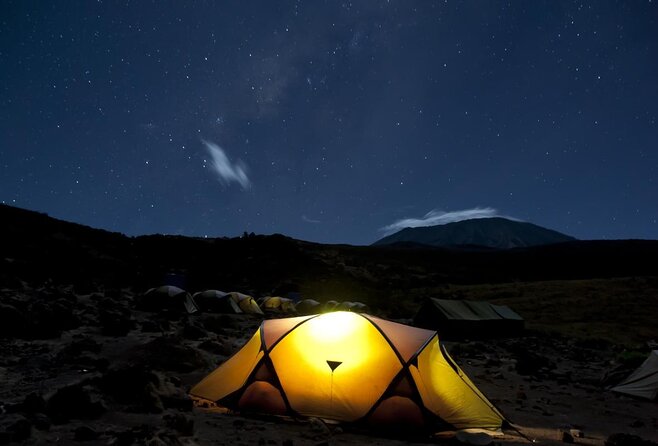
- Lemosho begins in remote rainforest, giving you a quieter start than the busier Marangu approach.
- The Shira Plateau day is a real acclimatization advantage, with walks toward Moir Hut and the Lent Hills.
- Lava Tower and Barranco Camp follow the climb-high, sleep-lower pattern, useful for adjusting to altitude.
- Summit night starts around 2 a.m., with Stella Point at 18,600 feet and Uhuru Peak at 19,345 feet.
- The $2,850 price includes park fees, rescue fees, hotels in Moshi, meals, guides, a cook, and porters, but not insurance or tips.
- The group size can reach 15 people, so ask about your likely group size if you prefer a quieter trek.
Why the Lemosho route is worth seven days
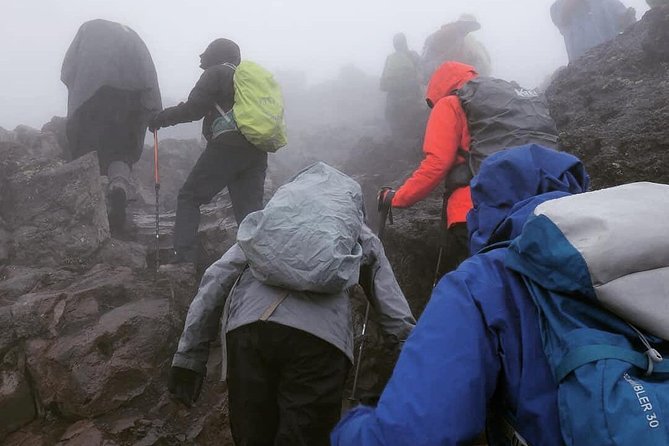
Kilimanjaro is not a technical climb in the usual mountaineering sense, but it is a serious high-altitude trek. You do not need ropes or rock-climbing skills on this itinerary, yet your body still has to cope with thin air, long walking days, cold temperatures, and a summit push that begins before dawn.
Lemosho earns its popularity by giving you time. The first days are not just a race toward the top. You move from forest to moorland, then into a dry alpine zone, with a gradual change in scenery and altitude.
I especially like the way this route uses the Shira Plateau for acclimatization. Instead of simply arriving at camp and stopping, you spend a full day walking around the plateau, with the option of continuing toward Moir Hut and the Lent Hills. That extra movement helps you adjust while giving you some of the finest early views of Kibo, Kilimanjaro’s main summit cone.
The tour is priced at $2,850 per person. That is a substantial amount, but it covers the expensive parts of a Kilimanjaro operation: park entry, rescue fees, transport to and from Kilimanjaro International Airport, two nights in Moshi, mountain guides, porters, a cook, treated and filtered water, and meals on the mountain.
You should still budget separately for international flights, travel insurance, and tips for the mountain crew. Tips are not a minor detail here. The guides, cook, and porters are central to the whole climb, and the company makes clear that gratuities are not included.
More Lemosho Route climbs:
- Kilimanjaro climb by Lemosho Route (7-day)
★ 5.0 · 651 reviews - 8-Day Small-group Lemosho Kilimanjaro Summit Trekking
★ 5.0 · 186 reviews - Kilimanjaro Climbing Lemosho Route 8 Days.
★ 5.0 · 186 reviews
Day 1: Moshi to Londorossi Gate and the rainforest
The first day begins with an early departure from Moshi, with the listed start time at 8:30 a.m. The drive to Londorossi Gate takes about four hours. Here, your crew completes park entry formalities before the vehicle continues for about another hour to the Lemosho trailhead.
That transfer makes the opening day feel longer than the hiking figures suggest. You spend much of the morning and early afternoon in the vehicle, then eat lunch at the trailhead before setting off.
The walk covers about 6 kilometers and takes three to four hours. You climb from roughly 7,800 feet to 9,500 feet through rainforest. This is a gentle introduction compared with the days ahead, but do not treat it as a throwaway stroll. You are beginning at altitude, and a slow pace is useful from the start.
The forest is the right place to settle into the group rhythm. Your guide sets the pace, porters move ahead with camp equipment, and the cook prepares dinner at camp. You sleep in tents, not mountain huts, so keep your sleeping gear organized and expect a basic outdoor routine.
Day 2: Shira Ridge and the first big Kibo views
Day two takes you out of the forest and into moorland. Tall grasses, heather, volcanic rock, and lichen replace the dense trees. The trail climbs across rolling ground and several streams before reaching Shira Ridge, then drops gently toward Shira 1 Camp.
The day covers 8 kilometers in about five to six hours, rising from 9,500 to 11,500 feet. It is a moderate distance, but the altitude begins to matter. You may notice that the same uphill effort feels harder than it would at home.
The reward is the view across the Shira Plateau toward Kibo. This is one of the route’s strongest visual moments because the mountain begins to feel like a real summit objective rather than a distant idea.
I would use this day to pay attention to hydration and appetite. Enough treated and filtered drinking water is provided, and drinking regularly is part of the job. Meals include breakfast, lunch, and dinner, which matters because you need steady fuel even when altitude reduces your desire to eat.
Day 3: A full acclimatization day on Shira
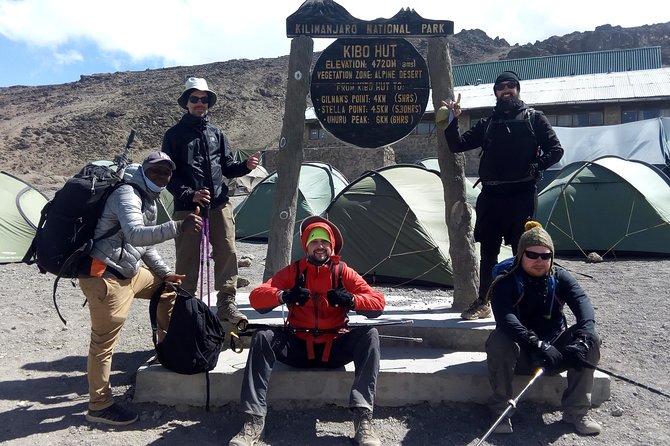
The third day is one of the smartest parts of the itinerary. You spend a full day exploring the Shira Plateau, walking east toward Kibo and continuing to Shira 2 Camp on open moorland meadows beside a stream.
The route then continues toward Moir Hut, a less-used camp at the base of the Lent Hills. The listed distance is 14 kilometers, with five to seven hours of walking, and the highest point is about 13,800 feet.
This is not a rest day in the usual sense. It is a walking day designed to help your body adjust before the harder sections. Several walks are available around the Lent Hills, so the guide can shape the effort around the group’s condition.
The Shira Plateau is also one of the more unusual settings on Kilimanjaro. It feels broad and open, with Kibo ahead and moorland underfoot. The open views can make the walking feel less enclosed than the forest day, though the high elevation can make even a gentle route tiring.
More treks and hikes around Kilimanjaro:
- Kilimanjaro climb, Machame Route (7-day)
★ 5.0 · 262 reviews - Climbing Kilimanjaro – Machame Route
★ 5.0 · 170 reviews - Climbing Kilimanjaro through 7 days Machame Route
★ 5.0 · 151 reviews - Kilimanjaro climb, Lemosho Route (8-day)
★ 5.0 · 148 reviews
Day 4: Lava Tower, Arrow Glacier junction, and Barranco
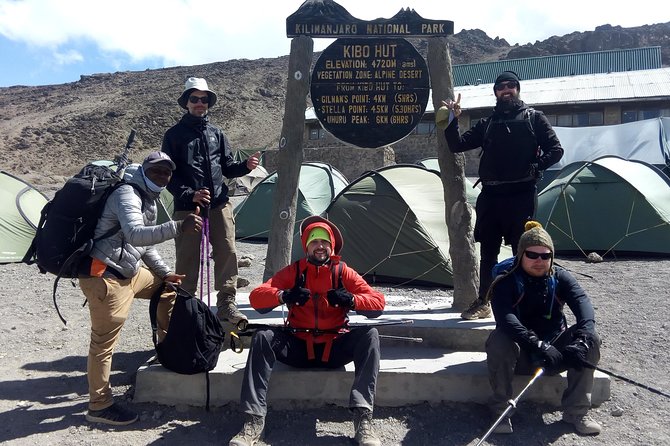
Day four uses one of Kilimanjaro’s most useful altitude patterns. You climb from Shira toward Lava Tower, also called the Shark’s Tooth, reaching about 16,000 feet near the Arrow Glacier junction. Then you descend to Barranco Camp at roughly 13,000 feet.
The day covers 7 kilometers and takes four to six hours. Although you finish near the elevation where you began, your body has spent time higher. That is the point. The climb-high, sleep-lower approach gives you a valuable adjustment period before summit night.
The scenery also changes sharply. You leave the moorland behind and enter semi-desert terrain, with volcanic rock and less plant cover. Lava Tower provides a clear sense that the mountain is becoming harsher and more exposed.
Barranco Camp is not just a place to eat dinner and sleep. It positions you below the Barranco Wall, the steep feature you tackle the next morning. If you are uneasy about exposed or steep walking, ask your guide what to expect. The supplied information describes the route as a steep ridge, but it does not present it as a technical climbing section.
Day 5: Barranco Wall, Karanga, and Barafu Camp
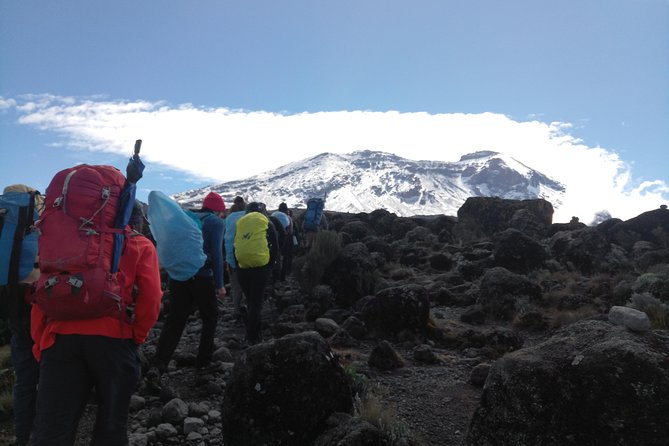
Day five is long. After breakfast, you climb the Barranco Wall, cross toward Karanga Valley, then continue toward Barafu Camp. The distance is about 9 kilometers, but the walking time is listed at eight to ten hours.
This is one of the days when the pace of the group matters. Your guides need to keep everyone moving without exhausting the people who are struggling. Past Karanga, the trail connects with the Mweka route before continuing to Barafu.
At roughly 15,000 feet, Barafu is the final camp before the summit attempt. The name means ice, and conditions can be cold and exposed. You have views of both Mawenzi and Kibo, and the route has completed the South Circuit, giving you different angles on the summit.
Dinner comes early, followed by an attempt at sleep before the alarm around 2 a.m. Organize your summit clothing, water, snacks, headlamp, gloves, and warmer layers before lying down. There is not much spare energy for searching through bags in the middle of the night.
Day 6: Stella Point, Uhuru Peak, and the long descent
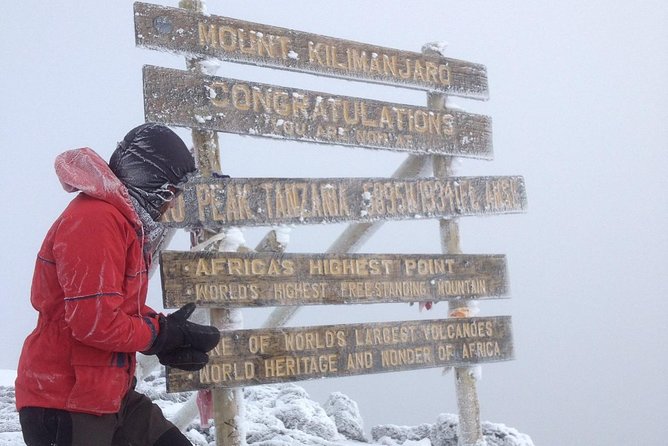
Summit day is the physical and emotional center of the trip. You leave around 2 a.m. and climb between the Rebmann and Ratzel glaciers, heading toward Stella Point on the crater rim.
The route crosses heavy scree, which can make progress slow and tiring. Stella Point sits at about 18,600 feet. If the weather cooperates, sunrise here can be spectacular. From Stella Point, the final ascent to Uhuru Peak takes about an hour and may involve snow.
Uhuru Peak reaches 19,345 feet, the highest point on Kilimanjaro and in Africa. Faster hikers may arrive in time for sunrise at the summit, but you should not treat that as the goal. The safer goal is a steady pace, careful attention to your condition, and following your guide’s instructions.
After the summit, the day is only partly finished. You descend to Mweka Hut, stopping at Barafu for lunch. The supplied schedule gives the route as descending to around 10,000 feet, though the day’s exact timing can depend on weather, pace, and how the group is feeling.
This is the day when the support crew matters most. The guides named in the company’s trek experiences are repeatedly associated with encouragement, organization, and attention to individual needs. The cook’s meals also become important here. You need food and fluids after the summit, even if you are tired and not especially hungry.
Day 7: Mweka Gate and the return to Moshi
The final day descends 10 kilometers through rainforest to Mweka Park Gate. The walking time is about three to four hours, with the trail dropping from roughly 10,000 to 5,400 feet.
The lower forest can be wet and muddy. Gaiters and trekking poles are useful, and you should keep rain gear and warmer clothing within reach even if you expect to wear shorts and a T-shirt later in the day.
At the gate, you receive your summit certificate. From there, the route continues for about another hour to Mweka Village, where a vehicle takes you back to your hotel in Moshi.
This return transfer is included in the overall support arrangement, along with private transport between Kilimanjaro International Airport and your Moshi accommodation. Two nights of Moshi accommodation are included, which gives you a useful buffer before or after the mountain. The schedule also leaves room for a safari, a flight to Zanzibar, or your journey home.
Food, camping, and the mountain crew
The tour includes seven breakfasts, six lunches, and six dinners. The meals are prepared by a mountain cook, and the supplied experiences repeatedly praise the food as plentiful. That is good news on a climb where calories matter.
You camp throughout the mountain portion. The package does not describe tent specifications or bathroom arrangements, so ask Kilisa for those details before booking if comfort standards matter to you.
The crew includes guides, a cook, and porters. Specific guides connected with the company include Goodluck Mwanga, Abraham, Oscar, Bariki, Bakari, Nickson, FC, Matthew, and Tammy. You may not have all of them on one departure, but the names give you useful points to ask about when confirming your booking.
A group can include up to 15 people. That is a reasonable maximum for a mountain operation, but it is large enough that walking speeds and fitness levels may vary. If you want a more personal experience, ask whether a smaller private group is possible.
Safety, fitness, and what to pack
You need a strong level of physical fitness for this climb. The distance alone is manageable for many fit hikers, but the altitude, cold, early starts, and summit descent make the trip demanding.
The package includes Team Kilimanjaro Rescue fees and an emergency first-aid kit. Those are useful safeguards, but they do not replace travel insurance. Insurance is not included, and you should arrange cover before arrival.
Pack for changing conditions. The itinerary moves from wet forest to moorland, semi-desert, alpine desert, and possible snow near the summit. Bring reliable rain gear, warm summit clothing, gloves, trekking poles, gaiters, and a headlamp. The final descent can be muddy, while Barafu and the summit can be very cold.
The guides’ role is not only to point out the trail. They control the pace, monitor how you are coping, and help the group prepare for summit night. Tell them early if you have a problem. Waiting until you are seriously unwell makes every decision harder.
Is $2,850 good value?
At $2,850 per person, this is not a budget walk. I see the price as reasonable for a seven-day route with a full acclimatization day and a support team.
You are paying for more than trail access. Park entry, rescue fees, airport transfers, Moshi accommodation, food, water, guides, a cook, and porters are all built in. The extra Shira day also adds practical value because it gives you more time to adjust before the highest sections.
The price does not include flights, insurance, or tips. Those costs can change the final budget, so work them out before you commit. I would also confirm exactly what the two Moshi hotel nights cover and ask about the camping equipment supplied.
Kilisa has a 5 out of 5 rating from 31 listed reviews and a 100 percent recommendation figure. The most consistent praise centers on professional guides, friendly support, good food, careful organization, and a sense that the crew looks after people from the first airport transfer through the return to Moshi.
Should you book the 7-day Lemosho climb?
I would choose this trip if you want a scenic route, a full week on the mountain, and a locally based crew that handles the heavy logistics. It suits a fit first-time Kilimanjaro climber who values patient pacing, strong support, and varied scenery more than a cheap or rushed ascent.
I would not choose it if you want a relaxed holiday, dislike camping, or are not ready for a 2 a.m. summit start followed by a long descent. Ask about group size, tent arrangements, guide assignment, and tipping expectations before paying.
For the right person, the Lemosho route offers the best kind of Kilimanjaro challenge: gradual, varied, and properly supported, with enough time to give your body a fair chance at the summit.
FAQ
How long is the Kilimanjaro experience?
The mountain itinerary lasts seven days, with an additional departure day available for your next destination, safari, Zanzibar flight, or journey home.
Where does the climb begin?
The climb begins after traveling from Moshi to Londorossi Gate and then continuing to the Lemosho trailhead.
What time does the tour start?
The listed start time is 8:30 a.m.
How high is Uhuru Peak?
Uhuru Peak is listed at 19,345 feet above sea level.
How early does summit day begin?
The summit attempt begins around 2 a.m. on day six.
Is accommodation included?
Yes. The package includes two nights of accommodation in Moshi, while accommodation on the mountain is camping.
Are meals included?
Yes. The package includes seven breakfasts, six lunches, and six dinners.
Is drinking water provided?
Yes. Treated and filtered drinking water is provided throughout the trek.
Are guides and porters included?
Yes. The package includes mountain guides, a cook, and porters.
Is travel insurance included?
No. Travel insurance, flights, and tips for guides, porters, and the cook are not included.
How many people can join the group?
The activity can have a maximum of 15 participants.
Can I cancel for a full refund?
You can receive a full refund if you cancel at least 24 hours before the experience start time. Cancellations or changes made less than 24 hours beforehand are not accepted for a refund. If poor weather causes cancellation, you will be offered another date or a full refund.
More Seven-Day Trips in Kilimanjaro
- 7-Day Machame Kilimanjaro Summit Tour from Arusha
★ 5.0 · 125 reviews - 7 Days Kilimanjaro via Machame route affordable price
★ 5.0 · 110 reviews - Private Kilimanjaro Hike 7 Day Lemosho Route
★ 5.0 · 60 reviews - 7 Days Machame route – Kilimanjaro
★ 5.0 · 45 reviews
Just added around Kilimanjaro
- 6 days Machame route climbing Mt.Kilimanjaro★ 5.0 · 8 reviews
- machame route★ 5.0 · 16 reviews
- Mt Kilimanjaro 6 days Marangu route hike★ 5.0 · 3 reviews
- Private Cycle to Kilimanjaro Bike Park Safari★ 5.0 · 6 reviews
- West Kilimanjaro cycling Adventures★ 4.5 · 8 reviews
- Kilimanjaro Climb • Marangu Route ~ 9 Day★ 5.0 · 4 reviews
- 3 Days Private E-Bike Tour in West Kilimanjaro★ 5.0 · 3 reviews
- Kilimanjaro Climb • Machame Route ~ 10 Day★ 5.0 · 6 reviews