
Reviewed · LEMOSHO ROUTE CLIMBS
Climb Kilimanjaro – Lemosho Route 7 Day Climb
The best part of this Kilimanjaro climb is its quiet western approach. You begin in the Lemosho Glades, where an armed ranger accompanies the group because wildlife is common in the forest. Then the route crosses the broad Shira Plateau before joining Kilimanjaro’s southern trail for the summit push.
I like the slow acclimatization plan and the built-in night at Lava Tower followed by a descent to Barranco. I also like the practical package: airport pickup, hotel nights, tents, meals, porters, guides, rescue fees, and mountain entry costs are included. The drawback is simple: this is a hard climb, with a 15-hour summit day and a non-refundable booking policy.
Key points before you book
- A remote start: The Lemosho Glades offer a quieter route and a chance to see wildlife in the forest, with an armed ranger accompanying the group.
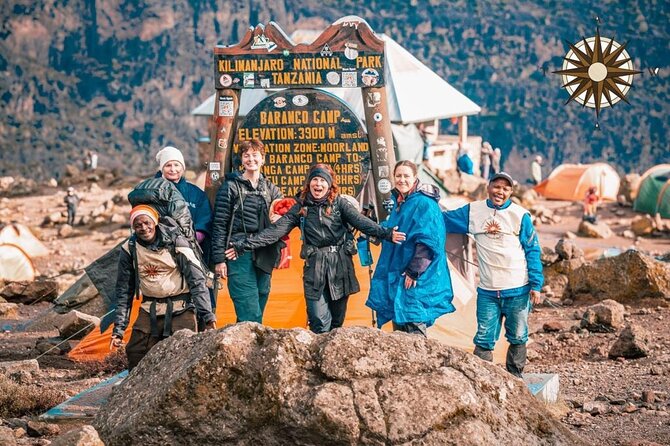
- A strong acclimatization pattern: You climb to Lava Tower at about 4,600 meters, then sleep lower at Barranco.
- A very long summit day: Expect roughly 17 kilometers of hiking and 15 or more hours on Day 7.
- A small group size: The maximum is 12 people, which matters on narrow trails and during the summit attempt.
- A mostly bundled price: The $2,280 cost includes mountain staff, meals, equipment, transport, hotel nights, rescue fees, and park-related costs.
- Extra expenses remain: Visa, insurance, gear hire, a single room, flights, and suggested staff tips are not included.
Why the Lemosho route earns its reputation
Kilimanjaro is not a technical climbing trip in the usual mountaineering sense, but it is a serious high-altitude trek. The challenge comes from thin air, long walking days, cold, rough ground, and the final climb through darkness.
Lemosho is a good route for people who want more than the quickest path to the summit. The western approach feels remote, and the first days pass through forest, moorland, and the Shira Plateau before the route reaches the busier southern section.
The wildlife element is unusual. The forest around the Lemosho Glades has enough animal activity that groups are accompanied by an armed ranger. That does not turn the climb into a safari, but the long drive and walk toward the first camp give you one of the better chances to see large animals on Kilimanjaro.
The route also gives your body time to adjust. You spend several days moving gradually higher before the final summit attempt. That matters more than simply counting kilometers. On Kilimanjaro, a patient pace is not a luxury. It is part of your best chance of reaching Uhuru Peak.
More Lemosho Route climbs:
- Kilimanjaro climb by Lemosho Route (7-day)
★ 5.0 · 651 reviews - 8-Day Small-group Lemosho Kilimanjaro Summit Trekking
★ 5.0 · 186 reviews - Kilimanjaro Climbing Lemosho Route 8 Days.
★ 5.0 · 186 reviews
Arrival in Tanzania and the Springlands Hotel
Your first day begins with pickup at Kilimanjaro International Airport and transfer to Springlands Hotel or a similar property. The package includes two nights in Moshi on a bed-and-breakfast basis, one before the climb and one after it.
This overnight is useful for more than sleep. You can recover from your flight, organize your mountain gear, and meet the team before heading into the park. The morning transfer to the trailhead is long, listed at about five hours, so an airport arrival that allows a full rest period is helpful.
A single room costs an additional $50 per person. International and domestic flights are not included, and Tanzania’s entry visa is listed at $50. You also need travel and health insurance. The operator says it can help arrange insurance if you do not have it, but you should confirm the exact policy and coverage before departure.
Day 2: the Lemosho Glades and Mt. Mkubwa
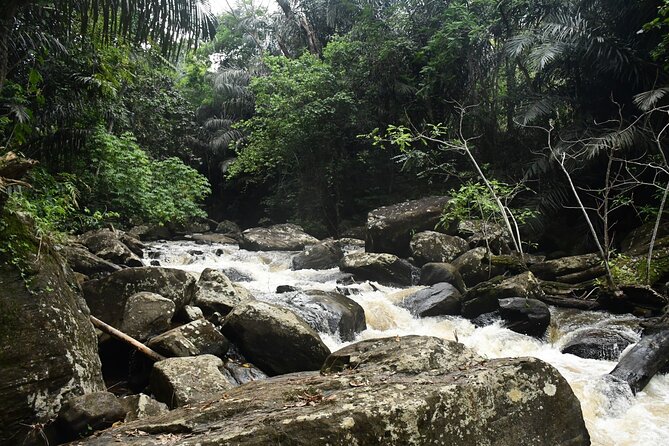
After breakfast, you drive toward the Londorosi Park Gate, then continue through the western side of Kilimanjaro. The drive takes about five hours, but it is part of the experience rather than dead time. The route through the Shira area offers one of the better chances for seeing large game on the mountain.
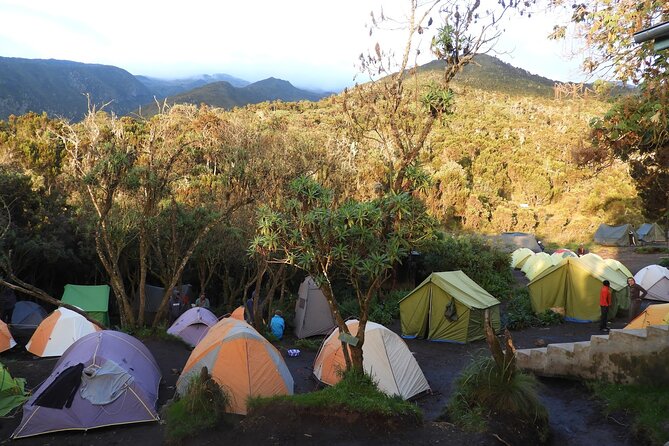
The first walk is short by Kilimanjaro standards: about 5 kilometers and three hours. You climb from roughly 2,200 to 2,600 meters and finish at Mt. Mkubwa Camp.
This first day is designed to ease you into the trek. You will have dinner at camp, and the mountain staff sets up the sleeping arrangements. The forest setting and ranger escort give this opening day a different feel from the more familiar southern routes.
Do not expect a full wildlife outing. The point is to walk through a remote part of the mountain while keeping your eyes open. Animal sightings are never guaranteed, and the main focus remains the climb.
Day 3: from Mti Mkubwa to Shira Camp
The second mountain day covers about 10 kilometers and takes four to five hours. You climb from around 2,600 to 3,600 meters, moving out of the lower forest and into moorland.
The pace should be calm. The route description specifically emphasizes taking time for acclimatization, and this is where the slow rhythm begins to pay off. You may be eager to move quickly while your legs feel fresh, but fast walking now does not help later.
At Shira Camp, Kibo’s west face rises above the camp. After lunch, you can rest, help settle into camp, or take a short day walk. Large shrubs and wildflowers dominate this part of the route, giving you a marked change from the forest below.
This is one of the more pleasant days of the climb because the walking hours are manageable. The altitude is already serious, though, so pay attention to how you feel. Headaches, breathlessness, or unusual fatigue should be reported to your guide rather than brushed aside.
More treks and hikes around Kilimanjaro:
- Kilimanjaro climb, Machame Route (7-day)
★ 5.0 · 262 reviews - Climbing Kilimanjaro – Machame Route
★ 5.0 · 170 reviews - Climbing Kilimanjaro through 7 days Machame Route
★ 5.0 · 151 reviews - Kilimanjaro climb, Lemosho Route (8-day)
★ 5.0 · 148 reviews
Day 4: Shira Camp 2 and another gentle altitude gain
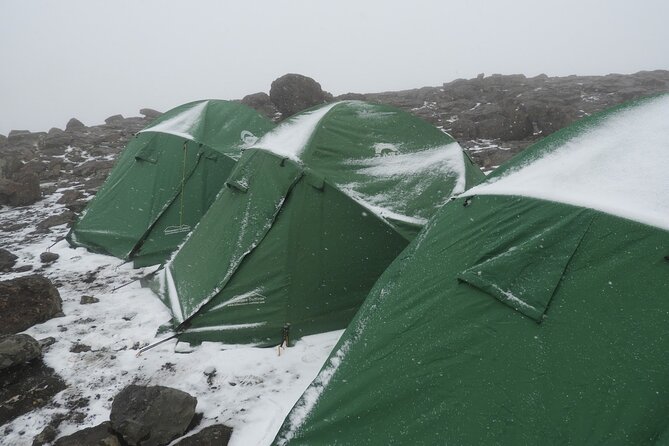
Day 4 is another acclimatization day. You walk about 10 kilometers in five to six hours, moving from roughly 3,600 to 3,840 meters at Shira Camp 2.
The gain in altitude is modest, but that is the point. A climb that keeps pushing sharply upward can leave you exhausted before the summit. This route gives you a longer period to adjust while still putting miles under your boots.
The terrain becomes more open and exposed as you leave the lower moorland. You should be ready for changing temperatures and wind, even if the day begins comfortably. Keep a warm layer and rain protection handy rather than buried at the bottom of your bag.
The itinerary allows time at camp, but it does not promise a specific side trip. Ask your guide what is sensible on the day. Rest is a useful part of the program, not wasted time.
Day 5: Lava Tower, 4,600 meters, then down to Barranco
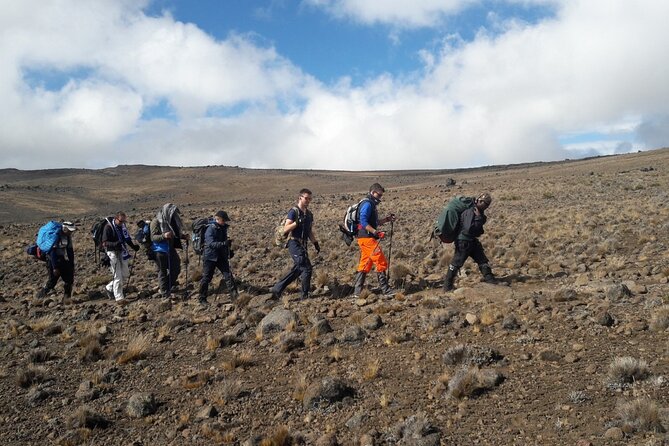
This is the key acclimatization day and one of the toughest before the summit. The route turns east through semi-desert and rocky terrain, eventually reaching Lava Tower at about 4,600 meters after roughly five hours of walking.
The day covers about 11 kilometers and is listed at seven to eight hours. The published altitude figures vary between the day summary and the detailed route description, but the important point is clear: you climb high to Lava Tower and then descend to the Barranco area at about 3,960 meters.
That climb high, sleep lower pattern is one of the best features of the itinerary. You expose your body to greater altitude during the day, then return to a lower camp for the night. It can feel uncomfortable, especially when headaches, shortness of breath, or irritability first appear, but the descent gives your body a better chance to adjust.
Lunch is served near Lava Tower before the descent. The rocky scree can make the climb tiring, and this is not the day to race ahead. Use trekking poles if you have them, drink regularly, and keep your pace steady.
By the time you reach Barranco, you will likely be tired. That is normal. This day earns its place in the itinerary because it prepares you for the much higher summit attempt.
Day 6: Barranco preparation and cold, exposed camping
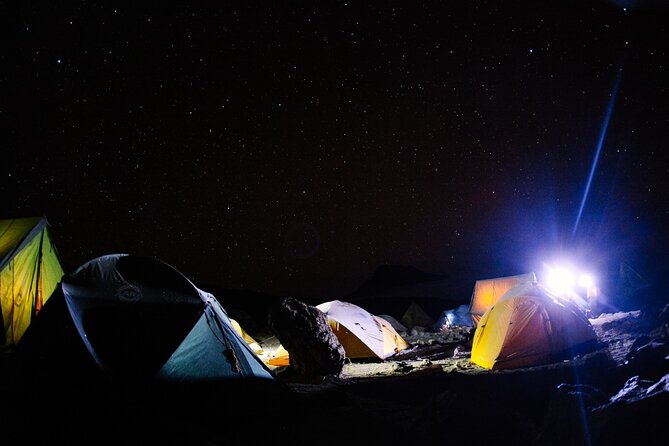
The Day 6 description includes a long, exposed camp section and places the camp around 4,640 meters, with the summit still about 1,345 meters higher. You hike for roughly seven to eight hours over about 11 kilometers.
The campsite is described as narrow, stony, and exposed to strong winds. Take care after dark, especially when moving around camp. The uneven ground is easy to underestimate when you are tired.
This is also your final preparation period. Sort your summit clothing, headlamp, batteries, camera batteries, trekking poles, and water. A spare battery set is sensible because the summit attempt begins at night and cold can reduce battery life. A thermal flask helps keep water from freezing.
The planned sleep period is short. You go to bed around 7 p.m. and rest for no more than five hours before rising around 11:30 p.m. That broken night is one of the hardest mental parts of the climb. Do not expect to feel refreshed. The goal is simply to rest as much as possible before the final push.
Day 7: Stella Point, Uhuru Peak, and the long descent
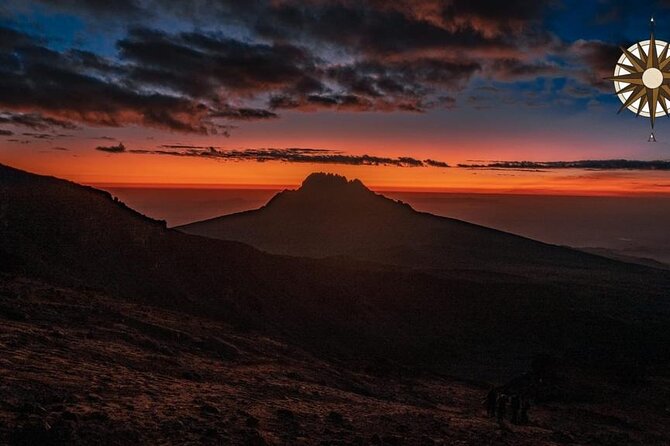
Summit day begins around 11:30 p.m. with tea and biscuits. You climb into the night toward Stella Point, moving through heavy scree toward the crater rim.
The climb to Stella Point takes about six hours and is described as the most difficult section for many climbers. The altitude is extreme, the ground is loose, and the darkness makes the effort feel endless. Your guide will set the walking rhythm, and your job is to keep moving at a pace you can sustain.
At Stella Point, around 5,685 meters, you pause for a short rest. If weather allows, sunrise is the reward. From there, the route continues toward Uhuru Peak at 5,895 meters, normally over snow and for about two more hours.
The summit stop depends on weather, energy, and safety. Do not treat the final photograph as more important than your condition. Reaching Stella Point earns a green certificate, while reaching Uhuru Peak earns a gold certificate.
The descent is not a small footnote. Day 7 totals about 17 kilometers and more than 15 hours, and the combined ascent and descent can leave your knees and feet aching. After the summit, you descend to the Mweka route and continue toward camp. This is the day when good boots, useful layers, water management, and a patient guide matter most.
Day 8: Mweka Gate, a shower, and your certificate
After breakfast, you continue down from Mweka Gate toward Mweka village. The walk is listed at about five hours and can be muddy and long.
The change from high mountain terrain to lower ground feels welcome, but do not assume the descent is easy. Tired legs and wet ground can create their own problems. Take care on slippery sections and keep your pace controlled.
From Mweka village, transport returns you to Springlands Hotel. A hot lunch and a long shower are included, which will feel well earned after the summit day. Successful climbers receive their certificates at the hotel, with green certificates for Stella Point and gold certificates for Uhuru Peak.
This second hotel night also gives you a proper place to sleep before your flight home. It is a small but valuable comfort in a program that spends most of its time camping.
Day 9: airport transfer and the final practical details
After an early breakfast, you transfer to Kilimanjaro International Airport. The listed transfer time is about 30 minutes, though you should confirm the departure schedule and allow enough time for airport procedures.
The base price is $2,280 per person. For a nine-day program, that represents a substantial bundle of services: airport pickup, two hotel nights, transport to and from the mountain, park and entry costs, rescue fees, tents, sleeping mattresses, guides, porters, cooks, and meals on the mountain.
Six dinners, nine breakfasts, and six lunches are included. Flights, the visa, insurance, gear rental, and the single-room supplement are extra. Suggested tips for the guides, porters, and cook are listed at $250 to $350 per person. The amount is described as optional, but you should budget for it if you want to recognize the mountain crew’s work.
The small maximum group size of 12 helps explain the price. It also gives the guides room to monitor the pace and condition of the group more closely than a very large departure might.
Guides, meals, porters, and the human side of the climb
The quality of the mountain staff can shape your entire experience. The operation has used guides named Izadin and Kimbi, and chef Salim is associated with the food on at least one climb. Gabriel is connected with trip planning and communication.
You should not assume any particular person will lead your departure. Ask for the guide and staff arrangement before you pay, especially if personal support is important to you.
Meals are included throughout the mountain portion, and a cook travels with the group. That matters because you need regular food during long walking days, particularly before and after the summit attempt. The package also pays the salaries and mountain entry costs for guides, porters, and cooks.
You should still plan your own snacks and preferred drinks if you have strong dietary needs. The supplied information does not specify a menu or dietary program, so confirm this in advance.
Who should book this climb?
This route suits you if you have a moderate level of fitness, can walk for many hours, and are comfortable camping in cold, exposed conditions. You do not need to be an elite athlete, but you do need to accept that the summit day is a major physical effort.
I would choose this program if you value a quieter start, several acclimatization days, and a full-service setup. It is also a good fit if you want the western forest and Shira Plateau rather than a faster, more direct approach.
I would hesitate if you dislike rough camping, struggle with long descents, or need a flexible cancellation arrangement. The experience is non-refundable and cannot be changed for any reason after booking. That makes insurance and careful planning especially important.
Should you book the 7 day Lemosho climb?
Book it if you want a well-supported Kilimanjaro route with a remote opening, a thoughtful altitude plan, and most major climbing costs included. The Lemosho start, ranger escort, Lava Tower acclimatization day, and Mweka descent make this more than a simple race to the summit.
Before paying, confirm the exact camp sequence, guide assignment, meal arrangements, equipment available for hire, single-room cost, insurance terms, and expected tip budget. If you are physically ready for the long summit night and accept the strict cancellation terms, the $2,280 price offers solid value for a nine-day mountain program.
FAQ
How long is the full experience?
The program lasts approximately nine days, including arrival, seven mountain climbing days, a hotel night after the descent, and departure.
How much does the climb cost?
The listed price is $2,280 per person.
What is the maximum group size?
The maximum group size is 12 people.
Is airport pickup included?
Yes. Airport pickup from Kilimanjaro International Airport is included, along with the transfer back to the airport at the end.
Are hotel nights included?
Yes. Two nights at Springlands Hotel or a similar property are included on a bed-and-breakfast basis. A single room costs an additional $50 per person.
Are meals included on the mountain?
Yes. The package includes six dinners, nine breakfasts, and six lunches.
Are guides and porters included?
Yes. Guides, porters, and cooks are included, along with their salaries, accommodation, and mountain entry fees.
Is mountain equipment provided?
Tents and sleeping mattresses are included. Sleeping bags, clothing, shoes, and other mountain gear are available for hire at an additional cost.
What expenses are not included?
Flights, the $50 Tanzania entry visa, travel and health insurance, the single-room supplement, hired gear, and guide, porter, and cook tips are not included. Suggested tips are listed at $250 to $350 per person.
More Seven-Day Trips in Kilimanjaro
- 7-Day Machame Kilimanjaro Summit Tour from Arusha
★ 5.0 · 125 reviews - 7 Days Kilimanjaro via Machame route affordable price
★ 5.0 · 110 reviews - Private Kilimanjaro Hike 7 Day Lemosho Route
★ 5.0 · 60 reviews - 7 Days Machame route – Kilimanjaro
★ 5.0 · 45 reviews
Just added around Kilimanjaro
- 6 days Machame route climbing Mt.Kilimanjaro★ 5.0 · 8 reviews
- machame route★ 5.0 · 16 reviews
- Mt Kilimanjaro 6 days Marangu route hike★ 5.0 · 3 reviews
- Private Cycle to Kilimanjaro Bike Park Safari★ 5.0 · 6 reviews
- West Kilimanjaro cycling Adventures★ 4.5 · 8 reviews
- Kilimanjaro Climb • Marangu Route ~ 9 Day★ 5.0 · 4 reviews
- 3 Days Private E-Bike Tour in West Kilimanjaro★ 5.0 · 3 reviews
- Kilimanjaro Climb • Machame Route ~ 10 Day★ 5.0 · 6 reviews