
Reviewed · LEMOSHO ROUTE CLIMBS
Small-group 7-day Lemosho Route Kilimanjaro Climb from Arusha
The Lemosho Route gives you a stronger sense of progression than Kilimanjaro’s shorter, busier-feeling approaches. You begin in thick rainforest, cross the open Shira Plateau, pass Lava Tower and Barranco Wall, then reach the summit by way of Barafu Camp. I like the changing scenery and the small maximum group size of six, which should make pacing and communication easier.
I also like that the price includes the working parts of a serious mountain trip: guides, cook, porters, camping gear, meals, water, transfers, and hotel stays. The catch is simple: seven days is demanding, and the summit night lasts about 12 hours. This is not a casual walk, even though most people can take part if they prepare properly.
Key points to know before booking
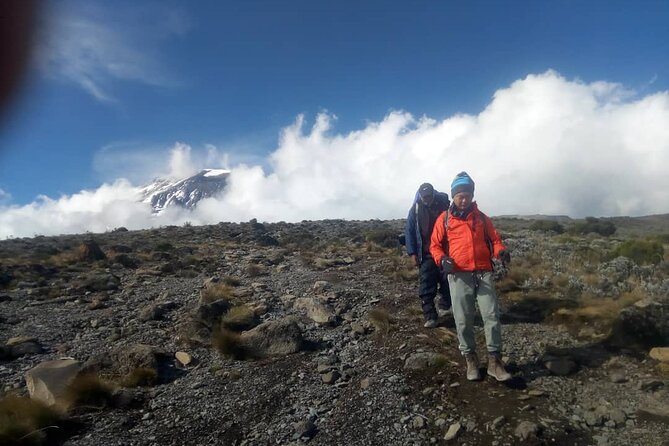
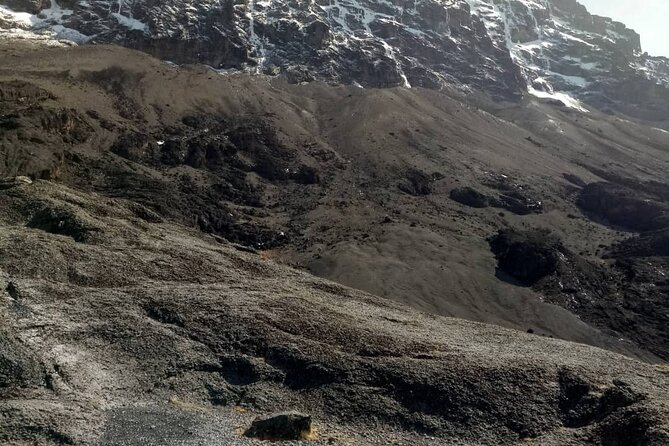
- A western start with varied terrain: Rainforest, moorland, Shira Plateau, volcanic rock, scree, and summit snow all appear along the route.
- A small group of up to six: A useful size for keeping the team together and allowing the guides to watch your pace.
- Day three helps with acclimatization: You climb high toward Lava Tower, then sleep lower at Barranco Camp.
- The Barranco Wall is a real highlight: It involves steep, hands-on passages, but the crew is experienced with the route.
- Summit night is the major test: Expect a long ascent to Stella Point, then another hour to Uhuru Peak.
- The $2,400 price covers a lot: Meals, tents, mountain staff, hotel nights, park-related fees, water, and transfers are included.
Why the Lemosho Route earns its seven days
Lemosho is a good choice if you want more than a direct march to the summit. The route begins on the western side of Kilimanjaro and spends its first two days moving through the rainforest before reaching higher, cooler ground. The scenery changes often, which helps break up the physical effort.
Compared with Marangu and Rongai, this route is more challenging. That difficulty comes from steep sections, longer walking days, high camps, and the need to climb high before sleeping lower. The plan is not built around speed. It gives you time to cross the Shira Plateau, reach Lava Tower, and descend to Barranco before the final push.
The group limit of six is important. On a mountain trip, a small team usually means less waiting at the trailhead, clearer contact with the guide, and fewer different walking speeds to manage. It does not make the climb easy, but it can make the days feel more organized.
More Lemosho Route climbs:
- Kilimanjaro climb by Lemosho Route (7-day)
★ 5.0 · 651 reviews - 8-Day Small-group Lemosho Kilimanjaro Summit Trekking
★ 5.0 · 186 reviews - Kilimanjaro Climbing Lemosho Route 8 Days.
★ 5.0 · 186 reviews
Day 1: Rainforest from 2,389 to 2,785 meters
Your first day begins with a drive from Moshi of about 45 minutes to the Kilimanjaro National Park Gate. The tour starts at 8:30 in the morning, and the gate can be a busy place as permits are prepared and mountain crews organize supplies.
That waiting time is part of the Kilimanjaro experience. You are not simply stepping out of a vehicle and walking straight uphill. Park entry and crew arrangements take time, so bring patience and keep a snack handy.
The trail then enters the rainforest. At this height, the air is usually warmer and the vegetation is thick. Your English-speaking guide can point out local plants, ferns, and wildlife as the trail climbs. The day covers about four hours and gains 396 meters, making it a relatively gentle beginning.
The main nuisance is mud. The lower trail can be wet, slippery, and windy, so gaiters and trekking poles are worth taking. Good boots matter here, not just at the summit. You spend the night in mountain tents, with the first night intended to help you settle into the routine of walking, eating, and sleeping outdoors.
Day 2: Leaving the trees for Shira Plateau
Day two is longer and more exposed. You climb from 2,785 to 3,895 meters, gaining 1,110 meters over about eight hours. After breakfast, the rainforest gives way to heath and moorland, with wider views and fewer trees.
This is where the Lemosho Route begins to feel like a high-altitude trek. Temperatures drop, the trail climbs steadily, and the scenery opens around you. Ferns and ericas replace the dense lower forest, and the broad views from the edge of Shira Plateau give you a better sense of Kilimanjaro’s scale.
The day is not technically described as the hardest, but the combination of distance and altitude can catch you off guard. Walk slowly and let the guide set the rhythm. You should not judge your summit chances by how strong you feel at the gate or during the first few hours.
Eight hours on your feet also makes lunch and water planning important. Meals and clean drinking water are included, along with tea or coffee, but you still need to keep drinking throughout the day. The route is more exposed here, so have warm layers ready rather than buried at the bottom of your bag.
Day 3: Lava Tower and the useful descent to Barranco
Day three covers about seven hours, but its altitude profile is more important than its total distance. You start around 3,895 meters, climb toward Lava Tower at about 4,650 meters, then descend to Barranco Camp at roughly 3,986 meters.
This is classic acclimatization planning. You go high during the day and sleep lower at night. The gain by bedtime is only about 91 meters, yet your body has spent time at a much higher elevation.
The route crosses Shira Plateau and continues east along a ridge. You pass the junction toward Kibo Peak before heading southeast toward Lava Tower, also known as the Shark’s Tooth. After Lava Tower, there is a junction toward Arrow Glacier, then the trail drops toward Barranco.
This day can feel strange because you work hard uphill and finish nearly where you began. That is intentional. The descent may make the schedule feel less efficient, but it is one of the most valuable parts of the plan for handling altitude.
You should also expect a more rugged trail, with steep passages and volcanic terrain. The payoff is a striking change in scenery and a better position for the days ahead. This is one reason I would choose Lemosho over a route that tries to rush you upward.
More treks and hikes around Kilimanjaro:
- Kilimanjaro climb, Machame Route (7-day)
★ 5.0 · 262 reviews - Climbing Kilimanjaro – Machame Route
★ 5.0 · 170 reviews - Climbing Kilimanjaro through 7 days Machame Route
★ 5.0 · 151 reviews - Kilimanjaro climb, Lemosho Route (8-day)
★ 5.0 · 148 reviews
Day 4: Barranco Wall and Karanga Camp
After breakfast, the route tackles Barranco Wall and continues to Karanga Camp. The day takes about five hours, with only a 48-meter net gain from 3,986 to 4,034 meters.
Do not let the small altitude gain fool you. The Barranco Wall is one of the more adventurous sections of the trip. You will use your hands at times and move carefully through steep ground. It is not described as a technical climbing route, but it is more involved than an ordinary hiking path.
This is also a day when the crew becomes part of the experience. The guides and porters know the wall well, and the supplied trip details specifically highlight how quickly and confidently the crew moves across it. Watch their footwork, follow instructions, and keep your daypack secure.
Karanga Camp sits at a similar height to Barranco, so this is another useful acclimatization day. It is a shorter walking day, but the wall gives it plenty of character. I like this balance: you get a memorable section without forcing a huge altitude gain immediately afterward.
Day 5: Barafu Camp and the South Circuit
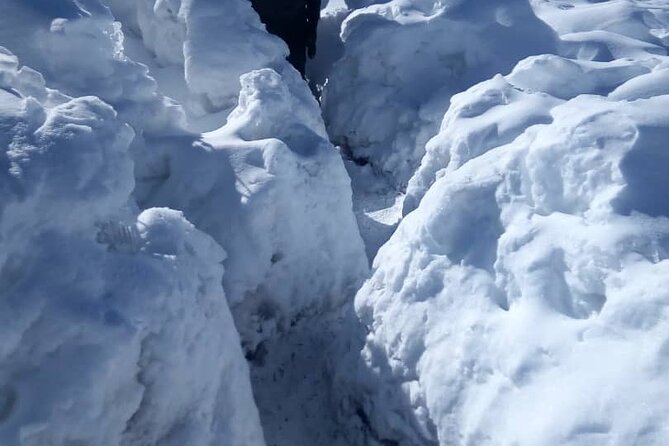
The fifth day takes about five hours and climbs from 4,034 to 4,662 meters. You continue toward Barafu Camp, completing the South Circuit and gaining views of the summit from several angles.
Barafu means you are now at the high camp used for the summit attempt. The air is thinner, the surroundings are more severe, and comfort becomes less important than rest and preparation. You have an early dinner, then try to sleep before the night ascent.
That early start to dinner is practical, but it can also be awkward. You may not feel hungry at the usual time, yet you need calories for the long effort ahead. Eat what you can, organize your clothing and headlamp before lying down, and keep essential items close.
The camp height is a serious reminder that the summit is not guaranteed. Guides use safety equipment such as oxygen and pulse oximeters, and those tools are intended for monitoring and emergency support, not as a substitute for sensible pacing. Tell your guide promptly if you feel unwell.
Day 6: Stella Point, Uhuru Peak, and the longest hours
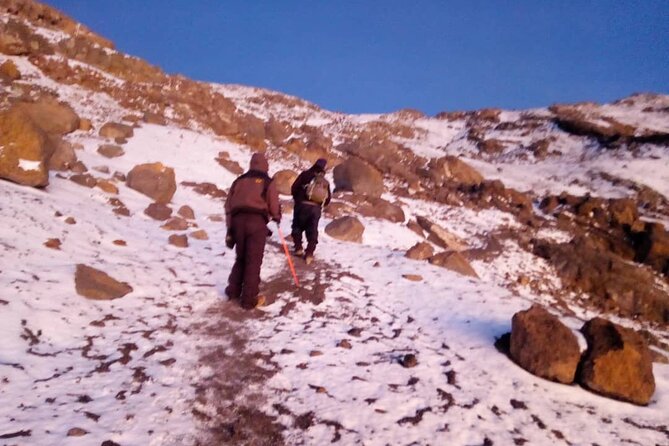
Summit day is the part that demands the most from you. The ascent begins between the Rebmann and Ratzel glaciers, then continues by switchbacks through heavy scree toward Stella Point on the crater rim.
The schedule allows about 12 hours for the day. You climb in darkness for part of the route, stay warm as best you can, and focus on one steady step at a time. The exact pace depends on the group and conditions, but this is the point where patience matters more than speed.
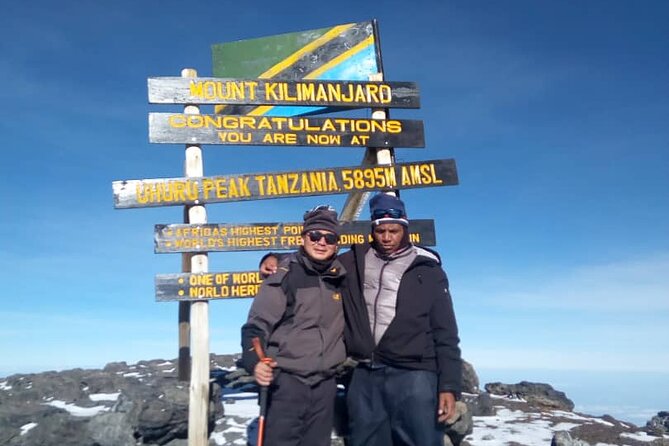
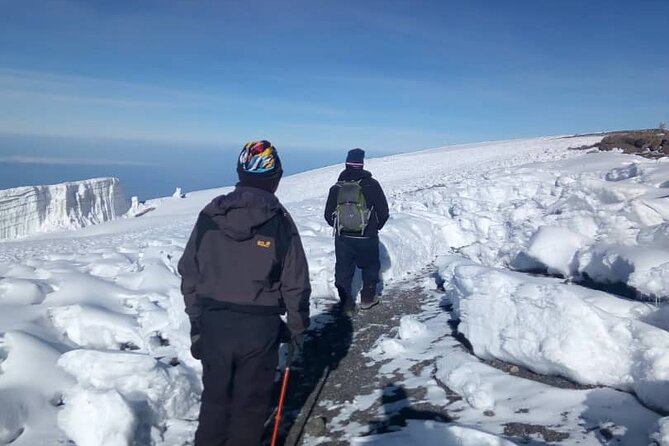
At Stella Point, you may see sunrise during a short rest. Faster walkers might reach the summit for sunrise, but you should not race to match them. The remaining climb to Uhuru Peak takes about an hour and may include snow.
Reaching Uhuru Peak is the goal, but the summit is only half of this day. After photos and a short celebration, you still need to descend. The return is tiring because your legs have already worked for hours, and loose scree can make the downhill feel unstable.
The description does not give a precise overnight camp for this part of the route, so you should confirm the exact post-summit sleeping arrangement before departure. The important point is that summit day is long, physical, and followed by further descent.
Day 7: A muddy finish through Mweka
The final day descends from about 3,106 to 1,633 meters and takes roughly four hours. After breakfast, there is a ceremony of appreciation and team bonding with the mountain crew before you continue toward Mweka Park Gate.
The lower route can be steep, wet, and muddy, especially as you return to warmer conditions. Pack gaiters and trekking poles where you can reach them. Many people focus on summit gear and forget that the descent can be hard on tired knees.
At Mweka Gate, you receive your summit certificate. A vehicle then meets you at Mweka village for the roughly 30-minute drive back to your hotel in Moshi. The promise of a hot shower, dinner, and a real bed is not a minor detail at this point. It is part of the reward.
The package includes overnight hotel stays, but the supplied details do not specify the hotel name or exact number of hotel nights. Ask for those details before booking if accommodation standards are important to you.
What the $2,400 price includes
At $2,400 per person, this is not a budget walk in the ordinary sense, but it includes many costs that can quickly add up on a mountain trip. The package covers all fees and taxes, an English-speaking professional guide, a cook, porters, tents, sleeping mats, chairs, tables, meals, drinking water, bottled water, tea, coffee, and listed transfers.
It also includes hotel and mountain accommodation. The meal allowance is listed as eight breakfasts, seven dinners, and eight lunches. That is more than the seven-day label might suggest, so confirm the exact meal schedule with the operator.
The strong point is that the price is built around a full support team rather than a guide-only walking service. Earlier reports connected with this operator specifically praise the food, guides, porters, and use of oxygen and pulse oximeters. The crew names Kenedy and Julius are also associated with a Lemosho traverse, so you can ask if either will lead your departure.
You still need to budget for flights, a Tanzanian visa, alcohol and soft drinks, tips, and personal purchases. Tips are not a small afterthought on a Kilimanjaro climb, since the porters, cook, and guides do much of the work that keeps the trip moving.
Who should book this climb?
I would choose this trip if you want a small-group Kilimanjaro climb with varied scenery and a route that gives acclimatization some real attention. It suits fit walkers who are ready for long days, cold camps, steep trail sections, and a demanding summit night.
It is less suitable if you want a gentle holiday, a fixed hotel-based schedule, or a short walk with minimal preparation. The Lemosho Route is more challenging than Marangu and Rongai, and the 12-hour summit day is a serious commitment.
The tour says most people can participate, but that should not be read as a promise that altitude will affect everyone the same way. Prepare carefully, follow the guide’s pace, and discuss any medical concerns before booking.
The experience is also a good match if you value authentic teamwork. The crew handles food, tents, equipment, and route support, while you contribute patience, stamina, and respect for the mountain staff. Reports connected with the trip praise the organization and the team, including one group that kept in touch with its guide afterward.
Practical booking details
Pickup is offered, and the start time is 8:30 a.m. The activity uses mobile tickets and has a maximum of six participants. It is near public transportation, though the first and last transfers are handled as part of the tour.
You receive confirmation when booking. Free cancellation is available if you cancel at least 24 hours before the local start time. A cancellation made within 24 hours is not refunded, and poor weather may lead to a new date or a full refund.
Should you book the 7-day Lemosho climb?
Book it if you want a demanding but well-supported route with rainforest, high moorland, Lava Tower, Barranco Wall, and a summit attempt from Barafu. The small group and broad package of included services make the $2,400 price easier to justify.
Before paying, confirm the exact hotel arrangements, post-summit sleeping plan, guide assignment, tipping expectations, and meal schedule. If you are ready for the altitude and the long summit night, this is a strong choice for a first Kilimanjaro climb. If you want an easier route or more time at altitude, choose a longer itinerary instead.
FAQ
Where does the climb begin?
The experience begins from Arusha or Moshi, with the provided itinerary describing a drive from Moshi to the Kilimanjaro National Park Gate. Pickup is offered, and the listed start time is 8:30 a.m.
How many people are in the group?
The group has a maximum of six participants.
What route does the climb use?
The climb follows the Lemosho Route on the western side of Mount Kilimanjaro. It crosses rainforest, heath and moorland, Shira Plateau, Lava Tower, Barranco Wall, Karanga, and Barafu before reaching Uhuru Peak.
Are meals and drinking water included?
Yes. The package includes meals according to the itinerary, clean drinking water, bottled water, coffee or tea, eight breakfasts, seven dinners, and eight lunches.
Is camping equipment provided?
Yes. Tents, sleeping mats, chairs, tables, and other listed camping equipment are included. The package also includes mountain tents and hotel stays.
What is not included in the price?
Flights, Tanzanian visa fees, alcohol, soft drinks, tips, and personal spending money are not included.
More Seven-Day Trips in Kilimanjaro
- 7-Day Machame Kilimanjaro Summit Tour from Arusha
★ 5.0 · 125 reviews - 7 Days Kilimanjaro via Machame route affordable price
★ 5.0 · 110 reviews - Private Kilimanjaro Hike 7 Day Lemosho Route
★ 5.0 · 60 reviews - 7 Days Machame route – Kilimanjaro
★ 5.0 · 45 reviews
Just added around Kilimanjaro
- 6 days Machame route climbing Mt.Kilimanjaro★ 5.0 · 8 reviews
- Mt Kilimanjaro 6 days Marangu route hike★ 5.0 · 3 reviews
- machame route★ 5.0 · 16 reviews
- Private Cycle to Kilimanjaro Bike Park Safari★ 5.0 · 6 reviews
- West Kilimanjaro cycling Adventures★ 4.5 · 8 reviews
- Kilimanjaro Climb • Marangu Route ~ 9 Day★ 5.0 · 4 reviews
- 3 Days Private E-Bike Tour in West Kilimanjaro★ 5.0 · 3 reviews
- Kilimanjaro Climb • Machame Route ~ 10 Day★ 5.0 · 6 reviews