
Reviewed · LEMOSHO ROUTE CLIMBS
7 Days Kilimanjaro Climbing | Hiking Tour via the Lemosho Route
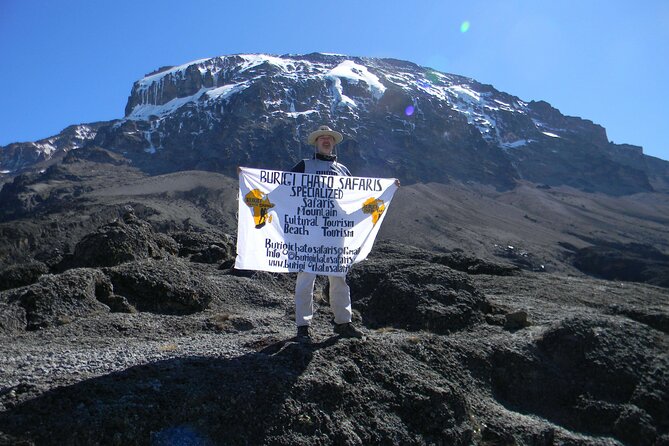
Reaching Uhuru Peak, Africa’s highest point, in seven days is the main event here. The Lemosho Route gives you a fine mix of rainforest, high moorland, volcanic rock, wide views, and a proper acclimatization walk to Lava Tower before the summit push.
I like that tents, meals, guides, porters, and Moshi transfers are built into the price, so you can focus on walking instead of hauling camp supplies. I also like the gradual route through Barranco and Karanga, which gives your body time to adjust. The catch is the short schedule: seven days is workable, but altitude sickness remains a real risk, and one person in the supplied feedback did not summit because of it.
Key things to know before you book
- Lava Tower at 4,640 meters: Day 3 takes you high, then back down to Barranco for a useful acclimatization pattern.
- A demanding summit night: From Barafu, you may leave around 11 p.m. or midnight for a six to seven-hour climb to Uhuru Peak.
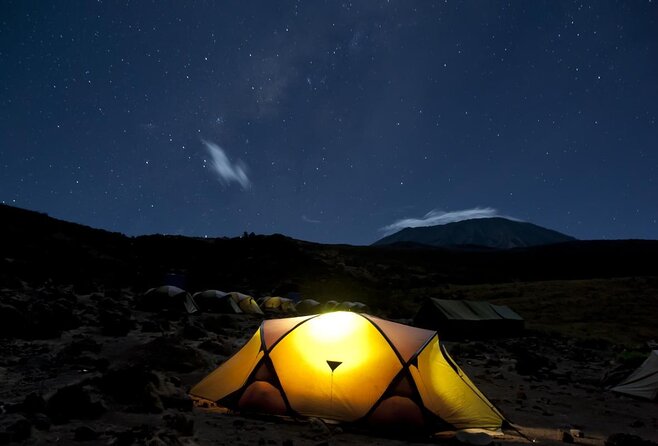
- Camping is part of the deal: Tents are provided, though Barafu has no water for washing and very little water nearby.
- Meals are included: The package lists six breakfasts, six dinners, and seven lunches, along with fees and a guide.
- Moshi transfers are included: The group returns to the meeting point after descending through Mweka Gate.
- The price is $965 per person: That is good value for an organized climb, but budget separately for tips, insurance, visas, flights, and the night before the climb.
Why the Lemosho Route works well in seven days
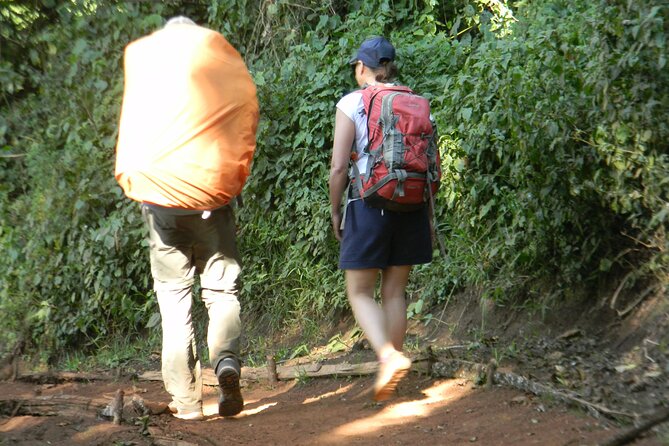
Lemosho is appealing because the climb does not begin with a straight march into the harshest high-altitude zone. You start in thick forest, then move through moorland and volcanic terrain before reaching the camps near the summit.
That change in scenery gives the week a real sense of progress. On the first day, you may spot black-and-white colobus monkeys in the forest. Later, vegetation thins to giant heather and senecio plants. Near Barafu, the mountain becomes a cold, dry world with white-necked ravens circling the camp.
The route also uses a useful climb-high, sleep-lower pattern. You reach Lava Tower at 4,640 meters on Day 3, eat lunch there, then descend to Barranco Camp at 3,960 meters. That day is not just scenic. It helps you spend time at altitude before the summit attempt.
Still, seven days is not a leisurely timetable. You will spend much of the week walking, sleeping in tents, eating at camp, and managing tired legs. If you need a slower pace, a longer version of the route may suit you better, but this package is designed for people who want a one-week climb.
More Lemosho Route climbs:
- Kilimanjaro climb by Lemosho Route (7-day)
★ 5.0 · 651 reviews - Kilimanjaro Climbing Lemosho Route 8 Days.
★ 5.0 · 186 reviews - 8-Day Small-group Lemosho Kilimanjaro Summit Trekking
★ 5.0 · 186 reviews
Day 1: From Moshi to Big Tree Camp
The stated meeting point is the Burigi Chato Safaris office on Mkwawa Street in Shanty Town, Moshi. The experience lists an 8:30 a.m. start, while the day-by-day plan says pickup takes place around 10 to 10:30 a.m. Confirm the exact collection time before you set your morning plans.
After breakfast at your inn or hotel, you join the rest of the group and drive toward Londorosi Gate. There are stops along the way to buy fresh food, and you can use the opportunity to pick up anything you forgot.
At Londorosi, the team handles park registration. You have lunch before continuing by vehicle to Lemosho Gate, where the walking begins. The first hours are gentle compared with what comes later, with a forest trail leading toward Big Tree, also called Mti Mkubwa, Camp.
This is a pleasant opening day because the forest gives you shade and a softer introduction to the mountain. Keep your eyes open for colobus monkeys, one of the more memorable details on this route.
The listed walking time is about four hours. You sleep at camp and have dinner there. Tents are provided, but you should still carry the items you need during the day, including water, snacks, rain protection, and warm layers.
Day 2: Shira Camp and the first broad views
Day 2 covers about eight kilometers and takes roughly six hours. The trail leaves much of the tropical forest behind and moves into savannah and rougher ground, crossing several water channels before reaching Shira Camp 1.
After lunch, you continue toward Shira Camp 2. The Shira area is one of the first places where the mountain opens up around you. You can look toward Kibo, Kilimanjaro’s main volcanic cone, while the group settles into the slower rhythm of camp life.
This day is not defined by one dramatic obstacle. Its value is the steady gain in height and the change in surroundings. You are no longer simply walking through trees. The air feels thinner, the route becomes rockier, and the wide views make it clear that this is a serious high-altitude climb.
Take the guide’s pace seriously here. Walking too fast because you feel strong can create problems later. The supplied information emphasizes following instructions and moving slowly, advice that becomes more important with each camp.
Day 3: Shira Plateau, Lava Tower, and Barranco
Day 3 is one of the most useful days on the route. You cross the moorland and giant heather zone to reach Shira Plateau, described as one of the longest high plateaus in the world.
The key feature is the walk to Lava Tower at 4,640 meters. You stop there for lunch, giving your body time to experience a higher altitude. Then the trail drops to Barranco Camp at 3,960 meters.
That descent is important. You sleep lower than the highest point reached during the day, which can make the night more manageable than sleeping at Lava Tower itself. Along the way, you may see giant Senecio kilimanjari plants, a distinctive high-mountain sight.
The walk takes around five hours according to the plan, though actual time can vary with the group and trail conditions. Barranco is a memorable camp because of the open views and the steep wall that awaits the next morning.
If you feel a headache, nausea, unusual fatigue, or other altitude symptoms, tell your guide promptly. One person using this same general service did not reach the summit because of altitude sickness. That is a useful reminder that fitness alone does not guarantee success.
More treks and hikes around Kilimanjaro:
- Kilimanjaro climb, Machame Route (7-day)
★ 5.0 · 262 reviews - Climbing Kilimanjaro – Machame Route
★ 5.0 · 170 reviews - Climbing Kilimanjaro through 7 days Machame Route
★ 5.0 · 151 reviews - Kilimanjaro climb, Lemosho Route (8-day)
★ 5.0 · 148 reviews
Day 4: The Barranco Wall and Karanga Valley
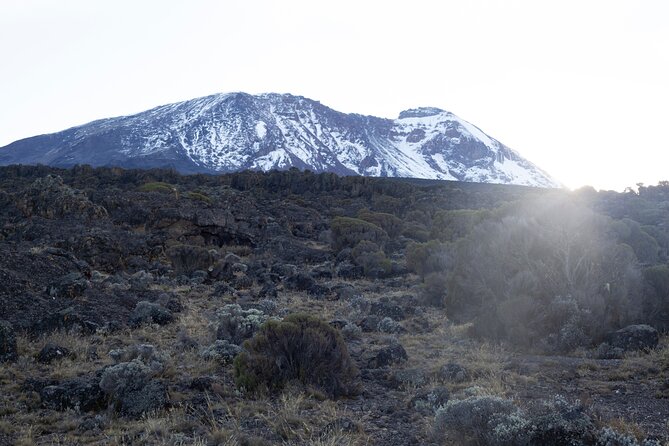
After breakfast, you tackle the Barranco Wall. The route is described as technical but not exceptionally difficult. That means you should expect hands-on movement and careful steps, not a technical climbing expedition with ropes.
The wall can feel tiring because the trail rises and falls rather than simply heading upward. You may need patience while people ahead negotiate narrower sections. Follow instructions, keep your hands free where possible, and do not rush for the sake of speed.
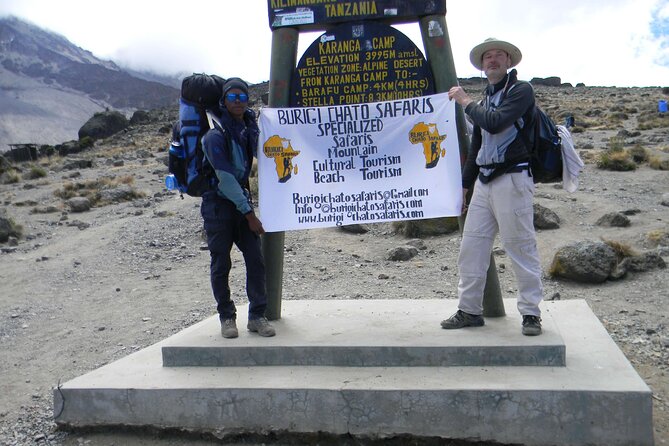
After the wall, you descend into Karanga Valley at about 3,963 meters. The day covers roughly five hours, with time to rest, eat, and talk with the group before returning to your tent.
I like this stage because it breaks the approach to Barafu into a manageable day. You are still climbing, but you do not have to go directly from Barranco to the summit camp in one punishing push.
Day 5: The short, hard walk to Barafu Camp
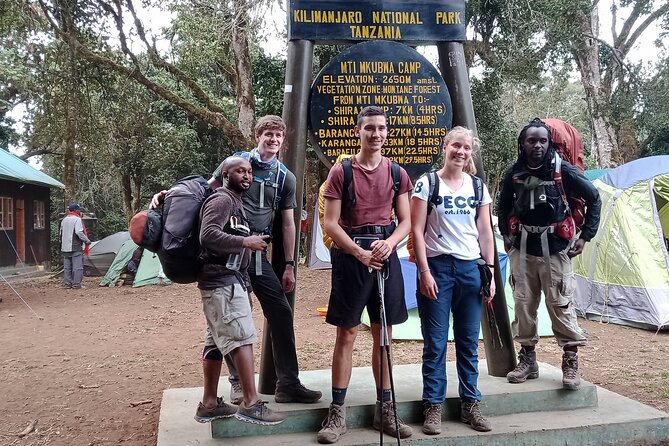
Day 5 takes you along a trail beside a ravine and up a ridge toward Barafu Camp at about 4,664 meters. The walk is only around three kilometers, but the plan calls it difficult, and that is the right way to think about it.
At this height, the vegetation is sparse. The camp can be very cold, and the route is marked by cairns rather than a steady stream of facilities. The supplied details note that there is no water for washing and no water stream above this elevation.
That practical point matters. Pack wet wipes, hand sanitizer, spare socks, and warm clothing where you can reach them. You will not be taking a refreshing camp shower at Barafu.
After the first dinner at camp, you rest for the summit attempt. The start is expected around 11 p.m. or midnight. Try to organize your day around that sleep. Eat what you can, drink according to your guide’s advice, and keep your summit clothing ready before lying down.
Day 6: The summit push to Uhuru Peak
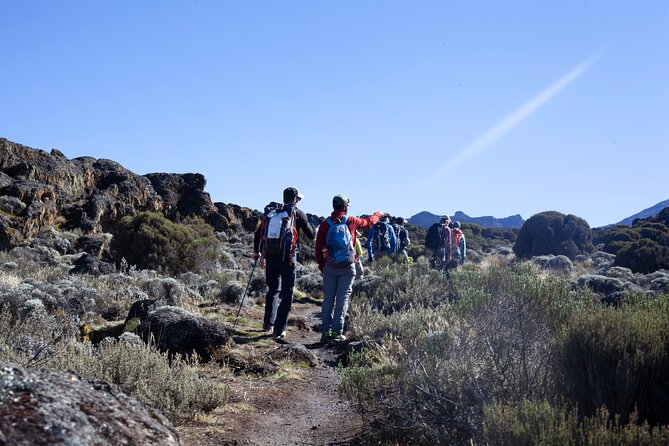
Summit day begins with coffee and biscuits or cookies. Then you put on your cold-weather layers and begin the climb to Uhuru Peak.
The walk from Barafu to the summit is expected to take six to seven hours. You move slowly in darkness, often by headlamp, with the main goal of keeping a steady rhythm. Temperatures can be severe. The supplied information gives a possible June low of minus 20 degrees Celsius, so warm clothing is not optional.
The summit section is the hardest physical part of the week. The trail is steep, the air is thin, and sleep has been limited. Your guide’s pace and instructions matter here. If the weather allows, reaching Uhuru Peak around sunrise can bring wide views and a memorable dawn, but no summit view is guaranteed.
After spending a short time at the top, you descend. The return is still tiring because your body has already worked hard, but losing altitude usually brings some relief. The day is listed as about eight hours, though the summit climb and descent can make it feel longer.
Do not treat turning back as failure. Altitude sickness can become dangerous, and a guide may decide that descending is the safest choice. A successful Kilimanjaro trip means returning safely as well as reaching the highest point.
Day 7: Descent through Mweka Gate and back to Moshi
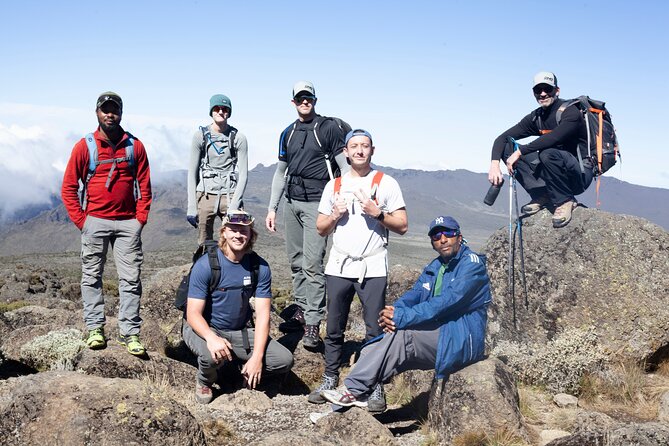
After breakfast, you descend to Mweka Gate. You sign out, receive your certificates, and meet the driver-guide for the return to the Moshi meeting point.
The listed walking time is about five hours. After a week on the mountain, the final descent may feel easier for your breathing but harder on your knees. Trekking poles can be useful, though the supplied information does not confirm that they are provided, so ask before you arrive.
You may arrange a simple beer celebration with the group after reaching town, or return to your hotel to prepare for a flight, a trip to Zanzibar, or a safari the next day. The activity ends back at the original meeting point.
What the $965 price really covers
At $965 per person, this is a competitively priced organized climb. You are not paying only for a trail permit. The package includes park fees and taxes, a guide, camping equipment, transfers from Moshi, and the camp meal plan.
The listed meals are six breakfasts, six dinners, and seven lunches. That is enough to cover the full seven-day schedule, although you should confirm exactly what food and drinks are supplied before departure.
The price is most useful for people who want help with the complicated parts of Kilimanjaro. You do not need to arrange the route, camp setup, meal service, or the return transfer on your own. The supplied information also describes an active support team of guides, porters, and cooks, with praise for their care, organization, and friendly manner.
You still need to budget for guide and porter tips. Visas, medical and travel insurance, flights, airport pickup, and one hotel night before the climb are not included. Those extras can change your final cost by a fair amount.
The stated maximum is 500 people, which is unusually high for a mountain activity. That may be an administrative maximum rather than the size of your actual walking group, but you should ask how many people will be in your group and how many guides and porters will support it.
Practical preparation for this particular climb
Bring layers rather than one huge coat. The route moves from warm forest to cold summit conditions, and you need clothing that can adjust throughout the day.
Keep a small daypack with your water, snacks, rain gear, sun protection, warm layers, and personal medication. Your larger equipment may be carried by the support team, but the details do not specify exact porter limits or baggage rules, so confirm those before arrival.
Allow extra time for the first morning. The published start time is 8:30 a.m., while the pickup description gives 10 to 10:30 a.m. Ask the operator which time applies to your booking.
The package is described as suitable for most people, but it is not an easy holiday. You need to be comfortable walking for several hours on consecutive days, camping at high altitude, handling cold conditions, and accepting that the summit cannot be guaranteed.
The company has also handled wider Tanzania trips, including safari and Moshi town visits. That may be useful if you want to add a safari or Zanzibar stay, but those plans are separate from this seven-day climb.
Who should book this Lemosho climb?
I would recommend it to a fit first-time climber who wants a guided, organized route and values included meals, tents, and transport. It also suits someone who wants more varied scenery than a short, direct mountain approach.
It is less suitable if you want private luxury, a slow schedule, or a high certainty of reaching the summit. The seven-day format gives you a reasonable route plan, but altitude remains unpredictable and the summit day is demanding.
The strongest parts are the route variety, the Lava Tower acclimatization walk, the included camp support, and the chance to finish in Moshi with the practical details handled. The main concerns are the short timeline, the cold and basic conditions at Barafu, the unclear pickup time, and the costs left outside the $965 price.
Book it if you are ready for a real mountain week and want a solid package at a moderate price. Before paying, confirm your pickup time, group size, equipment list, porter arrangements, meal details, and the exact plan for altitude problems. Those answers will tell you more about the quality of the operation than the attractive headline price.
FAQ
Where does the Kilimanjaro climb start?
The meeting point is Burigi Chato Safaris on Mkwawa Street in Shanty Town, Moshi, Tanzania.
What time does the experience start?
The meeting point information gives an 8:30 a.m. start. The Day 1 plan says the driver arrives around 10 to 10:30 a.m., so confirm the exact pickup time before the trip.
How long does the climb last?
The activity lasts approximately seven days and ends back at the meeting point in Moshi.
Is transportation included?
Transfers from Moshi are included. The driver takes you to the route entrance and returns you from Mweka Gate to Moshi at the end.
Are tents provided?
Yes. Camping tents are provided, allowing you to pack lighter than you would on a fully independent climb.
Are meals included?
Yes. The package lists six breakfasts, six dinners, and seven lunches.
Is the guide included?
Yes. A guide is included in the price. Tips for the guide are not included.
What is not included in the price?
Visas, medical and travel insurance, local and international flights, airport pickup, one hotel night before the tour, and guide tipping are excluded.
How cold can the summit be?
The information states that June temperatures at the summit can fall to minus 20 degrees Celsius. You should bring suitable cold-weather layers.
Can I cancel for a refund?
You can cancel at least 24 hours before the start time for a full refund. Cancellations or changes made less than 24 hours before the start time are not accepted for a refund. If poor weather cancels the activity, you are offered another date or a full refund.
More Seven-Day Trips in Kilimanjaro
- 7-Day Machame Kilimanjaro Summit Tour from Arusha
★ 5.0 · 125 reviews - 7 Days Kilimanjaro via Machame route affordable price
★ 5.0 · 110 reviews - Private Kilimanjaro Hike 7 Day Lemosho Route
★ 5.0 · 60 reviews - 7 Days Machame route – Kilimanjaro
★ 5.0 · 45 reviews
Just added around Kilimanjaro
- 6 days Machame route climbing Mt.Kilimanjaro★ 5.0 · 8 reviews
- machame route★ 5.0 · 16 reviews
- Mt Kilimanjaro 6 days Marangu route hike★ 5.0 · 3 reviews
- Private Cycle to Kilimanjaro Bike Park Safari★ 5.0 · 6 reviews
- West Kilimanjaro cycling Adventures★ 4.5 · 8 reviews
- Kilimanjaro Climb • Marangu Route ~ 9 Day★ 5.0 · 4 reviews
- 3 Days Private E-Bike Tour in West Kilimanjaro★ 5.0 · 3 reviews
- Kilimanjaro Climb • Machame Route ~ 10 Day★ 5.0 · 6 reviews