
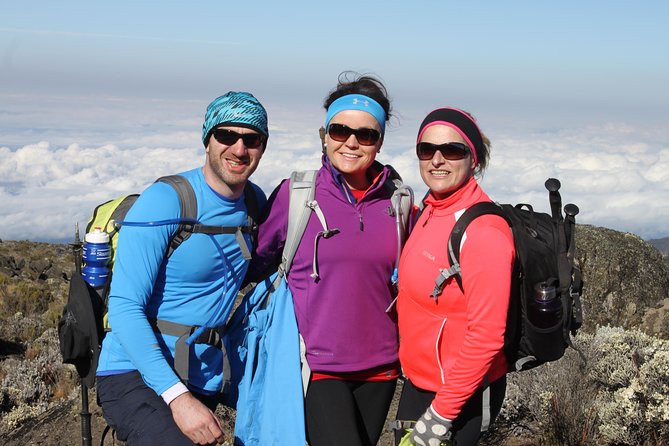
Reviewed · LEMOSHO ROUTE CLIMBS
Kilimanjaro Lemosho Route 7 Days
The Lemosho Route gives you a quieter start on Kilimanjaro, then brings you across Shira Plateau and up the mountain’s best-known camps toward Uhuru Peak. This is a private seven-day climb, so your pace and daily routine belong to your group rather than a large mixed party.
I like two things right away: the strong safety package, including VHF radios, oxygen, a pulse oximeter, and a Gamow Bag, and the practical camp setup with warm washing water, proper dining chairs, LED lights, and a private flash toilet. The main caution is simple: seven days is a tight schedule for a 5,895-meter summit, so you need to arrive fit, patient, and ready for long summit-day hours.
Key points to know before booking
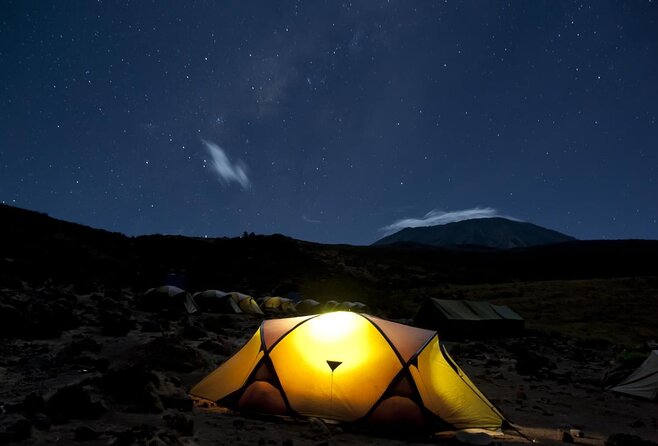
- A quieter first two days: The Lemosho approach avoids the busiest opening section of some Kilimanjaro routes.
- Uhuru Peak at 5,895 meters: Summit day includes seven to eight hours of climbing, followed by a long descent to Mweka Camp.
- Safety equipment is part of the package: Oxygen, a Gamow Bag, rescue fees, radios, and a pulse oximeter are included.
- Camp life is better organized than basic backpacking: Expect waterproof tents, sleeping mats, solar LED lights, dining furniture, and warm washing water.
- Food is treated as fuel: Meals include fresh produce and can accommodate vegetarian, vegan, allergy, Halal, and Kosher requests according to the provider.
- Private means personal, not easy: Only your group takes part, but the mountain remains demanding and the altitude cannot be rushed.
Why the Lemosho Route is a smart seven-day choice
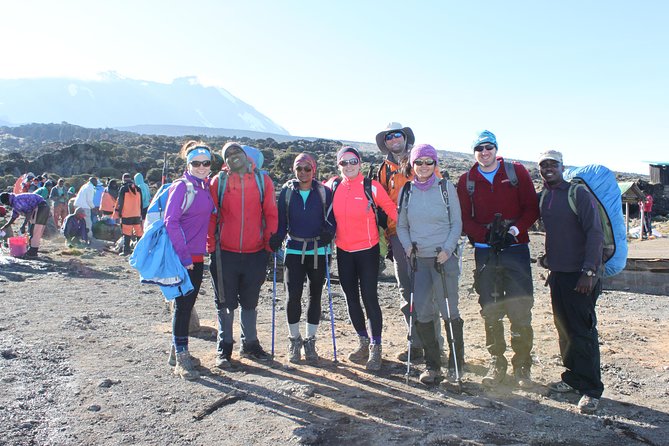
Lemosho is a good fit if you want a quieter beginning and a gradual approach to the high mountain. The first two days take you from the western side of Kilimanjaro through forest and onto Shira Plateau, rather than pushing straight into the more crowded sections.
The route also gives you a useful rhythm. You walk for several hours, reach camp in the afternoon, eat, wash with warm water, and rest. That pattern matters more than it sounds. At altitude, a warm basin, a solid meal, and a dry tent can make the next morning much easier.
The private format is another plus. You can ask your guide to slow the pace, take a short rest, or explain what you are seeing without trying to keep up with a large group. Past departures have used guides named Joseph, Ibi, Eli, Paul, Side, and Martin, but the exact guide team for your climb should be confirmed before you go.
The tradeoff is the seven-day length. Longer Kilimanjaro programs usually allow more time for acclimatization. This itinerary does include several nights at increasing elevations, but the summit attempt still comes quickly. You should treat the trip as a serious high-altitude expedition, not simply a week of scenic hiking.
More Lemosho Route climbs:
- Kilimanjaro climb by Lemosho Route (7-day)
★ 5.0 · 651 reviews - Kilimanjaro Climbing Lemosho Route 8 Days.
★ 5.0 · 186 reviews - 8-Day Small-group Lemosho Kilimanjaro Summit Trekking
★ 5.0 · 186 reviews
Day 1: Londorossi Gate to Mti Mkubwa Camp
The adventure begins with a drive from Moshi to Londorossi Park Gate at about 2,385 meters. Park registration and entry arrangements take place here before you start walking toward Mti Mkubwa Camp at approximately 2,700 meters.
The hike is listed at three to four hours and about eight kilometers. This is a gentle first day by Kilimanjaro standards, but it gives you a useful introduction to the group’s pace, the guides’ routine, and the feel of carrying your day pack.
Mti Mkubwa means Big Tree Camp, and the forest setting makes this a pleasant opening night. The air is cooler than in Moshi, and the route feels more remote than a direct approach from the busier eastern trails.
Your crew sets up the waterproof tents and dining area, while you settle in and eat a full meal. Purified drinking water is provided, and warm water is available for washing. That daily washing water is a small comfort, but after several hours on the trail, you will value it.
Day 2: Mti Mkubwa to Shira Camp 1 and Shira Camp 2
Day two is longer and more important for acclimatization. You climb from Mti Mkubwa to Shira Camp 1 at about 3,500 meters, with five to six hours of hiking over roughly six kilometers. The plan then continues to Shira Camp 2 at 3,840 meters, taking another three to four hours over about eight kilometers.
The exact distances in the schedule are presented in separate sections, so ask the operator to confirm the day’s final mileage. The key point is that this is a substantial day, with a clear jump in altitude.
The forest begins to thin as you move toward the open Shira Plateau. The scenery changes from dense vegetation to broad views, volcanic ground, and a greater sense of exposure. On a clear day, this is one of the route’s most satisfying transitions.
The long walking day helps you settle into the slow Kilimanjaro pace. You will hear the phrase pole pole, meaning slowly, often. It is not just a slogan. Walking too fast is one of the easiest ways to waste energy before the summit.
Sleeping at Shira Camp 2 places you higher than the previous night, but the route then gives you time to manage the increase. Drink regularly, eat even when your appetite fades, and tell the guide promptly about headaches, nausea, dizziness, or unusual fatigue.
Day 3: Shira Camp 2 to Barranco Camp
From Shira Camp 2, you walk to Barranco Camp at about 3,950 meters. The route covers roughly eight kilometers and takes six to seven hours.
This day is one of the most scenic parts of the climb. You leave the broad Shira area and move toward the volcanic slopes and high ridges around Kibo. The route is not simply a straight push upward. It rises and falls, which gives your body some useful exposure to altitude before you sleep at Barranco.
Barranco Camp is famous for its position below the Barranco Wall. Even if clouds move in, the camp feels dramatic. You are now well above the forest, and the mountain has changed from a long woodland walk into a high-altitude expedition.
The drawback is that you may feel the altitude here. The day is not the longest by distance, but six to seven hours of walking can feel slow at nearly 4,000 meters. The guides’ job is especially important now. Past groups have praised careful pacing and attention to acclimatization, and this is the stage where that care has real value.
More seven-day trips in Kilimanjaro:
- Kilimanjaro climb, Machame Route (7-day)
★ 5.0 · 262 reviews - Climbing Kilimanjaro through 7 days Machame Route
★ 5.0 · 151 reviews - 7-Day Machame Kilimanjaro Summit Tour from Arusha
★ 5.0 · 125 reviews - 7 Days Kilimanjaro via Machame route affordable price
★ 5.0 · 110 reviews
Day 4: Barranco to Karanga Valley
Day four covers about five kilometers from Barranco Camp to Karanga Valley Camp, at roughly 3,995 meters. The scheduled hiking time is four to five hours.
The route begins with the Barranco Wall, one of the most memorable sections of the Lemosho climb. You use your hands at times and move carefully over uneven ground, but this is not described as technical climbing. Your guide controls the pace and helps you find a steady line.
Reaching the top of the wall gives you a rewarding view back toward Barranco Camp and across the surrounding mountain slopes. It is a good example of why the Lemosho Route is more than a march to the summit. The route has distinct terrain and changing views almost every day.
Karanga Valley is a short day on paper, which is useful after the longer push from Shira. You have time to eat, rest, and prepare your summit clothing. The camp sits at nearly the same elevation as Barranco, so the value of this day is less about gaining height and more about conserving energy.
Day 5: Karanga Valley to Barafu Camp
The walk from Karanga Valley to Barafu Camp covers about four kilometers and takes four to five hours. Barafu sits at approximately 4,550 meters, making it the final high camp before the summit attempt.
This is a short distance, but the high elevation changes the effort. A walk that might feel easy at sea level can take much longer here. You should not race to camp. Save energy, eat lunch, and rest as much as possible.
Barafu means ice, and the camp’s high, exposed setting makes it feel stark and serious. You will organize your summit clothes, headlamp, water, snacks, and day pack. Your guide should explain the timing for the night or early-morning departure, but ask questions if anything is unclear.
The package includes a porter to carry your day pack during the summit attempt. Confirm exactly what weight and items are permitted, since you still need to keep personal essentials with you. The guide team also carries communication and emergency equipment, including VHF radios, oxygen, and the Gamow Bag.
Day 6: Barafu to Uhuru Peak, then Mweka Camp
Summit day is the hardest part of the trip. You climb from Barafu to Uhuru Peak at 5,895 meters, with seven to eight hours of ascent over roughly five kilometers. After reaching the summit, you descend through Barafu for a short rest, then continue to Mweka Camp at about 3,060 meters.
The distance from Barafu to Mweka is listed at about 12 kilometers and four to five hours after the summit section. Read that as a demanding full day, not a normal hiking day. The total effort includes climbing in darkness or low light, reaching the summit, taking a short break, and then descending for several more hours.
At Uhuru Peak, you are on the highest point of Mount Kilimanjaro and the highest point in Africa. The views depend on cloud and weather, so the achievement matters more than the chance of a perfect panorama. Cold, wind, thin air, and exhaustion can make the final approach slow.
This is where the safety system matters most. The team carries oxygen and a Gamow Bag, and a pulse oximeter is available to measure oxygen levels. Those tools do not make altitude sickness harmless, and they do not guarantee a summit. They do give the guides more support when making decisions about your condition.
Do not hide symptoms because you want the summit photo. A responsible guide may turn you around, and that is the correct call if your health is at risk.
The descent to Mweka Camp is a relief, but it is not effortless. Your knees and feet take a beating, and loose volcanic ground can make the downhill sections tiring. Reaching the lower camp gives you a proper chance to sleep after the mountain’s biggest day.
Day 7: Mweka Camp to Mweka Gate and the hotel
The final descent to Mweka Gate is listed at four to five hours and about four kilometers, with the gate elevation given as 4,600 meters in the schedule. That elevation figure appears inconsistent with the usual direction of descent, so confirm the exact gate details with the operator before departure. The important practical point is that you finish on foot at Mweka Gate and then transfer back to your previous hotel.
At the hotel, the program includes a certificate and summit party ceremony. Two nights of hotel accommodation are described as part of the package, with the wording also mentioning both classic standard and comfort accommodation. Ask which hotel category applies to your booking and how the pre-climb and post-climb nights are allocated.
After several nights in a tent, even a simple hotel bed feels luxurious. You can shower, sort your luggage, and enjoy a meal without unpacking a sleeping bag. Arrival and departure transfers, as well as transportation in the destination area, are included.
Camp comfort, food, and safety
This is not a luxury lodge trek. You sleep in tents on sleeping mats, and the mountain weather can still be cold, wet, and uncomfortable. But the camp equipment is more thoughtful than a bare-bones setup.
You get waterproof tents, LED lighting powered by solar equipment, toilet tents, and a portable personal flash toilet. Meals are served at aluminum tables with large chairs that have backs and armrests. That setup matters after a long day when your legs are tired and the ground is cold.
The food program receives particular emphasis. Breakfast is described as including tea, coffee, porridge, sausages, bread, toast, eggs, and fruit. Fresh food, carbohydrates, and generous portions are intended to keep you moving at altitude.
If you are vegetarian or vegan, have food allergies, or require Halal or Kosher meals, tell the operator before departure. The supplied information says these options are available, but you should have your needs confirmed in writing.
Safety is one of the package’s stronger points. Rescue fees, emergency oxygen, a Gamow Bag, a pulse oximeter, and VHF radios are included. These are useful provisions, but they are not substitutes for fitness, sensible pacing, or honest communication with your guide.
The company also describes fair and ethical treatment of porters. That is worth asking about directly before booking. A good climb should protect not only the client but also the people carrying tents, food, water, and equipment up the mountain.
Price, group size, and what the package is worth
The listed price is $2,669.88 per person. That is a serious amount of money, but it covers much more than guiding alone. Park fees, government taxes, meals, tents, sleeping mats, water, rescue fees, transport, airport transfers, hotel accommodation, guides, porters, and camp facilities are included.
The value depends on what you would otherwise need to arrange yourself. A lower headline price may leave out park fees, hotel nights, rescue cover, equipment, or transfers. Here, many of the expensive and awkward parts are bundled together.
Tips are not included, and you should budget for them separately. Your Tanzania visa, personal laundry, telephone use, drinks, and optional tours, such as a safari after the climb, are also extra.
This is a private trip, so only your group participates. That makes the price easier to justify for couples, families, or friends who want control over the pace. It may be less attractive if you are a solo climber looking mainly for the cheapest possible option.
The overall rating is 4.9 from 13 ratings, with 100 percent recommendation shown in the supplied information. That is encouraging, especially because the strongest praise focuses on guide support, organization, food, and porter treatment. Still, a small sample cannot tell you how every future departure will operate.
Who should book this climb
I would consider this trip if you want a private Lemosho climb, prefer camping to a crowded group format, and value a substantial safety and meal package. It suits people with moderate physical fitness who can handle several hours of walking each day and a very long summit day.
It is also a good match if your priorities include warm washing water, fresh meals, a private toilet setup, hotel nights before and after the climb, and help with transfers. Those details can make a major difference on a seven-day expedition.
I would think twice if you want a relaxed acclimatization schedule or have no experience with long hikes. Seven days is workable for many fit people, but it is not the most forgiving Kilimanjaro timetable. Ask about extending the climb if you want more recovery time.
Free cancellation is available if you cancel at least 24 hours before the local start time. Changes or cancellations inside that window are not accepted for a refund, and poor weather may lead to a new date or a full refund.
Should you book the Kilimanjaro Lemosho Route?
Book it if you want a private, well-supported climb with a quieter start, strong camp equipment, and a clear plan to reach Uhuru Peak in seven days. The combination of radios, rescue cover, oxygen, warm washing water, meals, porters, and hotel transfers gives the package real practical value.
Before paying, confirm the assigned guides, hotel category, exact accommodation nights, day-two mileage, and the Day 7 elevation detail. Also ask how the operator handles porter welfare and what personal gear you need to bring.
If your main goal is the best possible chance of acclimatization, choose a longer route schedule. If you want an organized private climb and accept that the mountain will demand serious effort, this Lemosho itinerary is a sensible option.
FAQ
How long does the Kilimanjaro Lemosho Route tour last?
The climb lasts approximately seven days. The itinerary begins at Londorossi Park Gate and ends at Mweka Gate, followed by a transfer to your previous hotel.
Is this a private tour?
Yes. Only your group participates in the activity.
What is the highest point reached?
The summit is Uhuru Peak at 5,895 meters, or 19,341 feet.
How many hours do I hike each day?
The scheduled hiking time ranges from about three hours on shorter days to seven or eight hours for the climb to Uhuru Peak. Summit day also includes a four to five-hour descent to Mweka Camp.
Are meals included?
Yes. Breakfast, lunch, and dinner are included during the tour. The package describes fresh, healthy meals with large portions.
Is drinking water provided?
Yes. Clean, purified drinking water is provided during the mountain portion of the trip.
What safety equipment is included?
The package includes emergency oxygen, VHF handheld radios, a Gamow Bag, a pulse oximeter, mountain rescue fees, and a portable personal flash toilet.
Are hotel nights included?
Yes. The package includes hotel accommodation before and after the trek, although the accommodation description refers to both classic standard and comfort categories. Confirm the exact hotel arrangement when booking.
What is not included in the price?
Tips, a Tanzania visa on arrival, personal expenses such as laundry, telephone use and beverages, and optional tours are not included.
Just added around Kilimanjaro
- 6 days Machame route climbing Mt.Kilimanjaro★ 5.0 · 8 reviews
- machame route★ 5.0 · 16 reviews
- Mt Kilimanjaro 6 days Marangu route hike★ 5.0 · 3 reviews
- Private Cycle to Kilimanjaro Bike Park Safari★ 5.0 · 6 reviews
- West Kilimanjaro cycling Adventures★ 4.5 · 8 reviews
- Kilimanjaro Climb • Marangu Route ~ 9 Day★ 5.0 · 4 reviews
- 3 Days Private E-Bike Tour in West Kilimanjaro★ 5.0 · 3 reviews
- Kilimanjaro Climb • Machame Route ~ 10 Day★ 5.0 · 6 reviews