
Reviewed · HISTORICAL TOURS
Arusha: City Walking Tour Historic and Modern Highlights
Arusha’s best stories are found on foot, among market stalls, old buildings, snack vendors, and people going about their day. This three-hour tour gives you a close look at the city beyond its role as a starting point for safari trips, with stops at Soko Kuu Central Market and the famous Clock Tower.
I like the chance to visit the Natural History Museum, housed in a German colonial fort, and I like the human side of the walk: local snacks, beadwork, fabrics, and time to ask questions. Guides such as Elia have made a strong impression by explaining everyday life, plants, trees, and the feel of the city rather than simply pointing out landmarks.
The main drawback is the walking itself. This is not a good choice for people with mobility impairments or wheelchair users, and Arusha’s sun can be strong, so comfortable shoes, light clothing, water, a hat, and sunscreen matter.
Key points
- Soko Kuu gives you a direct look at daily Arusha: Expect produce, spices, crafts, and the sound and movement of a working city market.
- The Clock Tower connects Arusha to a wider African story: The monument marks the city’s often-cited position halfway between Cairo and Cape Town.
- The Natural History Museum occupies a former German fort: Its displays cover human evolution and local culture in a historic setting.
- Local guides are central to the experience: Elia, named in recent feedback, was praised for explaining ordinary city life and taking time with questions.
- Snacks and artisan work add a personal touch: You can try traditional Tanzanian bites and see beadwork and fabrics being made.
- The $45 price includes practical help: Hotel pickup, drop-off, guiding, snacks to sample, and artisan interaction are included, while meals, drinks, and personal purchases are extra.
Why a walking tour makes sense in Arusha

Arusha is often treated as a place to sleep before or after a safari. That is a shame. The city has its own character, and a walking tour lets you notice details that are easy to miss from a vehicle: colorful fabrics, stalls of produce, handmade ornaments, old colonial structures, and small exchanges between shopkeepers and customers.
This tour is built around ordinary city life rather than a long list of grand monuments. That is its strength. You are not simply being taken from one photo stop to another. You are given a chance to see how Arusha works, with a guide explaining the places and people around you.
The pace also suits a short stay. Three hours is enough time to visit several important sites without using up an entire morning or afternoon. If you are arriving in Arusha before a safari, the walk can help you get your bearings. If you are leaving Tanzania soon, it gives you a final look at urban life after time spent in national parks.
The tour is conducted in English. Since the experience depends heavily on the guide, it is worth paying attention to that part of the booking. Elia received especially warm praise for showing everyday life, explaining local plants and trees, and allowing plenty of time for questions. Other feedback also describes the guides as friendly and competent.
More City Tours in Arusha
- Arusha Guided Walking City Tour, Culture, Lifestyle & History
★ 5.0 · 150 reviews - Arusha; Walking City Tour History, Culture & Lifestyle
★ 4.9 · 63 reviews - Full Day Arusha City Tour
★ 5.0 · 18 reviews
Soko Kuu, where Arusha does its daily shopping
The first major stop is Soko Kuu, Arusha’s Central Market. This is the kind of place where the city feels most immediate. Stalls are filled with fresh produce, spices, handmade crafts, and other goods used in everyday life.
A guide makes a real difference here. Without local context, a market can look like a blur of colors and movement. With an explanation, the produce, plants, and spices become part of a larger picture of food, trade, and daily routines. Elia was specifically praised for discussing local plants and trees, a detail that adds more depth than a quick walk past the stalls.
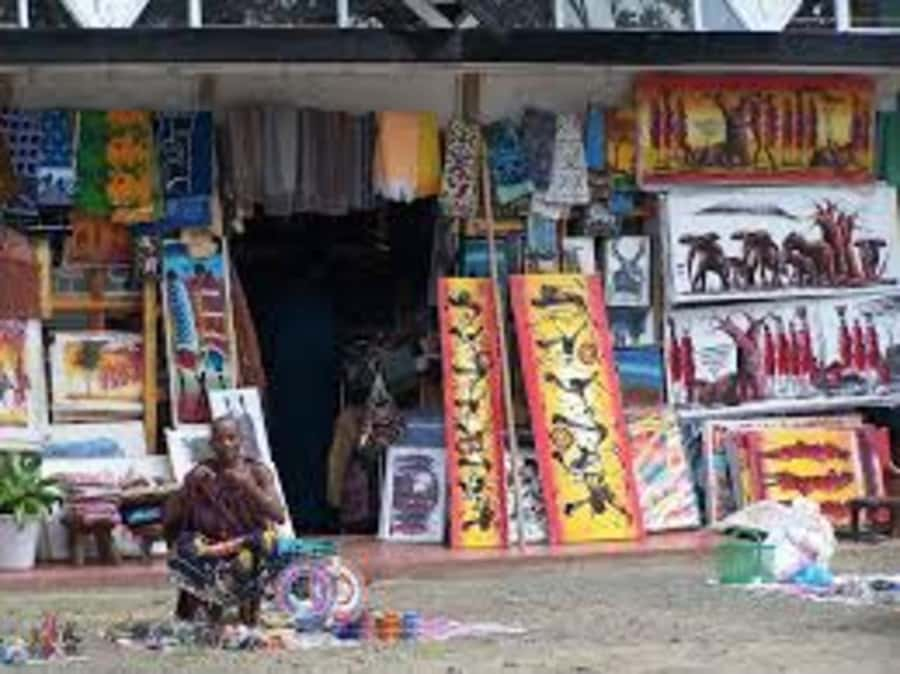
Take your time looking at the beadwork and fabrics. These are not just colorful souvenirs. They also show how local materials, design, and craft skills become part of clothing, decoration, and small business. The tour includes interaction with artisans, so you have an opportunity to ask questions and see the people behind the work.
You should keep your belongings secure in any busy public market and stay close enough to hear your guide. The tour description does not promise a shopping stop or a set amount of free time, so think of the market visit mainly as a cultural walk. Personal purchases are not included in the $45 price.
The Clock Tower and Arusha’s place on the map
From the market, the route continues to the Clock Tower Monument. It is one of Arusha’s best-known landmarks and is associated with the city’s position halfway between Cairo and Cape Town.
That detail gives the stop more meaning than a simple photograph. The monument points to Arusha’s place within a much larger African route, linking the city symbolically with the continent’s northern and southern ends. Your guide can help put the landmark into the wider story of Arusha and its role as a major base for safari trips.
The Clock Tower is also a useful marker in the city. After the close quarters of the market, it gives you a recognizable point from which to understand the surrounding streets. You can expect this part of the tour to be brief compared with the market and museum, but it helps connect the stops into one walk.
Bring a camera if you like taking city photographs. The tour specifically recommends one, along with water and sun protection. There is no promise of a particular photo angle or special access, so the appeal here is the landmark itself and the guide’s explanation.
Inside the Natural History Museum’s German fort

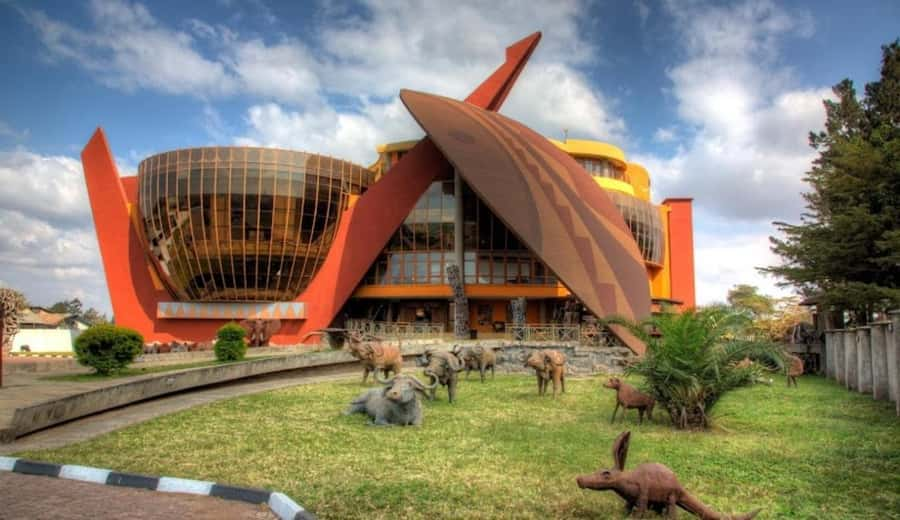
The Natural History Museum is housed in a German colonial fort, giving the visit a strong sense of place before you even look at the displays. The museum focuses on human evolution and local culture, two subjects that help explain Tanzania beyond the safari circuit.
The human evolution material is especially useful if you are going on to visit other places connected with early human history, though this tour only promises an introduction to the subject. The local culture displays add a second angle, showing that Arusha is not just a gateway to wildlife areas. It is also home to traditions, skills, and communities with their own stories.
The setting matters. A former fort is not a neutral gallery, and its colonial background adds another layer to the visit. The information provided does not specify the individual exhibits, the amount of time inside, or whether photography is allowed, so you should expect a guided museum stop rather than a full museum study visit.
I like this balance of old building, human history, and local culture. It gives the walking tour more substance than a market-and-monument outing. If you want a highly specialized museum tour, this may feel too brief, but for a first look at Arusha it is a worthwhile stop.
More Walking Tours in Arusha
- 7-Day Private Tanzania Safari with Sunset Walking on the Crater Rim and Maasai
★ 5.0 · 40 reviews - Tanzania – Arusha NP – Private Guided 4×4 Safari – Game Drive & Walking
★ 5.0 · 30 reviews - Private Walking Tour with Giraffes
★ 5.0 · 18 reviews - Street Food and Community Walking Tour
★ 5.0 · 12 reviews
Snacks, beadwork, and the human side of the walk
Food is one of the easiest ways to connect a city tour to daily life. This experience includes the chance to sample traditional Tanzanian snacks, though meals and drinks are not included. Think of this as a small tasting during the walk, not lunch.
The tour does not name the snacks or state how many you will try. That uncertainty is worth noting if you have allergies or strict dietary needs. Ask the guide what is being offered before eating, and bring your own water since drinks are not included.
The artisan portion adds another personal element. You can interact with local makers working with beads and fabrics, see the detail in their work, and ask questions about the items. The tour does not guarantee a demonstration or a purchase opportunity, but it does promise interaction with artisans and a look at these crafts in the city streets.
This is where the tour feels most grounded. Museums and monuments provide context, but a conversation with a maker can help you understand how culture is practiced in the present. Keep in mind that personal expenses are extra, so budget separately if you want to buy beadwork, fabrics, or other crafts.
What the $45 price covers
At $45 per person, the tour is not simply charging for three hours of walking. The price includes hotel pickup and drop-off, an English-speaking guide, the guided city walk, the chance to sample traditional snacks, and interaction with local artisans.
That makes the value fairly strong if you are staying at a hotel and want a short, organized introduction to Arusha. Pickup and drop-off remove one practical concern, although the exact timing and transport arrangements are not provided. You should check the available starting time when booking.
The price does not include meals, drinks, or personal spending. This matters because the market and artisan stops may tempt you to buy something. Plan for that separately, and carry water for the walk.
The experience also offers free cancellation up to 24 hours before the start time and a reserve-now, pay-later option. Those terms are useful if your safari schedule may change. Still, check the final booking conditions and meeting details before you commit.
Walking conditions and what to bring
This is a city walking tour, not a vehicle sightseeing trip. Wear comfortable walking shoes and light clothing. A sun hat, sunscreen, water, and camera are recommended, and I would treat all of those as practical essentials rather than optional extras.
There is no stated distance, elevation change, group size, or exact route length. The total duration is three hours, so you should be comfortable staying on your feet for much of that time. The experience is not suitable for wheelchair users or people with mobility impairments.
Smoking is not allowed during the activity. Since the tour passes through public markets and city streets, follow your guide’s directions and be respectful when photographing people, stalls, and artisans. The information provided does not specify photography rules, so ask before taking close-up portraits.
The climate advice is simple: protect yourself from the sun and do not rely on finding a drink stop. Arusha’s city streets may feel easy at first, but three hours outside can be tiring in warm conditions.
Who will enjoy this Arusha experience
I would recommend this tour to first-time visitors who want more than a hotel-to-safari transfer. It is also a good fit if you have a free half-day and prefer local markets, museums, crafts, and conversation to a formal sightseeing program.
It suits curious couples, solo visitors, and small groups who like asking questions. The guide is the key feature, and the strongest feedback centers on guides who take time, explain ordinary life, and respond to questions. If you are lucky enough to have Elia, you can expect attention to details such as local plants and trees alongside the main landmarks.
The tour is less suitable if you want a shopping trip, a food tour, or a long museum visit. The snack tasting is limited in description, and no full meal is included. You also should skip it if walking is difficult or if you want an entirely private itinerary with a guaranteed guide by name.
Should you book the Arusha city walk?
Book it if you want to see Arusha as a living city rather than only as the start of a safari. The combination of Soko Kuu, the Clock Tower, the German fort museum, local snacks, and artisan contact gives you a useful three-hour introduction, and the included pickup and drop-off improve the value.
I would be more cautious if you have mobility limitations, dislike markets, or want detailed specialist commentary at every museum display. For everyone else, especially visitors with a spare morning or afternoon, $45 is a reasonable price for a guided look at Arusha’s daily life. Bring water, wear good shoes, and ask plenty of questions. That is where this tour earns its keep.
FAQ
How long does the Arusha city walking tour last?
The tour lasts three hours.
What language is the tour conducted in?
The live tour guide speaks English.
Does the tour include hotel pickup and drop-off?
Yes. Hotel pickup and drop-off are included.
What places will the tour visit?
The route includes Soko Kuu Central Market, the Clock Tower Monument, and the Natural History Museum in a former German colonial fort.
Is food included?
The tour includes an opportunity to sample traditional Tanzanian snacks. Meals and drinks are not included.
What should I bring?
Bring comfortable walking shoes, light clothing, a sun hat, sunscreen, water, and a camera.
Is the tour suitable for wheelchair users?
No. The activity is not suitable for wheelchair users or people with mobility impairments.
More History Walks in Arusha
- Arusha City Culture and Historical Walking Tour
★ 5.0 · 8 reviews - 24 Hours in Arusha—Arusha Museum, Cultural Heritage, Maasai Market, Shanga
★ 5.0 · 4 reviews - Arusha: Cultural Heritage, Tanzanite Tour
★ 5.0 · 3 reviews - Zanzibar: Stone Town Historical Cultural Walking Guided Tour
★ 4.5 · 179 reviews
Just added around Arusha
- From Arusha: 11 days The Classics Northern Tanzania safari★ 5.0 · 11 reviews
- 6-Day Mount Meru Climb through Momella Route Guided Tour★ 5.0 · 5 reviews
- Private Day Trip to Arusha National Park with a Walking Safari★ 5.0 · 4 reviews
- From Arusha : 11-day Amazing North Tanzania safari tour★ 5.0 · 4 reviews
- Walking Day Tour to Safari in Arusha National Park★ 5.0 · 5 reviews
- 2 Days Tanzania Midrange Group Join Safari★ 5.0 · 7 reviews
- Best 5 Days Tanzania Private Luxury Safari with luxury Lodges★ 5.0 · 12 reviews
- Waterfall & Coffee Walking Tour★ 5.0 · 6 reviews
Historical Tours, compared.
Stone Town Historical Cultural Walking Guided Tour
Read our review →
Arusha Guided Walking City Tour, Culture, Lifestyle & History
Read our review →

Zanzibar Stone Town Historical Tour and Spice Farm Tour
Read our review →
Stone Town Historical and Cultural Walk with Ally Jape
Read our review →
Stonetown Historical Walking Tour & Traditional Lunch
Read our review →
Cultural Walking Tour through Stonetown, a UNESCO World Heritage Site
Read our review →
Browse the lists this tour appears in