
Reviewed · MAASAI VILLAGE TOURS
24 Hours in Arusha—Arusha Museum, Cultural Heritage, Maasai Market, Shanga
Arusha’s best city sights are spread out, and this private day tour links them without making you arrange taxis or haggle over every ride. You move from tanzanite and tribal art to disability-led craft workshops, a lively curio market, and a museum built inside a former German fort.
I like the private format, which gives your group one guide and door-to-door transport. I also like the mix of shopping and culture: Shanga offers a useful social purpose, while the Arusha museum gives you a clear link to Tanzania’s human-evolution story.
The main thing to consider is the pace. Four stops are scheduled at about three hours each, so the day is full. The tour title says 24 Hours in Arusha, but the actual experience lasts about 12 hours and does not include an overnight stay.
Key points at a glance
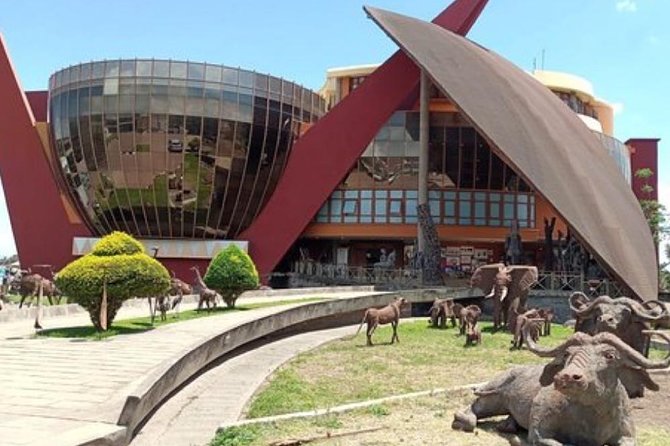
- Cultural Heritage Centre: Spend time with tanzanite, antiques, textiles, spices, jewelry, and African art in one large complex.
- Shanga workshop visit: Watch glass-blowing, weaving, sewing, bead-making, metalwork, and Tinga Tinga painting.
- Maasai Market shopping: Browse many stalls with baskets, crafts, ornaments, and gifts, while keeping your buying decisions in your own hands.
- Old German boma museum: See exhibits on human evolution, insects, colonial-era Arusha, and wildlife inside a fortified compound completed in 1900.
- Private door-to-door service: Pickup and drop-off at your accommodation save time in Arusha traffic.
- Good value for a full day: The $205 price includes lunch, admission fees, private transport, drinking water, and soft drinks during game drives, though no game drive is part of this itinerary.
A full day that makes Arusha easier to understand
Arusha is often treated as a staging point for safaris, but the city has plenty to offer before you head into the parks. This tour gives you a structured way to see several sides of it in one day.
You begin at 8:00 am with pickup from your accommodation. From there, private transport takes you between the four main stops. That matters in Arusha, where arranging separate rides can eat into a short visit and leave you guessing about prices or directions.
The schedule allows roughly three hours at each stop. That is generous at the Cultural Heritage Centre and Shanga, but it can feel long at the Maasai Market if shopping is not your main interest. Your guide can help explain what you are seeing and keep the day moving, but you should still expect a busy outing rather than a slow, unplanned city walk.
A previous booking specifically praised guide Daniel for being on time, courteous, personable, and well informed about Arusha and Tanzania. Guide assignments can change, so Daniel is not guaranteed, but that gives you a useful idea of the service style to expect.
More Cultural Tours in Arusha
- Arusha Guided Walking City Tour, Culture, Lifestyle & History
★ 5.0 · 150 reviews - Arusha; Walking City Tour History, Culture & Lifestyle
★ 4.9 · 63 reviews - Hidden Arusha Waterfall, Coffee & Village Tour (All-Inclusive)
★ 5.0 · 42 reviews
Cultural Heritage Centre: art, stones, and serious shopping
The Cultural Heritage Centre is the largest stop on the tour by time, with about three hours set aside for it. It is part cultural centre, part gallery, part shopping complex, and part jewelry showroom.
You can browse local crafts, ornaments, antiques, clothing, textiles, accessories, books, and spices. The site also includes a restaurant, a bargain centre, a jewelry boutique, and an art gallery. If you want to take home something more substantial than a small souvenir, this is the place to compare items in one setting.
The tanzanite counter is a major draw. Tanzanite is a rare blue-violet stone associated with Tanzania, and the centre also lists rubies, emeralds, tsavorite, diamonds, sapphires, and opals among its collection. You should approach any precious-stone purchase carefully, ask questions, and keep receipts and documentation. The tour gives you a chance to look, but it does not turn you into a gemstone expert in one afternoon.
I like this stop because it gives you a broad introduction to Tanzanian design. You can see how different materials, colors, and craft traditions appear in jewelry and home goods. The drawback is that the centre has a commercial side. If you want a quiet museum visit, the retail setting may feel less focused than the Arusha museum.
Three hours can work well if you enjoy shopping, art, and stones. If you do not plan to buy anything, ask your guide how to use the time. You might prefer to focus on the gallery, textiles, spices, and cultural displays instead of trying to inspect every shop.
Shanga: handmade work with a clear purpose
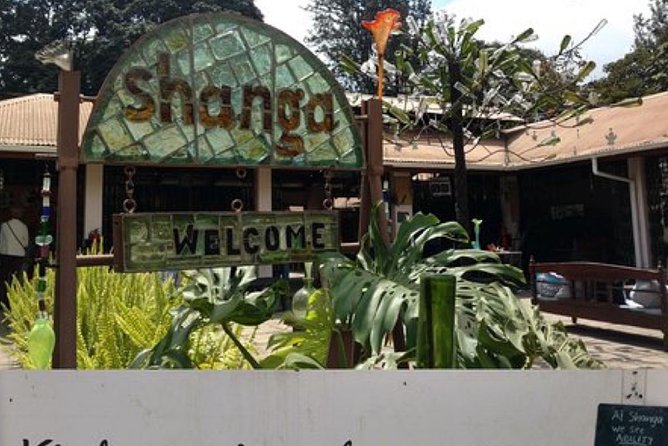
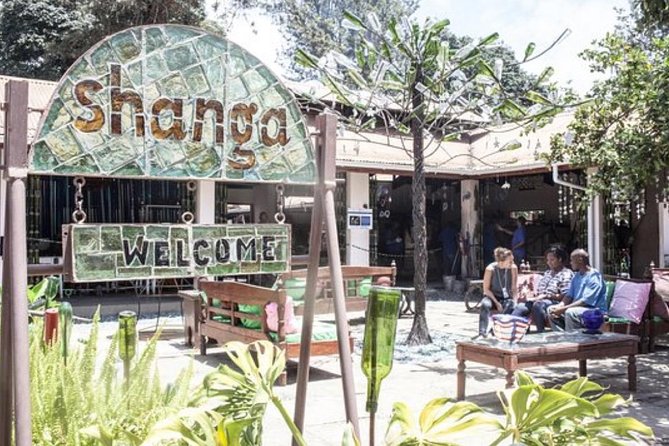
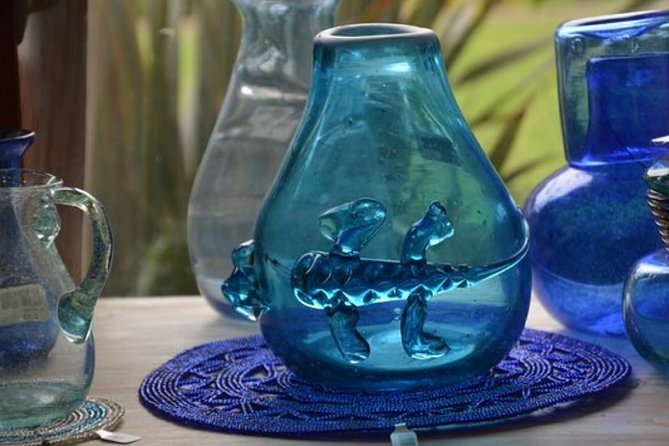
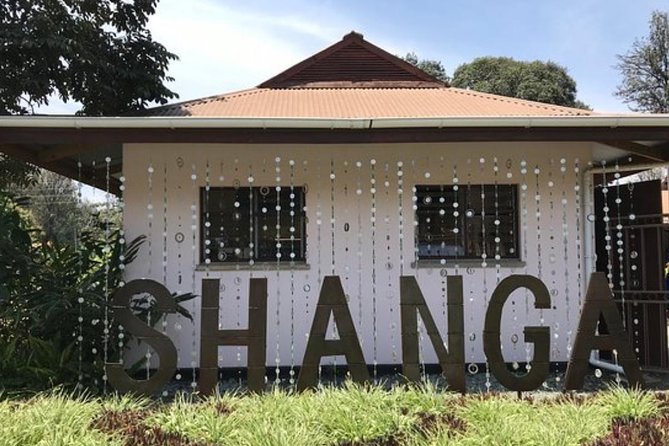
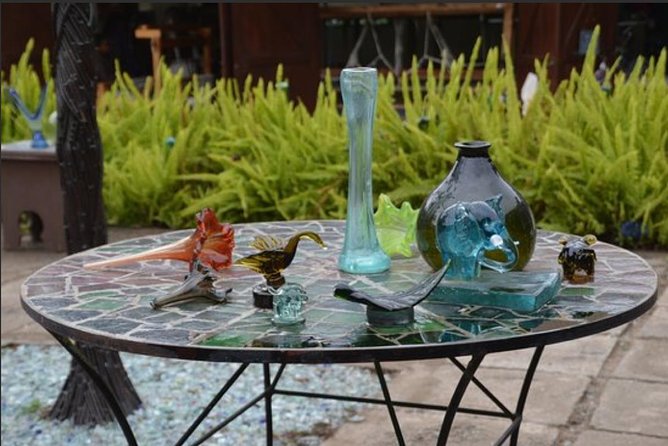
Shanga is one of the more distinctive stops because it combines craft production with employment for people with disabilities. The organization makes jewelry, glassware, home goods, and other items from handmade and recycled materials. Profits are put back into creating more work opportunities.
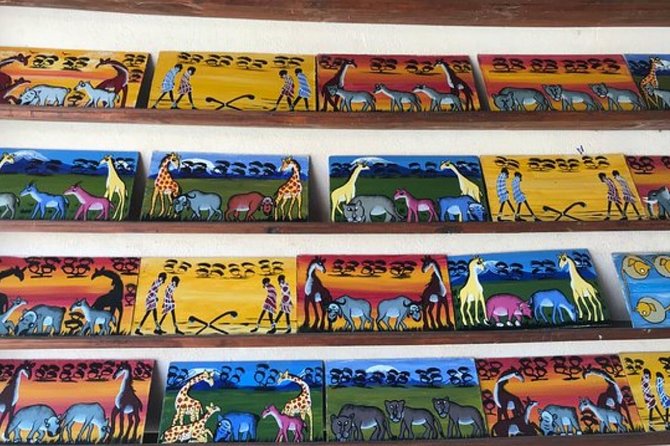
You visit the workplace rather than simply walking through a shop. The workshop includes glass-blowing, weaving, sewing, bead-making, metalwork, and Tinga Tinga painting. Watching these crafts being made gives the shopping a useful context. You can see the time and skill behind products that might otherwise look like ordinary souvenirs on a shelf.
The shop sells Shanga’s own handmade goods in Tanzania and internationally. You may find jewelry, decorative pieces, glassware, and household items. The selection can make this a good place to buy gifts with a direct connection to the people who produced them.
I especially like the balance here. You are not only looking at finished items. You are also seeing a working social enterprise and learning how recycled materials can become useful, attractive products.
The planned three hours is worth noting. A workshop visit, shopping, and demonstrations can fill that time for someone interested in making and design. If you are traveling with children or people who do not shop, three hours may feel excessive. The private format helps because your group can discuss the pace with the guide rather than follow a large crowd.
Maasai Market: browse first, buy later
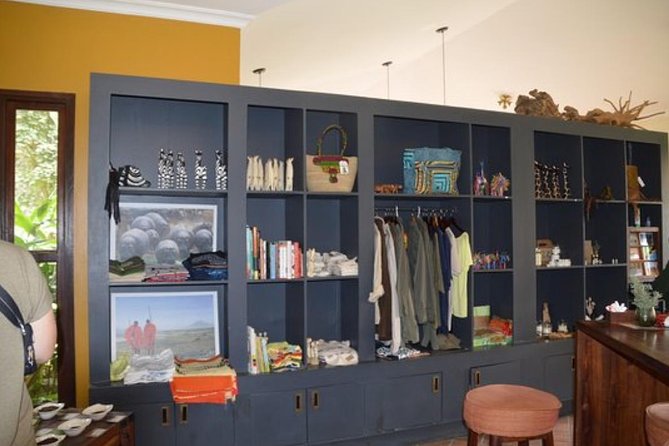
The Maasai Market is the most hands-on shopping stop. It has many stalls, and several may sell similar products. You might see baskets, ornaments, carvings, jewelry, textiles, and other crafts intended for visitors to take home.
The market can feel overwhelming at first because there is a lot to see in a compact area. Sellers may invite you into their stalls, offer a basket for collecting possible purchases, and encourage you to touch the merchandise. The sellers described for this experience are respectful, and you are free to look even if you do not buy.
My practical advice is simple: walk through once before making decisions. Compare similar items, check quality, and keep track of what you have already seen. The first price is not necessarily the final price, so ask politely and negotiate in a friendly way if that is customary for the item.
You should also decide in advance what kind of souvenir you want. A small basket, fabric item, carving, or piece of jewelry is easier to manage than an impulse purchase made after three hours of browsing. Keep your belongings close, not because the tour information reports a particular safety problem, but because crowded markets require normal city awareness.
The market is a good contrast to the Cultural Heritage Centre. The centre offers a more organized retail setting, while the Maasai Market lets you browse many independent stalls. The tradeoff is that the market may feel less calm and less consistent in quality.
More Maasai Village Tours in Arusha
- 7-Day Private Tanzania Safari with Sunset Walking on the Crater Rim and Maasai
★ 5.0 · 40 reviews - Arusha: Maasai Village Tour
★ 4.8 · 22 reviews - 5- Days Best Mid-range Safari and Maasai Village experience
★ 5.0 · 20 reviews - Maasai Boma Cultural Experience (maasai village tour)
★ 4.5 · 14 reviews
Arusha museum: human evolution inside an old fort
The Arusha National Natural History and Cultural Museum occupies the old German boma, a fortified compound completed in 1900. The building gives the final stop a strong sense of place. You are not simply viewing displays in a modern gallery. You are also seeing a surviving piece of Arusha’s colonial-era built environment.
The museum has several sections. The strongest is the human-evolution wing, which connects Tanzania to some of the most important fossil discoveries in the study of human origins. This makes the museum more than a local history stop. It helps explain why northern Tanzania matters so much to scientists and to the wider story of human development.
Other displays cover insects, Arusha during the German colonial period, and wildlife through photographs and mounted specimens. The range is useful if your interests vary. One person in your group can focus on fossils while another spends time with the colonial displays or wildlife material.
I would put this stop high on your list if you want context before or after a safari. It gives you a city-based view of Tanzania’s natural and cultural story. The museum is not presented as a huge institution, so you should not expect a full day of exhibits. The three-hour allocation may include time for the guide to explain the displays and for the group to move at an easy pace.
What the $205 price includes
At $205 per person, this is not a low-cost market walk. The value comes from bundling a full day of private transport, four admissions, a guide, lunch, drinking water, and soft drinks during game drives. There is no game drive in this city itinerary, so you should not count that last inclusion as a major benefit here.
The private vehicle matters most. You avoid organizing four separate transfers, and pickup and drop-off are included at your accommodation. If you have only one free day in Arusha, the time saved can justify part of the price.
Lunch is included, though the supplied details do not name the restaurant or menu. You can expect a provided midday meal, but if you have dietary needs, ask before booking rather than assuming the menu will suit you.
Group discounts are offered. The price makes more sense when shared among a private group, especially if you want a guide and transport that remain dedicated to your party. Solo visitors should compare the price with arranging individual admissions and rides, while couples and families may find the convenience more appealing.
Admission fees and taxes are included. Alcohol, personal purchases, visa costs, accommodation, other personal expenses, and tips are not included. Budget extra for souvenirs, especially at the two shopping stops.
Who will enjoy this Arusha day tour
I would recommend this experience to someone with one free day before or after a safari who wants structure and easy transport. It suits people interested in crafts, art, jewelry, and local history, rather than those looking only for wildlife.
It is also a good match for families and small private groups that value flexibility. The private setting means only your group participates, and you do not have to adjust your day to strangers.
You may want a different plan if you prefer long walks, independent exploration, or a quiet museum-focused visit. Half of the day is spent at commercial or craft-oriented sites, and the schedule is full. The Maasai Market can also be tiring if you dislike repeated sales invitations.
Wear comfortable clothing and bring room in your luggage for purchases. The tour provides drinking water, but you should still prepare for a long day away from your accommodation.
Booking and cancellation details to know
Confirmation is provided when you book, and most people can participate. Pickup begins at 8:00 am, with drop-off after the day’s activities.
Free cancellation is available if you cancel at least 24 hours before the start time. Changes or cancellations made inside that window are not accepted for a refund. The experience depends on good weather and a minimum number of participants, so a cancellation by the operator may lead to another date, another experience, or a full refund.
The listed provider is Kim’zebra Adventures and Safaris. Since the tour is private, mention any timing, food, or shopping priorities when arranging the day.
Should you book this tour?
Book it if you want to cover Arusha’s main cultural stops in one organized day and value private transport more than the lowest possible price. The best parts are the mix of human-evolution exhibits, working craft studios, Tanzanian art, and shopping, with lunch and admission fees already handled.
Think twice if you want a relaxed schedule or if you are not interested in buying crafts. Four stops at roughly three hours each can feel demanding, and the title suggests 24 hours even though the actual program is about 12 hours.
For a first visit with limited time, I think the combination works well. Ask about the day’s exact pacing, confirm food needs, and decide how much shopping you want before you set out. That preparation will help you get more from the private format and avoid spending the day rushing from one purchase to the next.
FAQ
How long does the tour last?
The experience lasts approximately 12 hours and begins at 8:00 am. The title refers to spending a day in Arusha, not to a 24-hour overnight program.
Is pickup included?
Yes. Pickup and drop-off at your accommodation are included.
Is this a private tour?
Yes. Only your group participates in the activity.
What sites does the tour visit?
The tour visits the Cultural Heritage Centre, Shanga and the Shanga Foundation, the Maasai Market Curios and Crafts area, and the Arusha National Natural History and Cultural Museum.
Is lunch included?
Yes. Lunch is included in the tour price.
Are admission fees included?
Yes. All fees and taxes are included, including admission to the Cultural Heritage Centre and the other listed stops.
Is shopping included?
The tour includes time at the Cultural Heritage Centre and Maasai Market, where you can browse and purchase crafts, jewelry, art, textiles, and other goods. Personal purchases are not included in the price.
What is the cancellation policy?
You can cancel up to 24 hours before the start time for a full refund. Cancellations or changes made less than 24 hours before the experience are not accepted for a refund.
More History Walks in Arusha
- Arusha: City Walking Tour Historic and Modern Highlights
★ 4.5 · 12 reviews - Arusha City Culture and Historical Walking Tour
★ 5.0 · 8 reviews - Arusha: Cultural Heritage, Tanzanite Tour
★ 5.0 · 3 reviews - Zanzibar: Stone Town Historical Cultural Walking Guided Tour
★ 4.5 · 179 reviews
More Market Visits in Arusha
- Arusha: Traditional Tanzania Cooking Class & Food Market Tour
★ 5.0 · 34 reviews - Tanzanite experience tour – Tanzanite shopping in Arusha
★ 5.0 · 12 reviews - Arusha: Traditional Tanzania Cooking class& Food Market Tour
★ 4.9 · 12 reviews - Stone Town Guided Tour: Culture, Slave Market & Spice Market
★ 4.8 · 44 reviews
Just added around Arusha
- From Arusha: 11 days The Classics Northern Tanzania safari★ 5.0 · 11 reviews
- 6-Day Mount Meru Climb through Momella Route Guided Tour★ 5.0 · 5 reviews
- Private Day Trip to Arusha National Park with a Walking Safari★ 5.0 · 4 reviews
- From Arusha : 11-day Amazing North Tanzania safari tour★ 5.0 · 4 reviews
- Walking Day Tour to Safari in Arusha National Park★ 5.0 · 5 reviews
- 2 Days Tanzania Midrange Group Join Safari★ 5.0 · 7 reviews
- Best 5 Days Tanzania Private Luxury Safari with luxury Lodges★ 5.0 · 12 reviews
- Waterfall & Coffee Walking Tour★ 5.0 · 6 reviews
Maasai Village Tours, compared.

Maasai village visit, Materuni waterfalls & coffee experience
Read our review →
5 Days Camping Tarangire, Serengeti & Ngorongoro crater & Visiting Maasai
Read our review →

7-Day Private Tanzania Safari with Sunset Walking on the Crater Rim and Maasai
Read our review →
Maasai village visit and Chemka hot-springs with hot lunch.
Read our review →

5- Days Best Mid-range Safari and Maasai Village experience
Read our review →Browse the lists this tour appears in