
Reviewed · COOKING CLASSES
Arusha: Traditional Tanzania Cooking Class & Food Market Tour
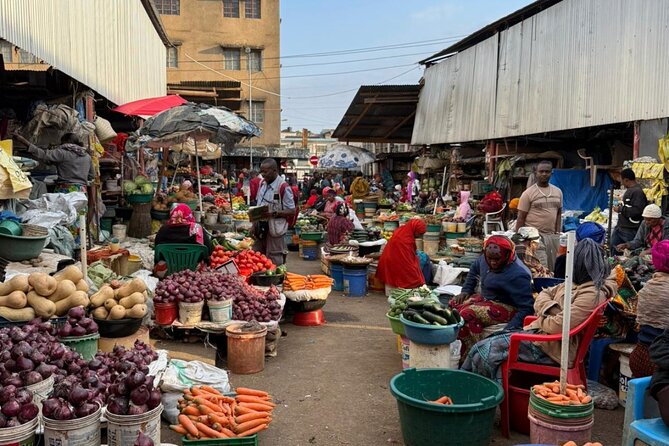
Arusha’s best food lesson begins before you reach the kitchen. You walk through the central food market, examine produce and local staples, then help choose ingredients before cooking two Tanzanian dishes in Sanawari. The lesson uses a low table, charcoal burners, and basic tools, not a polished studio kitchen.
I like the way the outing connects shopping with cooking, so you see where the food comes from before it reaches your plate. I also like the short ride on ordinary local transport, which adds a useful glimpse of daily life. The main consideration is comfort: the cooking area is deliberately simple, and drinks and market spices cost extra.
Key points to know
- The market comes first: Spend about 30 minutes at Arusha’s central food market, with explanations of local produce, meat, and cooking traditions.
- You choose two dishes: Your guide explains the available foods, then helps you select two for the lesson.
- The kitchen is genuinely basic: Expect a low table, charcoal burners, a gas burner, tubs, and simple cooking implements.
- Sanawari adds local flavor: The class takes place away from the market, reached using common public transport.
- Food and ingredients are included: What you cook becomes your lunch or dinner, and the shopping cost is covered.
- Hotel service is practical: Pickup and drop-off are offered for hotels near Arusha city center.
Why this Arusha food experience feels different
Many cooking classes begin with a tidy counter and premeasured ingredients. This one begins with the food market. That change matters. You see vegetables, grains, meat, and other local foods in the place where people shop, then watch those purchases become a shared meal.
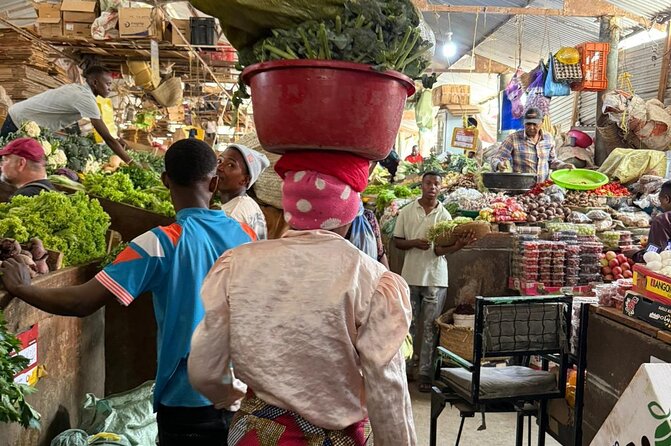
The central market is scheduled for roughly 30 minutes, though the full outing lasts about four hours once transport, shopping, cooking, and eating are counted. Your guide explains how different foods are used in Tanzania and helps you look beyond the obvious stalls. The market is a working place, not a display made only for visitors, so expect movement, strong smells, close quarters, and ordinary daily trade.
The experience is led by Tanzania Songbirds Safaris. Guides named in the supplied information include Israel, James, Lameck, Magret, Bariki, and Fen. The exact guide depends on the date and availability, but the important point is that the guide does more than drive you around. The guide interprets the market, explains the food, handles the transport, and helps connect the cooking lesson with local life.
That makes this a good choice if you want context with your meal. You are not just learning how to stir a pot. You are seeing what people buy, how ingredients are selected, and how cooking fits into a Tanzanian household setting.
More cooking classes in Arusha:
- NGO Lifted Strong – Traditional Tanzanian Cooking Class
★ 5.0 · 39 reviews - Cooking and Sewing & Jewelry Workshops in Arusha
★ 5.0 · 14 reviews - Arusha: Traditional Tanzania Cooking class& Food Market Tour
★ 4.9 · 12 reviews
Inside Arusha’s central food market
The market visit is short, but it is the part that gives the cooking class its purpose. You can expect your guide to point out foods common in the area and explain their traditional uses. Much of what is sold is locally sourced, with some goods coming from outside the country.
You may see fresh produce, local staples, meat, and other everyday ingredients. The supplied experiences describe the market as having two different sides, each with its own smells and goods. That detail is useful because it suggests a broad look at food shopping rather than a single stall or quick photo stop.
I would arrive ready to look, listen, and ask questions. This is not a place to hurry through with a camera raised. Notice how food is arranged, how sellers interact with shoppers, and which ingredients your guide chooses for the class.
The market stop is also a chance to meet local people. The descriptions emphasize friendly contact, but you should still follow your guide’s lead when taking photographs or handling goods. A market is a workplace first.
One limitation is the time. Thirty minutes gives you an introduction, not a full market study. If you are hoping to compare prices, shop for gifts, or linger at every section, this tour may feel brisk. Its purpose is to prepare you for the cooking class, not replace a dedicated market tour.
Choosing two Tanzanian dishes
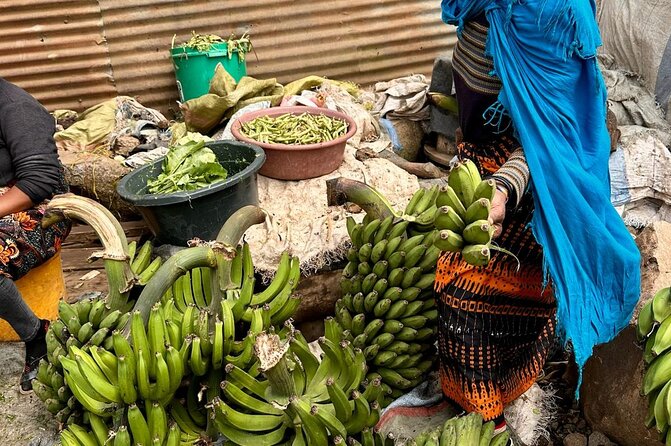
After the market visit, your guide explains the available local foods and lets you select two dishes for the lesson. The exact choices are not fixed in the information provided, so ask what is available on your date before you book if you have a particular dish in mind.
Past cooking examples include ugali and ndizi. Ugali is a firm maize-based staple commonly eaten with other foods. Ndizi refers to banana dishes, which can be prepared in several ways. These examples give you an idea of the sort of everyday food involved, but they should not be treated as a guaranteed menu.
This choice is one of the strongest parts of the experience. You are not handed a mystery plate at the end. You take part in deciding what you will cook, and the market visit gives you a better sense of the ingredients.
If you have allergies, dietary restrictions, or foods you avoid, tell the operator when booking and confirm again with your guide. The provided details do not promise a special menu, so do not assume substitutions will be available.
Riding from the market to Sanawari
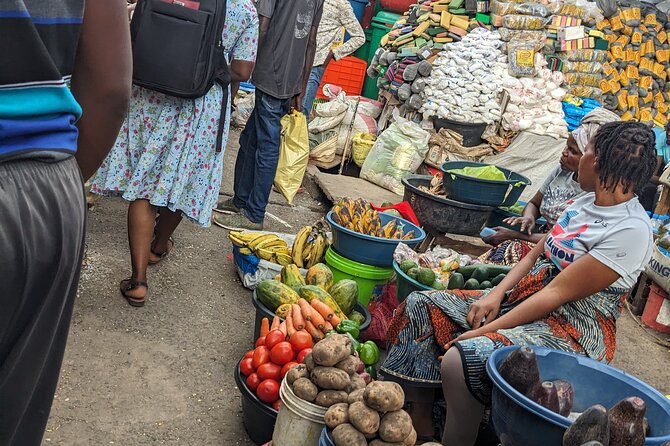
The route continues from the central market to Sanawari, the area where the cooking lesson takes place. Part of the trip uses a common form of public transport. This is a small detail, but it gives the outing a more ordinary feel than a private vehicle moving between tourist stops.
You should think of the ride as part of the cultural experience, not just a transfer. You get a look at how people move around Arusha and how the market connects with residential areas. The trade-off is that public transport can be less predictable than a private car. If you need a highly controlled schedule or quiet transport, this may not suit you.
Pickup and drop-off are offered at hotels near Arusha city center. The tour description does not promise service from every hotel in the wider Arusha area, so confirm your pickup point in advance. After the meal, your guide returns you to the agreed location.
More market visits in Arusha:
- Tanzanite experience tour – Tanzanite shopping in Arusha
★ 5.0 · 12 reviews - 24 Hours in Arusha—Arusha Museum, Cultural Heritage, Maasai Market, Shanga
★ 5.0 · 4 reviews - Stone Town Guided Tour: Culture, Slave Market & Spice Market
★ 4.8 · 44 reviews - Private Market Tour and Tanzanian Cooking Class in Moshi
★ 5.0 · 7 reviews
Cooking in a local kitchen
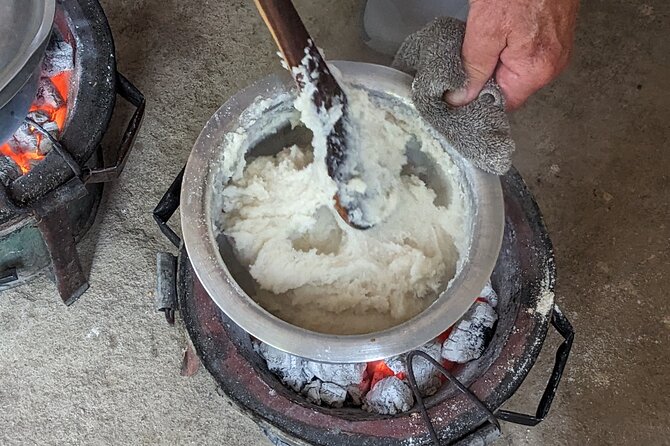
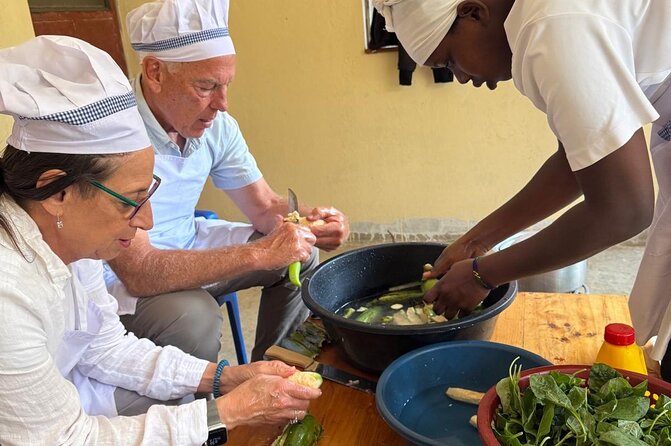
Sanawari is where the class becomes hands-on. Do not expect stainless steel counters, a modern stove, or a restaurant-style teaching kitchen. The setup described includes a low table, two charcoal burners, a gas burner, large tubs, and basic implements.
That simplicity is not a side issue. It is the lesson. You see how food can be prepared with equipment that differs sharply from what you may use at home. The charcoal burners, low work surface, and shared tubs make the cooking feel close to a household routine rather than a professional demonstration.
Still, you should set your expectations correctly. A basic kitchen may mean bending, sitting low, sharing work surfaces, and handling simple tools. Most people can take part, but the experience could be difficult if you need a raised counter, special equipment, or a highly accessible work area. The supplied details say most people can participate, but they do not provide a full accessibility description.
The class is described as interactive and fun, with the guide and chef explaining local food traditions as you work. The guide names vary, while the chef is not identified in the supplied information. You will likely have help with the steps, but the experience is not presented as a formal culinary school lesson. It is better understood as a practical introduction to home-style Tanzanian cooking.
Eating what you prepare
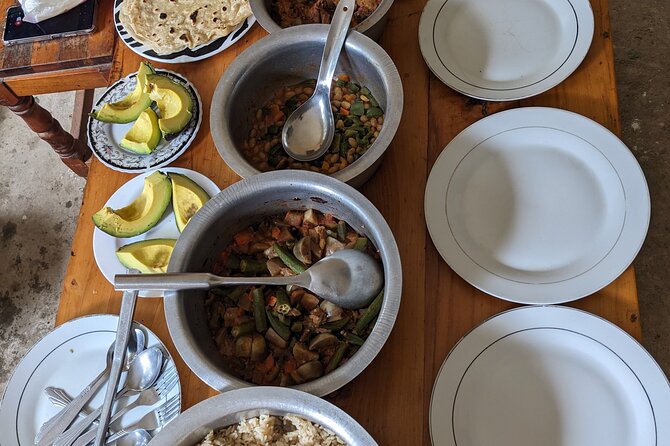
Once the cooking is finished, you sit down to eat what you made. The meal is included for the people taking part, and it can be served as lunch or dinner depending on the start time.
This is where the market, transport, and kitchen come together. You have seen the ingredients in their raw form, helped buy them, prepared them using local methods, and then eaten the result. That sequence gives the meal more meaning than a restaurant stop alone.
The food is also the main reason to arrive hungry. One of the most useful details in the supplied comments is the simple advice to go hungry and expect to leave full. Do not plan a large meal immediately before the tour.
A takeaway option may be available after the cooking. This is worth asking about if you enjoy the food and want something for later, but it is not described as a guaranteed extra service.
Drinks are not included. You can buy water, soda, or beer along the way, so bring money for those purchases. Market spices are also excluded, which matters if you hope to take home ingredients. The price covers the shopping needed for the cooking lesson, not additional spices for your own kitchen.
What $42 buys you
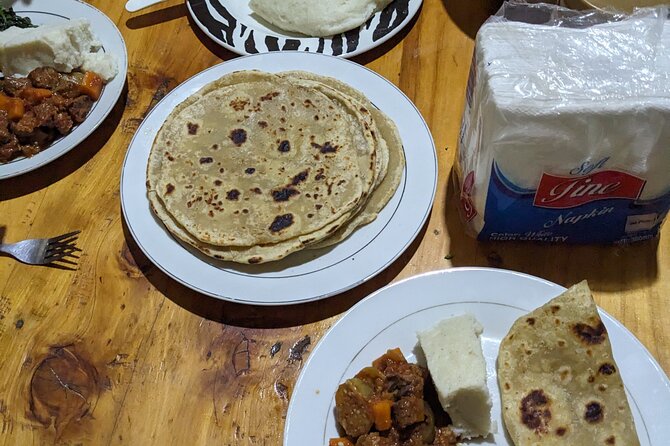
At $42 per person, the value rests in the combination of services rather than the cooking lesson alone. The price includes a guided market visit, ingredient shopping, transport between the main stops, the cooking activity, the meal, and hotel pickup and drop-off near the city center.
A four-hour outing with this many parts can be a useful deal in Arusha, especially if you would otherwise pay separately for transport and a meal. You also avoid having to arrange your own market orientation or figure out how to reach Sanawari.
The value is lower if you want a long market visit, a polished kitchen, or a highly technical lesson. You are paying for contact with ordinary food culture and a shared meal, not luxury surroundings.
The tour is often booked about 23 days ahead on average. That suggests you should not leave it until the last minute if the activity is important to your Arusha schedule. Confirmation is provided at booking, and mobile tickets are supported.
The advertised capacity can reach 200 people, although the supplied information does not say how many people usually attend a particular departure. Ask about the expected group size if personal instruction matters to you. A larger group could mean less time at the cooking station.
Who should book this activity
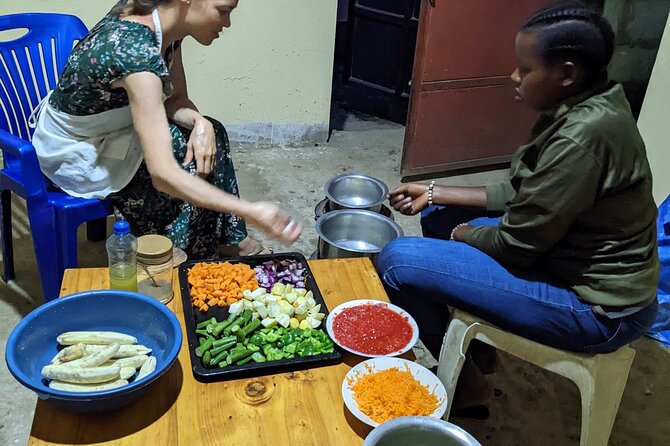
I would choose this experience if you want an easy introduction to Arusha through food. It suits people who enjoy markets, local transport, basic cooking, and conversation more than polished tourism. It also works well for a first day in town because the guide helps you get oriented to local food and daily routines.
Families and mixed-age groups may appreciate the simple meal and clear structure, though the low cooking setup may not work for everyone. People who enjoy photographing markets should find plenty to notice, but should treat the setting with respect.
This is less suitable if you need a luxury kitchen, a fixed menu, a long food tasting session, or a private, highly customized lesson. It may also disappoint anyone expecting a restaurant chef to teach advanced knife skills or complex recipes.
The activity requires good weather. If poor weather causes cancellation, you are offered another date or a full refund. You can cancel for a full refund up to 24 hours before the start time. Changes or cancellations within 24 hours are not accepted, and the local time cutoff applies.
Practical tips for a better outing
Wear clothes that can handle market dust and cooking splashes. Comfortable footwear will help because you will move through a working market before settling into the cooking area.
Bring cash for drinks and any market spices you want to buy. Those items are not included, while the ingredients selected for the class are covered.
Tell the operator about dietary needs before the day of the activity. The menu depends on what is available and what you choose, so early notice gives the team a better chance to explain your options.
Ask your guide how much time will be spent at each stage. The stated market visit is about 30 minutes and the cooking lesson about 1 hour 30 minutes, but the remaining time includes travel, shopping, eating, and hotel transfers.
If you want a particular guide, such as Israel, James, Lameck, Magret, Bariki, or Fen, ask when booking, but do not assume a specific person is guaranteed. Guide assignments can vary.
Should you book it?
Book this tour if you want food as a doorway into local life, rather than a formal chef-led class. The market, public transport, simple kitchen, and shared meal give you a grounded look at how cooking works beyond a hotel dining room.
Skip it if comfort, privacy, or technical cooking instruction matters most. For $42, the experience offers a fair bundle of food, transport, guidance, and activity, but its real value comes from accepting the basic setting. Go with curiosity, an appetite, and realistic expectations, and this can be one of the more personal ways to spend four hours in Arusha.
FAQ
How long does the Arusha cooking experience last?
The full activity lasts approximately four hours. The central market visit takes about 30 minutes, and the cooking lesson is listed at about 1 hour 30 minutes, with the rest covering shopping, transport, eating, and hotel transfers.
What is included in the $42 price?
The price includes the guided central market visit, cooking lesson, ingredients bought for the class, the meal you prepare, local transport used during the activity, and pickup and drop-off at hotels near Arusha city center.
Are drinks included?
No. Water, soda, and beer are not included, but you can buy them along the way.
Can I choose what I cook?
Yes. Your guide explains the available local foods, and you select two dishes for the cooking lesson. The exact menu can vary.
Where does the cooking class take place?
The lesson takes place in Sanawari, after the market visit in central Arusha.
What kind of kitchen should I expect?
The class uses a local kitchen rather than a modern teaching kitchen. The setup may include a low table, charcoal burners, a gas burner, large tubs, and basic cooking tools.
Is hotel pickup available?
Yes, pickup and drop-off are offered for hotels near Arusha city center. Confirm your exact hotel when booking.
Can I cancel for a full refund?
Yes, you can cancel at least 24 hours before the experience starts for a full refund. Cancellations or changes made less than 24 hours before the start time are not accepted.
More Food Tours in Arusha
- Organic Coffee Tour and Local Food Experience in Arusha
★ 5.0 · 29 reviews - Street Food and Community Walking Tour
★ 5.0 · 12 reviews - Waterfalls, Coffee, Hotsprings, Food Cuisine, & Serval Wildlife
★ 5.0 · 6 reviews - Arusha: Coffee Plantation Tour with Tasting and Hands-On …
★ 5.0 · 4 reviews
Just added around Arusha
- From Arusha: 11 days The Classics Northern Tanzania safari★ 5.0 · 11 reviews
- 6-Day Mount Meru Climb through Momella Route Guided Tour★ 5.0 · 5 reviews
- Private Day Trip to Arusha National Park with a Walking Safari★ 5.0 · 4 reviews
- From Arusha : 11-day Amazing North Tanzania safari tour★ 5.0 · 4 reviews
- Walking Day Tour to Safari in Arusha National Park★ 5.0 · 5 reviews
- 2 Days Tanzania Midrange Group Join Safari★ 5.0 · 7 reviews
- Best 5 Days Tanzania Private Luxury Safari with luxury Lodges★ 5.0 · 12 reviews
- Waterfall & Coffee Walking Tour★ 5.0 · 6 reviews
Cooking Classes, compared.
Half-Day Kuza Cave Swimming Adventure and Cooking Class
Read our review →
NGO Lifted Strong – Traditional Tanzanian Cooking Class
Read our review →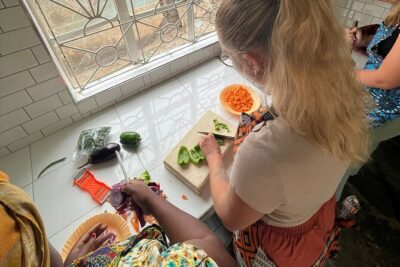
Cooking and Sewing & Jewelry Workshops in Arusha
Read our review →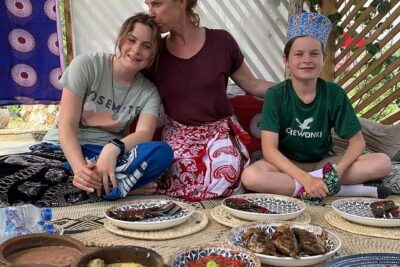
A private half day spice farm with a cooking lesson
Read our review →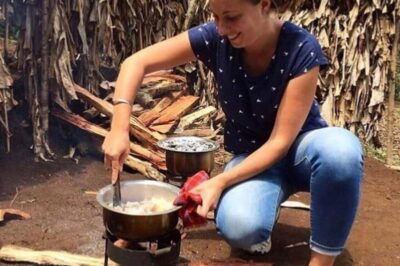
Local Tanzanian Cooking Class by Kingstone Asilia
Read our review →Browse the lists this tour appears in