
Reviewed · COOKING CLASSES
NGO Lifted Strong – Traditional Tanzanian Cooking Class
The most meaningful part of this Arusha cooking class is the people behind the food. At Lifted Strong Community Organization, local mamas guide you through Tanzanian recipes while explaining how the organization supports women dealing with poverty, HIV, domestic violence, and poor health. This is cooking with a social purpose, not a polished restaurant demonstration.
I like two things in particular. First, the class is flexible: Joyce may contact you before the day to discuss what you want to prepare, and vegetarian, vegan, or allergy-aware cooking can be arranged. Second, the small group size, capped at 10 people, gives you time to cook together and talk with the women leading the class. The main consideration is that this feels more like cooking alongside local women than a formal lesson with a fixed script.
Key Points
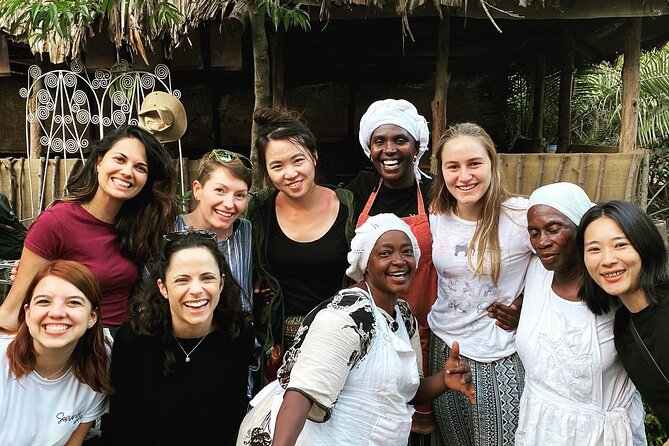
- Cook with the Lifted Strong mamas: Local women lead the food preparation and share the Swahili names for ingredients.
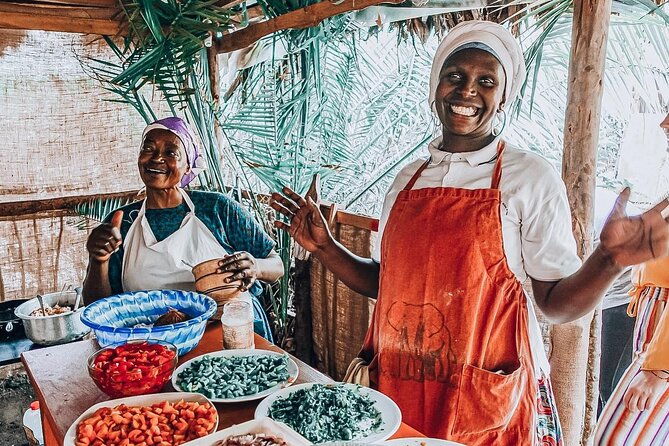
- Expect a flexible menu: Past dishes have included samosas, soup, ugali with vegetables, rice, and cooked banana.
- Support a clear local mission: Your fee helps LISCO support women facing serious social and health challenges.
- Plan for about three hours: The activity begins at 2:00 pm and ends back at the starting point, leaving your evening free.
- Ask about pickup: You can meet at the center or arrange pickup, depending on the details of your booking.
- Good for dietary needs: Vegetarian and vegan cooking is available if requested ahead of time.
Cooking With a Purpose in Arusha
Many cooking classes are built around a recipe. This one is built around a relationship. You spend the afternoon with the women of Lifted Strong, helping prepare food while learning about the organization’s work in the community.
LISCO aims to support women who have faced difficult circumstances, including domestic violence, HIV, poverty, and poor health. The class gives you a direct way to support that work. You are not simply paying for lunch and a lesson. Part of the value is knowing that your visit contributes to an organization focused on women’s welfare and independence.
That social purpose shapes the tone of the afternoon. The experience is intended to be welcoming and personal. You meet the women, learn about their work, and cook as a group. If you want a highly choreographed culinary show, this may feel informal. If you want a human connection and a useful activity in Arusha, the relaxed style is a strength.
More cooking classes in Arusha:
- Arusha: Traditional Tanzania Cooking Class & Food Market Tour
★ 5.0 · 34 reviews - Cooking and Sewing & Jewelry Workshops in Arusha
★ 5.0 · 14 reviews - Arusha: Traditional Tanzania Cooking class& Food Market Tour
★ 4.9 · 12 reviews
Arriving at MJHR+GF in Arusha
The listed meeting point is MJHR+GF, Arusha, Tanzania. The activity begins at 2:00 pm and finishes back at the meeting point after roughly three hours.
You can meet the group at the center, or you can arrange pickup. Confirm the pickup details before the day of the class, since the supplied information does not give a standard pickup route or a fixed pickup time.
One practical point is worth noting: the center may be a short walk from the main street. The walk has been described as manageable, but you should allow enough time to find the location. If you prefer not to walk or are carrying luggage, ask about pickup when booking.
The afternoon start works well with a morning safari, city outing, or a slower day in Arusha. It also means you are not giving up your entire day for a three-hour activity. After the class, your evening remains open for dinner or other plans.
Meeting the Mamas and Learning Swahili Food Names
The class begins with an introduction to the women and the work of Lifted Strong. Joyce is one of the named contacts associated with the experience, and she may reach out before the class to discuss your preferred dishes.
The cooking itself includes preparing produce and learning the Swahili names for ingredients. That language element adds something a standard recipe lesson often misses. You leave with more than a list of steps. You also gain a small set of food words that can help you recognize local dishes and talk about them during the rest of your time in Tanzania.
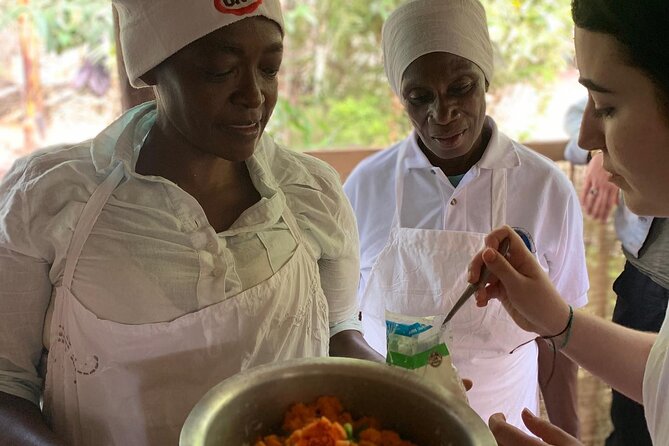
Do not expect a professional kitchen setup or a chef standing apart from the group. The format is hands-on and shared. You help prepare the food, follow the mamas’ guidance, and talk as you work. That means the pace can change depending on the group, the menu, and the amount of conversation.
For me, that informal approach is one of the best reasons to book. The food is a doorway into daily life. You see how ingredients are handled, hear their local names, and spend time with women who have a personal connection to the organization’s mission.
What You Might Cook During the Three Hours
The menu is not presented as one unchanging set of dishes. You may have a chance to discuss the topic of the class in advance, and past sessions have included several useful examples.
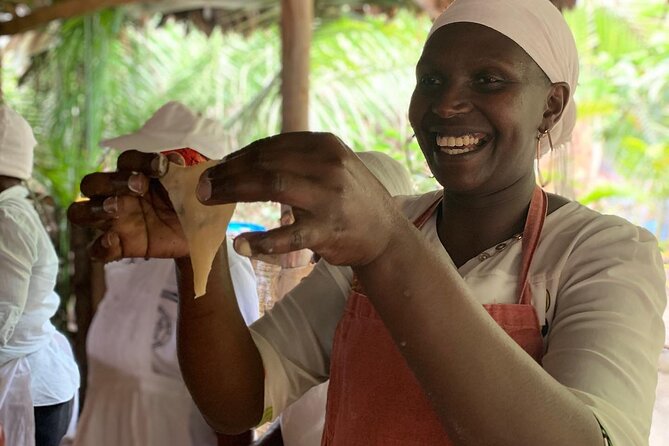
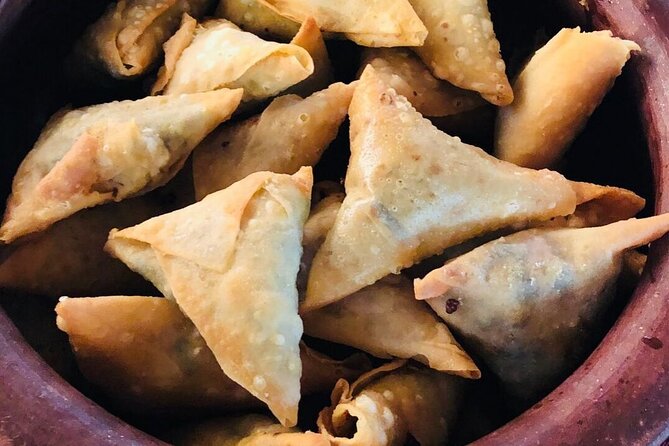
Samosas are one popular choice. The class can include the techniques needed to prepare them, and the finished result becomes part of the shared meal. This is a practical dish to learn because it combines preparation, filling, shaping, and cooking rather than relying on one simple step.
Soup has also been part of the class. A soup lesson may be a good choice if you want to focus on preparation and seasoning, though the exact recipe is not specified. Ask Joyce what is available for your date rather than assuming a particular soup will be served.
Other sessions have included ugali with vegetables, rice, and cooked banana. Ugali is an important Tanzanian staple, so preparing it gives the class a stronger local focus than simply making an international dish. The vegetables and rice provide a fuller meal, while cooked banana shows another side of local home cooking.
The quantity may be generous. One group was able to take some food home after making more than they could eat. That is not a guaranteed feature, so treat it as a pleasant possibility rather than part of the advertised promise.
A few more Arusha trips worth comparing
- Tanzania Classic – 7 Days
★ 5.0 · 1,151 reviews - 4 Days Group Camping Safari
★ 5.0 · 1,101 reviews - 5 Days Group Camping Safari
★ 5.0 · 730 reviews - 7-Day Premium Luxury Tanzania Safari All-Inclusive
★ 5.0 · 426 reviews
A Flexible Menu for Vegetarians and Vegans
Vegetarians and vegans can take part, but you should state your needs before the class. The organization says dietary preferences can be accommodated, and past arrangements have included vegetarian cooking and attention to allergies.
This advance notice matters because the menu is planned around what the group wants to prepare. Do not wait until you arrive to mention a serious allergy or a strict dietary requirement. Send the information ahead of time so the team can discuss suitable dishes.
The flexibility is also useful for couples, families, and small groups with different tastes. You might choose samosas, soup, or a more traditional meal built around ugali and vegetables. The exact choice depends on what can be arranged for your date.
How the Class Feels in Practice
The experience is best understood as a shared cooking session. You will probably spend time chopping, preparing ingredients, shaping or stirring food, and sitting down to eat what the group has made.
That format suits people who want conversation and participation. It is less suited to anyone hoping to watch a polished chef prepare a complex menu while taking detailed notes from the side. The instruction is practical and social rather than formal.
The small maximum of 10 people helps. A group this size should give you a reasonable chance to take part instead of standing at the back. It also keeps the interaction with the mamas more direct.
Families and school groups can use the class well. A school group of girls found the women welcoming and encouraging while learning to make samosas. Children will still need ordinary supervision around food preparation, but the group format can make the experience approachable for young participants.
Couples and friends should find it easy to join in without feeling lost. Solo participants may also appreciate the built-in social setting, especially if they want an activity that involves local conversation rather than a sightseeing stop.
What the $50 Price Includes in Value
At $50 per person, this is not the cheapest way to eat in Arusha. You could buy a meal for less. The value comes from combining food, instruction, cultural exchange, and direct support for LISCO in one three-hour activity.
You are paying for the time of the people leading the class, the ingredients, the organization of the session, and the chance to take part in the preparation. The charitable purpose adds another layer. Your booking supports an organization working with women facing difficult circumstances.
The price makes more sense if you would otherwise pay for a separate meal and a separate cultural activity. It is less compelling if your only goal is to learn advanced cooking technique. The class is not marketed as professional culinary training, and its informal style is part of the experience.
The 4.9 rating from 39 reviews and the 100 percent recommendation figure suggest strong satisfaction, but I would still focus on the type of experience rather than the numbers. Book it for the social purpose and shared cooking, not for a strict chef-led syllabus.
Timing, Group Size, and Practical Details
The class lasts about three hours and starts at 2:00 pm. It ends back at the meeting point, so you can plan your evening without arranging a second transfer.
The group is limited to a maximum of 10 people. That is small enough for hands-on participation and conversation. It also means the class may require a minimum number of bookings to run. If the minimum is not met and the activity is canceled, you can receive a different date or experience, or a full refund.
A mobile ticket is provided, and confirmation is received at booking. Service animals are allowed, and the center is near public transportation. The available details do not specify the exact transport options, so ask for clear directions if you are not using arranged pickup.
You can cancel for a full refund up to 24 hours before the start time. Cancellations or changes made less than 24 hours ahead are not refunded or accepted. The cutoff uses Arusha local time.
Who Should Book This Arusha Cooking Class
I would recommend this class to you if you want a meaningful afternoon activity with a strong community focus. It works especially well for people who enjoy meeting local residents, cooking in a relaxed setting, and supporting a women-led social mission.
It is also a good choice for:
- Couples seeking a shared activity beyond standard sightseeing
- Families and school groups looking for hands-on food preparation
- Vegetarians and vegans who arrange their needs in advance
- Visitors with a free afternoon before or after a safari
- Anyone curious about Tanzanian ingredients, Swahili food names, and home-style dishes
You may want to choose another activity if you need a highly structured cooking course, professional chef instruction, or a guaranteed menu. The dishes can vary, and the format is more collaborative than formal.
Should You Book the Lifted Strong Cooking Class?
Book it if you want food to be the bridge between you and the local community. The best parts are the welcoming mamas, the chance to prepare dishes such as samosas and ugali, the Swahili vocabulary, and the clear support for women through LISCO.
Before booking, send your dietary needs and ask what you will prepare. Confirm the meeting or pickup arrangements, especially if you are walking from the main street. With those details settled, the $50 price is fair for a small-group class that combines a meal, a cultural exchange, and practical support for a local organization.
FAQ
Where does the Lifted Strong cooking class take place?
The meeting point is MJHR+GF in Arusha, Tanzania. The activity ends back at the same meeting point.
What time does the cooking class start?
The class starts at 2:00 pm.
How long does the activity last?
The cooking experience lasts approximately three hours.
How many people can join the class?
The activity accepts a maximum of 10 participants.
Can I arrange pickup?
Yes. You can meet at the center or arrange pickup.
Can vegetarians and vegans join?
Yes. Vegetarian and vegan options are available when requested in advance.
What dishes might I prepare?
Possible dishes include samosas, soup, ugali with vegetables, rice, and cooked banana. The exact menu can vary.
What is the cancellation policy?
You can cancel up to 24 hours before the start time for a full refund. Cancellations or changes made less than 24 hours before the activity are not accepted or refunded.
Just added around Arusha
- From Arusha: 11 days The Classics Northern Tanzania safari★ 5.0 · 11 reviews
- 6-Day Mount Meru Climb through Momella Route Guided Tour★ 5.0 · 5 reviews
- Private Day Trip to Arusha National Park with a Walking Safari★ 5.0 · 4 reviews
- From Arusha : 11-day Amazing North Tanzania safari tour★ 5.0 · 4 reviews
- Walking Day Tour to Safari in Arusha National Park★ 5.0 · 5 reviews
- 2 Days Tanzania Midrange Group Join Safari★ 5.0 · 7 reviews
- Best 5 Days Tanzania Private Luxury Safari with luxury Lodges★ 5.0 · 12 reviews
- Waterfall & Coffee Walking Tour★ 5.0 · 6 reviews
Cooking Classes, compared.
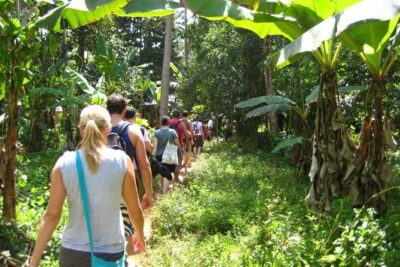
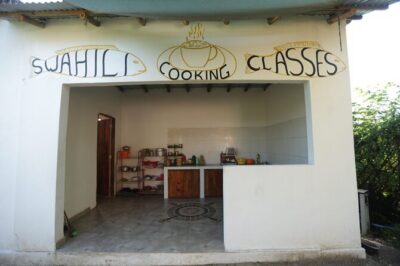
Half-Day Kuza Cave Swimming Adventure and Cooking Class
Read our review →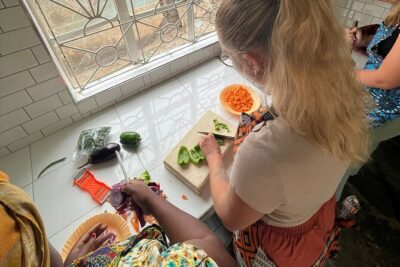
Cooking and Sewing & Jewelry Workshops in Arusha
Read our review →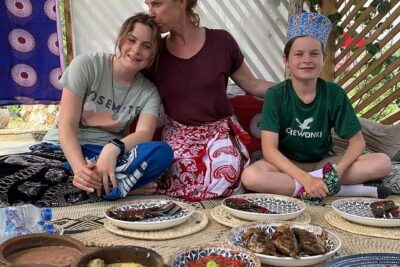
A private half day spice farm with a cooking lesson
Read our review →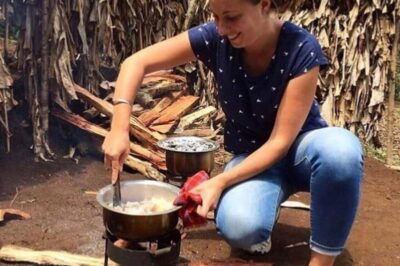
Local Tanzanian Cooking Class by Kingstone Asilia
Read our review →Browse the lists this tour appears in