
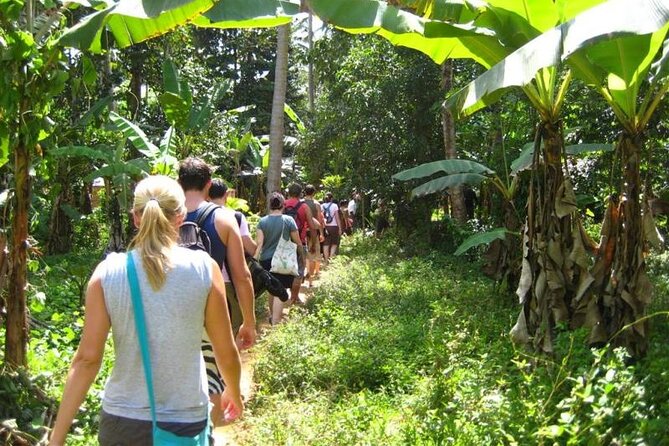
Reviewed · SPICE FARM TOURS
Zanzibar Cooking Class & Spice Tour
Zanzibar’s food culture makes the most sense when you follow an ingredient from market stall to cooking pot. This five-hour experience takes you through Darajani Market, a spice farm, and a hands-on kitchen session where you prepare and eat classic local dishes.
I like two things here. First, you help shop for the ingredients instead of watching a polished cooking demonstration. Second, the class has earned strong praise for its warm hosts, especially Lutfia, Latfiya, and Rashid, plus practical tips for dishes such as pilau and cooked banana. The main caution is timing: late pickup and a slow market visit can be a problem if you have a flight that same evening.
Key points to know
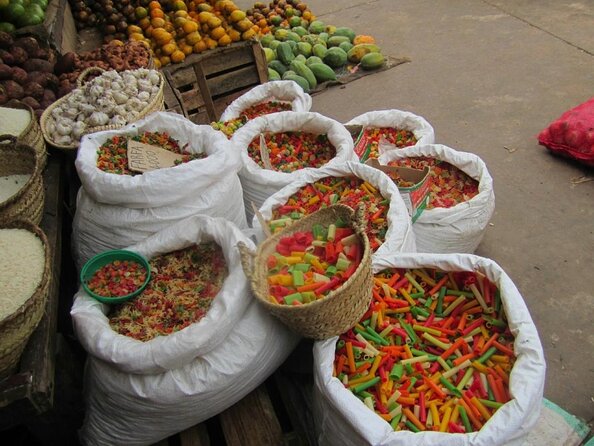
- Darajani Market comes first: You help buy ingredients in Stone Town before heading to the farm.
- The spice farm is hands-on: Expect explanations, spice and tropical-fruit tastings, and time to look around.
- The cooking class is the main event: You prepare a four-dish meal and eat what you have made.
- Named hosts matter: Lutfia, Latfiya, and Rashid receive especially warm praise for their cooking and hosting.
- Small groups help: The maximum group size is 10, though some departures may be much smaller.
- Plan around the clock: Morning pickup is listed for 9:00 AM and afternoon pickup for 3:00 PM, with hotel return included in Stone Town.
Why this Zanzibar food tour is worth your time
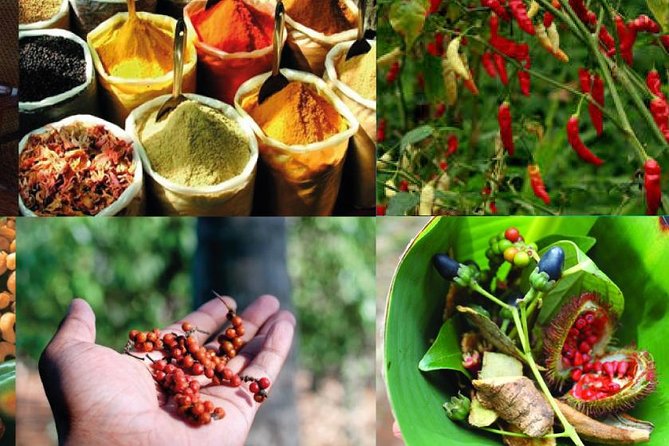
Many Zanzibar packages give you a plate of pilau, curry, or spiced rice and leave it at that. This experience shows you the steps behind the meal. You see ingredients at the market, learn how spices grow, and then use them in a local kitchen.
That makes the tour useful for more than food lovers. If you want a clearer sense of daily life in Zanzibar, the market and cooking session offer more context than a standard restaurant meal. You get to see how shopping, preparation, and eating connect.
At about $40, the price is reasonable for roughly five hours if the full plan runs as described. You are paying for transport, several stops, tastings, instruction, and a meal. It is not the cheapest way to spend a half day, but it brings together three separate activities that would otherwise take planning and separate transfers.
The value depends heavily on the guide. A strong host can turn ordinary ingredients into a memorable lesson. A late pickup or distracted guide can make the same route feel rushed. The uneven experiences reported for this activity make communication and time planning important.
More Cooking Classes in Zanzibar
- Zanzibar: Spice Farm Tour with Traditional Cooking Lesson
★ 4.8 · 77 reviews - Half-Day Kuza Cave Swimming Adventure and Cooking Class
★ 4.5 · 44 reviews - Zanzibar: Spice Farm Tour with Traditional Cooking Class
★ 4.6 · 16 reviews
Starting at Darajani Market in Stone Town
The day begins at Darajani Market, the main shopping stop in the itinerary. Rather than arriving at the cooking class with ingredients already measured, you help buy what will be used later.
That small change matters. You can see the food in its everyday setting, with the guide explaining what to choose and how it fits into the meal. You are not simply looking at spices in jars. You are part of the buying process.
The market visit is described as short, so do not expect a long guided tour of every section. Its role is practical: gather ingredients and get a first look at the food culture of Zanzibar. The guide’s relationship with vendors may also shape the experience. One unhappy account describes too much conversation in Swahili and not enough attention to the group, so it is fair to expect some informal market business rather than a tightly scripted presentation.
I would treat the market as an introduction, not the main attraction. Wear comfortable shoes, stay close to the guide, and ask questions when you want an explanation. If you have dietary needs, this is also a good moment to make them clear before cooking begins.
At the spice farm, look and taste
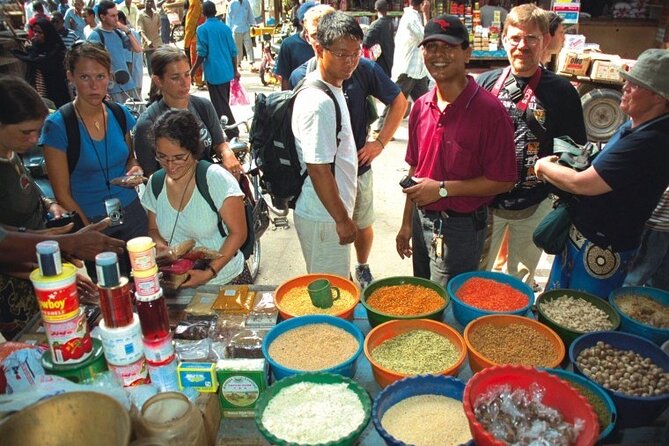
After the market, you head to a spice farm. The exact farm can vary, but one account identifies Azusa Spice Farm, while another describes the site as a community farm. The visit includes a walk around the property and tastings of spices and tropical fruits.
This is the part that gives Zanzibar’s food its setting. You can connect familiar cooking ingredients with the plants themselves, then taste some of them in fresh form. The experience is more useful than simply buying a packet of cloves or cinnamon in a shop because you get an explanation of what you are seeing.
The tastings are a clear strength. The farm visit has been described as informative and interactive, with a guide explaining and showing the spices carefully. You might taste several spice fruits and produce, though the exact selection is not specified.
Keep your expectations sensible. A spice farm tour is not the same as a long agricultural visit, and the information provided does not promise a set number of plants, tastings, or demonstrations. The stop also includes the possibility of shopping. One account reports a less friendly attitude after declining to buy something, so you should feel free to browse without assuming you must purchase products.
The farm is best enjoyed as a short sensory lesson. Smell the leaves, taste what is offered, and ask how the ingredients appear in the dishes you will prepare later. That link between the farm and the kitchen is the point.
The cooking class is where the tour earns its price
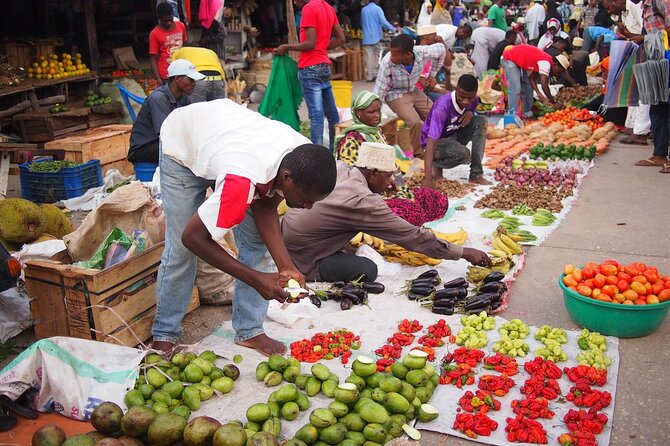
The class follows the market and spice farm, and this is where the experience becomes more personal. You help prepare authentic Zanzibar dishes with a local cook, then sit down to eat the meal.
Several details make the class sound especially useful. One account describes a four-plate meal and calls out tips for preparing rice pilau and banana. Another praises the chance to shop for the ingredients, help cook them, and then eat the finished food. That is the right order for learning: see, buy, prepare, taste.
Lutfia, also written as Latfiya in one account, receives particularly warm praise for being friendly and attentive. Rashid is also named as an excellent host and cook. The best version of this tour seems to depend on that personal connection, with the cook adjusting explanations and making sure the group takes part rather than sitting back.
You should not expect a formal culinary school lesson with printed recipes or professional equipment, because those details are not included. Think of it as a home-style class. You learn by watching, helping, and asking questions. The cooking methods may feel different from what you use in Europe, which is part of the appeal.
The food itself is central. You eat the meal you have helped prepare, rather than receiving a separate restaurant lunch. That gives the class a satisfying finish and lets you judge the results for yourself.
More spice farm tours in Zanzibar:
- Zanzibar: Stone Town, Spice Tour, Prison Island with Lunch
★ 4.4 · 1,219 reviews - Zanzibar: Prison Island, Stone Town, & Spice Farm Tour
★ 4.5 · 579 reviews - Zanzibar: Stone Town, Spice tour & Prison Island with Lunch
★ 4.6 · 453 reviews - Full-Day Private Stone Town +Spice Farm and Prison Island Tour
★ 4.5 · 216 reviews
Morning or afternoon: choose with care
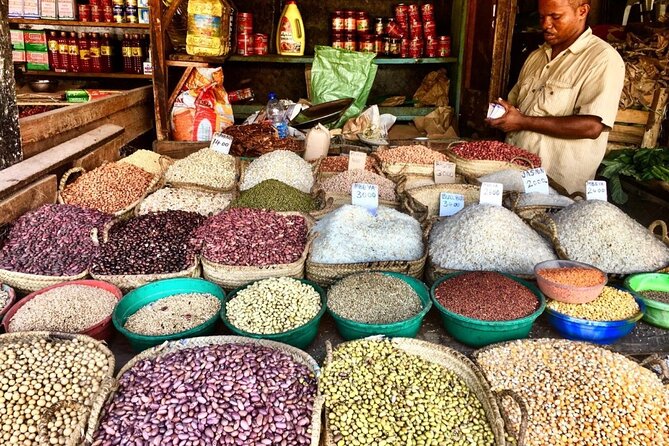
The morning session begins with pickup at 9:00 AM. An afternoon option is listed at 3:00 PM. The full activity lasts about five hours, so the afternoon departure will likely finish in the evening.
Stone Town hotel pickup and return are included in the tour description. The stated meeting point is R5QQ+697 in Zanzibar, and the activity ends back at the meeting point. Since the wording also refers to hotel transfers, confirm the exact pickup arrangement when booking, especially if your accommodation is outside the expected area.
The morning departure is the safer choice for most people. It gives you more daylight around the market and farm, and it leaves the evening open. The afternoon start could suit you if you want a slower morning or have plans earlier in the day, but the timing matters if you are arranging dinner, transport, or another activity.
Do not book this on a day when you must reach the airport soon after the scheduled end. One poor experience involved a late pickup, an extended market stop, and serious concern about catching an evening flight. Even if most departures run well, the route has enough moving parts that you need a buffer.
Group size and the role of the guide
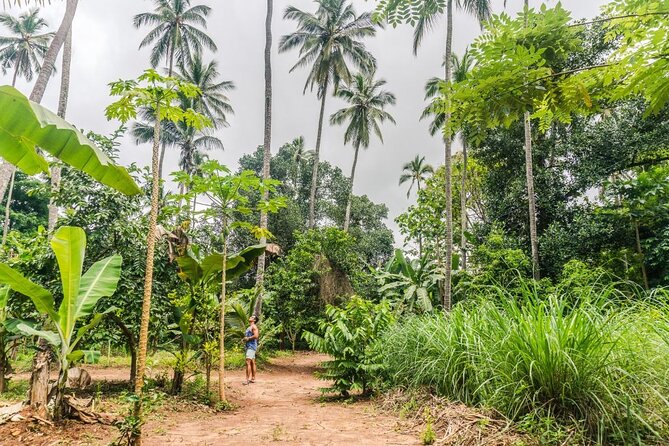
The maximum group size is 10 people. That is small enough for a more involved cooking session, though the actual number may be lower. One especially positive account describes a private departure with only two participants, allowing the host to give them close attention.
A small group is most valuable in the kitchen. You can get a turn with the ingredients, ask questions, and hear the explanations without competing with a large crowd. At the market, a smaller party is also easier to keep together.
The trade-off is that a small-group tour is not automatically a good tour. The guide’s attention and punctuality still matter. Most of the strongest praise centers on the hosts being warm, friendly, helpful, and informative. The negative accounts focus on late arrival, unanswered calls, lack of attention, and pressure around the farm shop.
That contrast gives you a practical lesson: this is a people-dependent activity. If Lutfia, Latfiya, Rashid, or another attentive local host leads your session, the class can feel warm and personal. If the day is poorly managed, the same itinerary can feel hurried and frustrating.
What you are likely to eat and learn
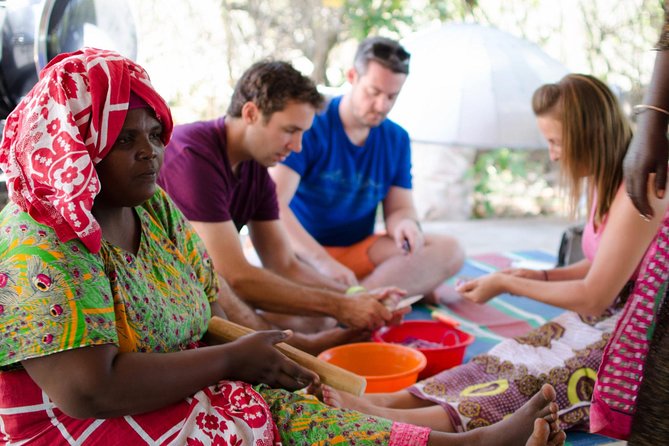
The information confirms classic Zanzibari dishes, a four-dish meal in at least one account, and specific instruction on pilau and banana. It does not provide a fixed menu, so you should not book expecting a guaranteed list of exact dishes.
Pilau is an especially useful dish to learn because it shows how Zanzibar’s spices work in a full meal rather than as isolated flavors. The banana preparation also points to the range of local cooking, where fruit can be part of a savory meal or cooked in ways unfamiliar to many visitors.
The best approach is to focus on technique and ingredients instead of expecting restaurant-style presentation. You might learn how local cooks balance spices, prepare rice, or use produce bought earlier that day. Ask for clarification when a method differs from what you know. The hosts are there to show you a local way of cooking, not to recreate a European kitchen.
If you have food allergies or restrictions, state them clearly before shopping. The supplied details do not confirm vegetarian, vegan, halal, or allergy-specific options, so you should not assume the menu can be changed without prior agreement.
Price, value, and possible frustrations

At $40, this is a good-value option if the five-hour schedule is delivered in full. A market visit, spice farm, tastings, cooking instruction, meal, and transport would cost more if arranged separately. The small maximum group also adds value.
The price is less attractive if you mainly want a spice farm tour. The farm stop is only one part of the day, and the real reason to book is the combination of shopping and cooking. If you dislike hands-on food preparation or prefer a quick sightseeing tour, you may find the class too long.
The non-refundable policy deserves attention before you pay. The activity cannot be changed or refunded for any reason after booking. Since pickup delays can matter, avoid booking it close to a flight or another fixed appointment.
The overall rating is 4.5 from 77 reviews, which suggests that most departures deliver a good experience, but the low ratings point to real operational risk. I would value the strong comments about the food and hosts while still building in extra time and confirming pickup details.
Who should book this experience?
I would recommend it to couples, families, and small groups who want to understand Zanzibar through food rather than only see the main sights. It is also a good match for anyone who enjoys markets, fresh ingredients, and informal cooking lessons.
It suits curious eaters more than people looking for a polished luxury excursion. You will likely get the most from it if you are happy to taste unfamiliar ingredients, help with preparation, and accept that a local kitchen may not run on a strict European schedule.
It is less suitable for someone with a tight airport connection, a fixed afternoon schedule, or little interest in cooking. The afternoon option may also finish too late for some plans.
Should you book the Zanzibar Cooking Class and Spice Tour?
Book it if you want a practical, food-focused half day with a market, spice farm, and meal built around your own work. The cooking class is the strongest reason to go, especially when hosted by attentive cooks such as Lutfia, Latfiya, or Rashid. The pilau tips, banana preparation, spice tastings, and shared meal give the experience more substance than a standard farm visit.
Skip it if your schedule has no room for delays or if you want guaranteed timing and a fixed menu. Confirm the pickup details, choose the morning session when possible, and leave a generous buffer before any flight.
For $40, this is a worthwhile way to see how Zanzibar’s ingredients move from market stall to plate. Just book it for the food and local contact, not for a perfectly timed sightseeing circuit.
FAQ
How long does the Zanzibar Cooking Class and Spice Tour last?
The experience lasts approximately five hours.
What time does the tour start?
The morning session begins with pickup at 9:00 AM. An afternoon session is also listed with a 3:00 PM start.
Where does the tour begin?
The stated meeting point is R5QQ+697, Zanzibar, Tanzania. Hotel transfers in Stone Town are included in the tour details.
Where does the activity end?
The activity ends back at the meeting point. The tour description also states that hotel drop-off is included.
What happens at Darajani Market?
You take a short guided visit through the local market and help buy ingredients for the cooking class.
What happens at the spice farm?
You tour the farm and taste spices and tropical fruits. Azusa Spice Farm is identified in one account, while the experience is also described as taking place at a community farm.
Is the cooking class hands-on?
Yes. You help prepare authentic Zanzibar dishes with a local cook and then eat the meal.
How many people can join the tour?
The activity has a maximum of 10 participants. Some departures may be smaller.
Can I cancel or change the booking?
No. The experience is non-refundable and cannot be changed for any reason after booking.
Just added around Zanzibar
- Walking in Stone Town with a Expert Tourguide★ 3.7 · 3 reviews
- Jet Ski Experience from Kendwa Beach★ 5.0 · 21 reviews
- Turtle Snorkeling, Jozani Forest, Kuza Cave, Rock Restaurant★ 3.7 · 8 reviews
- Stone Town Tour★ 5.0 · 16 reviews
- Zanzibar boat rental/charters★ 5.0 · 6 reviews
- Prison island(Changuu island) & stone town walking tour★ 5.0 · 6 reviews
- Full Day Private Zanzibar Triple Delight Tour★ 4.5 · 3 reviews
- Zanzibar Tumbatu Island Cultural Experience★ 5.0 · 4 reviews
Spice Farm Tours, compared.

Stone Town, Spice Tour, Prison Island with Lunch
Read our review →
The Swahili Spice Experience – Spice Tour + Culinary Journey
Read our review →
Zanzibar full day Jozani forest + Spice farm and stone town
Read our review →

Zanzibar Private Spice Farm and Stonetown Tour(Include Lunch)
Read our review →

Stone Town Guided Tour: Culture, Slave Market & Spice Market
Read our review →Browse the lists this tour appears in