
Reviewed · SPICE FARM TOURS
Zanzibar: Spice Farm Tour with Traditional Cooking Lesson
Zanzibar’s spices make the most sense when you meet them on the plant. On this three-hour visit, you can rub a cinnamon leaf between your fingers, smell fresh vanilla, taste tropical fruit, and see how cloves, cardamom, nutmeg, turmeric, and pepper connect to everyday cooking and the islands’ past.
I especially like the hands-on cooking and the chance to taste a meal made with ingredients from the farm. I also like the personal touch from guides such as Chiquito, Abdullah, Khamis, and Juma, who have added Swahili words, local stories, humor, and even helpful phone photography to the morning.
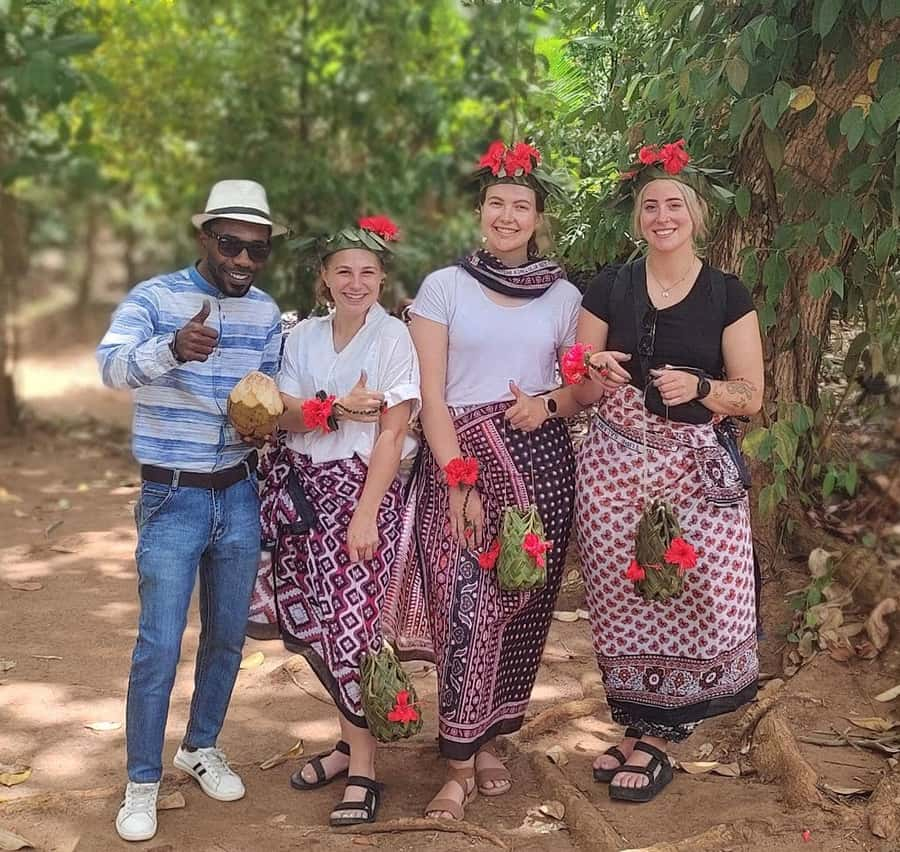
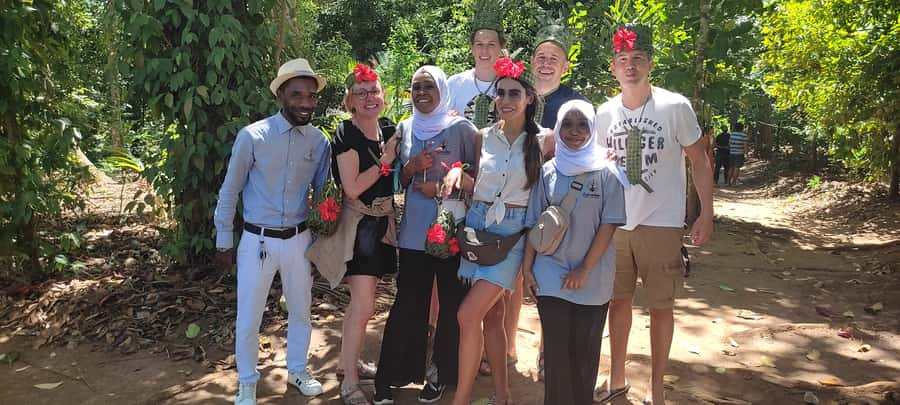
The main consideration is that the cooking part may be more of a demonstration with light participation than a full cooking class. One visitor also found the leaf-made crown, tie, and handbag a bit too touristy. The plant walk can feel rushed if the timing slips, so ask your guide about the schedule at the start.
Key things to know before you go
- Fresh spices smell different: Vanilla, cinnamon, ginger, cloves, nutmeg, black pepper, and lemongrass are presented as living plants, not jars on a shelf.
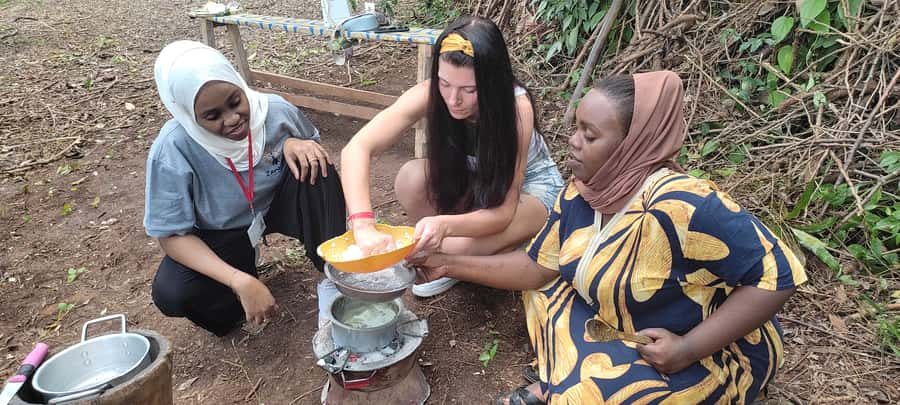
- Lunch is part of the lesson: You can help harvest cassava leaves, make coconut milk, and prepare local dishes before eating.
- Young coconut and jackfruit add variety: The fruit tasting gives the tour more than a spice lecture.
- Private groups keep it personal: A private format lets you ask questions and take part at your own pace.
- Beach-hotel pickup is available: You can meet at the Old Fort in Stone Town at 9:00 AM or arrange pickup from a Zanzibar beach hotel.
- Bring cash for the shop: Spices can only be purchased with cash, so plan ahead if you want to take some home.
Why the spice farm is worth your morning
A spice farm visit can sound simple until you smell a spice straight from its plant. Most of us meet cinnamon, cloves, vanilla, and nutmeg in dry jars, already separated from the leaves, bark, pods, or seeds that produced them. Here, the guide connects the finished kitchen ingredient to its source.
That makes the tour especially useful if you enjoy food but do not know much about growing spices. You can touch, smell, and taste the plants while learning how they are used in cooking and traditional medicine. The guide also explains why Zanzibar, along with Tanzania’s Mafia Island, is often called part of the Spice Islands.
The setting gives the lesson a practical edge. You are not just hearing a list of names. You are moving from plant to plant, comparing scents, and seeing how a small farm produces ingredients used both locally and around the world.
The tour is guided in English or Swahili. Several guides have made a strong impression by adding humor and local conversation. Chiquito, in particular, has led tours with a lively style, while guides such as Khamis and Juma have added Swahili language tips and stories about daily life. The exact guide can vary, but the format gives you room to ask questions rather than simply follow a fixed script.
More Cooking Classes in Zanzibar
- Zanzibar Cooking Class & Spice Tour
★ 4.5 · 77 reviews - Half-Day Kuza Cave Swimming Adventure and Cooking Class
★ 4.5 · 44 reviews - Zanzibar: Spice Farm Tour with Traditional Cooking Class
★ 4.6 · 16 reviews
Meeting the spices as living plants
The spice walk is the heart of the morning. You can expect to see vanilla, cardamom, nutmeg, cinnamon, black pepper, ginger, turmeric, cloves, and lemongrass, along with other herbs and plants.
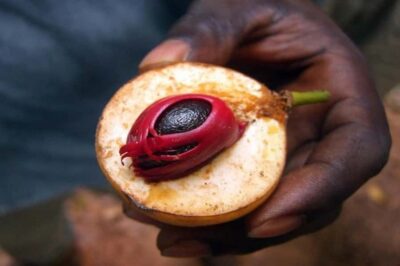
Each one offers a different kind of lesson. Cinnamon is not just a brown stick in a cupboard. Vanilla is more than a flavoring in ice cream. Nutmeg, pepper, cloves, and cardamom all look and smell different before they are dried, ground, or mixed into a spice blend.
The guide explains how the plants are grown and how their parts are used. You can handle some of the plants and smell them at close range. This is the point of the tour, so take your time. If a plant interests you, ask to smell it again or ask which part is used in cooking.
The cloves are especially important to Zanzibar’s identity, while cinnamon, pepper, vanilla, and nutmeg help show the range of products grown on the islands. The tour also places these ingredients in the context of Zanzibar’s food, economy, and history.
Do not expect a formal botanical course. The value is sensory and practical. You leave with a better idea of what the spice plant looks like, how it smells before processing, and why it matters in a local kitchen.
Tropical fruit, jackfruit, and fresh coconut
The farm visit is not limited to spices. Tropical fruit appears along the route, giving you a chance to taste things that may not be familiar at home.
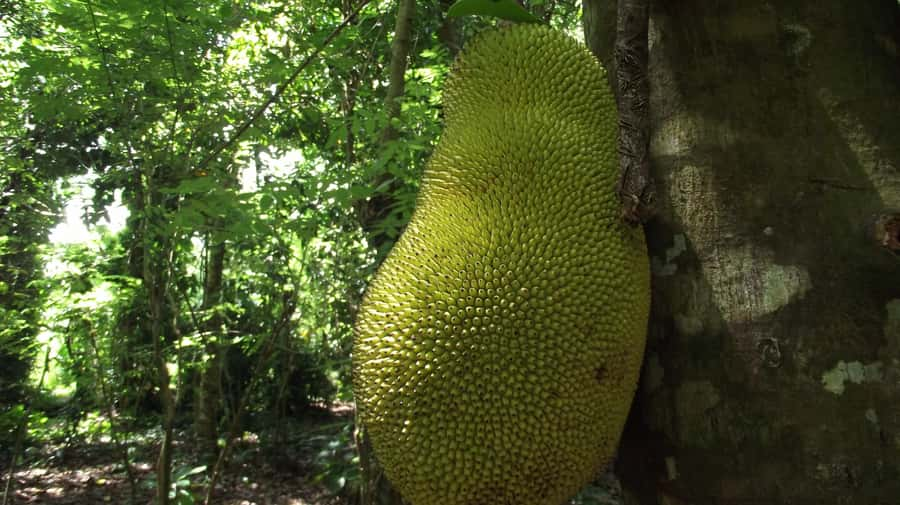
Jackfruit is one of the highlights. It is often described as the largest fruit in the world, and the size alone makes it memorable. You can taste fresh jackfruit as part of the farm visit rather than buying it prepared in a shop.
You may also be offered fresh coconut. A coconut tree climber picks young coconuts, which are then opened for you to try. The freshness matters here. Young coconut is mild, cool, and very different from packaged coconut products.
These tastings break up the plant explanations and keep the morning active. They also help you see how fruit and spices share the same food culture. The farm is not only producing exportable ingredients. It is also a place where local foods are grown, prepared, and eaten.
Bring water and use sunscreen, since the tour takes place outdoors. Comfortable shoes and a sun hat will make the walking and standing easier.
From cassava leaves to coconut milk
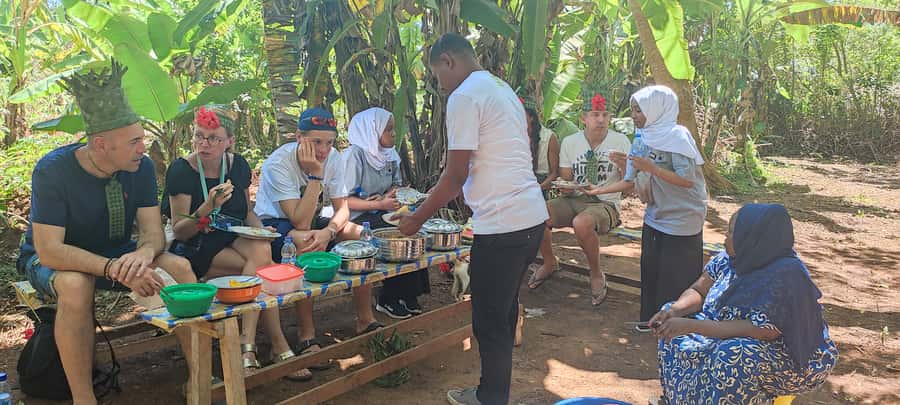
The cooking section gives the visit its strongest sense of place. You may join a cassava leaf harvest, see ingredients being prepared, and help make coconut milk.
This is a useful part of the tour because coconut milk is central to many East African and Swahili dishes. Watching it being made connects the farm to the food on your plate. You are not only tasting a finished meal. You are seeing some of the work that goes into it.
The amount of participation can vary. Some people have been able to take part in cutting, mixing, or preparing ingredients, while others have mainly watched a demonstration and helped with one side dish. If you are booking this mainly for a hands-on class, clarify the plan with your guide when you arrive.
That small difference matters. The activity is best understood as a farm tour with a traditional cooking lesson, not as a long professional cooking workshop. You will learn, help where invited, and then eat a local meal, but the farm staff still handles much of the preparation.
The relaxed approach suits people who want contact with local food without spending half a day in a kitchen. It is also a good choice if members of your group have different interests, since some can focus on the spices while others take part in the food preparation.
More spice farm tours in Zanzibar:
- Zanzibar: Stone Town, Spice Tour, Prison Island with Lunch
★ 4.4 · 1,219 reviews - Zanzibar: Prison Island, Stone Town, & Spice Farm Tour
★ 4.5 · 579 reviews - Zanzibar: Stone Town, Spice tour & Prison Island with Lunch
★ 4.6 · 453 reviews - Full-Day Private Stone Town +Spice Farm and Prison Island Tour
★ 4.5 · 216 reviews
Eating the Swahili lunch you helped prepare

Lunch comes at the end of the visit and is included in the price. The meal is made with local ingredients and spices, and your participation earlier in the morning gives it more meaning than a standard restaurant stop.
Expect a traditional Swahili meal rather than a menu built for international visitors. The exact dishes are not specified, but the cooking includes cassava leaves, coconut milk, and spices from the farm. The meal is a chance to taste how the plants you just handled work in real food.
I recommend arriving hungry. The fruit samples, coconut, cooking, and lunch add up, and one practical tip is simple: do not eat a large breakfast before the tour.
The lunch is also where the tour offers its best value. A basic spice walk would give you information and smells. This adds a meal, food preparation, and a chance to sit with the results of the morning’s work.
Still, keep your expectations realistic. The tour does not promise a restaurant-style dining setting or a long multi-course meal. The focus is the food, the farm, and the shared process of preparing local dishes.
Buying spices to take home
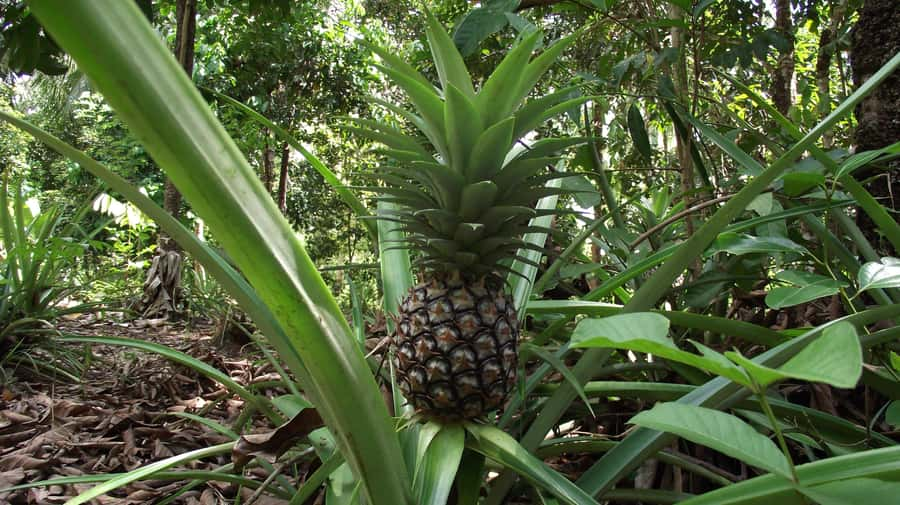
The tour ends with time to visit the farm shop. You can buy fresh spices and teas to use at home, which makes the visit more useful after you return.
The best purchases are the ones tied to what you learned. If you liked the smell of cinnamon, vanilla, cloves, or cardamom on the farm, you can look for those products in the shop. You may also find spice blends and teas, but the available selection can vary.
Bring cash. Spice purchases can only be made with cash, and this is separate from the tour price. It is one of the easiest details to miss, especially if you normally use cards for everything.
Buying spices supports the local farm and gives you a practical souvenir. Just avoid buying more than you can carry or use. A small packet with a story behind it is often better than a large pile of ingredients that sits unused in your kitchen.
Transport, timing, and group format
The listed price is $65 per person for three hours. That is a fair price if you value the combination of transport options, a private guide, farm access, food tastings, cooking activities, lunch, and a community contribution.
You can meet the group in front of the Old Fort on Mizingani Road in Stone Town at 9:00 AM. Pickup is also available from beach hotels anywhere in Zanzibar, which can make the tour much easier if you are staying outside the city.
The private-group format is a benefit for families, couples, and small groups. You can ask more questions and take part without being lost in a large crowd. It also makes the experience more flexible in feel, although the full activity still lasts about three hours.
The schedule needs some care. One person found the tour shortened because the timing was not well planned. The morning includes a farm walk, tastings, demonstrations, cooking, lunch, and shopping, so ask for a clear run-through at the start if you want enough time at each stage.
Pickup is included from the Stone Town meeting point and beach hotels, but confirm the exact pickup arrangement when booking. The tour is listed as wheelchair accessible, though the farm setting may still involve outdoor walking and uneven ground. Ask the provider about your specific needs before you go.
The activity is not suitable for pregnant women. Comfortable shoes, water, sun protection, and cash are the sensible items to bring.
Who will enjoy this Zanzibar experience?
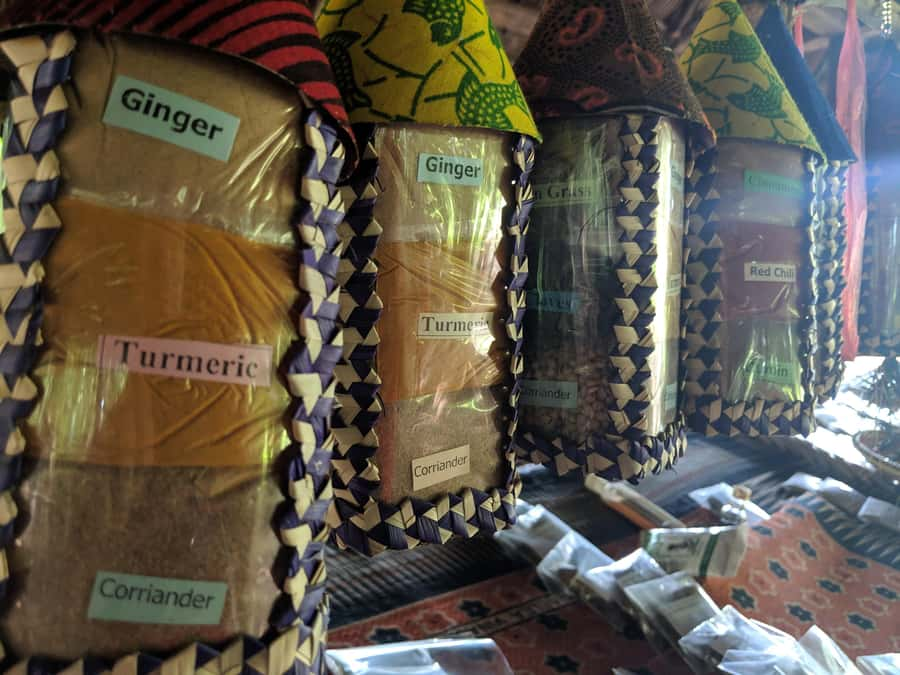
I would choose this tour if you want a cultural activity that involves food, not just sightseeing. It suits curious cooks, first-time visitors to Zanzibar, families, couples, and anyone who wants an easy introduction to local ingredients.
It is also a good choice soon after arriving in Stone Town. The farm connects food, language, daily life, and Zanzibar’s role in the spice trade, giving you useful context for other meals and markets during your stay.
The tour may be less suitable if you want a quiet botanical walk or a highly structured cooking school. It includes friendly interaction, demonstrations, tastings, and a private group format. Some parts are hands-on, while others are simply shown to you.
The occasional touristy flourishes may not suit everyone. Leaf-made crowns, ties, and handbags have been part of the fun for some people, but one visitor felt that this section was a gimmick and that tipping around it was uncomfortable. You can enjoy the farm without treating every extra performance as essential.
Should you book the spice farm tour?
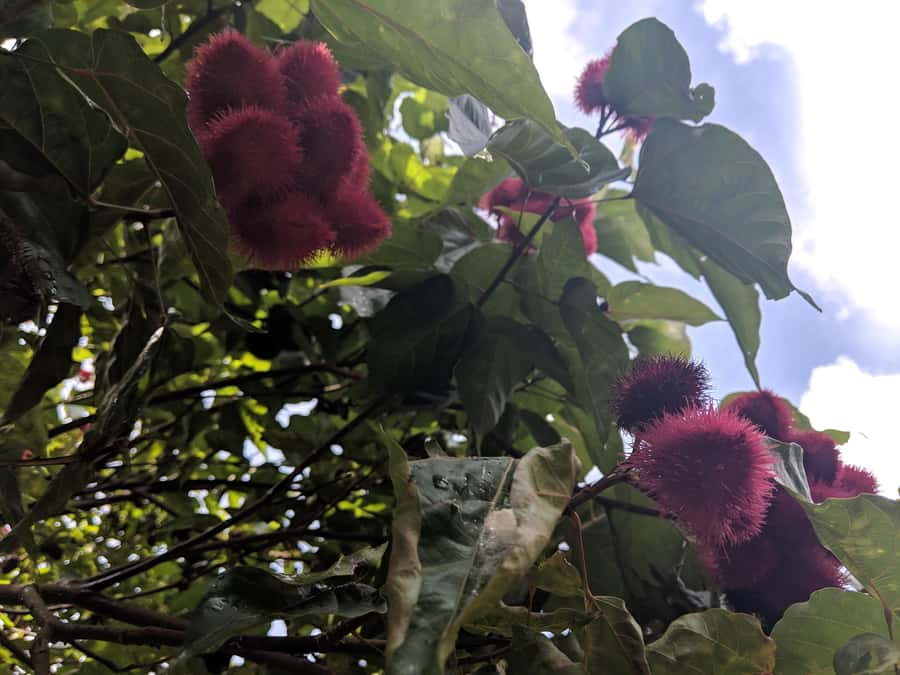
Book it if you want to smell spices at their source, eat a local lunch, and take part in simple food preparation. The strongest parts are the guide’s explanations, the fresh fruit and coconut, the plant tastings, and the meal at the end.
At $65, the tour offers good value when you use the pickup, cooking activity, lunch, and private guide. Bring cash if you plan to buy spices, and ask how much hands-on cooking is planned so your expectations match the day.
Skip it if your main goal is a serious culinary course or a long, quiet farm visit. For most people looking for a friendly three-hour introduction to Zanzibar’s food culture, it is a worthwhile choice.
FAQ
Where does the tour meet in Stone Town?
The meeting point is in front of the Old Fort on Mizingani Road in Zanzibar at 9:00 AM.
Can I get picked up from my beach hotel?
Yes. Pickup is available from beach hotels anywhere in Zanzibar, and pickup from a beach hotel is optional.
How long does the activity last?
The tour lasts three hours.
What languages are available?
The live tour guide can conduct the activity in English or Swahili.
Is lunch included?
Yes. Lunch at the spice farm is included in the tour price.
Can I buy spices at the farm?
Yes. You can purchase fresh spices and other products at the farm shop, but spices can only be purchased with cash.
Is the tour private?
Yes. The activity is arranged for a private group.
Is the activity suitable for pregnant women?
No. The activity is listed as not suitable for pregnant women.
More Workshops in Zanzibar
- A private half day spice farm with a cooking lesson
★ 5.0 · 13 reviews - Spice Farm Tour with Traditional Cooking Lesson
★ 5.0 · 3 reviews - Gifts and art lessons
★ 5.0 · 35 reviews - Cooking and Sewing & Jewelry Workshops in Arusha
★ 5.0 · 14 reviews
Just added around Zanzibar
- Walking in Stone Town with a Expert Tourguide★ 3.7 · 3 reviews
- Stone Town Tour★ 5.0 · 16 reviews
- Jet Ski Experience from Kendwa Beach★ 5.0 · 21 reviews
- Turtle Snorkeling, Jozani Forest, Kuza Cave, Rock Restaurant★ 3.7 · 8 reviews
- Prison island(Changuu island) & stone town walking tour★ 5.0 · 6 reviews
- Zanzibar boat rental/charters★ 5.0 · 6 reviews
- Full Day Private Zanzibar Triple Delight Tour★ 4.5 · 3 reviews
- Zanzibar Tumbatu Island Cultural Experience★ 5.0 · 4 reviews
Spice Farm Tours, compared.

Stone Town, Spice Tour, Prison Island with Lunch
Read our review →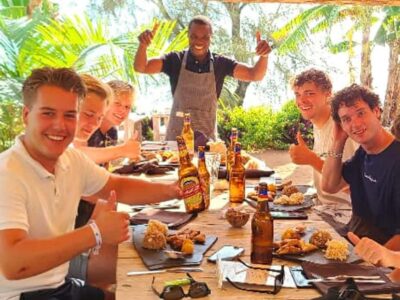
The Swahili Spice Experience – Spice Tour + Culinary Journey
Read our review →
Zanzibar full day Jozani forest + Spice farm and stone town
Read our review →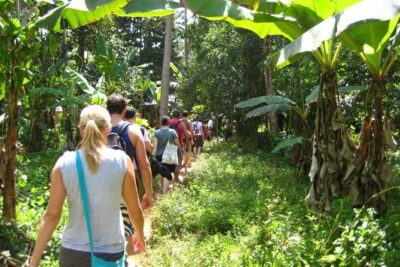

Stone Town Guided Tour: Culture, Slave Market & Spice Market
Read our review →Browse the lists this tour appears in