
Reviewed · CAVE SWIMMING
Half-Day Kuza Cave Swimming Adventure and Cooking Class
Kuza Cave gives you something Zanzibar’s beaches cannot: a look at local culture beneath the palms. You swim in clear water inside an ancient sacred cave, then move to an open kitchen to prepare Swahili food with coconut milk and local spices. The community mission matters too, since income supports local artists, musicians, and education projects.
I like the mix of cave swimming and hands-on cooking, and I like that the visit can include music, dancing, and a look at Swahili history. At $13, with lunch, fees, and taxes included, this is an easy way to add substance to a beach holiday.
The main drawback is organization. The cave may be the strongest part, while other areas can receive less attention when guides are helping several groups. Bring a screenshot or printed booking confirmation, since one visitor was asked to show proof even though staff could not locate the booking in their system.
Key points to know before you go

- Swim in an ancient sacred cave: The clear cave water and quiet jungle setting are the main draw.
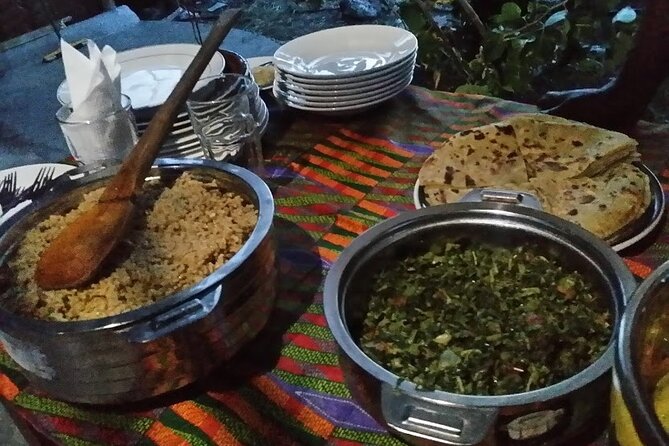
- Cook a Swahili lunch: You help blend Zanzibar spices and make fresh coconut milk for rice or mchuzi sauce.
- See more than a natural attraction: Cave artefacts and a timeline connect Kuza Cave with human origins in East Africa and the story of Swahili culture.
- Support a local social enterprise: Proceeds help local education projects, artists, and musicians.
- Expect an informal cultural program: Traditional drumming and dancing may take place, but separate drum or dance lessons require another booking.
- Plan your own ride: Transport is not included, and the tour begins and ends at Kuza Cave in Kibigija near Jambiani.
Why Kuza Cave is worth leaving the beach
Zanzibar makes it easy to spend every day beside the Indian Ocean. That is pleasant, but it can leave you with only a thin sense of the island. Kuza Cave offers a useful change of pace. You get a natural setting, a local meal, and a small cultural program in one half-day visit.
The cave itself is the star. You enter a peaceful jungle setting and swim in clear water inside the cave. The atmosphere is quieter than a typical beach stop, and the cave’s sacred importance gives the swim more meaning than a simple dip in a pool.
I would not book this only as a history tour. The historical material is part of the visit, but the experience is practical and relaxed. You see archaeological artefacts and a timeline that traces Swahili history back to the beginning of the human story in East Africa. The format gives you context without turning the outing into a long lecture.
The visit is also connected to the local community. Kuza Cave Culture Centre operates as a social enterprise, supporting local education projects as well as artists and musicians. That makes your $13 fare more useful than the price alone suggests. You are paying for a swim and lunch, but your visit also helps keep local cultural work going.
More Cooking Classes in Zanzibar
- Zanzibar Cooking Class & Spice Tour
★ 4.5 · 77 reviews - Zanzibar: Spice Farm Tour with Traditional Cooking Lesson
★ 4.8 · 77 reviews - Zanzibar: Spice Farm Tour with Traditional Cooking Class
★ 4.6 · 16 reviews
Swimming in Kuza Cave at 10:00 am
The scheduled arrival time is 10:00 am. Once you reach Kuza Cave, you have time to swim in the clear cave water and enjoy the surrounding jungle. This is the portion of the outing most likely to make the trip feel special.
The cave has been highly praised for its beauty, and the strongest descriptions focus on the swimming experience. Expect a natural setting rather than a polished resort attraction. The appeal comes from the cave walls, the water, the quiet, and the sense that you are visiting a place with local spiritual and historical meaning.
A guide may also take you to see other parts of the site. One review described Jeff leading the visitor down to the cave and later to the cultural activities. Guide coverage can vary when several groups are being handled at the same time, so speak up if you want to see the artefacts, historical displays, or other attractions rather than simply swimming.
That point matters. The cave is easy to appreciate on its own, but the extra displays help explain why it is more than a photo stop. If you want the full experience, ask your guide to show you the archaeological artefacts and the Swahili-history timeline.
Bring your booking confirmation as a screenshot or printed copy. The confirmation is sent at booking, but one visitor was asked to produce proof because the staff could not find the paid reservation in their system. It is a small precaution that can save time at the entrance.
The Swahili timeline and cave artefacts
The historical material adds a welcome layer to the visit. You can see archaeological artefacts from the cave and follow a timeline that reaches back to the beginnings of human life in East Africa. This gives the site a wider frame, linking one Zanzibar cave to the region’s long human story.
Do not expect a museum visit with a large collection or extensive written interpretation. The information is part of the cave-centre experience, and the quality of your visit may depend on how much attention your guide can give your group.
This is where it helps to be an active participant. Ask questions about the cave’s sacred role, the objects on display, and the history shown on the timeline. The tour is designed around direct contact with the place, its food, and its local culture, not around a formal academic presentation.
I like this balance. You get enough historical context to understand the setting, but most of your four hours remain active. You swim, cook, eat, listen, and watch rather than sitting through a long explanation.
Cooking with coconut milk and Zanzibar spices

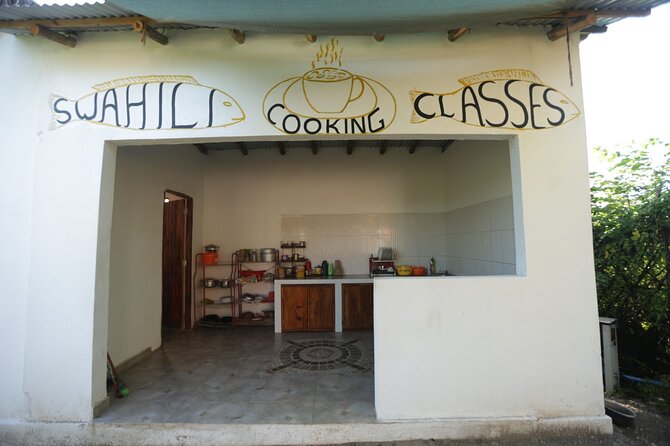
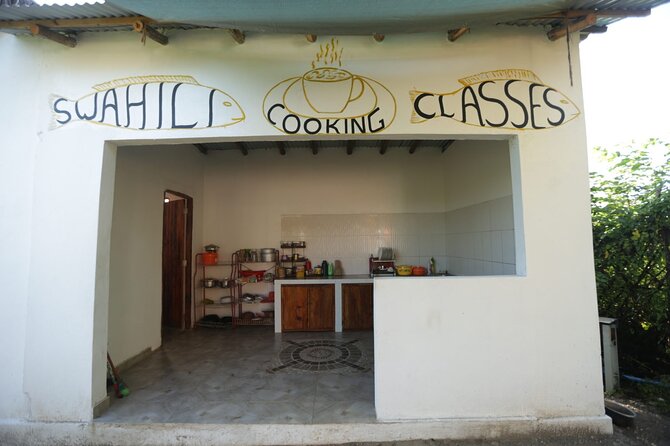
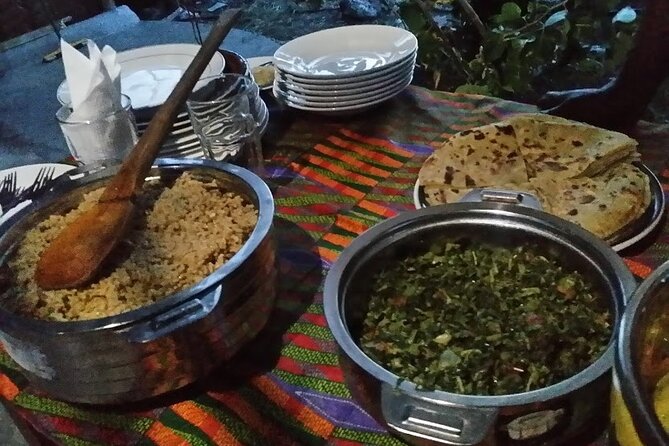
At about 11:30 am, the group moves to lunch and the cooking activity. You join the open-plan kitchen and learn how to blend Zanzibar spices gently. You also learn how to make fresh coconut milk, which can be used with rice or in mchuzi, a local sauce.
This is a useful cooking lesson because it focuses on everyday ingredients and techniques rather than a complicated restaurant recipe. The coconut milk and spice work are the key skills. You see how a few familiar ingredients become the base of a Swahili meal.
The class is hands-on, but it is not presented as a long professional cooking course. Think of it as a shared meal with instruction. You take part in preparing the food, then eat the lunch that is included in the price.
One particularly positive account described the cook and assistant as friendly and pleasant, and found the lesson informative. That matches the best reason to book this part of the activity: food provides an easy way to connect with local culture. You do not just hear about Zanzibar’s cuisine. You handle the ingredients and taste the result.
The cooking activity may be less useful if you are unwell or cannot take part in food preparation. Lunch is included, but the supplied information does not specify a menu or dietary arrangements. If food restrictions matter to you, ask the provider before booking rather than assuming substitutions are available.
The tea garden has received a less favorable impression than the cave. I would keep expectations modest about secondary parts of the grounds. Make the cave and kitchen the main reasons for coming, and treat the other areas as optional additions.
More cave swims in Zanzibar:
- Dolphin tour, Jozani Forest, Jambiani Kuza Cave, Paje Beach &The Rock restaurent
★ 4.5 · 164 reviews - Zanzibar: Mnemba Island, Prison Island and Salaam Cave Tour
★ 4.5 · 150 reviews - SWIMMING WITH TURTLES AT SALAAM CAVE AT KIZIMKAZI ZANZIBAR
★ 4.2 · 112 reviews - Zanzibar: Sea Turtle Swim at Kizimkazi Salaam Cave Tour
★ 4.2 · 78 reviews
Music, dancing, and the social-enterprise mission
Kuza Cave Culture Centre supports local artists and musicians, who may drop in for an afternoon of traditional African drumming and dancing. This gives the visit a more social feel after the quieter cave swim and the focused kitchen work.
The music is not guaranteed as a formal performance at a fixed time. The program is described as something local artists and musicians often provide, so the exact rhythm of the afternoon may vary. That informal quality can be part of the charm, but you should not book expecting a full concert.
You may also join the musicians in a jam session. A separate booking is needed for a dedicated drum or dance lesson. That distinction is important: the regular visit can include music and dancing, while a structured lesson costs extra or requires another reservation.
The social-enterprise model gives this part of the experience a clear purpose. Your visit helps support local education projects, artists, and musicians. I consider that a strong reason to choose this activity over a purely commercial attraction, especially if you want your spending to stay connected to the community.
The music also helps the experience feel less staged. You are not only looking at a cultural display. You may find local artists using the centre as a place to perform and share traditions. Since the schedule is informal, keep some flexibility in your expectations.
What the $13 price really includes

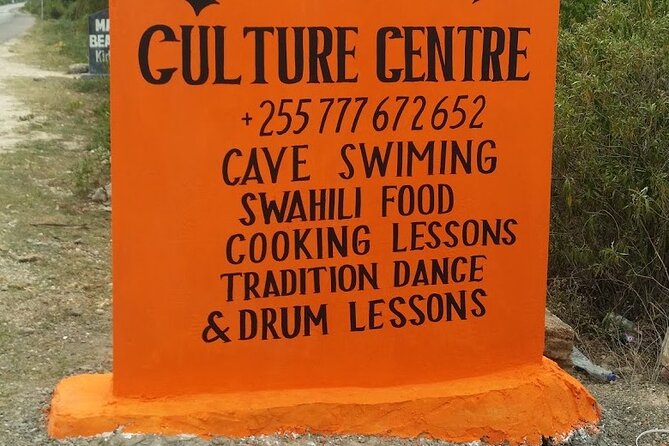
At $13 per person, this is one of the easier cultural additions to a Zanzibar itinerary. The price includes all fees and taxes, as well as lunch. You also receive the cave visit, swimming opportunity, cooking activity, and the chance to see cultural and historical displays.
The value is strongest if you take part in the full four-hour program. A cave swim alone might not justify rearranging your day for every visitor, but the meal preparation and lunch add real substance. The cultural setting and community purpose improve the value further.
The price does not include private transportation. You need to reach Kuza Cave in Kibigija, near Jambiani, on your own. The activity ends at the same meeting point, so you also need to arrange your return.
The site is near public transportation, according to the available information, but no specific route or fare is provided. If you are staying outside the Jambiani area, check your transport plan carefully. A low tour price can lose some of its advantage if getting to the meeting point is difficult.
The group can include up to 30 people. That is not a tiny private outing, and the number matters most during the cave visit and cooking class. The experience can still feel personal, but guide attention may be divided among several groups. If you want detailed explanations at every stop, ask questions and make your interests clear.
Timing your half-day around the visit
The planned schedule runs from 10:00 am until 2:00 pm. That leaves the rest of the day open for the beach, another meal, or a relaxed afternoon near Jambiani.
The timing works well because the cave comes first, when you have the most time to enjoy the setting. Lunch begins at about 11:30 am, followed by the social and musical side of the program. The day has a natural flow from quiet nature to food and community activity.
Allow for a flexible pace. The published times give you a useful outline, but informal music and group cooking do not always run like a train schedule. The activity is best suited to someone who likes a little room for conversation and adjustment.
You should also arrive prepared to show your booking proof. Confirmation is provided at the time of booking, and keeping it on your phone or in print is a sensible step. The tour has free cancellation up to 24 hours before the start time. Cancellations made within 24 hours are not refunded, and changes within that period are not accepted.
Who will enjoy Kuza Cave most
I would recommend this for someone who wants Zanzibar to be more than a beach destination. It suits curious visitors who enjoy food, local music, simple history, and a natural setting.
It is also a good choice for budget-conscious visitors. The low price includes lunch and fees, while the community focus gives the outing a useful purpose. You get several kinds of activity without paying for separate cave, cooking, and cultural visits.
Families and mixed-age groups may appreciate the variety, though the information provided does not give specific guidance on age limits or swimming conditions. Anyone joining should be comfortable with the cave swim and able to take part in the informal site activities.
This is less suited to someone seeking a private, tightly timed tour. The maximum group size is 30, guides may be helping several groups, and music or dancing may happen informally. You should also choose another plan if you need private transportation included.
The experience may not suit you if you want a detailed cooking curriculum or a major archaeological tour. The cooking class is practical and social, while the historical display is an introduction to the site rather than a full museum visit.
Should you book this Kuza Cave experience?
Book it if you want a low-cost half-day that combines a memorable cave swim, Swahili food, and local culture. The cave is the main reason to go, but the cooking class and community mission make the visit more worthwhile than a quick swim stop.
Go with realistic expectations. The cave is likely to be the highlight, while the tea garden and other attractions may feel less polished. Guide attention can vary, especially with several groups present, so ask to see the historical displays and make sure you have your booking confirmation ready.
For $13, lunch included, Kuza Cave offers a good value and a more grounded look at Zanzibar. If you can arrange your own transport to Kibigija and are comfortable with an informal group setting, I would add it to a Jambiani itinerary.
FAQ
Where does the Kuza Cave experience start?
The activity starts at Kuza Cave in Kibigija, near Jambiani, Tanzania.
Where does the tour end?
The activity ends back at the Kuza Cave meeting point.
Is transportation included?
No. Private transportation is not included, so you must arrange your own way to and from Kuza Cave.
How long does the experience last?
The experience lasts about four hours, running from approximately 10:00 am until 2:00 pm.
Is lunch included?
Yes. Lunch is included, along with all fees and taxes.
Can I take a drum or dance lesson?
Traditional drumming and dancing may be part of the cultural program, but a separate booking is required for a dedicated drum or dance lesson.
What is the cancellation policy?
You can cancel for a full refund up to 24 hours before the experience start time. Cancellations or changes made less than 24 hours before the start time are not accepted and are not refunded.
More Half-Day Tours in Zanzibar
- Zanzibar: Nungwi Turtle Aquarium Guided Half-Day Trip
★ 4.4 · 197 reviews - Prison Island: Private Half-Day Tour
★ 4.0 · 132 reviews - Mnemba from Kendwa & nungwi half day
★ 4.5 · 94 reviews - From Zanzibar: Half-Day Prison Island Tour
★ 4.1 · 49 reviews
Just added around Zanzibar
- Walking in Stone Town with a Expert Tourguide★ 3.7 · 3 reviews
- Stone Town Tour★ 5.0 · 16 reviews
- Jet Ski Experience from Kendwa Beach★ 5.0 · 21 reviews
- Turtle Snorkeling, Jozani Forest, Kuza Cave, Rock Restaurant★ 3.7 · 8 reviews
- Prison island(Changuu island) & stone town walking tour★ 5.0 · 6 reviews
- Zanzibar boat rental/charters★ 5.0 · 6 reviews
- Full Day Private Zanzibar Triple Delight Tour★ 4.5 · 3 reviews
- Zanzibar Tumbatu Island Cultural Experience★ 5.0 · 4 reviews
Cave Swimming, compared.
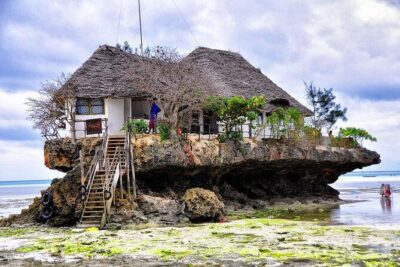
Dolphin tour, Jozani Forest, Jambiani Kuza Cave, Paje Beach &The Rock restaurent
Read our review →
Mnemba Island, Prison Island and Salaam Cave Tour
Read our review →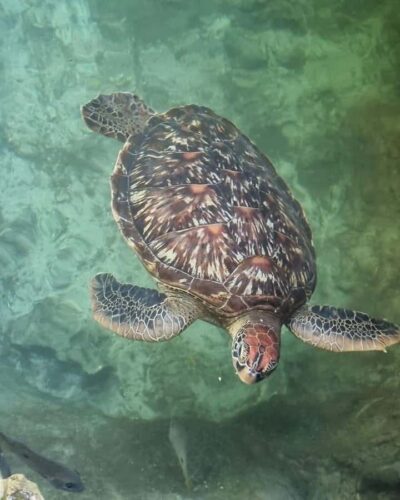
Swimming With Turtles AT Salaam Cave AT Kizimkazi Zanzibar
Read our review →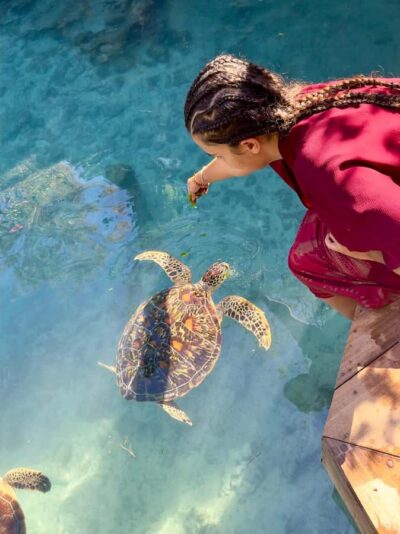
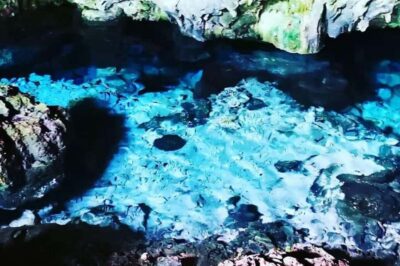
Swim with Sea Turtles, Kuza Cave, Paje Beach, The Rock Lunch
Read our review →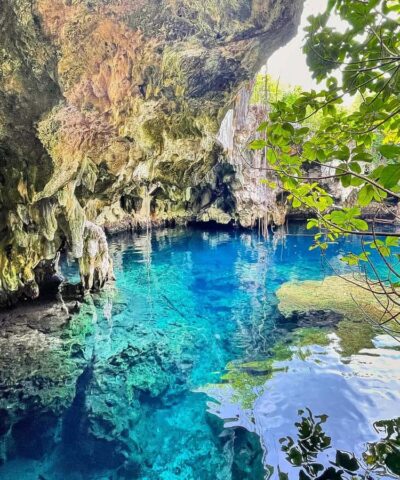
Jozani Forest, Salaam & Maalum Caves and Sunset
Read our review →
Blue lagoon, Starfish, Paje Beach and Maalum Cave
Read our review →
Mnemba Snorkeling, Kuza Cave, Blue Lagoon, Starfish Tour, The Rock Restaurant
Read our review →Browse the lists this tour appears in