

Reviewed · SPICE FARM TOURS
Spice Farm Tour with Traditional Cooking Lesson
A vanilla pod, cardamom seed, or nutmeg fruit means more when you meet it growing than when you see it in a market jar. This private Zanzibar outing combines a walk through an organic spice farm with a traditional cooking lesson, so you learn how plants become both medicine and food, then sit down to lunch.
I like the hands-on tasting and the small-group format. You can touch, smell, and taste the spices, herbs, and seasonal tropical fruit instead of simply listening to a farm talk. I also like that lunch, hotel transfers, and an air-conditioned vehicle are included in the $76.85 price.
The main consideration is timing. Four hours gives you a useful introduction, but not a long farm visit or a full cooking course. The listed meeting point is near the Old Fort, while hotel transfers are included, so confirm the exact pickup plan before the morning begins.
Key points at a glance
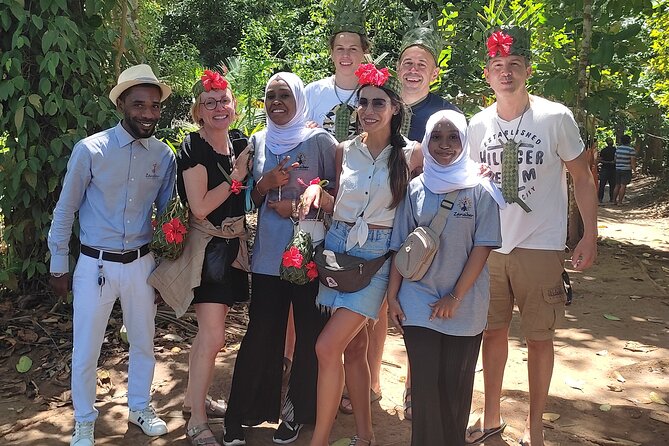
- Vanilla, cardamom, and nutmeg growing on the farm: See familiar kitchen ingredients in their natural setting.
- Touch, smell, and taste the plants: The guide makes this more active than a standard sightseeing stop.
- Traditional cooking demonstration and lunch: You watch a local dish being prepared, then eat local fare at no extra charge.
- Private four-hour format: Only your group takes part, which makes the pace easier to adjust.
- Local guide and driver support: Alhamisi received praise for making the plant explanations lively, while Juma was noted for punctuality and kindness.
- Simple cancellation terms: Cancel at least 24 hours before the start time for a full refund.
Why this spice farm visit is worth your morning
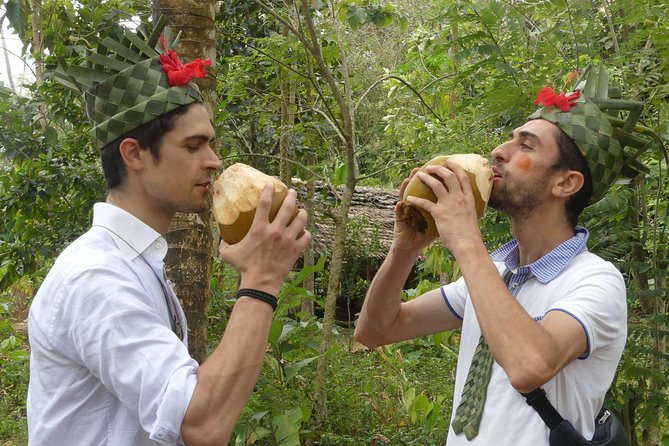
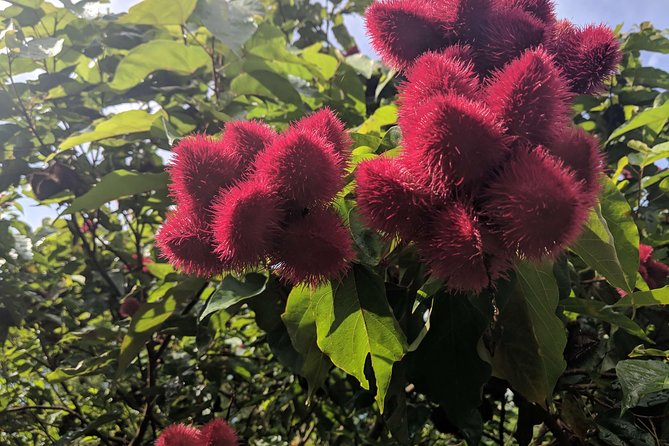
Zanzibar is strongly associated with cloves, but this experience introduces you to a much wider pantry. You may see vanilla, cardamom, nutmeg, cinnamon, turmeric, peppercorn, and other plants growing in the soil rather than packaged for sale.
That difference matters. A spice farm can turn a familiar flavor into a visual memory. Nutmeg is no longer just something grated into a dish. Cardamom becomes a plant with a place and growing cycle. Vanilla has a living vine behind the sweet scent you know from baking.
Your guide explains how the plants are grown and how they are used in food and traditional medicine. The experience is not only about agriculture. It gives you a practical look at how plants connect to everyday cooking and local knowledge in Zanzibar.
The visit also includes tropical fruit that is in season. Since the exact fruit depends on the time of year, you should expect variety rather than a fixed tasting menu. That seasonal element is part of the appeal, but it also means the experience may differ from one visit to another.
More Cooking Classes in Zanzibar
- Zanzibar Cooking Class & Spice Tour
★ 4.5 · 77 reviews - Zanzibar: Spice Farm Tour with Traditional Cooking Lesson
★ 4.8 · 77 reviews - Half-Day Kuza Cave Swimming Adventure and Cooking Class
★ 4.5 · 44 reviews
Walking the farm with a village guide
The farm visit begins with a local village guide leading you along walking trails. You will spend part of the time moving among the plants and part of the time stopping to hear explanations or watch a process.
That rhythm suits this kind of outing. A nonstop lecture would make the farm feel flat, while a simple walk without context would leave you guessing at every leaf and seed. Here, the useful pattern is to look, listen, and then use your senses.
You can touch, smell, and taste the spices and herbs where appropriate. This is especially helpful if you are curious about the difference between a plant’s fresh form and the dried spice sold in shops. The activity is educational, but it is not presented as a formal classroom lesson.
The guide may also explain the names of plants in more than one language. Alhamisi was praised for knowing plant names in several languages and for making the information engaging. You should not assume he will be your assigned guide, but his role gives you a good idea of the local expertise available on this experience.
Bring a little patience for stops. The farm walk includes time for explanations, and the pace may feel slower than a sightseeing transfer. That is a strength if you want to understand the plants. It may feel less satisfying if you are looking for a fast list of photo stops.
From vanilla vines to peppercorns
The plant selection is one of the strongest parts of the morning. Vanilla, cardamom, cinnamon, turmeric, nutmeg, and peppercorn are specifically associated with this experience, along with other spices and herbs.
You will not merely hear a list. The point is to see how these plants grow and learn how they are used. The chance to handle and smell them gives you a better memory of each one than a quick explanation in a city shop.
Nutmeg and cardamom are especially useful examples because many people know their flavor but not their appearance. Turmeric offers another good comparison between a plant used in cooking and the familiar powdered form. Cinnamon also helps connect the farm to an ingredient that is common in kitchens around the world.
The guide explains medicinal uses as well as culinary ones. Keep in mind that this is an introduction to local plant use, not medical advice. Listen for cultural context, but do not treat the information as a replacement for professional health guidance.
The tropical fruit stop adds a lighter, more immediate part to the visit. Fruit in season can be easier to appreciate than a long explanation, particularly for children. The exact selection is not fixed, so the farm’s current harvest helps shape what you see and taste.
The cooking lesson and Zanzibari lunch
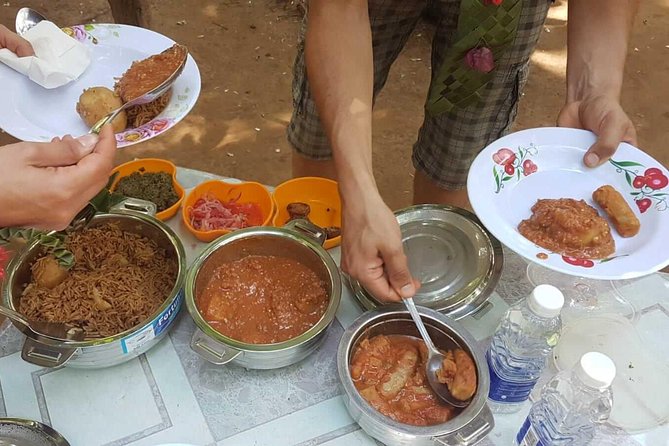
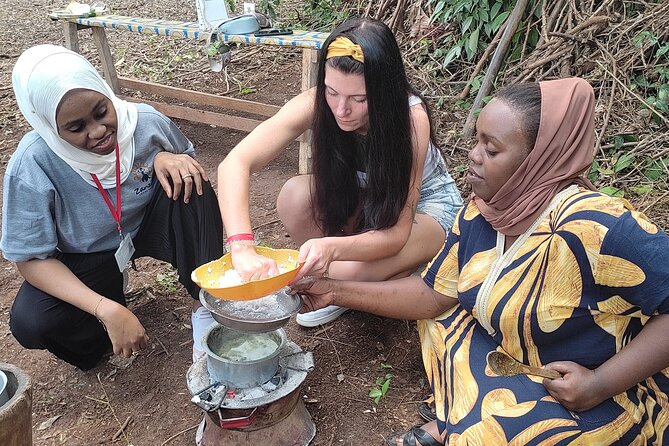
After the farm portion, you attend a cooking demonstration focused on a traditional Zanzibari dish. The supplied details do not name the dish, so do not book this expecting a particular recipe.
The value is in seeing how the spices fit together in local food. After learning about the plants, you get to see them used in a dish rather than treating them as separate botanical curiosities. That connection gives the morning a clear finish.
Lunch is included at no extra charge and consists of local fare. This makes the price easier to assess because the outing is not only transport and a guided walk. You are also paying for a meal and a food demonstration.
Still, think of this as a cooking demonstration rather than a full hands-on cooking school. The description says you watch the preparation and then eat lunch. It does not promise that every participant prepares a dish from start to finish or receives written recipes.
For families, the food portion can provide a welcome change from walking. A young child may not remember every plant name, but tasting fruit, smelling spices, and watching food being prepared gives the visit several ways to hold attention.
More spice farm tours in Zanzibar:
- Zanzibar: Stone Town, Spice Tour, Prison Island with Lunch
★ 4.4 · 1,219 reviews - Zanzibar: Prison Island, Stone Town, & Spice Farm Tour
★ 4.5 · 579 reviews - Zanzibar: Stone Town, Spice tour & Prison Island with Lunch
★ 4.6 · 453 reviews - Full-Day Private Stone Town +Spice Farm and Prison Island Tour
★ 4.5 · 216 reviews
What the private format changes
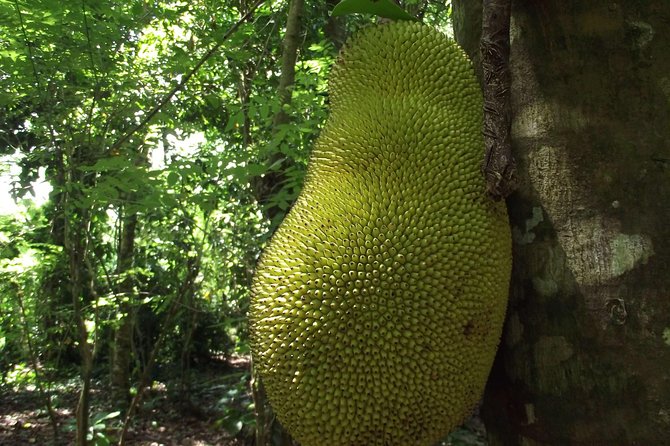
This is a private activity, so only your group participates. That is a meaningful advantage at a spice farm, where questions and pauses are part of the experience.
You can ask for more explanation about a plant that interests you instead of waiting for a large group to move on. A private guide can also make the rhythm more comfortable for your party, within the fixed four-hour window.
The private format is particularly useful for families and friends with different interests. One person may care about cooking, another about plants, and a child may prefer the fruit tasting. A shared group tour often has to follow one pace. This format gives your group more room to respond to the guide.
The drawback is price. At $76.85 per person, this costs more than a basic shared transfer to a farm. The value improves if you use the included transport, lunch, private guide, and cooking demonstration. It may feel less worthwhile if you mainly want a short look at spices and do not care about the meal or explanation.
Group discounts are available, which could make the private arrangement more appealing for families or a small party traveling together. Ask how the discount applies to your group before booking so you can compare the total cost accurately.
Transport, meeting point, and a four-hour schedule
The experience starts at 9:00 a.m. and lasts about four hours. It ends back at the meeting point. The listed starting point is Old Fort, Mizingani Road, Zanzibar, Tanzania.
Round-trip hotel transfers are included, and transport is in an air-conditioned vehicle. That matters in Zanzibar, where a cool ride can make the difference between starting the farm visit refreshed or arriving already tired.
There is a small point to clarify before departure. The formal meeting information names the Old Fort, while the highlights refer to hotel pickup and return. Contact the provider, Zanzibar Local Experience, to confirm the pickup time and location for your hotel. Do not assume that the 9:00 a.m. start means your vehicle arrives at exactly 9:00.
Driver Juma was praised for punctuality and a friendly manner. Again, driver assignments can vary, but the experience appears to place real value on getting the transport details right. A private vehicle also avoids the uncertainty of collecting a large group at several hotels.
The four-hour length is a good fit for a morning or early afternoon. You get a farm walk, explanations, cooking, and lunch without giving up an entire day. If you want a long agricultural tour with several separate farms, this is not the right format.
Is it good for children?

The experience can work very well for families. A party with children ages six, four, and one found the combination of plants, tasting, and food suitable for young ages.
The private setup helps here. You can move at your own group’s pace, and you are not asking strangers to accommodate a tired toddler. The air-conditioned vehicle also gives your family a more comfortable ride between the hotel and farm.
That said, the farm includes walking trails and periods of sitting while the guide explains plants or demonstrates a process. Very young children may not follow the full plant discussion. Plan to keep the visit active by inviting them to notice smells, colors, textures, and fruit.
The data confirms that service animals are allowed and that most people can participate. It does not provide details about stroller access, trail surfaces, or specific child equipment, so ask the provider about those needs before you go.
What to know before booking at $76.85
At $76.85 per person, this is best understood as a bundled private experience. The price covers the guided farm visit, transport in an air-conditioned vehicle, a cooking demonstration, and lunch.
The lunch is important when judging value. A cheaper farm-only visit might not include a meal, a private vehicle, or a cooking lesson. If you already have transport and mainly want to buy spices, this tour may not be the most economical choice.
I would book it for a first visit to Zanzibar, especially if you want a local food experience without committing to a full-day excursion. The mix of plants, village guiding, and lunch gives you more cultural context than a simple market stop.
The tour is booked an average of 86 days ahead, so it is sensible to reserve early if your Zanzibar dates are fixed. That lead time does not guarantee that every date sells out, but it suggests that advance planning is common.
Confirmation arrives at booking, and a mobile ticket is available. You can cancel for a full refund up to 24 hours before the start time. Cancellations or changes made within 24 hours are not refunded or accepted, based on local time.
Who should book this experience?
I would choose this tour if you enjoy food, plants, and practical cultural experiences more than formal sightseeing. It suits couples, families, and friend groups who want a private morning with a clear beginning and end.
It is also a good match if you prefer learning through your senses. You will see, smell, touch, and taste the ingredients, then watch them become part of lunch. That is more memorable than hearing a guide name spices from a distance.
Families should appreciate the private vehicle, included meal, and variety of activities. Food-focused visitors will like the bridge between the farm and the cooking demonstration. First-time visitors to Zanzibar can use it as an easy introduction to local agriculture and cuisine.
I would think twice if you dislike guided explanations, want a fully hands-on cooking course, or are seeking a full-day rural expedition. The outing is focused and approachable, not extensive.
Should you book the Zanzibar spice farm tour?
Yes, if you want a well-rounded four-hour experience that combines a farm walk with local food. The strongest reasons are the ability to handle and taste the plants, the private format, included lunch, and transport.
Before paying, confirm your hotel pickup details and ask which guide is assigned. Alhamisi and Juma received especially strong personal praise, but the provider may assign different staff. Also remember that the exact cooking dish and seasonal fruit are not specified.
Book it if you want to understand how Zanzibar’s spices grow and how they reach the table. Skip it if you only want a quick photo stop or a formal cooking class with a fixed recipe.
FAQ
How long does the spice farm and cooking tour last?
The experience lasts approximately four hours.
What time does the tour start?
The listed start time is 9:00 a.m.
Where does the tour begin?
The meeting point is listed at Old Fort, Mizingani Road, Zanzibar, Tanzania.
Where does the tour end?
The activity ends back at the meeting point.
Are hotel transfers included?
Yes. Round-trip hotel transfers are included, with transport in an air-conditioned vehicle.
Is lunch included in the price?
Yes. Lunch is served at no extra charge and includes local fare.
What spices can I see?
The farm visit includes vanilla, cardamom, nutmeg, cinnamon, turmeric, peppercorn, and other spices and herbs.
Can I touch or taste the plants?
Yes. The experience allows you to touch, smell, and taste spices, herbs, and seasonal tropical fruit.
Is this a private tour?
Yes. Only your group participates in the activity.
Can I cancel for a full refund?
Yes, if you cancel at least 24 hours before the experience start time. Cancellations or changes made less than 24 hours beforehand are not refunded or accepted.
More Workshops in Zanzibar
- A private half day spice farm with a cooking lesson
★ 5.0 · 13 reviews - Gifts and art lessons
★ 5.0 · 35 reviews - Cooking and Sewing & Jewelry Workshops in Arusha
★ 5.0 · 14 reviews - Private Traditional Pottery Class near Arusha
★ 5.0 · 6 reviews
Just added around Zanzibar
- Walking in Stone Town with a Expert Tourguide★ 3.7 · 3 reviews
- Stone Town Tour★ 5.0 · 16 reviews
- Jet Ski Experience from Kendwa Beach★ 5.0 · 21 reviews
- Turtle Snorkeling, Jozani Forest, Kuza Cave, Rock Restaurant★ 3.7 · 8 reviews
- Zanzibar boat rental/charters★ 5.0 · 6 reviews
- Prison island(Changuu island) & stone town walking tour★ 5.0 · 6 reviews
- Zanzibar Tumbatu Island Cultural Experience★ 5.0 · 4 reviews
- Full Day Private Zanzibar Triple Delight Tour★ 4.5 · 3 reviews
Spice Farm Tours, compared.

Stone Town, Spice Tour, Prison Island with Lunch
Read our review →
The Swahili Spice Experience – Spice Tour + Culinary Journey
Read our review →
Zanzibar full day Jozani forest + Spice farm and stone town
Read our review →

Stone Town Guided Tour: Culture, Slave Market & Spice Market
Read our review →Browse the lists this tour appears in