
Reviewed · STONE TOWN TOURS
Zanzibar Private Spice Farm and Stonetown Tour(Include Lunch)
Zanzibar’s past and present meet neatly on this private seven-hour tour. You begin among Stone Town’s markets, old doors, churches, forts, and slave-trade sites, then head to Jambo Spice Farm for cinnamon, cloves, cardamom, turmeric, vanilla, and a freshly cooked local lunch.
I like the pairing of history and food. I also like the private format, which lets you ask questions, shorten a stop, linger at a coffee shop, or spend more time shopping. The main catch is pace: a morning at the farm followed by several hours on foot in Stone Town can feel tiring, especially in Zanzibar’s heat.
Key points at a glance
- A working spice farm: Walk through 3 to 4 hectares planted with cloves, cinnamon, cardamom, ginger, turmeric, nutmeg, lemongrass, coffee, and fruit trees.
- A local lunch included: Expect dishes such as pilau, cooked banana, spinach, fried chicken, sauce, and kachumbari.
- Private guiding in Stone Town: Follow a flexible route through Darajani Market, the Old Slave Market, Freddie Mercury’s former childhood home, Old Fort, and Forodhani Gardens.
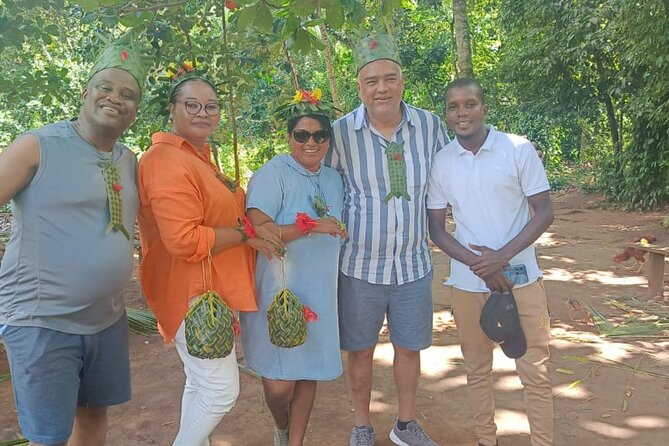
- Coconut tasting with a song: A coconut climber cuts young coconuts for you while singing the familiar Hakuna Matata song.
- Good value at $76: Private transport, bottled water, lunch, entrance fees, and an air-conditioned vehicle are included.
- A full but manageable day: The experience begins at 9:00 a.m. and lasts about seven hours, with walking and moderate physical activity required.
Two sides of Zanzibar in one day
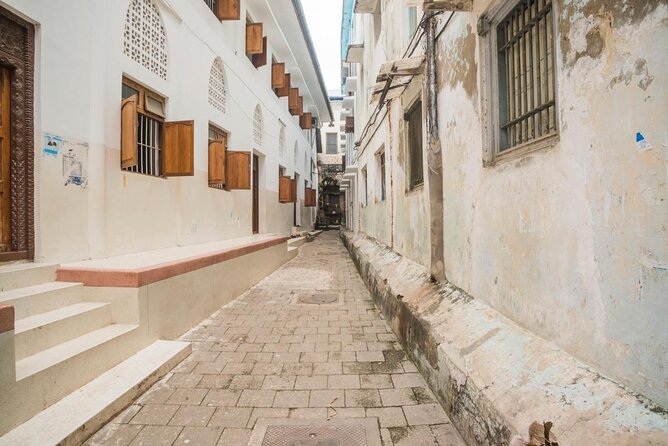
This tour works because it connects two very different parts of Zanzibar. Stone Town gives you dense streets, old buildings, markets, and difficult history. The spice farm gives you open ground, plants, cooking, and a chance to taste what makes Zanzibar famous.
You will not simply pass by a spice shop and buy a packet of cinnamon. At Jambo Spice Farm, you walk through planted plots and learn how the spices grow. The visit includes a practical look at crops such as cloves, cardamom, ginger, turmeric, nutmeg, lemongrass, coffee, and cinnamon.
The day is private, so you are not locked into a fixed group pace. That matters in Stone Town, where one person may want to study carved doors while another prefers the market or a short coffee stop. The guide can make the walking portion longer or shorter depending on your interests.
More Private Tours in Zanzibar
- Stone Town Private Walking Tour
★ 5.0 · 371 reviews - Zanzibar: 3 Hours Private Stone Town walking Tour with Guide
★ 4.6 · 301 reviews - Full-Day Private Stone Town +Spice Farm and Prison Island Tour
★ 4.5 · 216 reviews
Jambo Spice Farm: more than a shopping stop
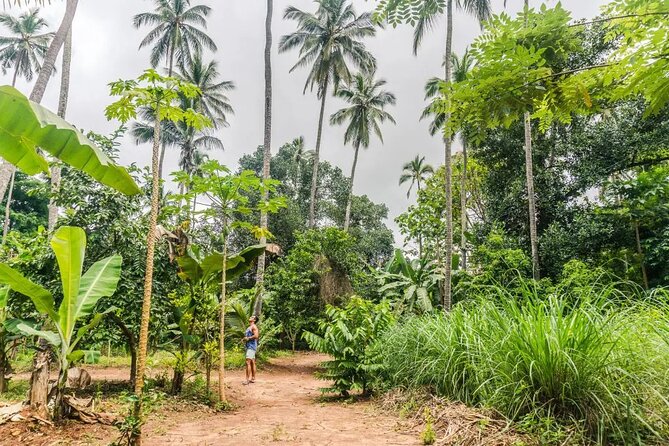
The farm covers about 3 to 4 hectares, with different spice trees and plants grouped in smaller plots. This arrangement makes the tour easy to follow. You move from one crop to another instead of trying to identify plants scattered across a large field.
You can expect to see cinnamon, cardamom, cloves, ginger, turmeric, nutmeg, lemongrass, and coffee. Tropical fruit trees, including mango, orange, and banana, are also part of the visit. The value here is in connecting the finished spice in your kitchen to the plant in the soil.
The farm portion lasts about 1 hour and 30 minutes. That is enough time for a proper introduction without taking up the entire day. The guide explains how the plants are grown and harvested, and you have the chance to test your own knowledge of the spices along the way.
One practical point: this is an outdoor visit. You should be ready for walking on a farm and standing in the heat. The experience calls for moderate physical fitness, not strenuous hiking, but comfortable shoes and light clothing will make the morning easier.
The coconut stop and the Hakuna Matata routine

After the farm walk, the group makes a short stop with the person called the butterfly man. The visit lasts about 30 minutes. He climbs a coconut tree, sings Hakuna Matata, and cuts young coconuts for you to taste.
This is a playful part of the day, and it gives the tour a break between the farm and lunch. The coconut tasting is also a simple way to try something fresh rather than seeing the plantation only as a lesson.
The performance will not appeal to everyone. If you prefer a quiet agricultural visit, the singing may feel tourist-oriented. Still, it is clearly part of the planned experience, and the stop is brief.
A Zanzibari lunch with familiar local dishes
Lunch is served after the coconut stop and lasts about 30 minutes. The meal includes a range of local foods, such as pilau, cooked banana, spinach, fried chicken, sauce, and kachumbari.
I like this part because the meal ties the spice lesson to the plate. Pilau, sauces, and other dishes give you a chance to notice how seasoning shapes everyday food in Zanzibar. The food is prepared by local women, according to the tour information, which adds a community connection to the meal.
Do not expect a long restaurant sitting. Thirty minutes is a compact lunch period, especially with several dishes to try. If you enjoy taking your time over food, the schedule may feel brisk. It is designed more as a satisfying included meal than as a separate culinary workshop.
Lunch is included in the $76 price. Alcohol is not included, and the minimum drinking age listed for alcoholic beverages is 18.
More Stone Town walks:
- Zanzibar: Stone Town, Spice Tour, Prison Island with Lunch
★ 4.4 · 1,219 reviews - Zanzibar: Prison Island, Stone Town, & Spice Farm Tour
★ 4.5 · 579 reviews - Zanzibar; Prison Island, Nakupenda, StoneTown Tour with BBQ
★ 4.3 · 457 reviews - Zanzibar: Stone Town, Spice tour & Prison Island with Lunch
★ 4.6 · 453 reviews
The spice shop: useful, but keep your guard up

The farm visit includes about 30 minutes at a spice shop. You can buy spices if you wish, but there is no requirement to purchase anything.
This stop can be useful if you want to take home cinnamon, cloves, turmeric, or other products. It also gives you a chance to compare the plants you have just seen with packaged goods.
The best approach is simple: treat shopping as optional. You can browse, ask questions, and buy only what suits you. Personal expenses are not covered, so bring your own spending money if you want souvenirs or spices.
After the farm, lunch, coconut tasting, and shop, you take the private vehicle to Stone Town. The drive takes about 35 minutes. Since private transportation and an air-conditioned vehicle are included, this transfer offers a welcome rest before the afternoon walking tour.
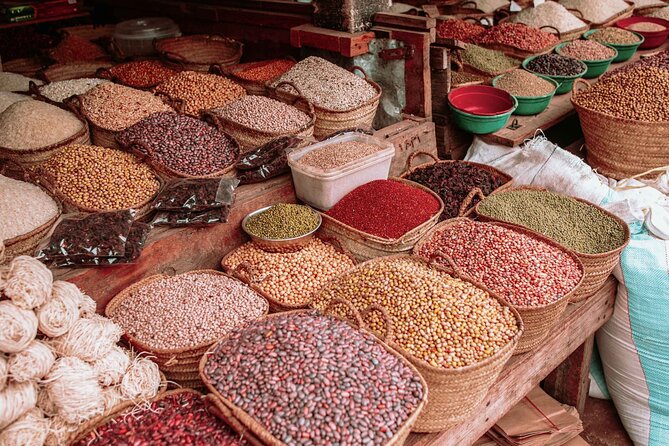
Entering Stone Town through Darajani Market
The Stone Town walk lasts about two to three hours, with the exact length adjusted to your preferences. The route begins at Darajani Market, the city’s main market.
A market is a strong starting point because it shows Stone Town as a living place, not just a collection of old buildings. You can see daily trade and get your bearings before moving into the narrow streets.
The walking route then takes you past Zanzibar doors and old architecture. These details matter because Stone Town is best read at street level. The doors, alleyways, churches, and public spaces reveal the mixture of Swahili, Arab, and European influences that shaped the city.
Expect uneven walking and a busy urban setting. The tour is private, but Stone Town itself is not quiet. You should be comfortable walking for several hours, with breaks available if you request them.
The Old Slave Market and Anglican Cathedral

The Old Slave Market, now associated with the Anglican Cathedral, is one of the most serious stops on the route. This is where you learn about Zanzibar’s role in the slave trade and the people who suffered under it.
Entrance to this site is included. That matters because it gives the historical portion more substance than a quick walk past a plaque. You have a chance to understand a painful part of Zanzibar’s past in the place where it happened.
Allow about one hour for this stop. The subject is difficult, but it is central to understanding Stone Town. I would not rush it just to reach the more photogenic parts of the walk.
The tour also passes the old Catholic church, adding another piece to the city’s religious and architectural story. Together, the cathedral and church show how different communities shaped Stone Town over time.
From Jaws Corner to Freddie Mercury’s house

The route continues through the area known as Jaws Corner, or Soko Muhogo, a central meeting point in Stone Town. From here, you pass the former childhood home associated with Freddie Mercury.
The Freddie Mercury House is a short exterior stop rather than a major museum visit. Mercury spent part of his childhood in the house, making it a point of interest for music fans and a quick photo opportunity for other people.
This section works best when you keep expectations realistic. You are seeing a historic home in the middle of Stone Town, not entering a large exhibition. The interest comes from the connection between a globally known musician and an ordinary street in Zanzibar.
If you want to stop for coffee or shop in souvenir boutiques, tell your guide. The timing can be adjusted within the private tour, although extra shopping will naturally reduce time at other sights.
Old Fort and Forodhani Gardens
The walk continues toward Old Fort, one of Stone Town’s major landmarks. The fort gives the route a strong architectural finish, with thick historic walls and a clear connection to the city’s defensive past.
From there, the route includes Forodhani Gardens, a small park along Stone Town’s seawalk. This is a good place to slow the pace after the tighter streets and market area. The waterfront setting also changes the feel of the tour, giving you room to take in the coast.
The listed Stone Town portion has no separate admission charge, unlike the Old Slave Market, whose entrance is included. The exact amount of time at Old Fort and Forodhani Gardens depends on your group and guide.
Why the private format matters
Private touring is the strongest feature of this experience. Only your group participates, so you can ask questions without holding up a large party. You can also signal when you need water, a rest, or a shorter stop.
One guide specifically associated with the experience is Yasser. When Yasser is assigned to your group, expect frequent checks for questions and a patient approach to explaining Stone Town. A strong guide matters here because the streets can look similar, and the historical sites need context.
The format is also useful for families or friends with different interests. One person can focus on architecture, another on food, and another on music history. The guide can adjust the walking portion, though the tour still needs to fit within its approximate seven-hour schedule.
Price, timing, and overall value
At $76 per person, this is good value if you want a full private day rather than two separate short outings. The price includes private transportation, an air-conditioned vehicle, bottled water, lunch, all listed fees and taxes, and admission to the Old Slave Market.
You are also paying for the convenience of combining the farm and Stone Town without arranging separate transport. The 35-minute transfer between the farm and city is handled for you, and pickup is offered.
The day starts at 9:00 a.m. and runs for about seven hours. The schedule is full:
- About 1 hour 30 minutes at the spice farm
- About 30 minutes for the coconut stop
- About 30 minutes for lunch
- About 30 minutes at the spice shop
- About 35 minutes driving to Stone Town
- About 2 to 3 hours walking through the city
- About 1 hour at the Old Slave Market
These listed times overlap slightly in the broader schedule, so treat seven hours as an approximate total rather than a minute-by-minute promise. The private format helps, but you should still expect a long day.
The tour is booked, on average, about 33 days ahead. That suggests you should reserve early if your Zanzibar dates are fixed, especially if you want a private outing at a particular time.
Who will enjoy this tour most
I would choose this experience if you want a broad first look at Zanzibar and prefer one organized day. It suits people who enjoy history, food, local agriculture, shopping, and moderate walking in equal measure.
It is a good match for couples, families, and small groups who want their own vehicle and guide. The ability to shorten or lengthen the Stone Town walk is helpful when the group has mixed energy levels.
I would think twice if you want a slow farm visit with lots of time for photography, or a dedicated food tour with a long cooking class. The cooking demonstration is included, but the information provided describes a live demonstration and a local meal rather than a full hands-on class.
You should also consider the heat and walking. The vehicle is air-conditioned, but much of Stone Town is explored on foot. Bring water, use the included bottled water, and wear shoes suited to narrow streets and a farm.
Should you book it?
Book this tour if you want Zanzibar’s main cultural themes in one private package: spice production, local food, Stone Town architecture, the slave trade, music history, and the waterfront.
The strongest reasons are the included lunch, private transport, flexible walking route, and the chance to see spices growing before tasting them in a local meal. The main weakness is the busy schedule, with a farm visit and a substantial city walk packed into one day.
For a first visit, I think the combination earns its price. If Stone Town is your main priority, ask for more time there and less shopping. If the spice farm is your main interest, protect the full farm visit and treat the city walk as a shorter introduction.
FAQ
What time does the tour begin?
The tour starts at 9:00 a.m.
How long does the experience last?
The experience lasts approximately seven hours.
Is this a private tour?
Yes. Only your group participates in the private activity.
Is pickup available?
Yes, pickup is offered.
What food is included for lunch?
Lunch may include pilau, cooked banana, spinach, fried chicken, sauce, and kachumbari.
What spices can I see at the farm?
The farm includes cinnamon, cardamom, cloves, ginger, turmeric, nutmeg, lemongrass, and coffee, along with tropical fruit trees such as mango, orange, and banana.
Is admission to the Old Slave Market included?
Yes. Admission to the Old Slave Market and Anglican Cathedral site is included.
Can I cancel for a full refund?
Yes, if you cancel at least 24 hours before the experience start time. Cancellations made within 24 hours are not refunded, and changes made within 24 hours are not accepted.
More Spice Farm Tours in Zanzibar
- Spice Tour + Stone Town Tour + Prison Island
★ 4.5 · 130 reviews - Zanzibar: Spice Tour & Stone Town Walking Tour
★ 4.8 · 115 reviews - Zanzibar: Stone Town & Spice Farm Tour with Lunch
★ 4.5 · 97 reviews - Zanzibar: The Swahili Spice Experience – Spice Tour + Culinary Journey
★ 4.7 · 96 reviews
Just added around Zanzibar
- Walking in Stone Town with a Expert Tourguide★ 3.7 · 3 reviews
- Stone Town Tour★ 5.0 · 16 reviews
- Jet Ski Experience from Kendwa Beach★ 5.0 · 21 reviews
- Turtle Snorkeling, Jozani Forest, Kuza Cave, Rock Restaurant★ 3.7 · 8 reviews
- Zanzibar boat rental/charters★ 5.0 · 6 reviews
- Prison island(Changuu island) & stone town walking tour★ 5.0 · 6 reviews
- Full Day Private Zanzibar Triple Delight Tour★ 4.5 · 3 reviews
- Zanzibar Tumbatu Island Cultural Experience★ 5.0 · 4 reviews
Stone Town Tours, compared.

Stone Town, Spice Tour, Prison Island with Lunch
Read our review →
Prison Island, Nakupenda, StoneTown Tour with BBQ
Read our review →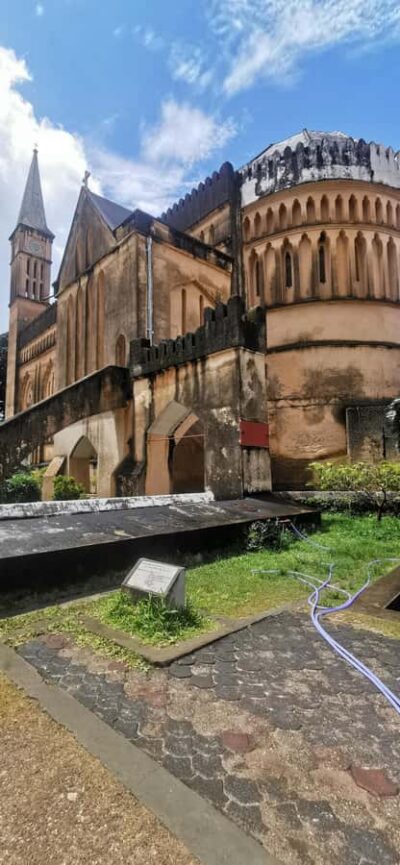
3 Hours Private Stone Town walking Tour with Guide
Read our review →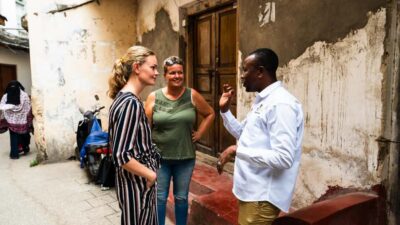
Stone Town Historical Cultural Walking Guided Tour
Read our review →
Stonetown: Food Markets and Street Food Walking Tour
Read our review →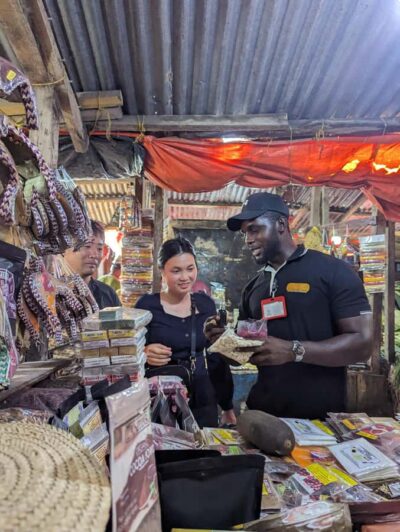
Zanzibar full day Jozani forest + Spice farm and stone town
Read our review →
Browse the lists this tour appears in