
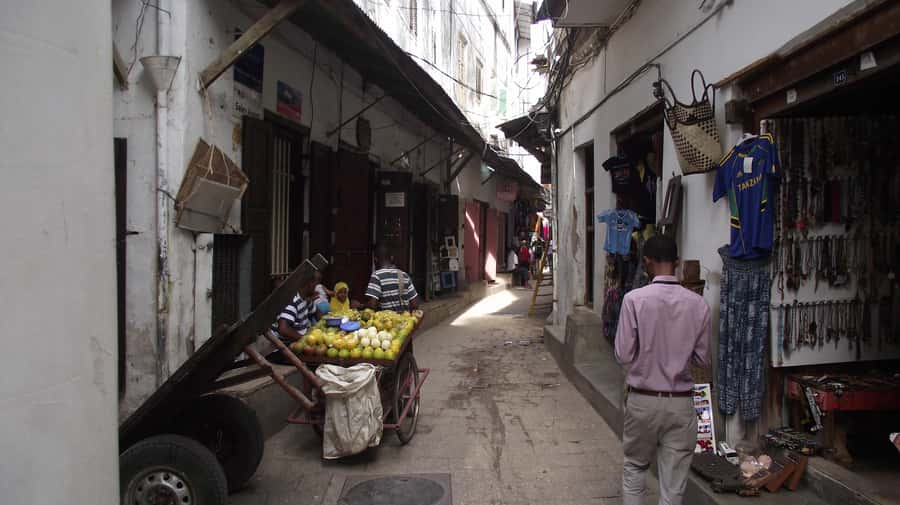
Reviewed · STONE TOWN TOURS
Zanzibar: Stone Town & Spice Farm Tour with Lunch
Stone Town and a working spice farm make a smart Zanzibar pairing. In one half-day, you move from the former slave market and fish auction to cinnamon, nutmeg, coconut, and a farm-cooked lunch. I like the hands-on spice visit and the chance to taste young coconut picked from the tree. I also like that the city walk covers major sights without requiring you to plan a route through the maze of lanes.
The main drawback is pace. Five hours is enough for an introduction, but not enough to linger at every museum or explore Stone Town at leisure. The tour can also involve several people to tip, including a driver, city guide, farm guide, and others who help with the demonstrations, so carry small cash.
Key points at a glance

- Two very different Zanzibar experiences: Pair Stone Town’s Swahili, Arab, Persian, Indian, and European influences with a working organic spice farm.
- Live market action: Visit the City Market and watch local buying and selling, including fish auctions.
- Hands-on farm visit: Smell and taste spices from growing plants, sample fruit, help with cooking, and make coconut milk.
- A real farm lunch: Finish with a traditional meal prepared at the spice farm rather than eating at a standard town restaurant.
- Private guiding: The experience includes a private guide, with optional hotel pickup and a meeting point by the Old Fort at 9 AM.
- Bring cash: The farm shop accepts cash only, and small tips are useful for the people involved in the day.
Why this five-hour combination works

Zanzibar can feel split between beach time and cultural sightseeing. This tour connects the two sides of the island’s identity. Stone Town explains the trading networks that shaped Zanzibar, while the farm shows the plants that made the islands famous as the Spice Islands.
The price is $73 per person. That is reasonable if you want transport, entrance fees, a private guide, lunch, water, and two organized visits in one morning and afternoon. The value is strongest for first-time visitors who want a clear introduction without arranging separate taxis, guides, and farm admission.
It is less appealing if you prefer to set your own pace. The Stone Town section covers many landmarks in a short period, and the farm visit has a guided structure rather than an open-ended agricultural tour. If you have already spent several days exploring the old city, you may prefer to visit the spice farm alone and use your extra time in Stone Town independently.
More Stone Town walks:
- Zanzibar: Stone Town, Spice Tour, Prison Island with Lunch
★ 4.4 · 1,219 reviews - Zanzibar: Prison Island, Stone Town, & Spice Farm Tour
★ 4.5 · 579 reviews - Zanzibar; Prison Island, Nakupenda, StoneTown Tour with BBQ
★ 4.3 · 457 reviews
Meeting the tour near the Old Fort
The standard meeting point is in front of the Old Fort on Mizingani Road at 9 AM. A representative waits there, making the start fairly simple if you are staying in or near Stone Town. Hotel pickup is available if you select that option, which is useful if your accommodation is outside the old city.
The route may be arranged in either order. Some bookings begin at the spice farm, then return to Stone Town for the walking tour. Others may start in town. Your exact sequence matters a little: the farm can take two to three hours, while the city section involves walking through narrow streets and crowded market areas.
Wear comfortable shoes. Stone Town is best seen on foot, and the old lanes can be uneven or tight. Sunscreen and drinking water are sensible, even though water is included. Leave large luggage behind, since bags are not allowed on the activity.
Stone Town’s slave market and Anglican Church
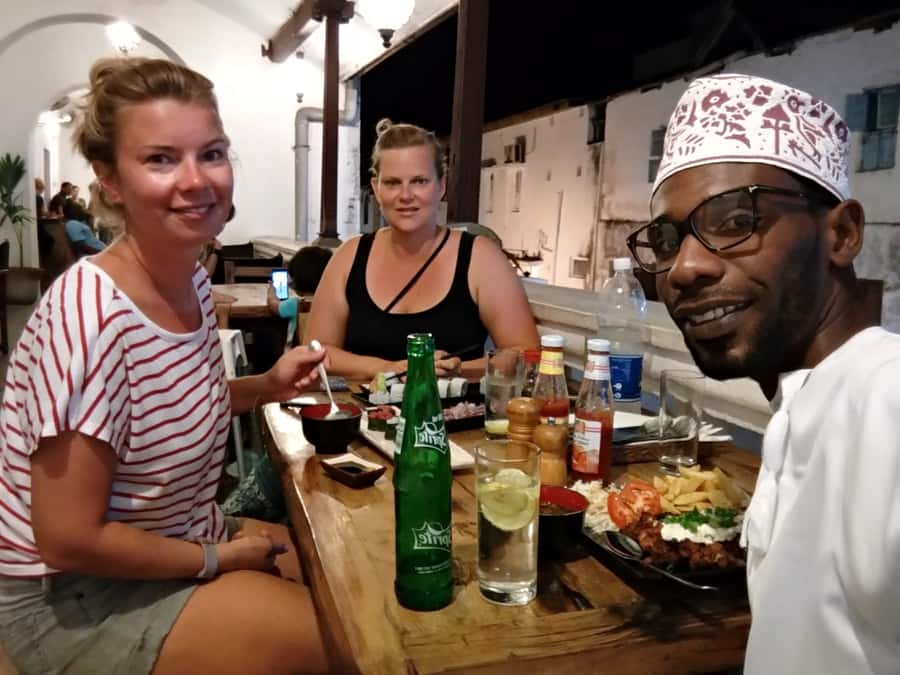
The city portion begins at the site of the Old Slave Market and the Anglican Church. This is one of the most serious stops on the route, and it gives you essential context for Zanzibar’s past as a major Indian Ocean trading center.
The church occupies the former market site, creating a physical link between the slave trade and later efforts to mark its end. Your guide can explain the site as you walk, but do not expect a long museum visit as part of this five-hour schedule. The stop works best as an introduction to the forces that shaped the city, not as a complete study of slavery in East Africa.
From here, you continue through the narrow streets toward the City Market. The change is immediate. The market is practical and local, with fresh produce, fruit, and everyday buying and selling rather than a display arranged for tourists.
The City Market and live fish auction
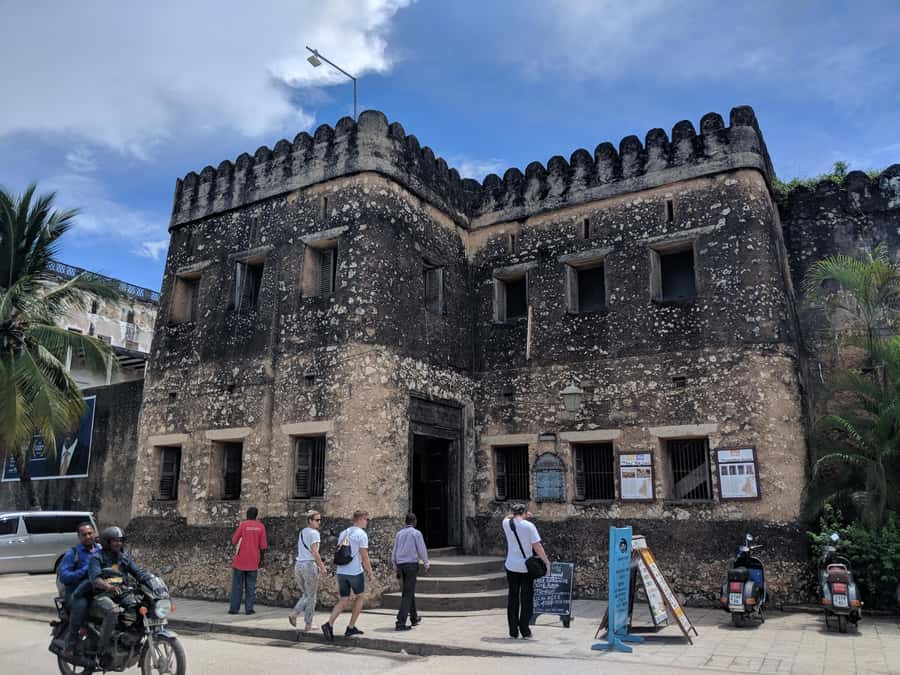
The market visit is one of the more useful parts of the city walk because it shows Stone Town as a working town. You can see what people buy, how vendors arrange their products, and how food moves through the city.
The fish auction adds a more energetic scene. It is live, noisy, and not polished for visitors. That is exactly its value. You are watching an ordinary part of the local food trade, though the setting may feel crowded and sensory. Keep your belongings close and follow your guide’s instructions as you move through the market.
This stop also helps connect the later spice farm lunch to daily food habits. Spices are not just souvenirs here. They are part of cooking, farming, trade, and household medicine.
More spice farm tours in Zanzibar:
- Zanzibar: Stone Town, Spice tour & Prison Island with Lunch
★ 4.6 · 453 reviews - Full-Day Private Stone Town +Spice Farm and Prison Island Tour
★ 4.5 · 216 reviews - Spice Tour + Stone Town Tour + Prison Island
★ 4.5 · 130 reviews - Zanzibar: Spice Tour & Stone Town Walking Tour
★ 4.8 · 115 reviews
Palace Museum, House of Wonder, and Old Fort

After the market, the walk turns to Stone Town’s main buildings. The Palace Museum introduces the former royal world of Zanzibar, while the House of Wonder, also called Bait-al-ajab, is known as the largest and tallest building in town.
The House of Wonder is especially easy to spot, but the tour is primarily a sightseeing walk. The information provided does not promise extended interior visits at every building, so ask your guide what is open and included on the day. That distinction matters if you want museum time rather than exterior views and historical explanation.
The Old Fort is another major landmark and also serves as the meeting point. Built as a defensive structure, it now forms part of Stone Town’s public visitor area. Seeing it with a guide gives the fort a place in the city’s story, though you may have limited time to explore every corner.
The route also includes Tippu Tip, the Peace Memorial, the Natural History Museum, and Freddie Mercury’s House. These stops provide a broad sweep of Stone Town, from trade and political power to natural history and modern popular culture.
Freddie Mercury’s House is a quick photo stop for many people. It is not a substitute for a full music museum, but it adds a contemporary note to a tour otherwise focused on older buildings and historic trade.
A working spice farm, not just a spice shop
The farm visit is the heart of the experience. Zanzibar is strongly associated with cloves, nutmeg, cinnamon, and black pepper, but seeing these products in packaged form tells you little about how they grow. At the farm, the guide shows you the plants and explains their uses in cooking and traditional medicine.
You can touch, smell, and taste spices and herbs directly from the plants. This makes the visit much more memorable than reading labels in a shop. Vanilla, cardamom, nutmeg, and other spices are included, with explanations of how they are grown and used.
The best part is the sensory work. Crush or smell a plant, compare a fresh ingredient with the dried form, and taste fruit from the farm. The experience gives you a better feel for the difference between a familiar kitchen ingredient and a living crop.
Past farm guides have included Beka, who led a two to three hour visit, and other guides who explained the plants, their medicinal uses, and their place in local cooking. Guide quality is important here because the farm itself is not a formal museum. The explanation makes the visit worthwhile.
Coconut milk, cassava, and fresh fruit
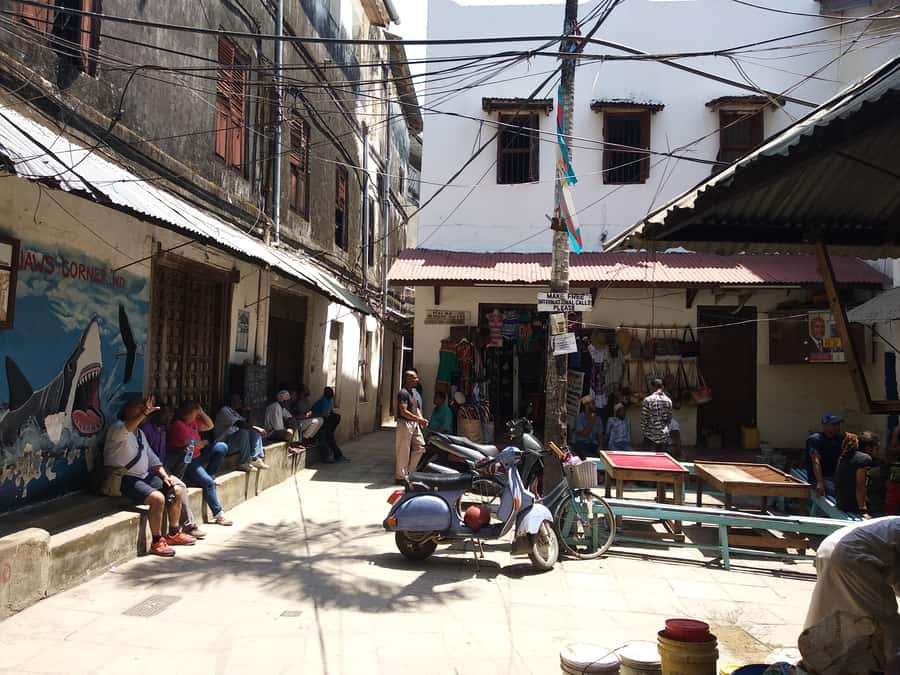
The farm section includes more than a walk among plants. You may join a cassava leaf harvest, help make coconut milk, and take part in simple cooking activities. These demonstrations show how ingredients move from field to kitchen.
A coconut tree climber picks young coconuts for you to taste. Fresh coconut is one of the small details that gives the visit its sense of place. It is not a staged tasting menu. You are trying produce close to where it grows, with the work of harvesting made visible.
The exact amount of hands-on participation can vary, so think of these activities as opportunities rather than guaranteed private lessons. The tour does include the farm guide, tastings, and lunch, but the time available for each activity depends on the day’s schedule.
Lunch at the farm
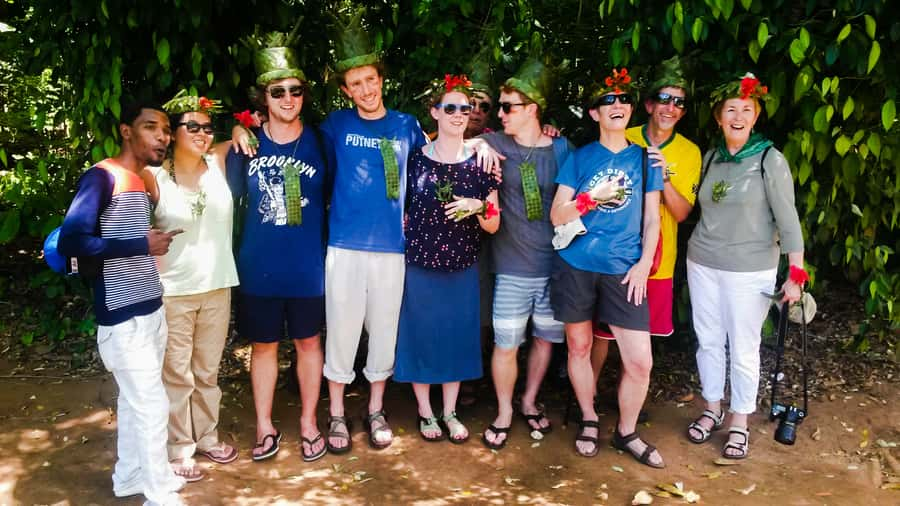
Lunch is included and served at the spice farm. This is a meaningful part of the value because you are eating in the same setting where you have just learned about the ingredients. The meal is described as traditional and includes local cooking, rather than a standard restaurant menu.
Food is one of the strongest parts of the day. The meal gives you a chance to sit down after walking and farm activities, and it turns the spice lesson into something practical. The lunch is also useful if you are concerned about the tour’s length, since you do not need to arrange a separate meal between Stone Town and the farm.
Dietary details are not provided, so tell the operator about any food needs when booking. Do not assume every ingredient can be changed on the spot.
Guides, transport, and the pace of the day

The activity includes an English-speaking live guide and private guiding. In past arrangements, different people have handled different parts of the day. Ahmed has driven visitors between locations, Beka has led the farm portion, and Juma has guided the Stone Town walk. These names are not a guarantee for your booking, but they show how the day may be divided among a driver, farm guide, and city guide.
That arrangement can work well. A driver handles the road while the farm and city guides focus on their own subjects. It can also mean several introductions and several possible tips. One practical suggestion is to carry enough cash for small gratuities, as well as for the spice shop.
The tour is listed as five hours, though a farm visit alone can take two to three hours. That leaves a limited window for transport, lunch, market stops, and the Stone Town walk. Expect a useful overview, not an exhaustive study of every museum and building.
English is the stated tour language. Some past visitors found the city guide’s English easier to follow than others, so if you have questions, ask them clearly and early. The strongest guides make the history easier to understand without turning the walk into a lecture.
What the $73 price includes
The $73 cost covers entrance fees, a private guide, drinking water, lunch, and hotel transfers if that option is selected. Those inclusions matter because independent visitors would otherwise need to arrange transport between Stone Town and a farm, pay entry costs, find a guide, and locate a meal.
The private format is a particular advantage for couples, families, and small groups who want to ask questions. It also keeps the day from feeling like a large bus excursion. Still, private does not mean every moment is private. The farm may have its own staff, climber, cook, and shop attendant involved in the visit.
Bring cash for the farm shop, which accepts cash only. You may want to buy spices, fruit products, or other local goods, though purchases are not included in the price. Cash is also useful for tips, and several people may help deliver the experience.
Who should book this experience
I would choose this tour if you are visiting Zanzibar for the first time and want two major cultural experiences in a single morning and afternoon. It suits you especially well if you enjoy food, plants, markets, and guided historical context more than long museum visits.
Families may like the coconut tasting and hands-on farm activities, though young children may tire during the Stone Town walk. Food-focused visitors will get the most from the farm, while architecture fans will appreciate the Palace Museum, House of Wonder, Old Fort, and old lanes.
I would think twice if you want a slow, detailed Stone Town experience. The city portion touches many important sights, but the schedule does not leave much time for lingering. If you prefer independent wandering, the Stone Town section may feel brisk. One past booking found the spice farm much stronger than the city walk, which is a fair warning for anyone mainly interested in urban history.
Should you book the Stone Town and spice farm tour?
Book it if you want an efficient introduction to Zanzibar’s food, farming, history, and major sights. The strongest reasons are the farm guide, fresh tastings, traditional lunch, and the convenience of combining both locations with transport and entrance fees covered.
Skip it if you have already seen Stone Town and want a relaxed day at one site. In that case, a standalone spice farm visit or self-guided walk may give you more control.
For most first-time visitors, the $73 price is fair. Just wear good shoes, bring sunscreen and cash, leave large bags behind, and treat the five-hour schedule as a well-packed overview rather than a leisurely exploration.
FAQ
How long does the Stone Town and spice farm tour last?
The activity lasts five hours. The spice farm portion may take around two to three hours, leaving the rest of the time for transport, lunch, and the Stone Town walk.
Where does the tour meet?
The standard meeting point is in front of the Old Fort on Mizingani Road in Stone Town at 9 AM. A representative waits there.
Is hotel pickup available?
Yes. Hotel transfer is available if you select the pickup option when booking. The standard meeting point is in front of your hotel if that option applies.
What is included in the price?
The price includes entrance fees, a private guide, drinking water, and lunch. Hotel transfers are included only if the relevant option is selected.
What language is the tour offered in?
The live tour guide speaks English.
Should I bring cash?
Yes. The spice farm shop accepts cash only, and cash is also useful for tips.
What should I bring?
Bring comfortable shoes, sunscreen, and cash. Large bags and luggage are not allowed.
Is the tour wheelchair accessible?
The activity information gives conflicting guidance: it lists the tour as wheelchair accessible but also says it is not suitable for wheelchair users. Confirm current access arrangements with the provider before booking.
Just added around Zanzibar
- Walking in Stone Town with a Expert Tourguide★ 3.7 · 3 reviews
- Stone Town Tour★ 5.0 · 16 reviews
- Jet Ski Experience from Kendwa Beach★ 5.0 · 21 reviews
- Turtle Snorkeling, Jozani Forest, Kuza Cave, Rock Restaurant★ 3.7 · 8 reviews
- Zanzibar boat rental/charters★ 5.0 · 6 reviews
- Prison island(Changuu island) & stone town walking tour★ 5.0 · 6 reviews
- Full Day Private Zanzibar Triple Delight Tour★ 4.5 · 3 reviews
- Zanzibar Tumbatu Island Cultural Experience★ 5.0 · 4 reviews
Stone Town Tours, compared.

Stone Town, Spice Tour, Prison Island with Lunch
Read our review →
Prison Island, Nakupenda, StoneTown Tour with BBQ
Read our review →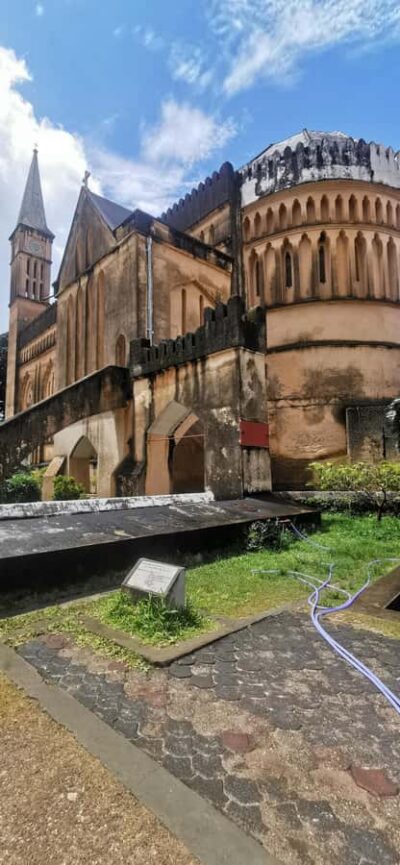
3 Hours Private Stone Town walking Tour with Guide
Read our review →
Stone Town Historical Cultural Walking Guided Tour
Read our review →
Stonetown: Food Markets and Street Food Walking Tour
Read our review →

Zanzibar full day Jozani forest + Spice farm and stone town
Read our review →
Browse the lists this tour appears in