
Reviewed · COOKING CLASSES
Arusha: Traditional Tanzania Cooking class& Food Market Tour
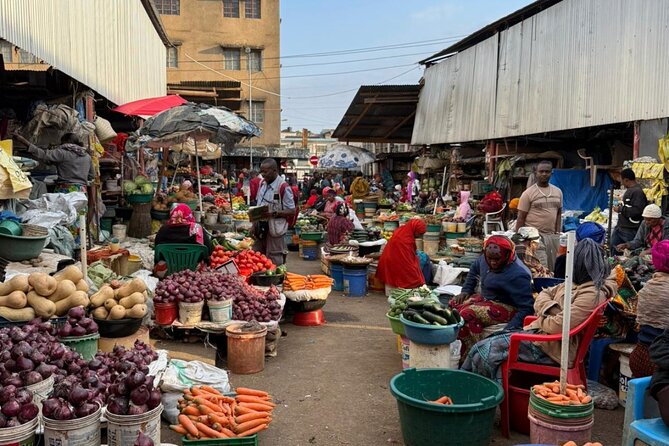
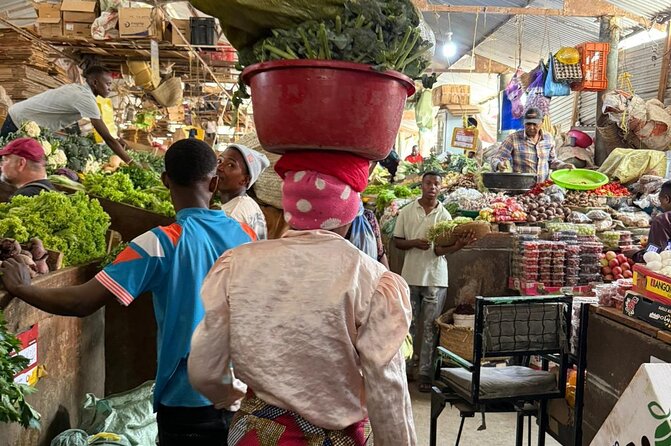
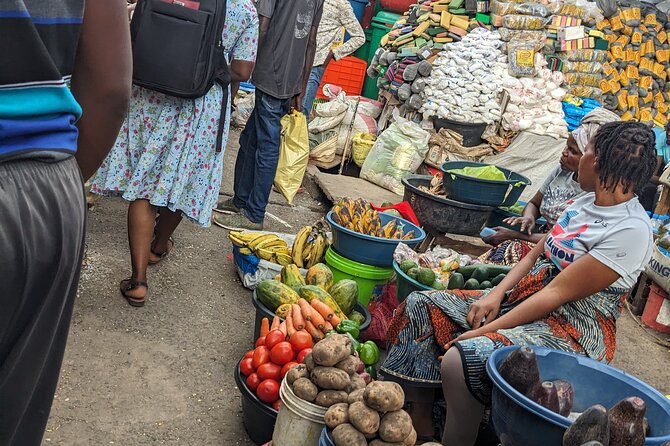
Arusha’s food market is the real beginning of this experience. You walk among sacks of dry goods, fresh fruit, vegetables, and meat, then help choose what will become lunch. I like the direct link between shopping and cooking, because you see Tanzanian ingredients before they reach the pot.
I also like the small-scale feel. Guides such as Liroy and Israel explain the market and answer questions, while chef Neema leads the kitchen work. You cook several dishes yourself, rather than watching a chef perform from across the room.
The main consideration is comfort. Cooking may take up to three hours, and the kitchen is a simple local home with basic washing facilities. Drinks are not included, and cleanliness may not match the standards you expect at home, especially when handling meat.
Key points at a glance
- Market first, meal second: Spend roughly 30 to 50 minutes seeing where the ingredients come from before cooking them.
- Several dishes in one class: Prepare plantain banana, chapati, ugali, vegetables, and possibly a stewed or barbecued meat dish.
- Local hosts matter: Liroy, Israel, and chef Neema are named in the experience feedback and are praised for being attentive and welcoming.
- A practical five-hour outing: Hotel pickup and drop-off are included, making this easy to fit into time in Arusha.
- Simple home setting: The class takes place in a small local house, not a polished culinary school.
- Good value at $45: The price covers transport, market visits, ingredients, instruction, and the meal you prepare.
Arusha’s market is the heart of the experience
The day begins with pickup from your hotel in or near central Arusha. From there, you head to a local food market, where the focus is on ordinary shopping rather than a staged cultural display.
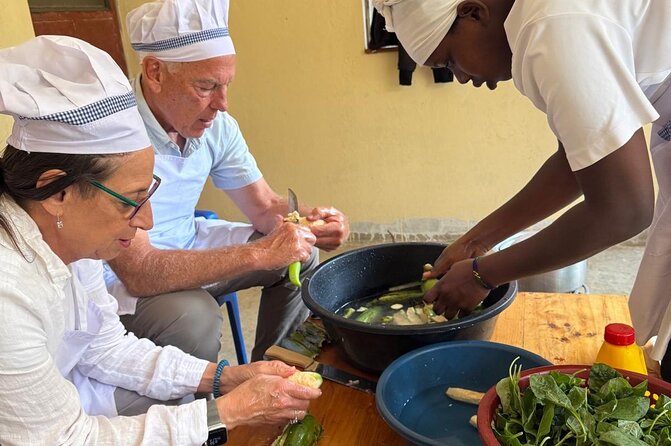
Allow about 30 to 50 minutes for this part. You might see dry foods, fruits, vegetables, meat, and other staples used in Tanzanian cooking. The exact route can vary. One account describes visiting the main Central Market and then a smaller market to buy the ingredients for the class.
That second stop is useful because it shows two sides of food shopping in Arusha. The larger market gives you a sense of scale and daily trade. The smaller stop may feel more practical, since you are selecting the exact items needed for lunch.
Your guide helps explain the products, the sellers, and daily life in town. Liroy is named as one of the guides who gives detailed information and welcomes questions. Israel is also involved on some departures. You should have time for photographs, though it is sensible to ask before photographing people or stalls.
The market is active and can be crowded. Workers may carry heavy loads through narrow paths, so stay close to your guide and watch where you step. That is not a major problem, but it is one reason comfortable shoes matter.
More cooking classes in Arusha:
- NGO Lifted Strong – Traditional Tanzanian Cooking Class
★ 5.0 · 39 reviews - Arusha: Traditional Tanzania Cooking Class & Food Market Tour
★ 5.0 · 34 reviews - Cooking and Sewing & Jewelry Workshops in Arusha
★ 5.0 · 14 reviews
Shopping for ingredients gives the class a useful context
Many cooking classes hand you a bowl of premeasured ingredients. This one connects the meal to the market. You see the raw products, help buy them, and then use them in the kitchen.
That small change makes a difference. A plantain banana is no longer just an item on a menu. You have seen it among other produce and then learned how it is prepared. The same applies to flour for chapati, maize flour for ugali, vegetables, and meat if you choose a meat dish.
The menu is not completely fixed in the same way every time. You can prepare plantain banana, chapati, ugali, and vegetables, with an option for stewed or barbecued meat. One account describes choosing three dishes from four local options, so ask the guide what choices are available on your date.
This flexibility helps the class suit different appetites. If you are vegetarian, clarify the menu before cooking. The published details confirm that meat is optional, but they do not spell out a separate vegetarian menu.
Cooking with Neema in a simple local home
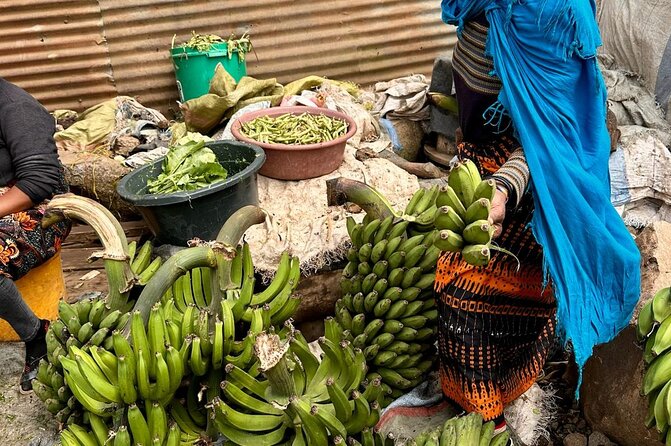
After the market, you move to the cooking location for a session lasting one to three hours. The setting is described as a small local house with a washroom. Do not expect stainless-steel counters, restaurant equipment, or a professional teaching kitchen.
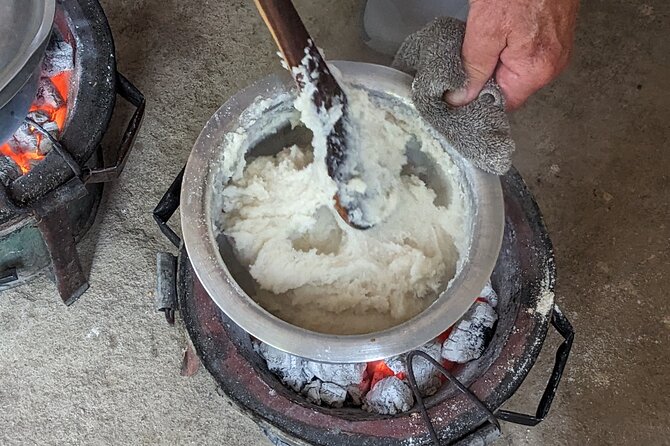
That simplicity is part of the appeal. You are seeing how a local meal can be prepared in an ordinary home setting, using charcoal and propane stoves. The class is hands-on: the chef demonstrates a step, then has you complete the task while she moves on to another part of the meal.
Chef Neema is named as the instructor on some departures. She works alongside the guide and helps you through each recipe. You may chop, mix, shape dough, stir, and manage several dishes as they come together.
Chapati is likely to be the most tactile part of the class. The dough must be worked and shaped before cooking. Ugali offers a different lesson, since its texture depends on careful stirring and timing. Plantain and vegetables show how simple ingredients can form a filling plate without complicated equipment.
The class is not rushed. That is good if you want to learn rather than simply eat, but it explains why some people may find the cooking session long. If the kitchen work takes three hours, the total outing can feel closer to a full half-day than a quick activity.
What the finished meal is like
Once the dishes are ready, you sit down with the group and eat what you prepared. This is more than a final snack. It gives you a chance to compare the dishes, ask about recipes, and talk with the people who guided the day.
The meal focuses on familiar Tanzanian staples rather than rare ingredients. Ugali is filling and plain on its own, which makes it a useful partner for vegetables, sauce, or meat. Chapati adds a soft, layered bread element. Plantain brings another texture and a gentle sweetness.
The exact combination depends on your selected dishes and the ingredients available. A meat option may be stewed or barbecued. All food should be cooked fully, but you still need to use normal care when handling uncooked meat.
If food remains, you may be able to pack some for later at your hotel. This is not guaranteed, since it depends on how much the group prepares and eats. It is worth bringing the idea up before the meal if you would like to save a portion.
More market visits in Arusha:
- Tanzanite experience tour – Tanzanite shopping in Arusha
★ 5.0 · 12 reviews - 24 Hours in Arusha—Arusha Museum, Cultural Heritage, Maasai Market, Shanga
★ 5.0 · 4 reviews - Stone Town Guided Tour: Culture, Slave Market & Spice Market
★ 4.8 · 44 reviews - Private Market Tour and Tanzanian Cooking Class in Moshi
★ 5.0 · 7 reviews
Food safety and comfort: what you should know
The most important practical warning concerns kitchen standards. Soap and water are available, but the washing of hands and cutting boards may not be as thorough as you expect in a North American or European kitchen.
This does not mean you should avoid the class. It does mean you should pay attention. Wash your hands carefully, use the facilities available, and tell the chef or guide if you have concerns about handling meat. Fully cooked food lowers the risk, but good personal habits still matter.
The experience asks for comfortable clothes, long pants, and comfortable shoes. Long pants are a sensible choice for the market and the kitchen. They also give you more freedom to sit, move, and work around cooking equipment.
Bring a little patience as well. The day follows local rhythms, and the class is not designed as a tightly timed demonstration. You may spend longer on preparation than expected, especially if the group is learning several dishes.
Drinks are not included. Bring or purchase water, and confirm with your guide what is available. One account notes that water was obtained during the day, but you should not depend on drinks being part of the price. Beer and other beverages are also extra.
Why $45 can be good value in Arusha
At $45 per person, the price covers more than a cooking lesson. You get hotel pickup and drop-off, a guided market visit, the ingredients, instruction from a local chef, and the meal you prepare.
That is a fair package for a five-hour outing, especially if you value personal contact and local food more than polished facilities. A separate taxi, market guide, ingredients, and cooking class could easily take more planning and cost more.
The value is strongest for people who want to understand the food before eating it. You are not simply shown a plate and given a recipe. You see the market, help shop, and take part in the work.
The value is weaker if you want a short, refined cooking demonstration with guaranteed comfort and restaurant-style hygiene. The basic home setting is part of the experience, but it will not suit everyone.
The price does not include drinks or accommodation. You need to arrange your own hotel, though the pickup service works for hotels in Arusha town or near the city center.
Who will enjoy this most
I would choose this for a food-curious visitor spending time in Arusha before or after a safari. It gives you something different from wildlife viewing and helps you understand everyday life through food.
It also suits people who like to ask questions. The guides are described as open and attentive, and the market section gives you plenty to discuss. Liroy, Israel, and Neema appear to work closely as a small team on some outings, which helps the day feel personal.
Families and couples may enjoy the practical tasks, provided everyone is comfortable with a simple setting and a long cooking session. Solo visitors can also fit in easily because hotel pickup and a shared meal are included.
I would think twice if you have strict dietary needs that require a fully separate kitchen, or if you are uncomfortable with markets, charcoal cooking, or basic food preparation areas. Ask about the menu before booking if you need vegetarian, vegan, or allergy-safe arrangements.
The class is conducted in English. That makes the explanations accessible to English-speaking visitors, though the market remains a busy local place where not every conversation will be in English.
Timing, cancellation, and what to bring
The advertised duration is five hours, with starting times depending on availability. The cooking portion alone can last from one to three hours, so leave some room in your schedule afterward.
Wear long pants and comfortable shoes. Choose clothes you do not mind wearing around food, charcoal, and market paths. Sharp objects and weapons are not allowed.
Hotel pickup and drop-off are included for hotels in Arusha town. The meeting arrangement is simple: provide your hotel details and wait for the pickup there.
You can cancel up to 24 hours before the activity for a full refund. A reserve-now, pay-later option is also available, which helps if your Arusha plans are still shifting.
Should you book this Arusha cooking class?
Book it if you want a hands-on look at ordinary Tanzanian food life, not a polished restaurant lesson. The market visit, ingredient shopping, and home kitchen make the experience feel connected from start to finish.
The strongest reasons to choose it are the friendly local team, the chance to cook several familiar dishes, and the included transport and meal at $45. You also leave with recipes and skills you can try at home.
Skip it if you need strict kitchen hygiene, a fixed short schedule, or a luxury setting. For everyone else, this is a useful and good-value way to spend half a day in Arusha, especially when you want your meal to come with a better understanding of where it began.
FAQ
How long does the Arusha cooking class and market tour last?
The full experience lasts five hours. The market visit takes about 30 to 50 minutes, while the cooking session lasts between one and three hours.
What does the $45 price include?
The price includes hotel pickup and drop-off, a visit to a local central food market, ingredients, cooking instruction with a local chef, and a meal of the dishes you prepare.
Where does pickup take place?
Pickup is provided at hotels in Arusha town or near Arusha city center.
Which dishes can I cook?
The listed dishes include plantain banana, chapati, ugali, and vegetables. Meat may also be available as a stewed or barbecued dish.
Is meat required?
No. Meat is described as an optional part of the cooking experience. Ask about the available menu when you book if you need a specific dietary arrangement.
Is the activity offered in English?
Yes. The live guide and cooking experience are offered in English.
Are drinks included?
No. Drinks are not included in the price, so plan to bring money for water or other beverages.
What should I wear and bring?
Wear comfortable shoes, comfortable clothes, and long pants. Weapons and sharp objects are not allowed. You may take photographs during the experience.
More Food Tours in Arusha
- Organic Coffee Tour and Local Food Experience in Arusha
★ 5.0 · 29 reviews - Street Food and Community Walking Tour
★ 5.0 · 12 reviews - Waterfalls, Coffee, Hotsprings, Food Cuisine, & Serval Wildlife
★ 5.0 · 6 reviews - Arusha: Coffee Plantation Tour with Tasting and Hands-On …
★ 5.0 · 4 reviews
Just added around Arusha
- From Arusha: 11 days The Classics Northern Tanzania safari★ 5.0 · 11 reviews
- 6-Day Mount Meru Climb through Momella Route Guided Tour★ 5.0 · 5 reviews
- Private Day Trip to Arusha National Park with a Walking Safari★ 5.0 · 4 reviews
- From Arusha : 11-day Amazing North Tanzania safari tour★ 5.0 · 4 reviews
- Walking Day Tour to Safari in Arusha National Park★ 5.0 · 5 reviews
- 2 Days Tanzania Midrange Group Join Safari★ 5.0 · 7 reviews
- Best 5 Days Tanzania Private Luxury Safari with luxury Lodges★ 5.0 · 12 reviews
- Waterfall & Coffee Walking Tour★ 5.0 · 6 reviews
Cooking Classes, compared.
Half-Day Kuza Cave Swimming Adventure and Cooking Class
Read our review →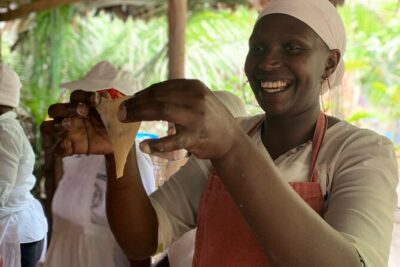
NGO Lifted Strong – Traditional Tanzanian Cooking Class
Read our review →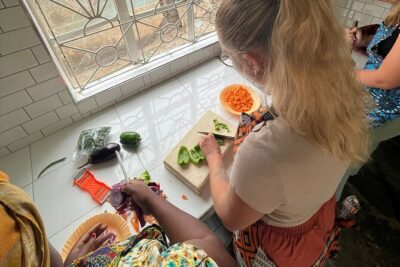
Cooking and Sewing & Jewelry Workshops in Arusha
Read our review →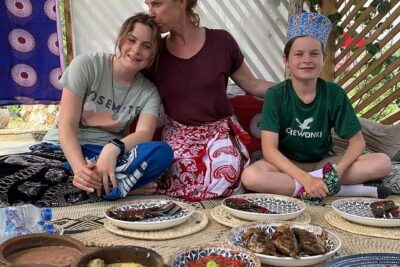
A private half day spice farm with a cooking lesson
Read our review →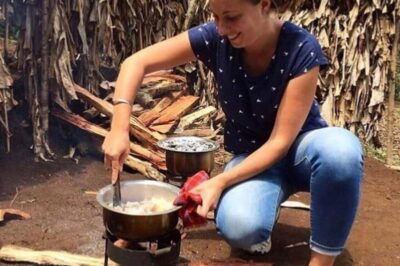
Local Tanzanian Cooking Class by Kingstone Asilia
Read our review →Browse the lists this tour appears in